



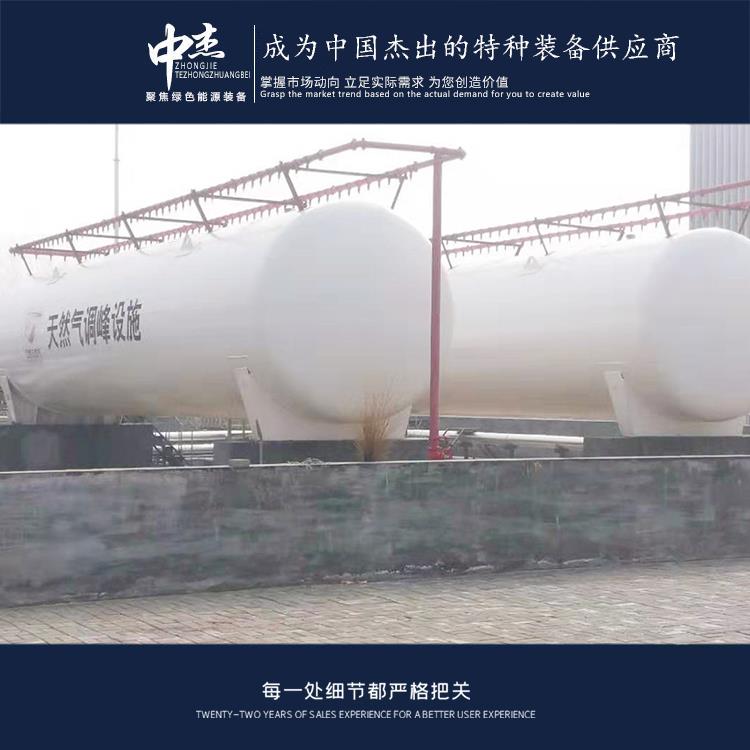
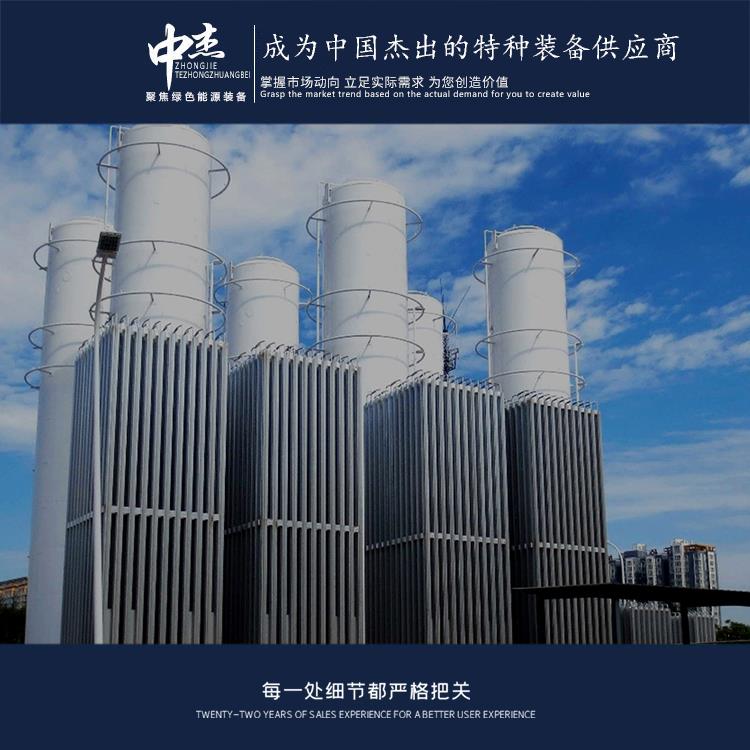


















Shandong Zhongjie Special Equipment (formerly Heze Boiler Factory Co., Ltd.) was established in 2001, located at No. 2218 Jinnan Road, Economic and Technological Development Zone, Heze City. With a registered capital of 50 million yuan and total assets of 500 million yuan, the company has seven business centers: boilers, deep-freeze containers, pressure vessels, central air conditioning, engineering installation, international trade, and Internet of Things. It has three factory sites on Jinnan Road, East Changjiang Road, and Bohai Road, covering a total of 200,000 square meters, with the main workshop spanning 83,000 square meters. The company currently employs 710 staff, including 247 engineers and technicians, and 82 intermediate-level technical personnel. In December 2016, it was recognized as a "High-tech Enterprise" by the Science and Technology Department. In June 2021, it was identified as a "Specialized and New Enterprise in Shandong Province" by the Ministry of Industry and Information Technology. In June 2022, it was recognized as a "Gazelle Enterprise in Shandong Province" and in August 2022, as a "Specialized and New Small Giant Enterprise" by the Ministry of Industry and Information Technology.
Carbon dioxide has several main applications in the battery industry:
- Solvent in Electrolytes: Carbon dioxide can serve as one of the solvents in battery electrolytes. In certain types of batteries, it can be mixed with organic solvents to enhance the performance and stability of the electrolyte.
- Protective Gas in Battery Manufacturing: During the battery manufacturing process, carbon dioxide can be used as a protective gas. For instance, during assembly and encapsulation, it can replace air to prevent oxidation and corrosion of battery materials by oxygen and moisture within the battery.
- Battery Performance Enhancement: Carbon dioxide can improve battery performance by altering the atmosphere within the battery. For example, injecting carbon dioxide gas into the battery can regulate pressure and temperature, increasing the battery's cycle life and safety performance.
- Carbon Dioxide Capture and Storage: The production of batteries generates carbon dioxide emissions. Carbon dioxide capture and storage technologies can be employed to reduce these emissions. By capturing and storing carbon dioxide, atmospheric emissions can be decreased, thereby lowering the environmental impact.
- It is important to note that the application of carbon dioxide in the battery industry is continually evolving and under research. With technological advancements and innovation, carbon dioxide's use in the battery field may see more breakthroughs and developments.
Installation and operation of low-temperature carbon dioxide storage tanks must adhere to the following requirements:
Installation Location Selection: When choosing the installation location for the tank, consider its weight and dimensions to ensure a solid and stable foundation. Also, maintain a safe distance from flammable and explosive materials and high-temperature sources to ensure safety.
Safety Distance: Maintain a certain safety distance around the tank for routine inspections, maintenance, and emergency responses. The safety distance should comply with relevant safety regulations and standards.
Connection Piping: Use appropriate connection methods between the tank and piping to ensure tight and reliable connections with no leaks. The connection piping should meet relevant standards and specifications.
Pressure Relief Devices: The tank should be equipped with pressure relief devices, such as safety valves, to control internal pressure. The set pressure of the pressure relief devices should meet relevant requirements and be inspected and maintained regularly.
Sealability Inspection: Regularly check the tank's sealing performance to ensure no leaks. Pay special attention to the valves, pipe connections, and the tank's own sealability.
Temperature Control: Low-temperature carbon dioxide storage tanks require temperature control to maintain the low internal temperature. Ensure the surrounding environment temperature is suitable and implement appropriate insulation measures.
Safety Protection: Set up appropriate safety protection facilities around the tank, such as guardrails and warning signs, to remind personnel of safety and prevent unauthorized access to the tank.
Storage Capacity Control: Control the storage capacity of the tank based on actual needs to avoid exceeding the rated capacity. Exceeding the rated capacity may cause excessive pressure in the tank, increasing safety risks.
When storing CO2 storage tanks, the following requirements must be followed to ensure safety and effectiveness:
Ventilation: Tanks should be stored in well-ventilated areas to prevent the accumulation of CO2 gas. Ensure adequate air circulation around the tanks to avoid gas buildup and asphyxiation risks.
Fire and Explosion Prevention: Keep tanks away from ignition sources, high-temperature areas, and flammable materials. Avoid open flame operations near tanks to prevent fire and explosion risks.
Avoid Direct Sunlight: Store tanks in locations shielded from direct sunlight to prevent overheating and pressure increase. Direct sunlight can raise tank temperatures, increasing the risk of leaks and explosions.
Prevent Mechanical Damage: Keep tanks away from machinery and heavy objects to avoid collisions and damage. Mechanical damage can lead to tank leaks or ruptures, causing safety hazards.
Labeling and Warning Signs: Clearly label tanks with information such as the type of gas stored and pressure. Set up warning signs around the tanks to remind personnel of their presence and related safety precautions.
Regular Inspections: Conduct regular inspections of the tank's exterior, valves, and connections to ensure they are undamaged. Take prompt corrective actions if any abnormalities are found.
Storage Capacity Control: Control the storage capacity of the tanks to avoid exceeding the rated capacity. Overfilling can cause excessive tank pressure, increasing safety risks.
Storage Records: Keep records of the tank's usage, including filling dates, quantities, and inspection records. Regularly inspect and maintain the tanks, and retain relevant records.
Note that specific storage requirements may vary depending on tank type and application. When storing CO2 tanks, operate according to relevant regulations and standards, and consult with experts to ensure safety and effectiveness.
Prior to using a CO2 storage tank, the following preparations must be made:
Safety Inspection: Conduct a safety check on the tank before use to ensure there are no obvious damages, corrosion, or leaks. Inspect the tank's exterior, valves, and connecting pipes to ensure they are intact and undamaged.
Tank Cleaning: Ensure the tank is clean both internally and externally. Remove any debris, dirt, and residues to ensure no substances could affect the quality or safety of the CO2.
Connecting Pipes: Check the connections between the tank and related pipes to ensure they are securely fastened and sealed. Verify the valve and pipe's on/off status to ensure they are in the correct position.
Pressure Check: Inspect the tank's pressure to ensure it is within the safe range. If necessary, use a pressure gauge or other pressure detection equipment for the check.
Ventilation and Safety Measures: Ensure adequate ventilation around the tank to prevent CO2 accumulation. During operation, follow relevant safety operating procedures and measures, such as wearing personal protective equipment and avoiding open flames.
Tank Labeling: Label the tank with relevant information, such as the type of gas stored, pressure rating, and capacity. This aids operators in correctly identifying and handling the tank.
Note that these preparations may vary depending on the type of tank and the specific application. Before using a CO2 storage tank, it is recommended to refer to the relevant safety operation manuals and guidelines to ensure safe and correct operation.
Shandong Zhongjie Special Equipment, welcome customers to our factory for negotiations and cooperation.
WeChat Official Account

Scan to follow Official Account



















