


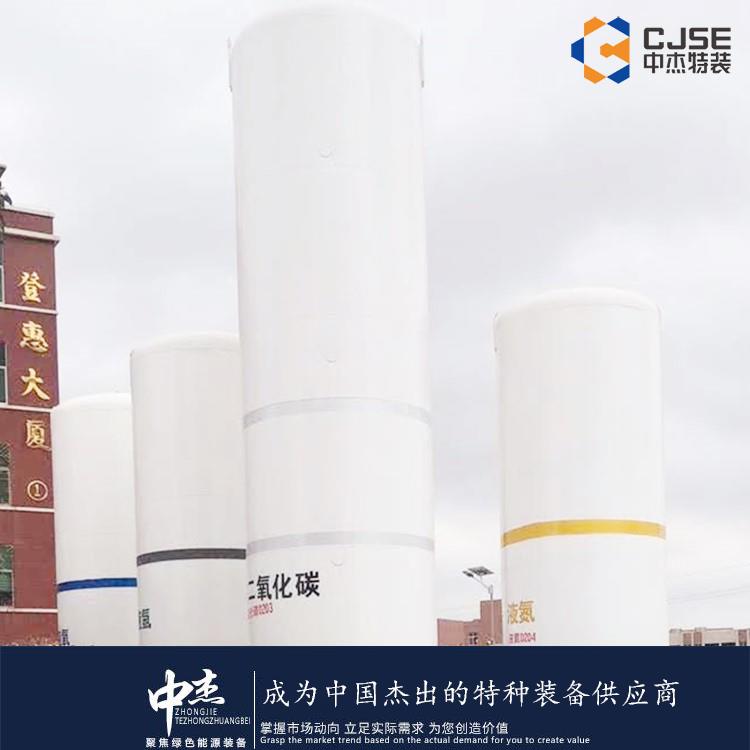

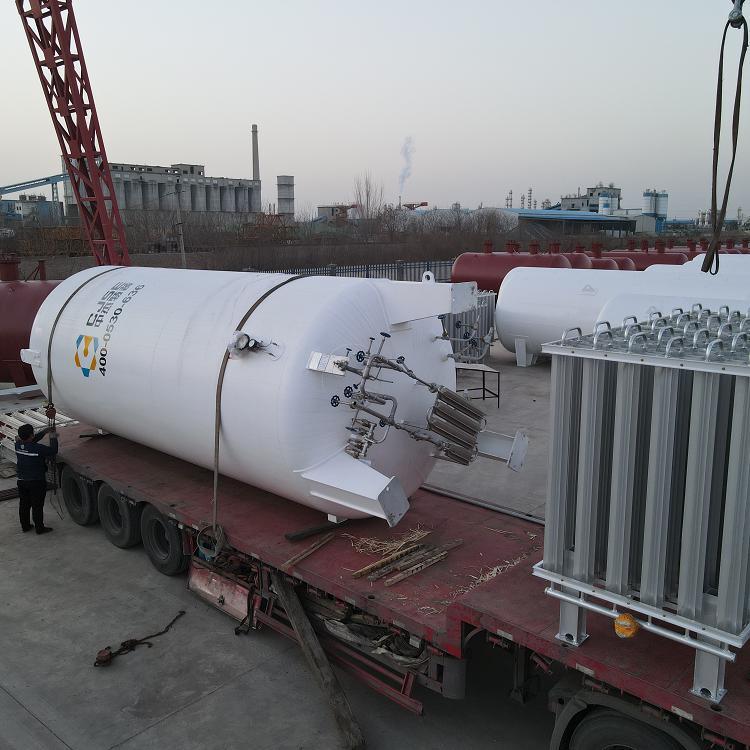
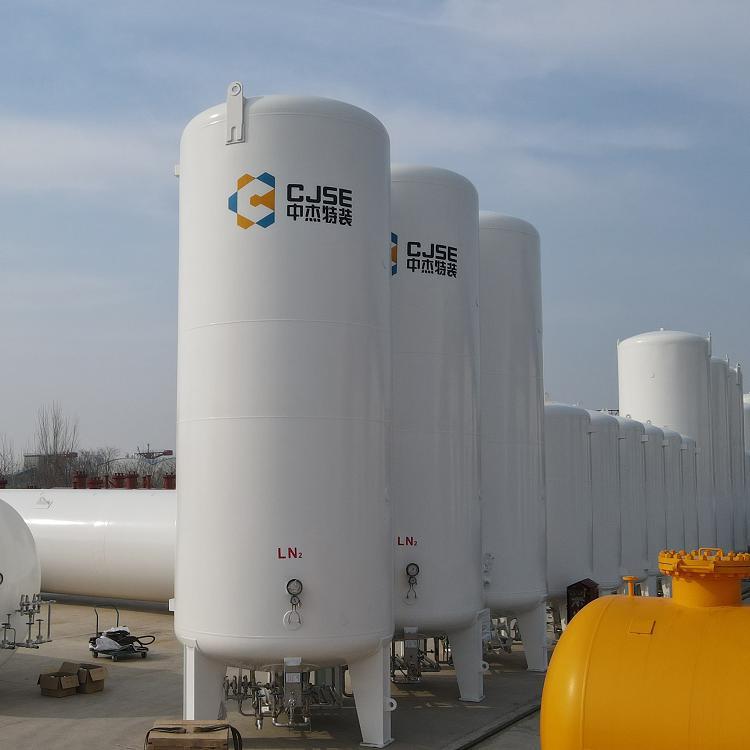


















Shandong Zhongjie Special Equipment (formerly Heze Boiler Factory Co., Ltd.) holds an A-grade boiler manufacturing license, an A2-grade pressure vessel manufacturing license, an A2-grade pressure vessel design license, a B-grade boiler installation license, and GB2/Class and GC2/Class pressure pipeline installation licenses, as well as a mechanical and electrical equipment installation contracting qualification. It is a member of the China Boiler and Water Treatment Association, the China Chemical Equipment Association, and the理事 member of the Shandong Equipment Manufacturing Association. The company has also passed the ISO9001 Quality Management System, ISO14001 Environmental Management System, OHSAS18001 Occupational Health and Safety Management System certifications, and the American ASME/U2 certification.
To prevent the explosion of liquid oxygen tanks, the following measures can be taken:
Regular inspections and maintenance: Conduct regular inspections and maintenance on liquid oxygen tanks, including checking the tank's appearance, welds, valves, and fittings, to ensure they are intact and undamaged. Regularly clean the tank to remove any impurities and dirt adhering to its surface.
Pressure Control: Storage tanks should be equipped with pressure control devices to ensure internal pressure remains within safe limits. Regularly inspect and adjust the pressure control devices to ensure proper functioning.
Temperature Control: The liquid oxygen tank should be maintained within an appropriate temperature range to prevent excessive heat from causing increased pressure. Ensure the insulation layer of the tank is intact to minimize heat conduction and loss.
Fire Prevention Measures: Liquid oxygen has a high oxygen content and flammability, thus stringent fire prevention measures are required. A fire-resistant buffer zone should be established around the storage tank, with smoking and open flames prohibited. Ensure the storage tank maintains a sufficient fire-resistant distance from other facilities.
Pressure Relief Device and Safety Valve: Liquid oxygen storage tanks should be equipped with pressure relief devices and safety valves to prevent overpressure and sudden pressure increases. Regularly inspect and test the operation of the pressure relief devices and safety valves to ensure their proper functioning.
Tanks Operation Standards: Adhere strictly to the operational specifications and safety requirements for liquid oxygen tanks. Operators must be trained and knowledgeable about the tank's characteristics and operating techniques. Avoid operational errors and unauthorized actions.
Emergency Preparedness: Establish emergency response plans and conduct drills to address potential accidents. Train operators in emergency response capabilities to ensure timely and effective handling.
Daily inspection of liquid nitrogen tanks primarily includes the following aspects:
Visual Inspection: Check for any visible damage, deformation, or corrosion on the tank's exterior, including the tank wall, valves, pipes, and joints.
Sealability Inspection: Check the sealing performance of the storage tank, including inspecting for leaks at valve and pipe connections, and verifying the proper operation of the tank's exhaust and safety valves.
Pressure Check: Verify that the storage tank's pressure gauge is functioning properly and that the pressure is within the normal range to ensure the tank operates normally.
Level Check: Monitor the liquid nitrogen tank's level to ensure it remains within the normal range, avoiding issues caused by excessive or insufficient levels.
Insulation Layer Inspection: Check for any damage or detachment in the storage tank's insulation layer to ensure proper insulation and reduce evaporation losses of liquid nitrogen.
Leak Inspection: Check for signs of liquid nitrogen leakage around the storage tank, including any frost, ice, or liquid nitrogen residue on the ground.
Safety Equipment Inspection: Verify that the safety equipment of the storage tank, such as leak detectors, alarm systems, and safety valves, is functioning properly to ensure the tank's safety.
Cleaning Inspection: Regularly clean the interior of the tank to remove accumulated impurities and dirt, maintaining the tank's cleanliness and hygiene.
Above are the key items for daily inspections of liquid nitrogen tanks. The specific inspection items should be adjusted and supplemented based on the tank's model, usage, and relevant regulations. During the inspection process, strict adherence to the operational procedures and safety requirements is essential to ensure the safe operation of the tank.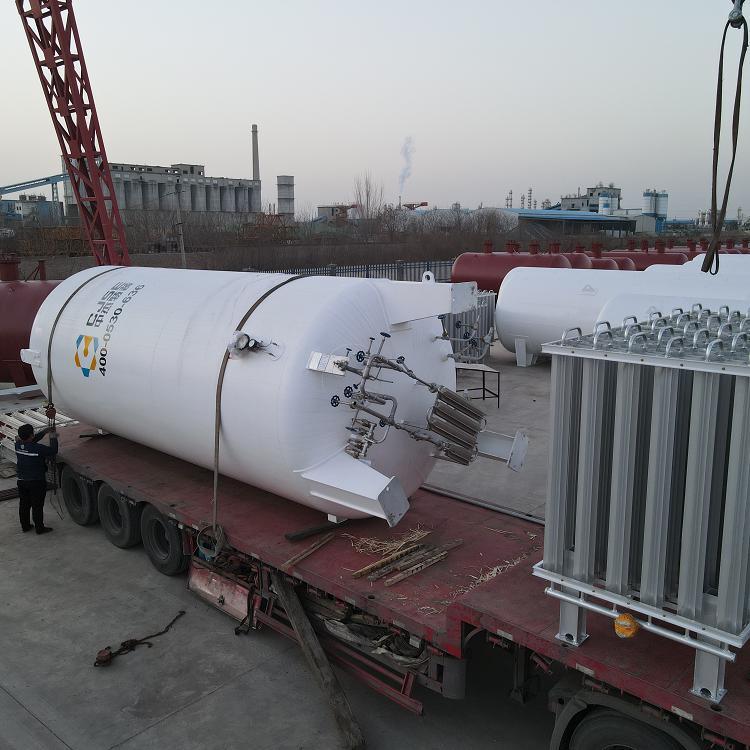
Liquid nitrogen cylinders are widely used in various industries, mainly including the following aspects:
Industry: Liquid nitrogen tanks are used for storage and supply of liquid nitrogen in the field, serving for low-temperature freezing preservation of biological samples, cells, tissues, and vaccines, etc. They are widely applied in biopharmaceutical research institutions, biobanks, and other organizations.
Experimental Research: Liquid nitrogen tanks are used in scientific research and laboratories to provide low-temperature environments, for cryopreservation and cryogenic experiments. Liquid nitrogen tanks play a crucial role in experimental research across various fields, including physics, chemistry, biology, and materials science.
Metalworking Industry: Liquid nitrogen tanks are used in the metalworking and welding industries for providing low-temperature cooling, used in processes such as metal cutting, welding, and heat treatment. Liquid nitrogen tanks can provide low temperatures, enabling metals to achieve the required hardness and toughness during processing.
Food Industry: Liquid nitrogen tanks are used in the food industry for freezing and refrigeration of food items such as frozen meats, frozen fruits, and frozen seafood. The low temperature of liquid nitrogen can quickly freeze the food, preserving its freshness and quality.
Semiconductor Industry: Liquid nitrogen tanks are used in semiconductor manufacturing and the electronics industry to provide low-temperature environments, for the freezing and preparation of semiconductor materials. The low temperature of liquid nitrogen can enhance the purity and performance of semiconductor materials.
The configuration of liquid nitrogen tanks typically includes the following aspects:
Vessel Structure: Liquid nitrogen tanks commonly feature a double or multi-layered design, filled with insulating material in the middle to minimize heat transfer and evaporation of the liquid nitrogen. The material used is typically stainless steel or aluminum alloy, offering excellent corrosion and low-temperature resistance.
Insulation Layer: The insulation layer of liquid nitrogen tanks commonly employs multi-layered insulating materials, such as polyethylene foam, glass fiber, and vacuum layers, to reduce heat transfer and evaporation of liquid nitrogen.
Temperature Control System: Liquid nitrogen tanks are typically equipped with a temperature control system to regulate the tank's temperature, ensuring the maintenance of the liquid's state.
Routine inspections and maintenance of liquid oxygen tanks are crucial for ensuring their safe operation. The following are general steps for the daily checks and maintenance of liquid oxygen tanks:
Visual Inspection: Regularly inspect the exterior of the tank, including the shell, welds, valves, and fasteners. Pay attention to any signs of cracks, corrosion, or deformation.
Leak Detection: Utilize appropriate leak detection equipment to inspect for leaks in storage tanks and connection points. Leak detection can be conducted using methods such as gas detectors or liquid oxygen detection agents.
Pressure Testing: Regularly conduct pressure tests to inspect the tank's sealing and pressure resistance. Perform pressure tests according to relevant standards and regulations, and record the test results.
Valve and fitting inspection: Verify that the tank's valves and fittings are operating properly and check for any loose or damaged conditions. Ensure the valves open and close smoothly and reliably.
Insulation Layer Inspection: Check for any damage or detachment in the tank's insulation layer. Repair or replace any damaged insulation materials to ensure effective insulation.
Cleaning and Drainage: Regularly clean the interior of the tank to remove accumulated impurities and dirt. Regularly drain to prevent contaminants and sediments in liquid oxygen from damaging the tank.
Safety Equipment Inspection: Check the safety equipment around the storage tank, such as fire separation zones and alarm systems, to ensure they are functioning properly.
Record and Document Management: Document the results of each inspection and maintenance, including the inspection date, contents, issues found, and corrective actions. Establish comprehensive management records and documents for tracking and managing the storage tank's operational status.
Note that inspections and maintenance of liquid oxygen tanks should be conducted by trained personnel and in accordance with relevant regulations and standards. Ensure safety during maintenance and operations, and consult experts for accurate guidance.
Zhongjie Special Equipment upholds the grand vision of "realizing employees' dreams, creating value for customers, and striving for the prosperity and strength of our motherland," and is dedicated to the development of the green energy equipment industry. We offer society high-quality products and services at competitive prices!
WeChat Official Account

Scan to follow Official Account



















