


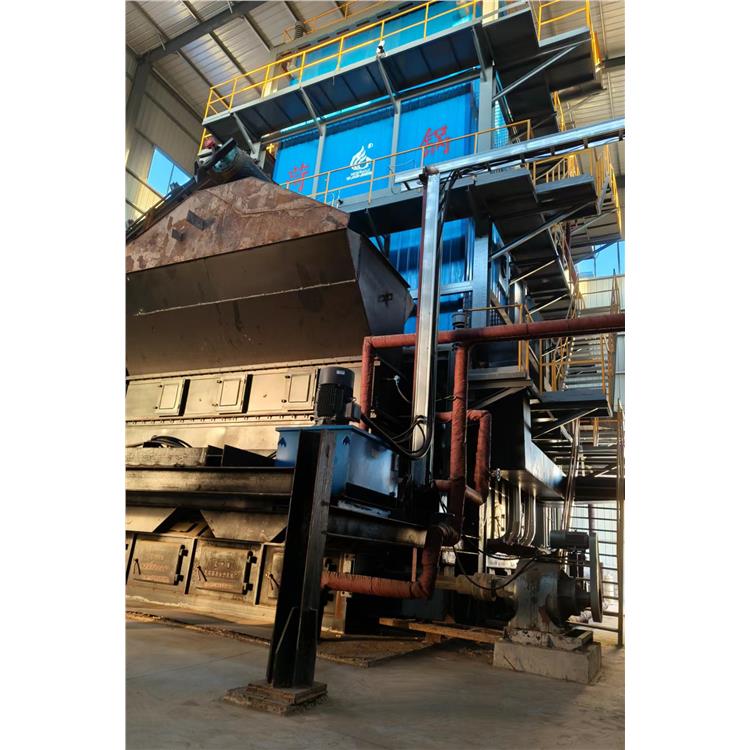

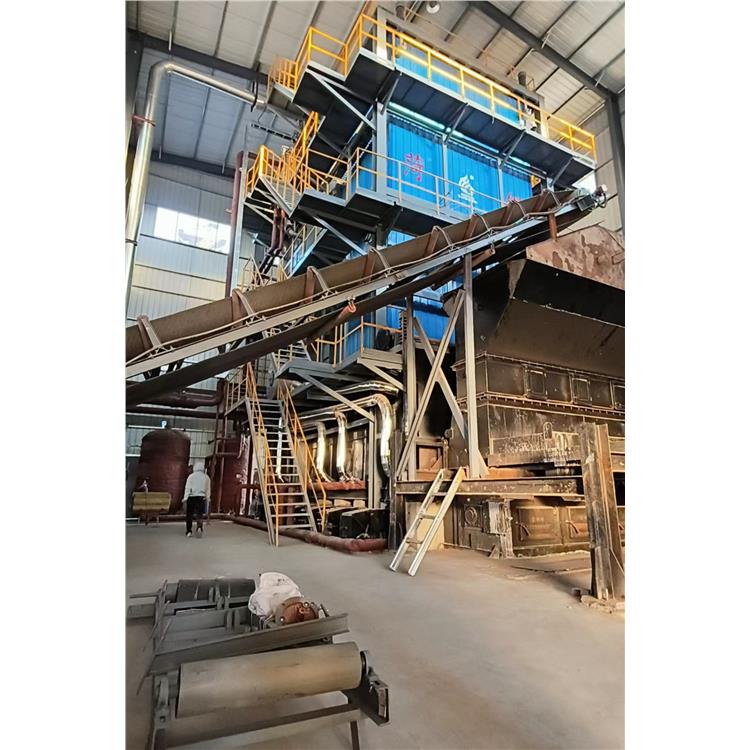


















Shandong Zhongjie Special Equipment (formerly Heze Boiler Factory Co., Ltd.) was established in 2001, located at No. 2218 Jinnan Road, Development Zone, Heze City, with a registered capital of 50 million yuan and total assets of 500 million yuan. The company has 7 business centers: boiler, deep-freeze containers, pressure vessels, central air conditioning, engineering installation, international trade, and Internet of Things. It has three manufacturing sites on Jinnan Road, East Yangtze Road, and Bohai Road, covering a total area of 200,000 square meters, with the main workshop spanning 83,000 square meters. It currently employs 710 staff, including 247 engineering technicians and 82 intermediate-level technicians. In December 2016, it was recognized as a "High-tech Enterprise" by the Science and Technology Department. In June 2021, it was identified as a "Specialized and New Enterprise of Shandong Province" by the Ministry of Industry and Information Technology. In June 2022, it was recognized as a "Gazelle Enterprise of Shandong Province" and in August 2022, it was identified as a "Specialized and New Small Giant Enterprise" by the Ministry of Industry and Information Technology.
To prevent rear combustion accidents in biomass boiler tail sections, the following operational measures can be taken:
Reasonably adjust combustion parameters: Ensure the stability and completeness of the combustion process, avoiding fuel accumulation and recombustion in the tail section. Reasonably control combustion temperature, air flow, and combustion time, maintaining a smooth and thorough combustion process.
Enhance mixing and air flow distribution within the furnace: By optimizing furnace structure and combustion system design, ensure thorough mixing of fuel and air, preventing fuel accumulation and re-burning at the rear section. Rationally design the air flow distribution inside the furnace to guarantee uniform combustion of the fuel.
Regularly clean the furnace chamber and flue: Regularly clean the ash and soot buildup inside the furnace chamber to maintain its cleanliness. Clean the flue and waste heat recovery equipment to prevent the accumulation of particulates and ash in the flue gases, reducing the risk of re-burning.
Install Flue Gas Recirculation Device: Install a flue gas recirculation device at the rear of the boiler to reignite the exhaust flue gas, enhancing combustion efficiency, and reducing the likelihood of secondary combustion at the rear.
Enhance operational monitoring and maintenance: Regularly monitor and maintain biomass boilers to promptly identify and address any anomalies. Monitor combustion parameters, flue gas emissions, and temperature to ensure the boiler operates normally.
Ensure comprehensive safety training and operational procedures: Conduct safety training for operators to enhance their understanding of biomass boiler operation and safety protocols.
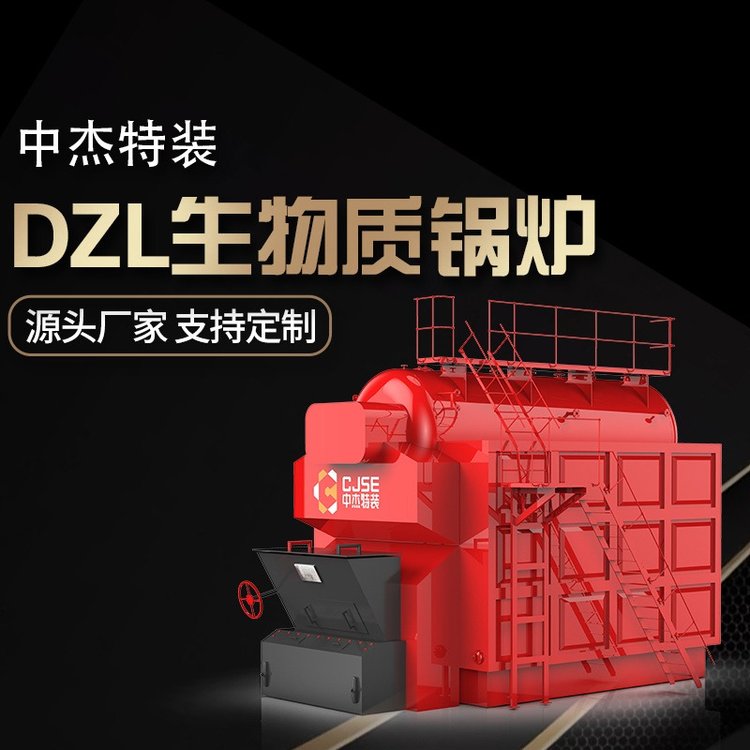
The DZL type quick assembly biomass boiler is a common model of biomass boiler, featuring the following characteristics:
Quick Installation: The DZL type quick-install biomass boiler features modular design, with the boiler body and equipment pre-assembled in the factory. On-site, only simple connection and adjustment are required, significantly reducing installation time and project duration.
High combustion efficiency: Utilizes a special combustion chamber design and combustion system, ensuring complete combustion of biomass fuel within the furnace, resulting in high thermal efficiency. Additionally, equipped with an economizer and flue gas recirculation unit to further enhance thermal efficiency.
Automatic Control: The DZL type quick-assembly biomass boiler is equipped with an automatic control system, which can control and monitor the combustion process. Through PLC controllers and touchscreens, fuel supply, air supply, and combustion temperature parameters can be adjusted to ensure the stable operation of the boiler.
Multiple Fuel Adaptability: The DZL type quick-assembly biomass boiler is suitable for various biomass fuels such as wood chips, straw, etc. Different fuels can be chosen according to actual conditions, enhancing the substitutability and flexibility of the fuel.
Environmental Protection and Energy Saving: The DZL type quick-assembly biomass boiler uses biomass fuel, resulting in relatively low emissions of waste gas and slag during combustion, and a low content of pollutants in the combustion emissions. The biomass fuel itself has the characteristics of low sulfur and low nitrogen, and the waste slag after combustion can be reused as organic fertilizer or biomass fuel, reducing environmental pollution.
Tightly Structured: DZL Type Quick-Assembly Biomass Boiler
The brief steps for biomass boiler kiln drying are as follows:
Prepare fuel: Select suitable biomass fuel such as wood chips, straw, etc., and carry out necessary pre-treatment like drying and crushing to enhance combustion efficiency.
Ignition: Place the fuel into the combustion chamber and ignite to start the combustion process. An igniter or other suitable tool can be used for ignition.
Control the combustion process: Adjust the oxygen supply and fuel feed during combustion as needed to control the combustion temperature and thermal energy output. This can be achieved by regulating the burner's switch, control panel, or an automatic control system.
Oven Operation: Place the items to be baked into the oven according to specific baking requirements and ensure even heating. Depending on the oven design and requirements, appropriate measures can be taken, such as adjusting the combustion chamber temperature and flue ventilation, to achieve the desired baking results.
Monitoring and Adjustment: During the furnace process, it is necessary to monitor the combustion state, heat output, and furnace effect. Adjust the combustion parameters and operating methods promptly based on actual conditions to ensure the stable operation of the furnace and achieve the desired furnace effect.
Shut down and clean: After the furnace operation is completed, stop the fuel supply and wait for the combustion chamber to cool down. Once the combustion chamber is fully cooled, perform the cleaning and maintenance of the furnace, removing the ash and soot produced during the combustion process.
Above are the brief steps for the biomass boiler drying kiln. The specific operational procedures and precautions should be followed according to the model of the boiler, drying kiln requirements, and the manufacturer's instructions. During the operation process,
The pressure-setting methods for biomass hot water boilers mainly include the following:
Natural Circulation Pressure Regulation: Natural circulation pressure regulation refers to the circulation of hot water to the heating system through natural convection within the boiler. Under the natural circulation pressure regulation method, there is a significant difference in height between the supply and return water pipes of the boiler, which achieves natural circulation through the density difference of the hot water. This method is suitable for small-scale biomass hot water boilers, characterized by simplicity and economy.
Forced Circulation Constant Pressure: This is achieved by a circulating pump that forces the hot water to circulate through the heating system. Under the forced circulation constant pressure method, the boiler provides adequate water pressure through the circulating pump, allowing the hot water to flow smoothly. This method is suitable for large biomass hot water boilers and features stability.
Micro-positive Pressure Constant Pressure: Micro-positive pressure constant pressure maintains a slight positive pressure in the boiler system, ensuring stable circulation of hot water. Under the micro-positive pressure constant pressure method, the pressure in the boiler system is slightly higher than atmospheric pressure, driving the circulation of hot water through the pressure difference. This method is suitable for situations requiring higher heating temperatures and greater distances for heating.
Above are the common methods of setting pressure for biomass hot water boilers. According to specific usage requirements and system design, the appropriate pressure setting method can be chosen to ensure the normal operation and heating effect of the hot water boiler.
Shandong Zhongjie Special Equipment, welcome clients for factory talks and cooperation.
WeChat Official Account

Scan to follow Official Account



















