


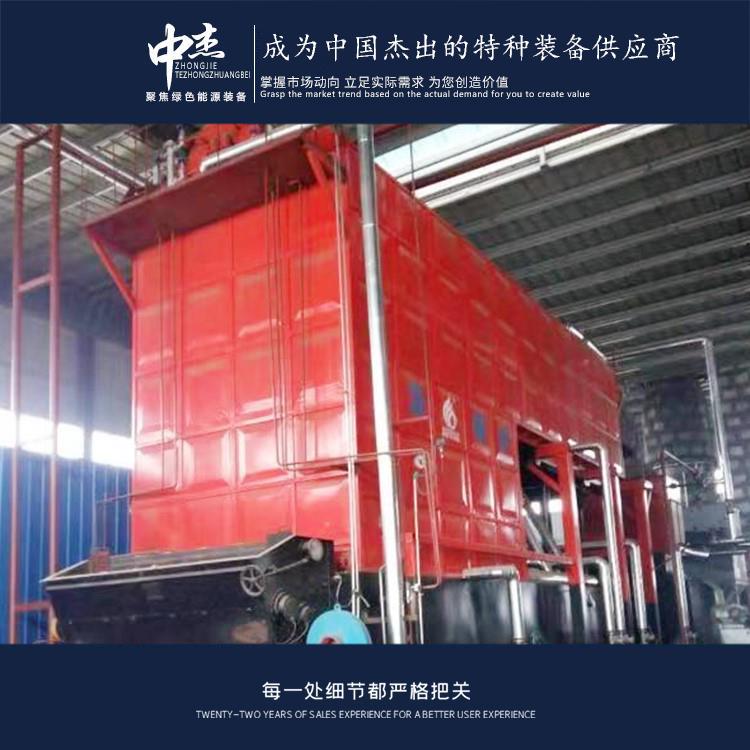

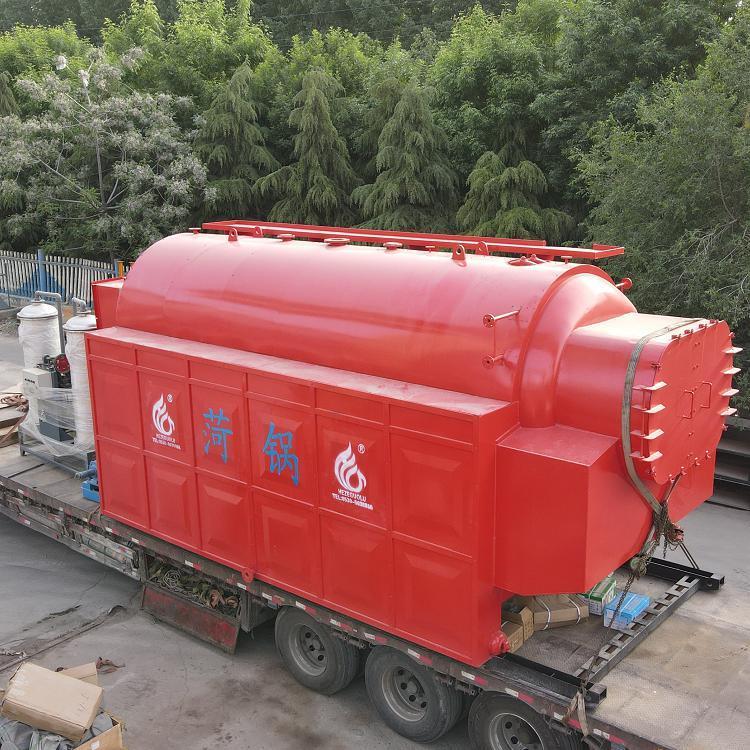
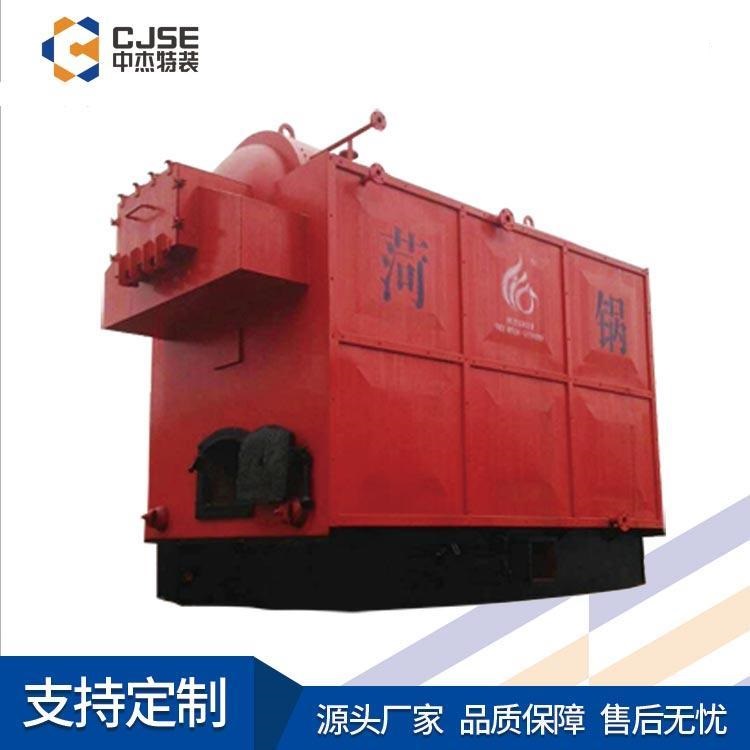


















Shandong Zhongjie Special Equipment (formerly Heze Boiler Factory Co., Ltd.) holds an A-grade boiler manufacturing license, an A2-grade pressure vessel manufacturing license, an A2-grade pressure vessel design license, a B-grade boiler installation license, and GB2/Class and GC2/Class pressure pipeline installation licenses, as well as a mechanical and electrical equipment installation contracting qualification. It is a member of the China Boiler and Water Treatment Association, the China Chemical Equipment Association, and the理事 unit of the Shandong Equipment Manufacturing Association. The company has also passed the ISO9001 Quality Management System, ISO14001 Environmental Management System, OHSAS18001 Occupational Health and Safety Management System certifications, and the ASME/U2 certification from the United States.
Slagging in biomass boilers refers to the solid residue formed from the ash and other impurities in the fuel during the combustion process at high temperatures. Slagging is a common issue in the operation of biomass boilers, which may affect the heat transfer and combustion efficiency of the boiler. The following is a brief discussion on slagging in biomass boilers:
Coke formation cause: The biomass fuel contains a high ash content, and the ash may include some sticky substances. These substances tend to melt and adhere to the boiler's heat exchange surface at high temperatures, leading to the formation of slag. Moreover, certain elements in the biomass fuel, such as calcium, can also promote the formation of slag.
slagging impact: Slagging obstructs heat transfer in boilers, reducing combustion efficiency and increasing energy consumption. It can also lead to increased boiler temperatures, accelerate the corrosion of metallic materials, and shorten the lifespan of the boiler.
Preventive and remedial measures: To prevent and handle the slagging problem in biomass boilers, the following measures can be taken:
Fuel Pretreatment: Pre-treat biomass fuel through processes such as drying, sieving, and decontamination to reduce ash content and salt in the fuel, thereby minimizing slagging risks.
Control combustion conditions: Reasonably control parameters such as the temperature, oxygen content, and combustion rate of biomass, to avoid excessive temperatures and oxygen levels, and reduce slag formation.
Cleaning and Maintenance: Regularly clean the boiler interior of accumulated dust and dirt to maintain cleanliness. During the cleaning process, use appropriate cleaning agents and tools to remove internal dirt, preventing slag formation.
A biomass boiler safety valve is a device used to ensure the safety of the boiler system. Its primary function is to automatically open and release excessive pressure when the internal pressure of the boiler exceeds the set value, preventing the boiler from exploding or causing other safety accidents.
Biomass boiler safety valves typically consist of the valve body, valve cover, spring, valve core, and seals. When the internal pressure of the boiler exceeds the set value, the spring is subjected to pressure, pushing the valve core upwards to allow pressure to be released through the valve body. Once the pressure drops below the set value, the spring re-closes the valve core, preventing further pressure release.
The set pressure of safety valves is typically determined by the design pressure of the boiler and the usage requirements. They should be selected and installed in accordance with relevant standards and specifications, and be checked and maintained regularly to ensure proper operation and reliability.
The presence of a biomass boiler safety valve effectively protects the safety of the boiler system, preventing hazardous situations caused by excessive pressure. It is one of the crucial safety devices in a biomass boiler system.
High evaporation rate in biomass pellet boiler fuel may lead to the following issues:
Incomplete combustion: High-volatile fuel releases a large amount of steam during combustion, which lowers the combustion temperature and affects the completeness of the burn. Incomplete combustion leads to energy loss and increased emissions, reducing the boiler's thermal efficiency and environmental performance.
Poor combustion stability: Fuels with high volatility can easily cause instability in the combustion process, potentially leading to issues such as flameout and uneven combustion. This can result in unstable boiler operation and affect the stability of hot water supply.
To address issues caused by high-evaporation fuel, the following measures can be taken:
Combustion System Optimization: Optimize the combustion system of biomass pellet boilers, encompassing aspects such as combustion chamber design, combustion air supply, and mixing. Enhance combustion completeness and stability through measures like increasing combustion temperature and oxygen supply.
Combustion Control: Utilizes a combustion control system that monitors and adjusts parameters such as temperature and oxygen content in real-time during the combustion process. Adjusts the supply of combustion air based on actual conditions to maintain stability and completeness of combustion.
Fuel Pretreatment: Pre-treat biomass pellet fuel with high volatilization content, such as drying and crushing. By reducing the moisture content and particle size of the fuel, the volatilization content is minimized, enhancing the combustion efficiency and stability.
Burn parameter adjustment: Adjust the boiler's burn parameters, such as burn temperature and time, based on actual conditions. Through reasonable parameter adjustments, make the combustion process more adaptable to the characteristics of high-evaporation fuel.
In summary, by optimizing the combustion system, adjusting control mechanisms, pre-treating fuel, and fine-tuning combustion parameters, issues related to high fuel evaporation in biomass pellet boiler fuel can be reduced, thereby enhancing the boiler's
Advantages of biomass fuel:
Renewable Energy: Biomass fuel is a renewable energy source with a wide range of origins, including wood, straw, and waste materials. Compared to fossil fuels, biomass fuel offers a more sustainable supply.
Eco-friendly & Low Carbon: The combustion of biomass fuel releases approximately the same amount of carbon dioxide as it absorbs during its growth, resulting in almost no net increase in CO2 emissions, which has a positive impact on mitigating climate change.
Reduce Waste Disposal: Biomass fuel can utilize agricultural straw, wood waste, and other waste materials, thereby reducing waste disposal and emission issues.
High energy utilization efficiency: Biomass fuel has a high calorific value and high combustion efficiency, which can be effectively converted into thermal or electrical energy, providing a reliable energy supply.
Use of biomass boilers:
Heating System: Biomass boilers can be used in heating systems such as heating, warm water, and steam supply, widely applied in residential areas, industrial factories, and commercial buildings.
Industrial Production: Biomass boilers provide thermal energy for industrial production, such as pulp and papermaking, food processing, and chemical industries, to meet the thermal energy requirements throughout the production process.
Power Generation System: Biomass boilers can be combined with steam turbine generator sets to convert the heat generated from combustion into electrical energy for power supply.
Hot Water Supply: Biomass boilers can be used for hot water supply, such as for swimming pools, hot springs, hotels, and other venues.
Agricultural Utilization: Biomass boilers can utilize agricultural waste such as crop straw to address energy issues in rural areas and provide the required thermal energy for agricultural production.
The use of biomass boilers is environmentally friendly, sustainable, and efficient, effectively utilizing biomass resources, reducing dependence on fossil fuels, lowering carbon emissions, and promoting sustainable development.
Our company attaches great importance to technological innovation and R&D design. We have one municipal-level enterprise technology center in Heze City, equipped with testing facilities for non-destructive testing, physical and chemical testing, welding testing, hydrostatic testing, etc. We have over 600 various instruments and equipment, including CNC machine tools, X-ray flaw detectors, digital ultrasonic flaw detectors, mechanical property testing machines, chemical analyzers, spectrometers, tensile testing machines, plasma welding machines, and more. The key products and technologies we have developed, such as welding for temperature and pressure vessels, emissions reduction in biomass boilers, and waste heat utilization, have successively been selected for multiple Shandong Provincial Department of Industry and Information Technology science and technology innovation projects, Shandong Provincial key projects, and Heze City innovative and excellent projects. We have accumulated a total of 27 authorized utility models, 16 authorized inventions, participated in drafting 2 standards, 2 industry standards, and registered 15 trademarks. The technical team of our company, in collaboration with Professor Yajiang Li of Shandong University, has developed deep cryogenic container processing technology using the international plasma arc + filler wire tungsten inert gas arc welding (PAW-GTAW) technology. After being appraised as a provincial-level scientific and technological achievement, our technology level has reached an international standard in the field of deep cryogenic container manufacturing. Choose Zhongjie Special Equipment, and let's create brilliance together!
WeChat Official Account

Scan to follow Official Account



















