


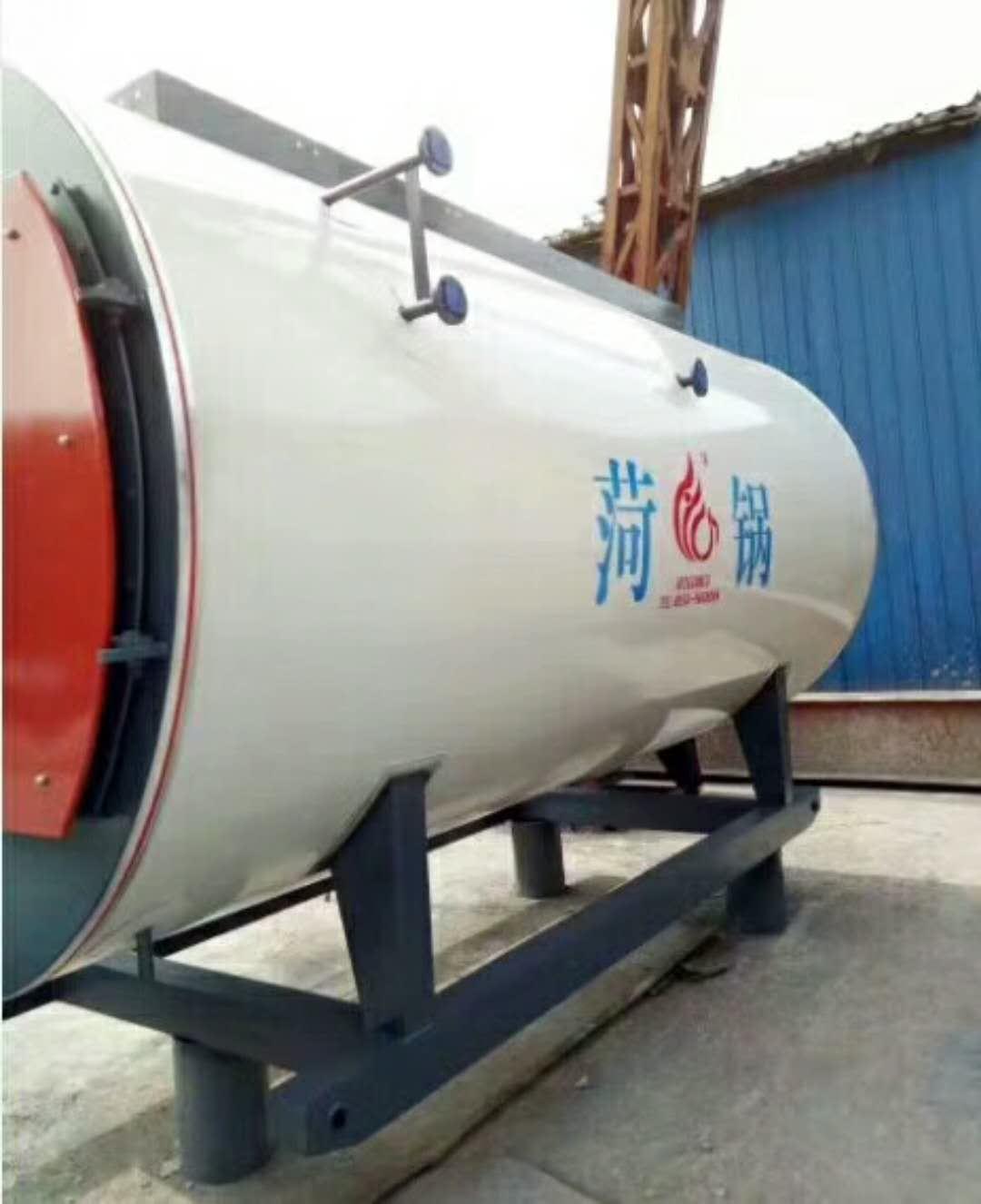

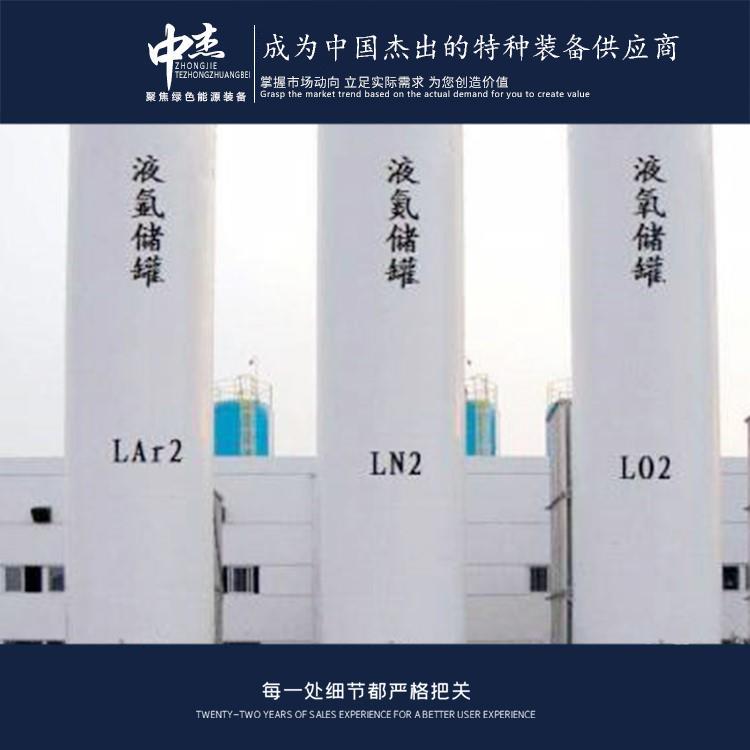


















Shandong Zhongjie Special Equipment's main products include: fuel (gas) boilers, organic heat carrier boilers, biomass boilers, waste heat recovery boilers, and other boiler products; vacuum insulation cryogenic pressure vessels such as LNG storage tanks, oxygen-nitrogenargon storage tanks, and CO2 storage tanks; pressure vessel products like denitrification engineering equipment, heat storage and energy storage equipment, and complete chemical equipment; as well as central air conditioning and ventilation equipment such as ground (water) source heat pumps, air source units, water-cooled screw units, and air-cooled modular units. Planned products include large-scale energy centers, LNG transport vehicles, LNG tank containers, and other green energy equipment.
Proper installation of the liquid oxygen tank safety valve is a crucial step in ensuring the safe operation of the tank. Here are the installation steps for the liquid oxygen tank safety valve:
Select the appropriate safety valve: Choose a safety valve that matches the design pressure and flow requirements of the liquid oxygen storage tank. Ensure the rated pressure and flow of the safety valve meet the tank's specifications and comply with relevant safety standards and regulations.
Valve Installation Location: Choose a suitable location to install the safety valve. Typically, the safety valve should be mounted on the top or side of the liquid oxygen storage tank to allow for timely pressure release in the event of overpressure.
Preparation for installation interfaces: Prepare the corresponding interfaces based on the connection method of the safety valve. This may include welding interfaces, threaded interfaces, or flange interfaces, etc. Ensure the tightness and firmness of the connections.
Install the safety valve: Mount the safety valve onto the prepared interface. Follow the installation instructions for the safety valve to ensure proper connection and tightness.
Adjustment and Testing: After installation, adjust and test according to the requirements of the safety valve. Ensure that the opening and closing pressures of the safety valve meet the design specifications, and conduct a leakage test to ensure its sealing.
Labeling and Documentation: Identify relevant information on the safety valve, such as rated pressure, flow rate, and installation date. Additionally, record the installation details and test results of the safety valve for future reference and maintenance.
When installing the liquid oxygen safety valve, strictly follow the relevant safety regulations and operation guidelines. If you lack the necessary experience and knowledge, it is recommended to seek assistance and guidance from experts to ensure the correct installation and reliable operation of the safety valve.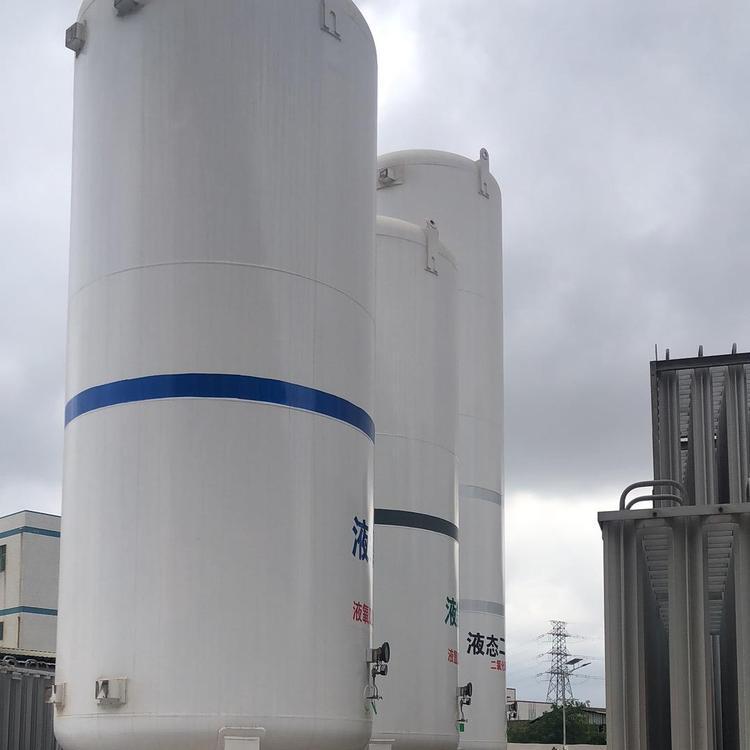
Routine inspection of liquid nitrogen tanks refers to the regular checks and maintenance of the tanks to ensure their safe operation and efficient use. Here is a common introduction to the routine inspection of liquid nitrogen tanks:
Visual Inspection: Regularly inspect the appearance of the storage tank, including the tank body, insulation layer, valves, and pipes, etc. Note any cracks, corrosion, wear, or other damage. Also, check that the insulation layer is intact with no damage or detachment.
Level Check: Regularly inspect the liquid nitrogen tank's level to ensure it remains within the normal range. This can be done using level gauges or level scales, among other equipment.
Pressure Check: Inspect the tank's pressure to ensure it's within the safe range. Devices such as pressure gauges or pressure sensors can be used for the check.
Leakage Inspection: Check for signs of liquid nitrogen leakage around the storage tank, such as vapor mist, frosting, or freezing. If leakage is detected, take immediate action to repair it.
Valve and Pipeline Inspection: Verify that the valves and pipelines of the storage tank are functioning properly without any leaks or blockages. Ensure the tightness and unobstructed flow of the valves and pipelines.
Safety Device Inspection: Examine the safety devices of the storage tank, such as pressure relief valves, temperature sensors, and level alarms, to ensure they are functioning properly.
Maintenance Records: Timely record the inspection results and maintenance records of the storage tank, including liquid level, pressure, insulation layer condition, leakage status, etc. These records help monitor the tank's operational status and identify issues promptly.
It's important to note that inspections of liquid nitrogen tanks should comply with relevant safety regulations and operational guidelines. Liquid nitrogen is highly flammable at low temperatures, so operators must wear appropriate personal protective equipment and ensure the operation area is free of any ignition sources. Regular inspections help identify issues promptly and allow for corrective measures, ensuring the safe and efficient operation of the tank.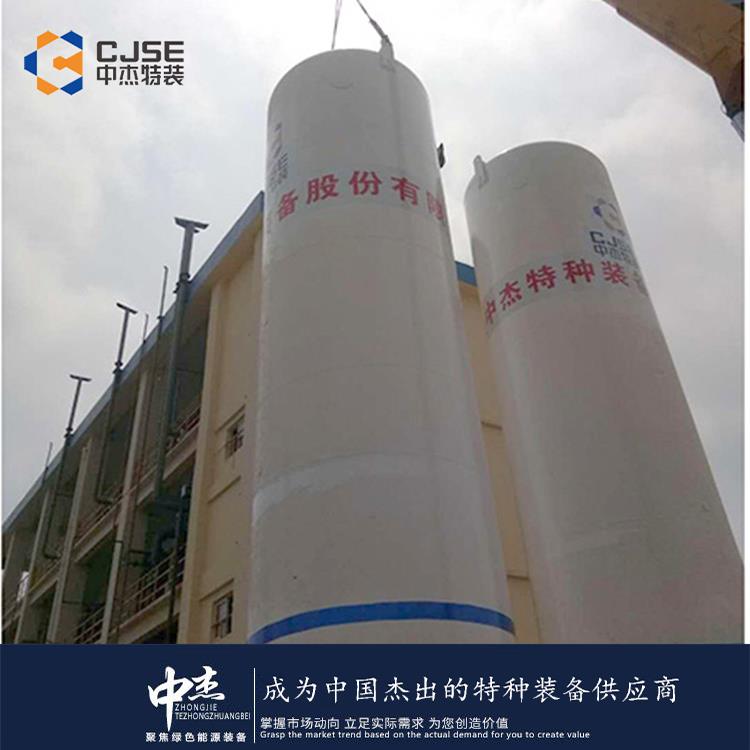
The materials used for liquid oxygen storage tanks typically require excellent low-temperature resistance and corrosion resistance. Common materials for constructing liquid oxygen storage tanks include:
Stainless Steel: A commonly used material for liquid oxygen storage tanks, stainless steel boasts excellent corrosion resistance and mechanical strength. Common stainless steel grades include 304 and 316.
Aluminum Alloy: Aluminum alloys are often used in the production of liquid oxygen tanks, featuring low density and excellent corrosion resistance. Common aluminum alloy materials include 5083 and 6061 aluminum alloys.
Fiberglass Reinforced Plastic (FRP): FRP is a composite material consisting of glass fibers and resin. It boasts excellent corrosion resistance and mechanical strength, making it suitable for liquid oxygen storage tanks in special environments.
Carbon Steel: Carbon steel is a common material for making tanks, known for its high strength and corrosion resistance. However, it is prone to oxidation in a liquid oxygen environment, so anti-corrosion measures are required.
It's important to note that the choice of materials for liquid oxygen tanks should be determined based on specific application requirements, working conditions, and safety standards. When selecting materials, consider the properties of liquid oxygen and the design requirements of the tank to ensure safety and reliability. Additionally, manufacturers and suppliers often provide material selection recommendations and technical support.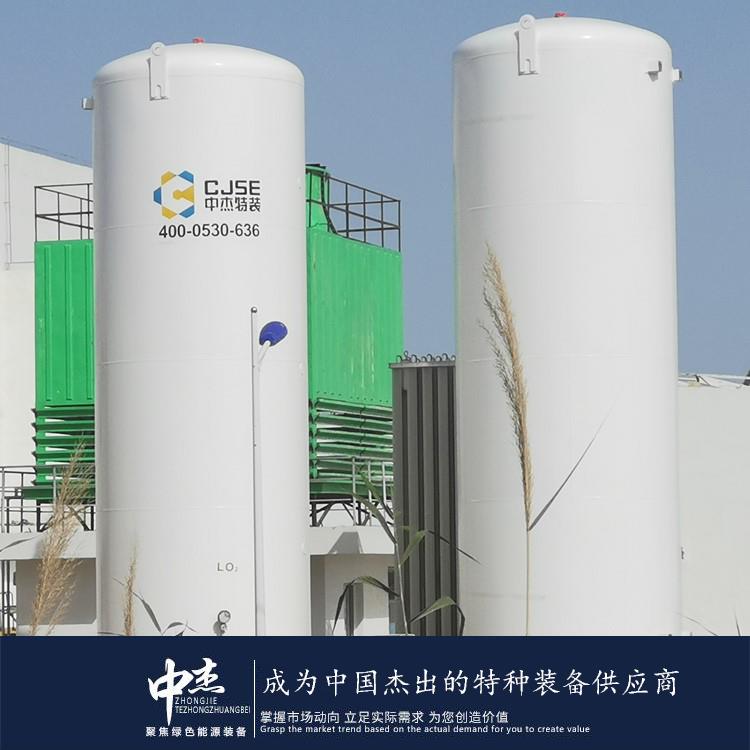
The process of oxygen supply using liquid oxygen storage tanks typically involves the following steps:
Liquid Oxygen Storage Tank Oxygen Supply System: Typically, a liquid oxygen storage tank oxygen supply system is installed, which includes a liquid oxygen storage tank, liquid oxygen transmission pipeline, and pressure regulating devices, etc. The liquid oxygen in the storage tank is transported through the pipeline to the pressure regulating device.
Pressure Regulating Device: The pressure regulating device is used to convert high-pressure liquid oxygen into the required low-pressure oxygen. It typically includes a pressure regulating valve, a reducer, and a flowmeter. The pressure regulating valve is used to control the pressure of the oxygen, the reducer is used to reduce the high-pressure liquid oxygen to the required low pressure, and the flowmeter is used to measure the flow rate of the oxygen.
Oxygen Transmission Pipeline: Low-pressure oxygen released from the pressure-regulating unit is transported through the pipeline to areas requiring oxygen supply, such as patient rooms and operating theaters. The transmission pipeline is typically made of stainless steel or plastic, offering excellent airtightness and corrosion resistance.
Oxygen Interface: Install oxygen interfaces at locations requiring oxygen supply, such as hospital beds or operating tables. Oxygen interfaces typically include an oxygen flow regulator and oxygen connectors, used to adjust oxygen flow and connect oxygen masks or tubes.
Oxygen supply and regulation: Control the pressure and flow of oxygen by adjusting the pressure valve of the pressure regulator. Adjust the flow and concentration of oxygen according to the patient's needs, ensuring they receive an adequate oxygen supply.
Note that when using liquid oxygen storage tanks for pressure regulation and oxygen supply, it is essential to adhere to the relevant equipment operation and safety procedures. Operators must have the necessary training and skills to ensure the normal and safe operation of the oxygen supply system. Additionally, regular inspections and maintenance of the system's equipment and pipelines are required to ensure their proper functioning and safety.
Our company attaches great importance to technological innovation and R&D design. We possess one municipal-level enterprise technology center in Heze City, equipped with testing facilities for non-destructive testing, physical and chemical testing, welding testing, hydrostatic testing, and more. We have over 600 pieces of equipment, including CNC machine tools, X-ray flaw detectors, digital ultrasonic flaw detectors, mechanical property testing machines, chemical analyzers, spectrometers, tensile testing machines, plasma welding machines, and more. The key products we have developed, such as welding technology for temperature and pressure vessels, emissions reduction for biomass boilers, and waste heat utilization, have successively been selected for multiple Shandong Provincial Department of Industry and Information Technology scientific and technological innovation projects, key projects in Shandong Province, and Heze City innovation and excellence projects. We have cumulatively obtained 27 authorized utility model patents, 16 authorized invention patents, participated in drafting 2 standards, 2 industry standards, and registered 15 trademarks. The technical team of our company, in collaboration with Professor Yajiang Li of Shandong University, has developed deep cryogenic container processing technology using the international plasma arc + filler wire tungsten inert gas arc welding (PAW-GTAW) technology. This technology has been appraised as reaching international standards in the field of deep cryogenic container manufacturing at the provincial level. Choose Zhongjie Special Equipment, and let's create brilliance together!
WeChat Official Account

Scan to follow Official Account



















