



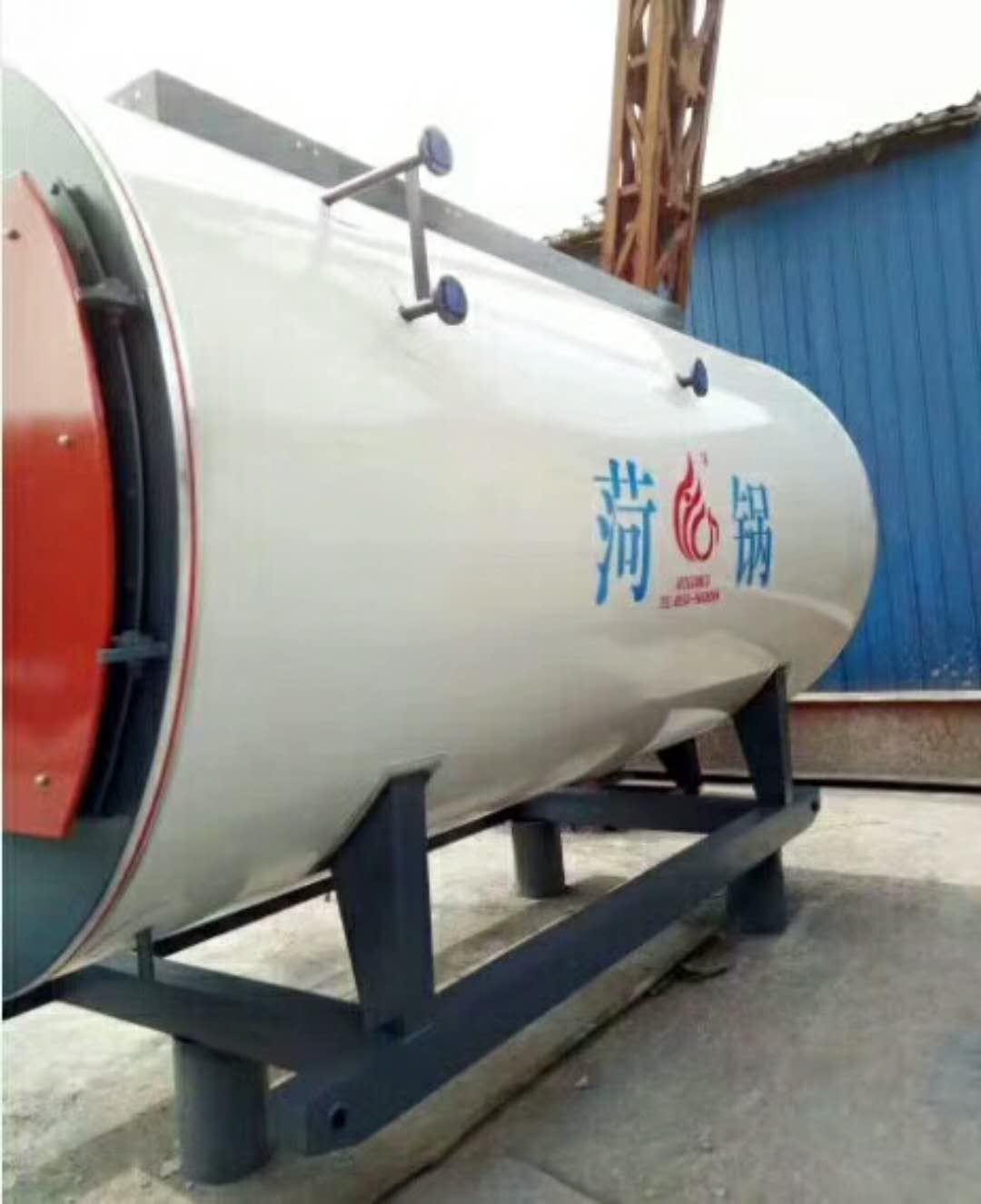
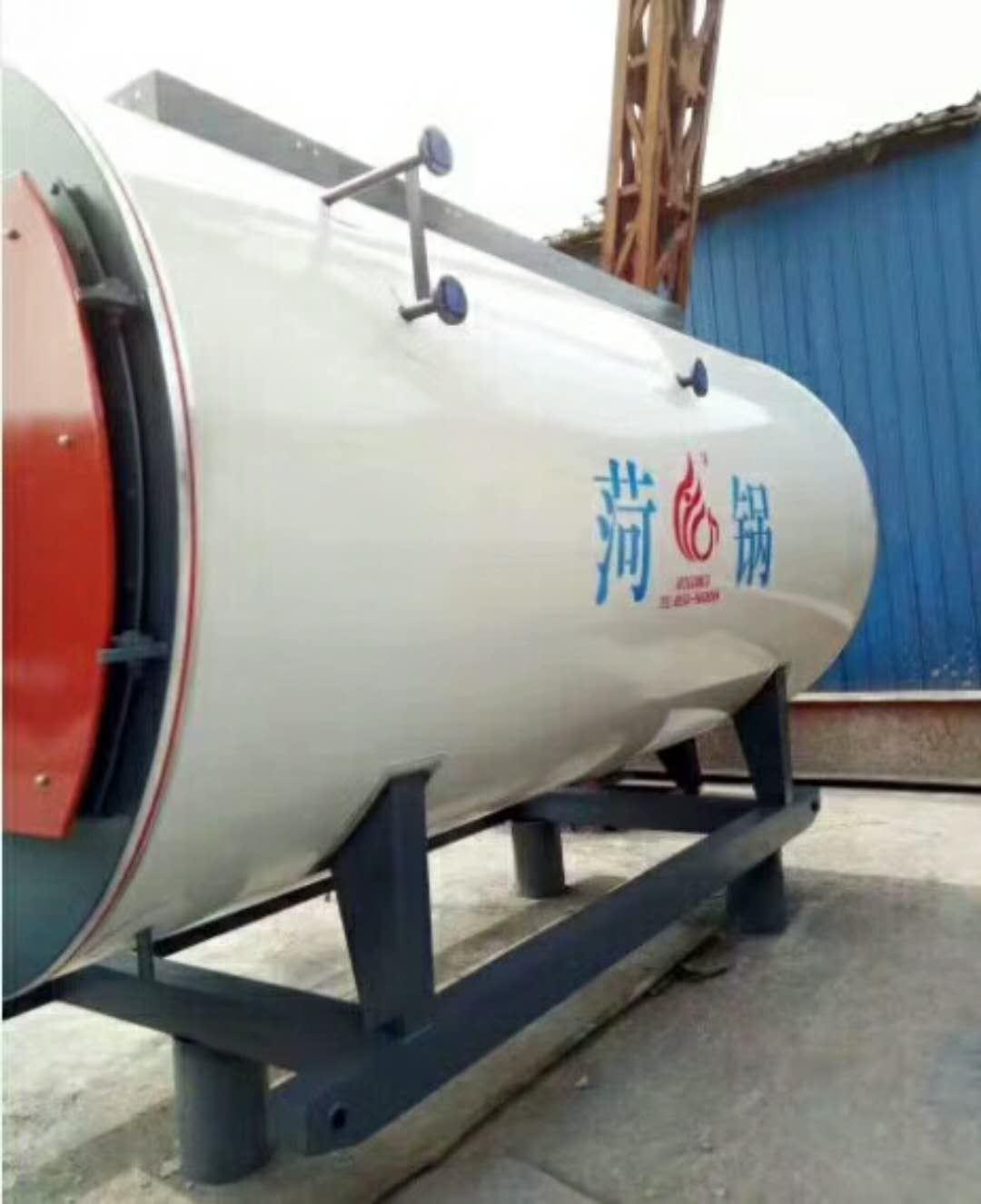


















Shandong Zhongjie Special Equipment (formerly Heze Boiler Factory Co., Ltd.) was established in 2001, located at No. 2218 Jinan Road, Economic and Technological Development Zone, Heze City. With a registered capital of 50 million yuan and total assets of 500 million yuan, the company has 7 business centers: boiler, deep-freeze containers, pressure vessels, central air conditioning, engineering installation, international trade, and Internet of Things. It has three manufacturing sites on Jinan Road, East Yangtze Road, and Bohai Road, covering a total of 200,000 square meters. The main workshop spans 83,000 square meters. Currently, it employs 710 staff, including 247 engineers and technicians, and 82 middle-level technicians. It was recognized as a "High-tech Enterprise" by the Science and Technology Department in December 2016, named a "Shandong Specialized and New Enterprise" by the Ministry of Industry and Information Technology in June 2021, identified as a "Shandong羚羊企业" in June 2022, and as a "Specialized and New Small Giant Enterprise" by the Ministry of Industry and Information Technology in August 2022.
Carbon dioxide serves several key applications in carbonated beverages:
1. Creating bubbles and texture: Carbon dioxide is the key ingredient responsible for the carbonation and effervescence in carbonated drinks. When dissolved in the beverage, it forms bicarbonate ions, resulting in a foamy and bubbly texture. This texture and taste give carbonated drinks their distinctive flavor.
2. Adjusting pH levels: Carbon dioxide reacts with water to form carbonic acid, which helps regulate the pH levels of carbonated drinks. By controlling the amount of carbon dioxide dissolved, the acidity of the beverage can be adjusted to achieve a desirable taste and mouthfeel.
3. Providing a refreshing sensation: The carbon dioxide bubbles in carbonated drinks can create a refreshing feeling. When consumed, the bubbles stimulate the taste buds on the tongue, producing a cool and tingling sensation, enhancing the drink's taste and mouthfeel.
4. Extending shelf life: Carbon dioxide in carbonated drinks plays a role in preservation. Due to its acidity and properties, it can inhibit the growth of microorganisms, extending the shelf life of carbonated beverages.
It is important to note that excessive consumption of carbonated drinks may have negative health effects, such as tooth erosion and osteoporosis. Therefore, moderate consumption is crucial.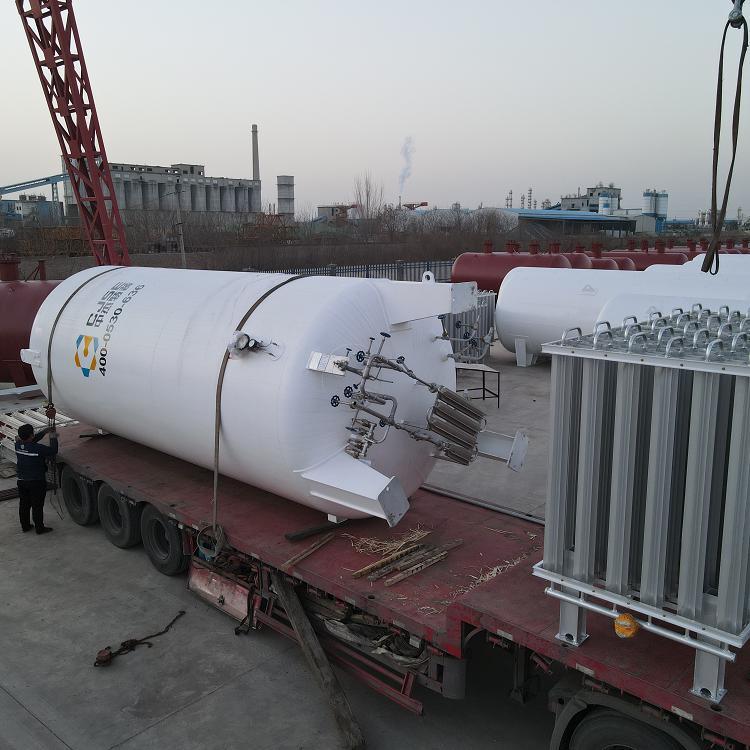
In recent years, the peak development of low-temperature liquid storage tanks can be attributed to the following factors:
1. Increased energy demand: With economic growth and population expansion, the demand for energy has surged. Low-temperature liquid storage tanks are primarily used for storing liquid gases (LNG), liquid oxygen (LOX), liquid nitrogen (LIN), and other low-temperature liquid energy sources to meet the growing energy needs.
2. Greenhouse gas emissions reduction: These tanks can store and transport liquid carbon dioxide (CO2), utilized in carbon capture and storage (CCS) technology to reduce greenhouse gas emissions. As awareness of environmental protection and climate change grows, the demand for low-temperature liquid storage tanks in the CCS field has also increased accordingly.
3. Industrial development needs: The application of low-temperature liquid storage tanks in the industrial sector is also on the rise. For instance, in industries such as chemicals, pharmaceuticals, food and beverages, there is a need to store and transport low-temperature liquid raw materials or products, such as liquid nitrogen, liquid oxygen, and liquid ethylene. With the development of these industries, the demand for low-temperature liquid storage tanks has also increased correspondingly.
4. Technological advancement and innovation: In recent years, there have been continuous advancements and innovations in the design, manufacturing, and transportation of low-temperature liquid storage tanks. The application of new materials, optimization of tank structures, and improvements in safety control systems have made these tanks safer and more reliable, further propelling their peak development.
In summary, factors such as increased energy demand, greenhouse gas emissions reduction, industrial development needs, and technological advancement and innovation have collectively driven the peak development of low-temperature liquid storage tanks in recent years. As related industries continue to develop and technology progresses, these factors are expected to persist.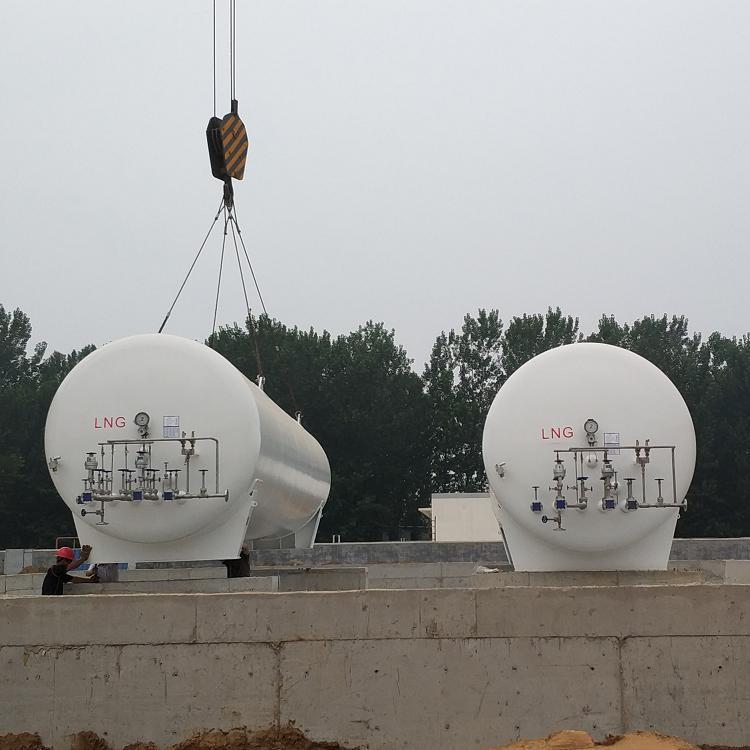
During routine inspections of carbon dioxide storage tanks, follow these steps:
- **Visual Inspection**: Check for any visible damage, corrosion, or oil leakage on the tank's exterior. Pay attention to the tank shell, valves, and pipeline connections for any abnormalities.
- **Valve and Pipeline Check**: Inspect the tank's inlet and outlet valves and pipeline connections for proper functioning, leaks, or loose fittings. Ensure valves operate smoothly and reliably.
- **Pressure Relief Device Check**: Verify that the tank's pressure relief devices (such as safety valves) are functioning correctly. Confirm that the set pressure of the relief devices meets requirements.
- **Level Measurement System Check**: Assess the accuracy and reliability of the level measurement system. Calibrate the level sensors to ensure accurate level measurements.
- **Pressure and Temperature Check**: Confirm that the tank's pressure and temperature sensors are operating correctly. Verify the accuracy of pressure and temperature measurements.
- **Safety Equipment Check**: Inspect the tank's safety equipment, such as safety valves, pressure sensors, and temperature sensors, for proper operation. Confirm that their set parameters meet requirements.
- **Fire Protection Equipment Check**: Ensure that fire protection equipment around the tank is in good condition and that extinguishers, sprinkler systems, etc., are functioning properly.
- **Liquid and Gas Quality Check**: Confirm that the liquid and gas carbon dioxide in the tank meets quality requirements, with no impurities or contaminants.
- **Documentation and Reporting**: Record the date of inspection, the inspection content, identified issues, and measures taken. Submit inspection reports to relevant departments or management as needed.
- The above steps are general guidelines for daily inspections of carbon dioxide storage tanks. Specific procedures should be adapted to the tank's characteristics and requirements. Inspections should be conducted according to safety operating procedures and by trained personnel.
Carbon dioxide storage tanks offer the following features and advantages:
- High Storage Density: These tanks can compress carbon dioxide gas into a liquid state, significantly increasing storage density. Compared to storing in gas form, liquid carbon dioxide can store more CO2 in a smaller tank, saving space and costs.
- Multiple Application Areas: Carbon dioxide storage tanks are widely used in various fields, including the food and beverage industry, manufacturing, fire suppression, and gas supply. CO2 can be used as a preservative, beverage carbonating agent, gas, and fire extinguisher, with broad applications and market demand.
- Environmental and Renewable: Carbon dioxide is an environmentally friendly gas, and its increased concentration in the atmosphere contributes to warming and climate change. By storing and utilizing CO2, we can reduce its emissions into the atmosphere, promoting environmental protection and sustainable development.
- Safe and Reliable: During design and manufacturing, carbon dioxide storage tanks typically use high-strength materials (such as carbon steel or stainless steel) with good pressure resistance and safety. The tanks are usually equipped with safety valves, pressure gauges, level indicators, and other accessories to ensure safe operation. Additionally, CO2 is a non-flammable and non-explosive gas, making it relatively safe.
- Supply: These tanks provide a stable supply of carbon dioxide. Through tank design and control systems, precise measurement and supply of CO2 can be achieved, meeting the needs of various industries and applications.
In summary, carbon dioxide storage tanks offer high storage density, multiple application areas, environmental friendliness, renewable resources, safety, reliability, and supply. This makes them an important storage and supply equipment, widely used in various industries. However, it is still necessary to follow relevant safety operating regulations when using carbon dioxide storage tanks.
Zhejiang Zhongjie Special Equipment upholds the great vision of "realizing employees' dreams, creating customer value, and striving for the prosperity and strength of our motherland," wholeheartedly committed to the development of green energy equipment. We dedicate high-quality products and services with competitive pricing to society!
WeChat Official Account

Scan to follow Official Account



















