



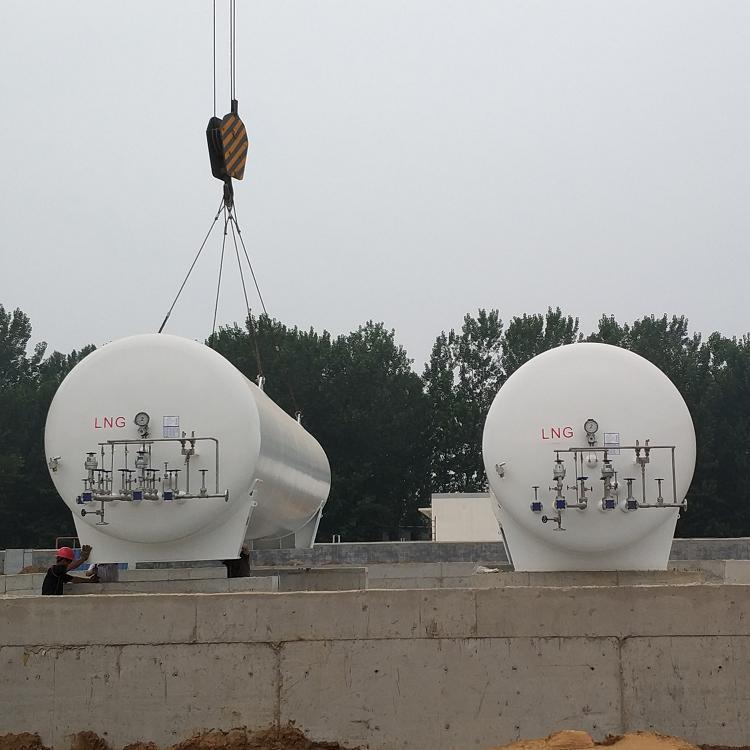
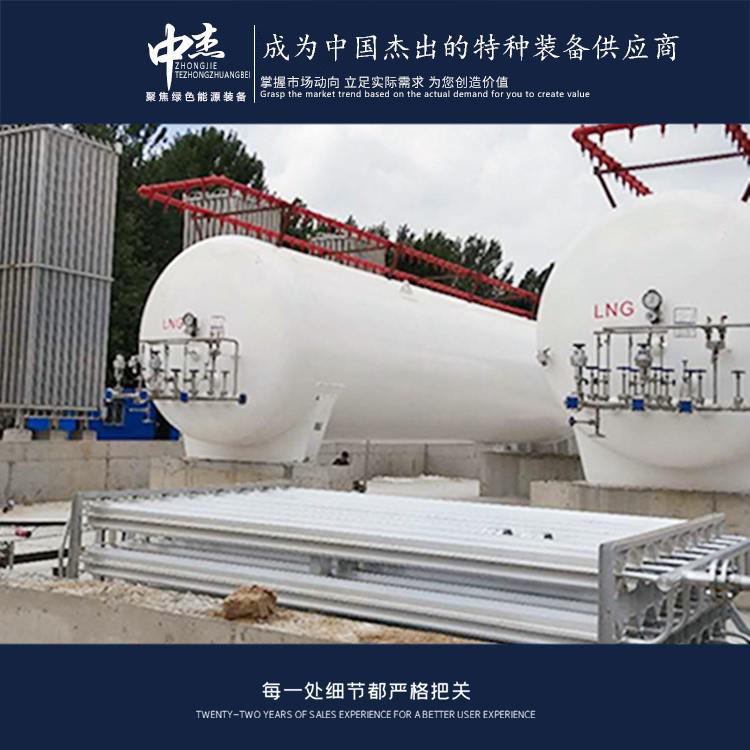


















Shandong Zhongjie Special Equipment (formerly Heze Boiler Factory Co., Ltd.) holds an A-grade boiler manufacturing license, an A2-grade pressure vessel manufacturing license, an A2-grade pressure vessel design license, a B-grade boiler installation license, and GB2/Class, GC2/Class pressure pipeline installation licenses, as well as a qualification for electromechanical equipment installation contracts. It is a member of the China Boiler and Water Treatment Association, the China Chemical Equipment Association, and the Council Member of the Shandong Equipment Manufacturing Association. The company has also passed certifications for the ISO9001 Quality Management System, ISO14001 Environmental Management System, OHSAS18001 Occupational Health and Safety Management System, and the American ASME/U2 certification.
In the welding process of low-temperature liquid storage tanks, controlling the occurrence of welding cracks is crucial. The following are some methods and measures for controlling welding cracks:
Appropriate Welding Techniques: Select the appropriate welding process and parameters to minimize welding heat input and thermal stress. Methods such as pulsed welding and laser welding, which have low heat input, can reduce the temperature gradient and residual stress in the heat-affected zone of welding.
Preheating and Post-heating Treatment: Perform appropriate preheating before welding to enhance material toughness and reduce thermal stress. Conduct suitable post-heating treatment, such as annealing or stress-relief heat treatment, after welding to minimize residual stress and improve the toughness of the weld.
Select appropriate welding materials: Choose welding materials with good toughness and crack resistance to minimize the occurrence of welding cracks. Select the appropriate welding materials based on the storage tank's operating conditions and requirements, such as low-alloy steel, stainless steel, etc.
Control Welding Process: Regulate parameters and operations during the welding process to minimize the risk of welding cracks. Pay attention to factors such as welding speed, current, voltage, and welding sequence to avoid overheating or rapid welding, reducing the accumulation of thermal and residual stresses.
Non-destructive Inspection and Evaluation: After welding, perform non-destructive testing on the weld seams, such as ultrasonic testing and X-ray testing, to assess the quality of the weld and the presence of cracks. Detect and repair weld cracks promptly to ensure the integrity and safety of the weld joints.
It's important to note that controlling welding cracks is a complex process, requiring a comprehensive consideration of factors such as materials, welding techniques, and operations. When welding low-temperature liquid storage tanks, it is recommended to consult a welding engineer or a relevant institution for guidance to ensure welding quality and the safety of the tank.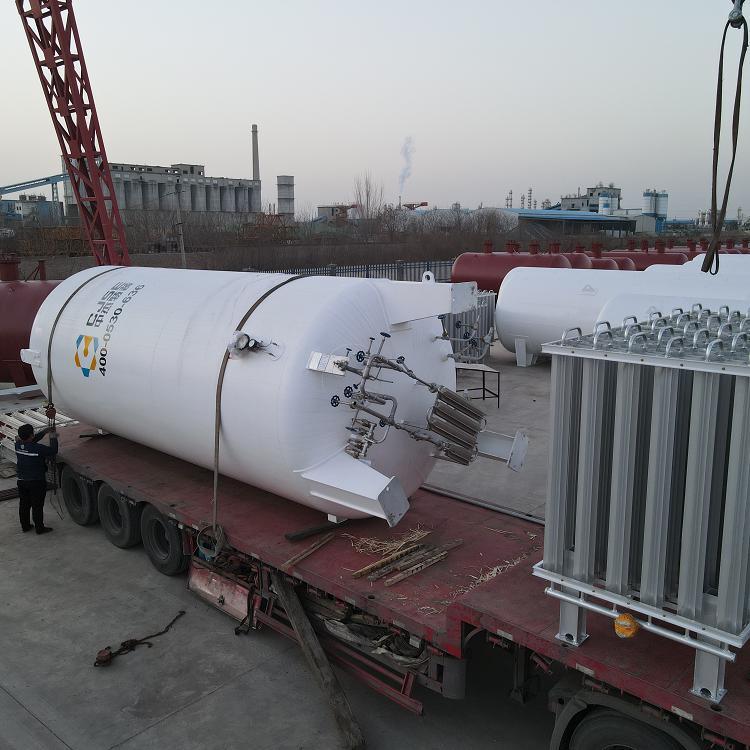
Liquid Argon Storage Tanks are equipment used for storing and transporting liquid argon. Their application scope and characteristics are as follows:
Application Scope:
Industrial Applications: Liquid Argon Storage Tanks are widely used in various industrial sectors, such as metal processing, electronic manufacturing, semiconductor production, and more.
Applications: Liquid argon tanks are used in the field for cryogenic preservation of biological samples, cells, tissues, and vaccines, etc.
Lab Applications: Liquid argon tanks are used in scientific research labs for low-temperature experiments, cryogenic preservation, and sample processing, etc.
Features:
Low-temperature Performance: Liquid argon has a boiling point of -185.7°C, thus the liquid argon storage tank must have excellent low-temperature insulation properties to maintain the低温 state of liquid argon.
High-sealed: Liquid argon storage tanks must have good sealing performance to prevent evaporation loss of liquid argon and the entry of external air.
Safety: Liquid argon is a flammable and explosive substance, thus the liquid argon storage tank must be equipped with safety valves, leak detectors, and other safety devices to ensure the safe operation of the tank.
High Capacity: The capacity of liquid argon storage tanks ranges from a few liters to several thousand liters, allowing for selection of an appropriate capacity based on requirements.
Cautionary Notes:
Protective gear: When handling liquid argon storage tanks, appropriate protective gear must be worn, including gloves, protective suits, and non-slip shoes, to safeguard against the low temperature of liquid argon and other hazards.
Ventilation Requirements: Please specify
Liquid oxygen storage tanks feature the following safety technical characteristics:
High-pressure Vessels: Liquid Oxygen Storage Tanks are high-pressure vessels capable of withstanding high pressures. Their design and manufacturing must comply with relevant standards and specifications to ensure the tank's strength and seal integrity.
Low Temperature Storage: Liquid oxygen tanks are used for storing liquid oxygen, with operating temperatures typically around -183 degrees Celsius. The materials and insulation of the tank must be able to withstand low-temperature environments, preventing the evaporation of liquid oxygen and the infiltration of external heat.
Fire-resistant Design: Liquid oxygen contains a high concentration of oxygen, which is prone to causing fires. The design of liquid oxygen storage tanks must incorporate fire-resistant measures, such as the installation of fire walls and the use of fire-resistant coatings, to prevent the occurrence and spread of fires.
Leak Control: Leaks in liquid oxygen storage tanks can lead to increased oxygen concentrations, heightening the risk of fire and explosion. Tanks must be equipped with leak detection and alarm systems to promptly identify and control leaks, and to take appropriate emergency measures.
Static Protection: Electrostatic buildup in liquid oxygen tanks may cause sparks, increasing the risk of fire. Tanks must be equipped with static-conductive materials and anti-static devices to reduce the accumulation and release of static electricity.
Safety valve and pressure control: Liquid oxygen tanks must be equipped with safety valves and pressure control devices to ensure the internal pressure of the tank remains within a safe range. When the pressure exceeds the set value, the safety valve will automatically release the pressure, protecting the tank from danger.
Regular inspections and maintenance: Liquid oxygen tanks require regular inspections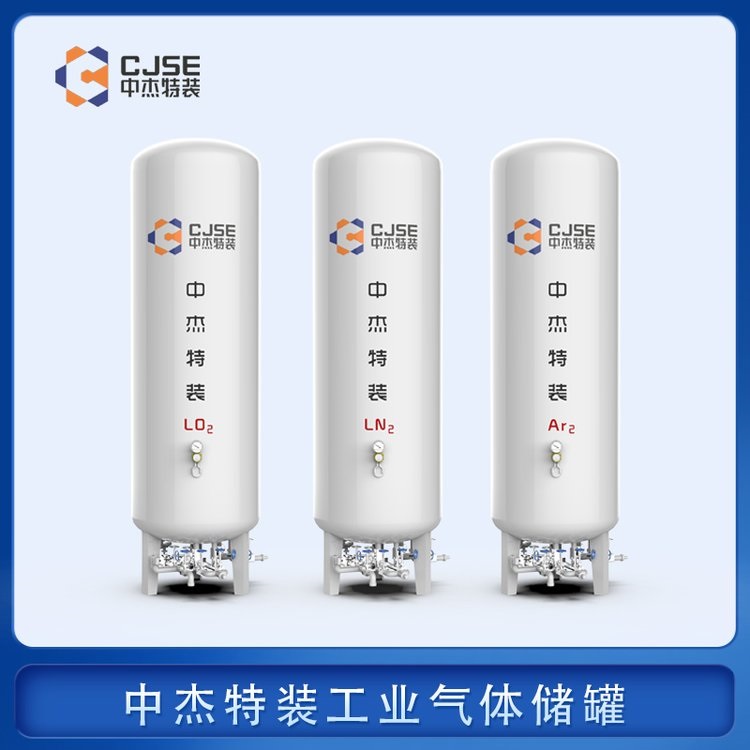
Liquid oxygen storage tanks may deform during use. The following are common deformation defects in liquid oxygen storage tanks:
Elastic deformation: Liquid oxygen tanks may experience elastic deformation when subjected to external pressure or temperature changes. This deformation is typically reversible, meaning the tank will return to its original shape once the external pressure is removed or the temperature returns to normal.
Plastic Deformation: When a liquid oxygen tank is subjected to significant external force or pressure, it may experience plastic deformation. This deformation is irreversible, and the tank cannot return to its original shape. Plastic deformation can cause changes in the tank's shape, such as dents or warping.
Hot Deformation: Liquid oxygen storage tanks may experience hot deformation when subjected to high temperatures or temperature changes. Hot deformation can cause the tank to change shape, expand, or contract.
Cold Deformation: Liquid oxygen tanks may experience cold deformation when subjected to low temperatures or temperature changes. Cold deformation can cause the tank to change shape, shrink, or crack.
These deformation defects may affect the structural integrity and safety of liquid oxygen storage tanks. Therefore, it is important to regularly inspect and assess the deformation of liquid oxygen storage tanks to ensure their normal operation and safe use. If deformation defects are found in the tanks, prompt repair or replacement measures should be taken to avoid further damage and safety risks.
ZJ Special Equipment adheres to the great vision of "realizing employees' dreams, creating customer value, and striving for the prosperity and strength of our motherland," focusing on the development of green energy equipment industry, and devoting high-value products and services to society!
WeChat Official Account

Scan to follow Official Account



















