



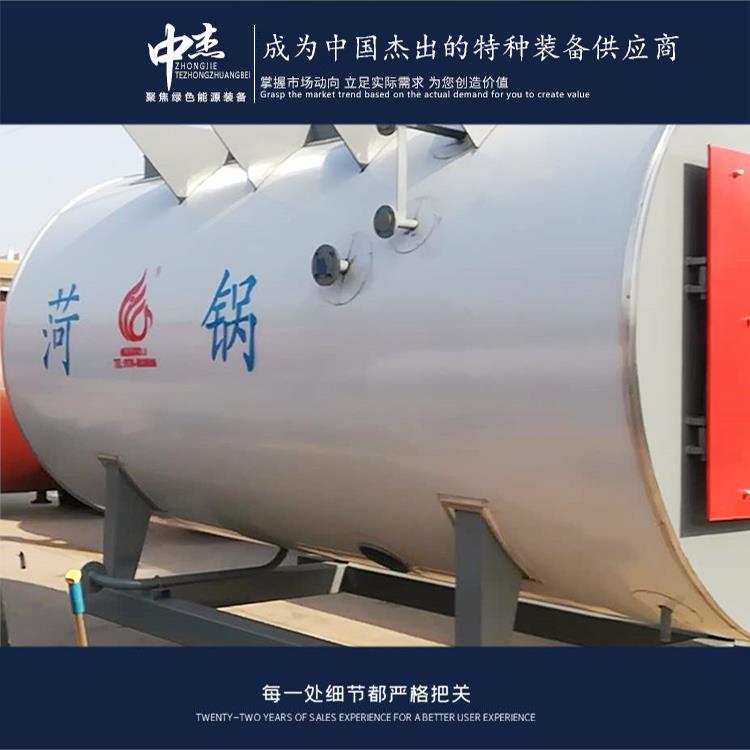


















Shandong Zhongjie Special Equipment (formerly Heze Boiler Factory Co., Ltd.) holds an A-grade boiler manufacturing license, an A2-grade pressure vessel manufacturing license, an A2-grade pressure vessel design license, B-grade boiler installation and GB2, GC2 class pressure pipeline installation licenses, as well as equipment and mechanical installation contracting qualifications. It is a member of the China Boiler and Water Treatment Association, the China Chemical Equipment Association, and the council member of the Shandong Equipment Manufacturing Association, and has passed certifications for the ISO9001 Quality Management System, ISO14001 Environmental Management System, OHSAS18001 Occupational Health and Safety Management System, and the American ASME/U2 certification.
The inspection of heat-conducting oil boiler tube plates is to ensure the safe operation of the boiler and prevent potential issues. Here are the general steps for inspecting heat-conducting oil boiler tube plates:
- Visual Inspection: Conduct a visual examination to check for any obvious corrosion, cracks, deformation, or other anomalies on the surface of the tube plate. Pay special attention to checking for cracks or leaks at the welds and joints.
- Clean the Tube Plate: Clean the surface of the tube plate thoroughly to remove dirt and deposits for proper inspection.
- Ultrasonic Testing: Use an ultrasonic testing device to inspect the tube plate to detect any possible cracks or other defects. Ultrasonic testing helps determine the integrity and reliability of the tube plate.
- Pressure Test: Perform a pressure test to verify the sealing and pressure resistance of the tube plate. Gradually increase the pressure during the test, observe for any leakage, and ensure the tube plate can withstand the designed pressure.
- Tube Plate Thickness Measurement: Use an ultrasonic thickness gauge to measure the thickness of the tube plate to ensure it meets design requirements. Pay particular attention to the corrosion condition of the tube plate, ensuring it remains within safe limits.
- Weld Inspection: Inspect the welds on the tube plate to ensure the quality of the welds meets relevant standards and specifications. Check for the integrity of the welds, the quality of the weld, and whether the welding process meets requirements.
- Documentation and Reporting: Document and report the inspection results of the tube plate, including any issues found, corrective measures, and recommendations. These records and reports can serve as references for future maintenance and management.
It should be noted that the inspection of heat-conducting oil boiler tube plates should be carried out by qualified personnel and strictly in accordance with relevant standards and specifications. If any issues or anomalies are found, appropriate repair and maintenance measures should be taken promptly to ensure the safe operation of the boiler.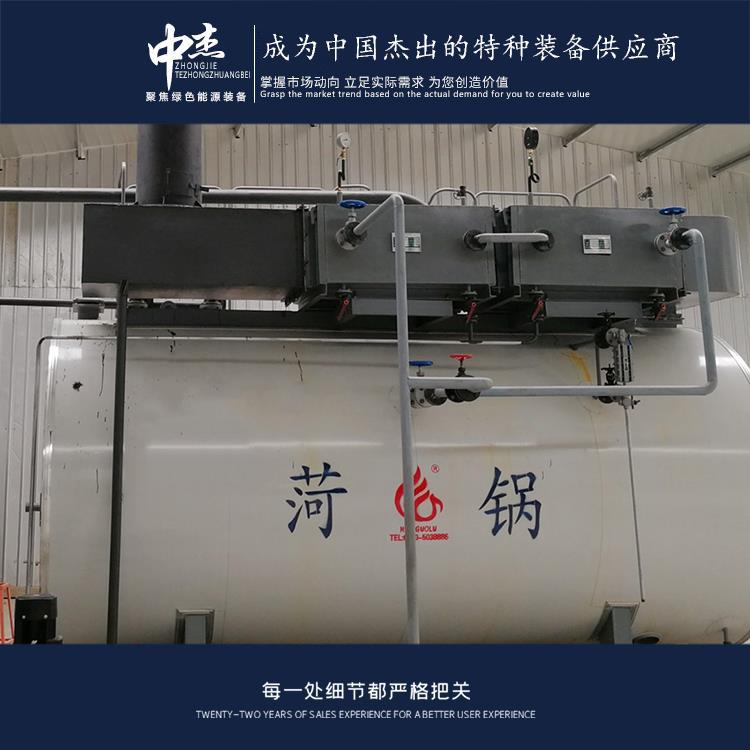
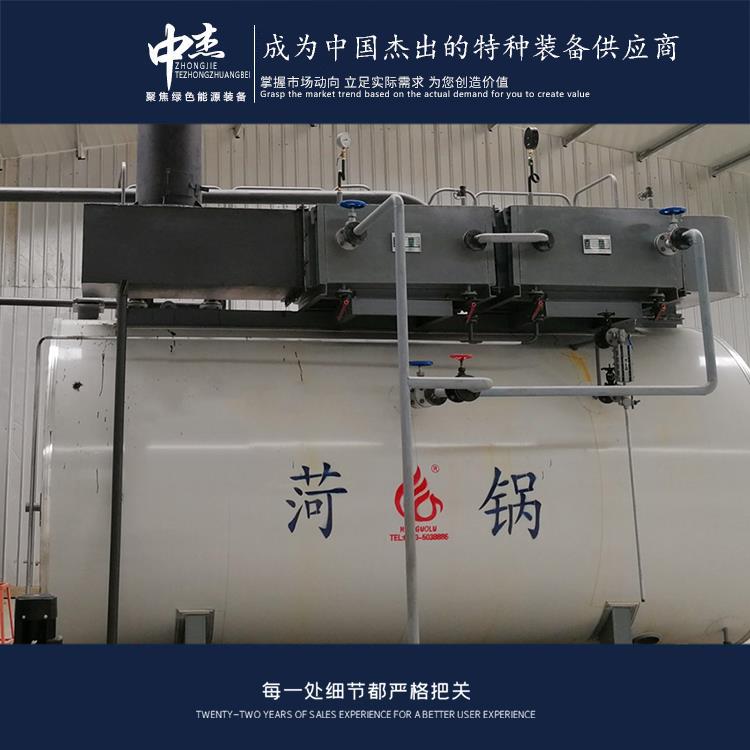
A thermal oil heater is a device that uses thermal oil as a heat medium to transfer heat energy produced by combustion or electric heating to the equipment or process that requires heating. The working principle of a thermal oil heater involves heating the thermal oil to a certain temperature and then circulating it through a pump to the heated equipment or process, transferring heat to the heated object. The thermal oil exchanges heat with the heated object in the heat exchanger, raising the temperature of the object while cooling down the thermal oil, which then returns to the furnace for reheating. The heat transfer process in a thermal oil heater primarily relies on the thermal conductivity of the thermal oil. Thermal oil has a high thermal conductivity, enabling rapid transfer of heat energy to the heated object for effective heating. Additionally, it has high thermal stability, allowing stable operation at high temperatures without decomposition or oxidation. A thermal oil heater typically consists of the furnace body, combustion system, flue gas system, heat exchanger, circulating pump, and control system. The furnace body is the main part of the thermal oil heater, used to contain the thermal oil and the combustion system. The combustion system is responsible for burning fuel to produce heat and heat the thermal oil. The flue gas system is used to exhaust the flue gases produced by combustion. The heat exchanger is the equipment where the thermal oil exchanges heat with the heated object. The circulating pump is responsible for circulating the thermal oil back to the furnace for reheating. The control system monitors and controls the operation of the thermal oil heater to ensure safe and stable operation. Thermal oil heaters offer high temperature control accuracy, fast heating speed, low energy consumption, and easy operation, and are widely used in industrial fields such as chemicals, textiles, food processing, papermaking, as well as in some special heating processes.
Proper and rational use of fuel-gas boilers can enhance energy efficiency and reduce consumption. Here are some suggestions:
1. Select the appropriate boiler model: Choose a suitable fuel-gas boiler based on actual needs, considering factors like thermal load, fuel type, and combustion efficiency.
2. Regular inspections and maintenance: Conduct regular checks and maintenance on fuel-gas boilers to ensure smooth operation. This includes cleaning burners, inspecting the combustion system, adjusting combustion parameters, and promptly repairing or replacing damaged parts.
3. Control the combustion process: Reasonably control the combustion process for full, stable combustion. Adjust burner parameters like air flow and fuel supply to improve combustion efficiency and reduce energy waste.
4. Heat recovery: Utilize heat recovery units to capture waste heat from flue gases and use it for heating water or other thermal processes, enhancing energy efficiency.
5. Control operating parameters: Rationalize boiler operating parameters such as water level, pressure, and temperature based on actual needs and operation status. Avoid excessively high or low parameters to improve efficiency and safety.
6. Regularly clean heat exchangers: Regularly clean the heat exchangers of fuel-gas boilers to remove dirt and sediments, maintaining heat transfer efficiency and reducing energy loss.
7. Energy management: Establish an energy management system, monitor and analyze energy consumption, and develop reasonable energy usage plans and energy-saving measures. Scientific management can improve energy efficiency and reduce consumption.
These are common methods and suggestions, but their application should be determined based on actual conditions and boiler characteristics. Adhere to relevant laws, regulations, and safety operating procedures to ensure the safe operation of fuel-gas boilers.
Regular inspections of industrial boilers are crucial for ensuring safe operation, improving efficiency, and extending service life. Here are the importance of regular inspections for industrial boilers:
Safety Assurance: Industrial boilers are high-temperature, high-pressure equipment. Without regular inspections, safety hazards may exist. Regular inspections can identify and rectify potential issues within the boiler, such as combustion system failures, water level control malfunctions, and safety valve failures, ensuring the safe operation of the boiler.
Efficiency Enhancement: Regular inspections can identify dirt and deposits within the boiler, maintain the cleanliness of heat exchangers, and enhance thermal conduction efficiency, improving the boiler's thermal and energy utilization efficiency. This helps to reduce energy consumption and operating costs.
Extended Service Life: Regular inspections can promptly detect and address issues like corrosion, wear, and fatigue within the boiler, preventing further damage and faults, thus extending the boiler's service life. Regular maintenance and care can also help prevent and reduce boiler damage and faults.
Legal and Regulatory Requirements: Many regions have established laws, regulations, and standards for boiler safety management, requiring regular inspections and maintenance of industrial boilers. Regular inspections are a crucial aspect of meeting legal and regulatory requirements.
Insurance Requirements: Some insurance companies have specified requirements for insuring industrial boilers, mandating regular inspections and maintenance. Regular inspections can meet insurance company requirements and safeguard the insurance rights of the enterprise.
In summary, regular inspections of industrial boilers are important for ensuring safety, improving efficiency, extending service life, complying with laws and regulations, and meeting insurance requirements. Regular inspections should be conducted by qualified institutions or individuals, following relevant laws, regulations, and standards. Timely regular inspections and maintenance can ensure the safe operation of industrial boilers.
Our company attaches great importance to technological innovation and R&D design. We have one municipal-level enterprise technology center in Heze City, equipped with testing facilities such as non-destructive testing, physical and chemical testing, welding testing, and hydrostatic testing. We have over 600 types of equipment, including CNC machine tools, X-ray flaw detectors, digital ultrasonic flaw detectors, mechanical property testing machines, chemical analyzers, spectrometers, tensile testing machines, and plasma welding machines. Our key products and technologies, such as temperature and pressure vessel welding, biomass boiler emission reduction, and waste heat utilization, have successively been selected for multiple Shandong Provincial Department of Industry and Information Technology science and technology innovation projects, Shandong Provincial key projects, and Heze City innovation and excellence projects. We have累计 obtained 27 authorized utility models, 16 authorized inventions, participated in drafting 2 standards, 2 industry standards, and registered 15 trademarks. The deep cryogenic vessel processing technology jointly developed by our technical team and Professor Yajiang Li of Shandong University, using the international plasma arc + wire filling argon arc welding (PAW-GTAW) technology, has been appraised at the provincial level and has reached international standards in the field of deep cryogenic vessel manufacturing.
Choose Jietech for premium solutions, let's collaborate to create brilliance together!
WeChat Official Account

Scan to follow Official Account



















