



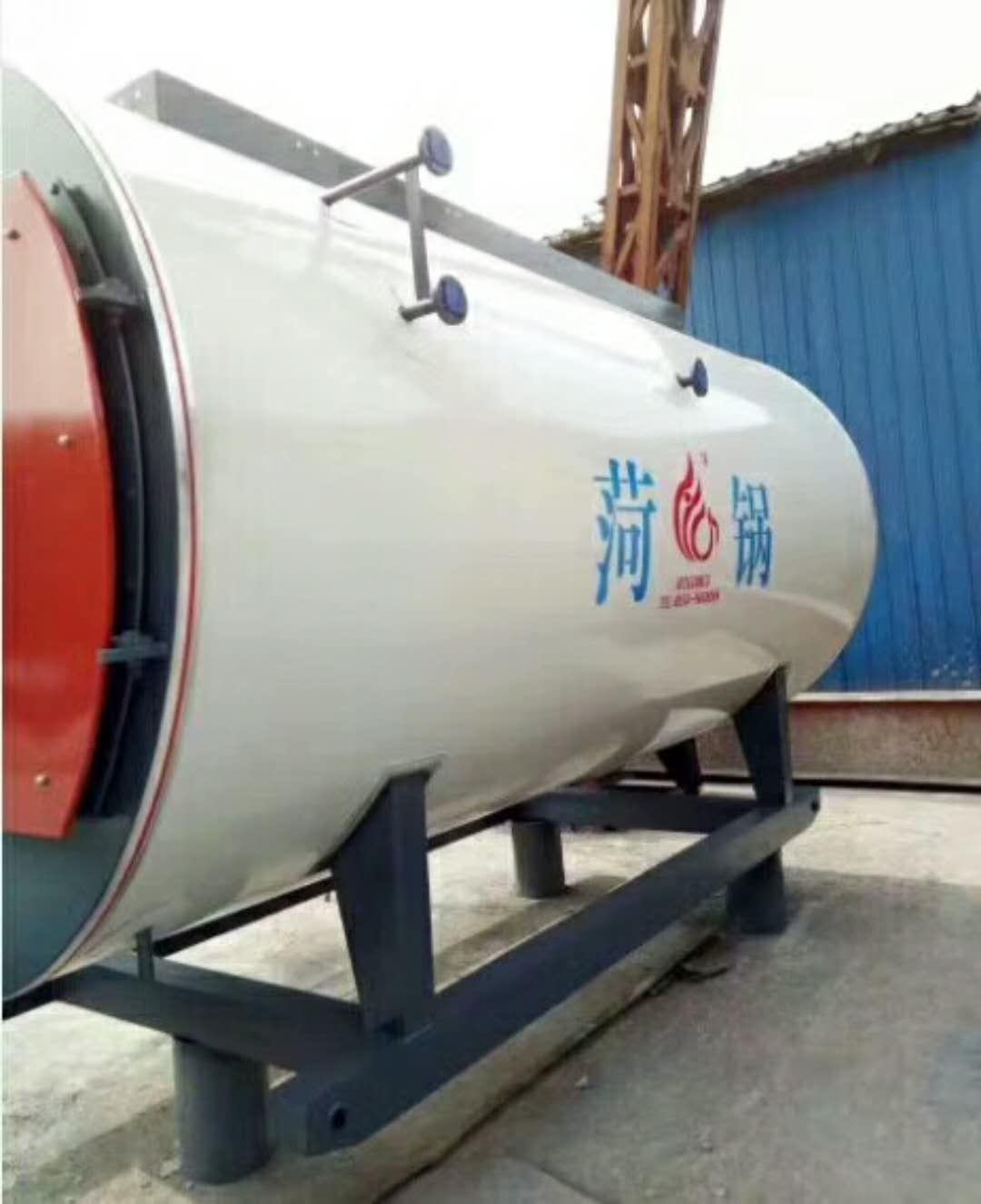
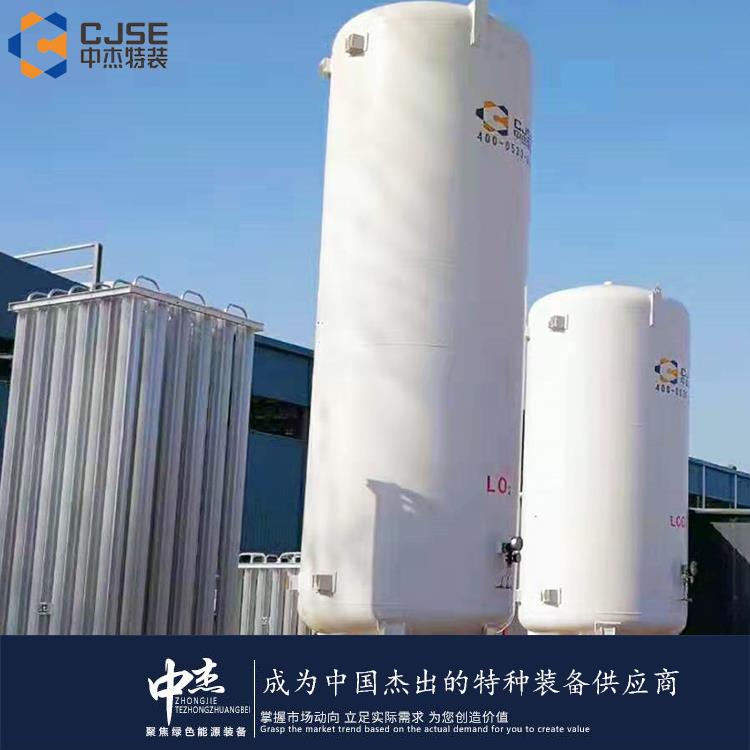


















Shandong Zhongjie Special Equipment (formerly Heze Boiler Factory Co., Ltd.) holds an A-grade boiler manufacturing license, A2-grade pressure vessel manufacturing license, A2-grade pressure vessel design license, B-grade boiler installation license, and GB2/Class, GC2/Class pressure pipeline installation license, as well as an electromechanical installation contracting license. It is a member of the China Boiler and Water Treatment Association, the China Chemical Equipment Association, and a council member of the Shandong Equipment Manufacturing Association. The company has also passed certifications for the ISO9001 Quality Management System, ISO14001 Environmental Management System, OHSAS18001 Occupational Health and Safety Management System, and the U.S. ASME/U2 certification.
A hydrostatic test of a liquid nitrogen storage tank is a common method used to check the tank's sealing and pressure resistance. Below are the general steps for the hydrostatic testing of a liquid nitrogen storage tank:
Preparation: Ensure the tank is clean inside and that all gases and liquids are drained. Check that the tank's seal and safety devices are functioning properly.
Fill with water: Fill the tank internally with water, ensuring the water level is above the low water mark. Pump or other appropriate methods may be used for filling.
Apply Pressure: Gradually increase the water pressure using a pressure pump or other pressure source until the predetermined test pressure is reached. The test pressure is typically 1.1 times the design working pressure of the tank.
Pressure Maintenance: After reaching the test pressure, maintain it for a period (usually 30 minutes to 1 hour), and observe if there are any abnormal conditions such as leakage or deformation in the tank.
Pressure Release: Gradually release pressure to drain water from the tank until it is completely emptied.
Inspection and Evaluation: Check for leaks, deformation, or other damage on the surface and interior of the tank. Evaluate test results to ensure the tank meets design requirements and safety standards.
需要注意的是,液氮储罐水压试验需要由人员进行操作,并遵循相关的安全操作规程。在进行测试前,应仔细阅读和遵守储罐制造商提供的操作指南和安全注意事项。
The liquid oxygen tank possesses the following characteristics:
High Purity: The liquid oxygen tanks store high-purity liquid oxygen, typically exceeding 99.5% purity. This makes the liquid oxygen tanks essential in applications requiring high-purity oxygen, such as medical, industrial, and research fields.
Low Temperature: As the boiling point of liquid oxygen is -183°C, liquid oxygen storage tanks must have excellent insulation properties to maintain the low temperature state of the liquid oxygen. Tanks are typically designed with double or multi-layer structures, filled with insulating materials in between to minimize heat transfer and evaporation of the liquid oxygen.
High Pressure: Liquid oxygen tanks typically need to withstand high pressure to maintain their liquid state. The design and material selection of the tank must consider the pressure requirements of liquid oxygen to ensure the tank's safety and reliability.
Flammability: Liquid oxygen is highly flammable and can support combustion. Therefore, during the design and use of liquid oxygen storage tanks, fire prevention measures must be implemented to ensure no ignition sources are present around the tank, and appropriate fire extinguishing equipment is available.
High Density: Liquid oxygen has a higher density than gaseous oxygen, allowing liquid oxygen tanks to store more oxygen. This makes liquid oxygen tanks advantageous for applications requiring large oxygen supplies, such as in the field of .
Corrosiveness: Liquid oxygen possesses certain properties of corrosion.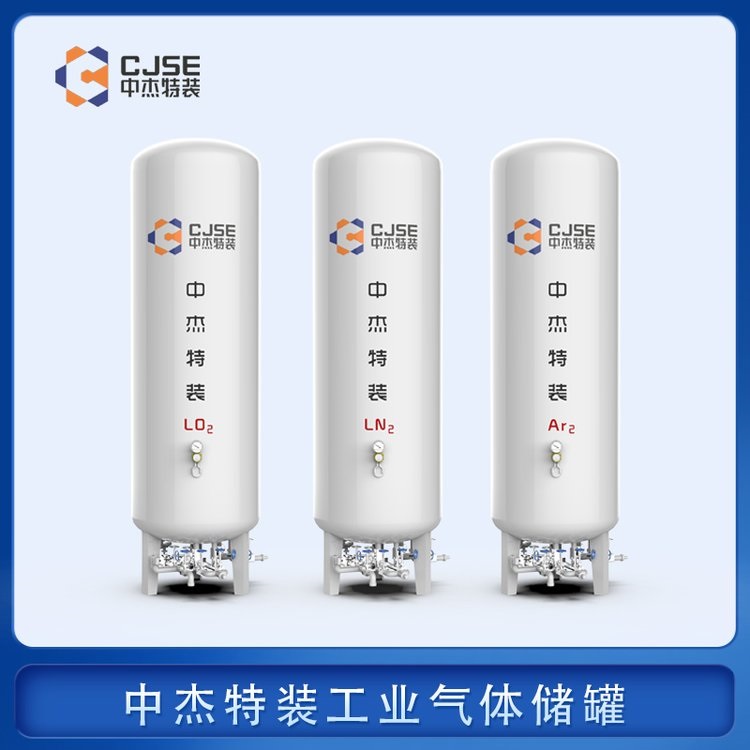
Routine inspections of liquid nitrogen tanks should include the following aspects:
Level Check: Regularly inspect the liquid nitrogen tank's level to ensure it is within the normal range. This can be done using a level gauge or a level ruler, etc.
Pressure Check: Inspect the tank's pressure to ensure it remains within the safe range. Pressure gauges or pressure sensors can be used for the inspection.
Insulation Layer Inspection: Check if the insulation layer of the tank is intact, without any damage or detachment. The integrity of the insulation layer is crucial for reducing heat transfer and the evaporation of liquid nitrogen.
Leak Inspection: Check for signs of liquid nitrogen leakage around the tank, such as vapor mist, frost, or freezing. If a leak is detected, take immediate action to repair it.
Valve and pipeline inspection: Verify that the valves and pipelines of the storage tank are functioning properly without any gas leaks or blockages. Ensure the tightness and unobstructed flow of the valves and pipelines.
Safety Device Inspection: Examine the safety devices of the storage tank, such as pressure relief valves, temperature sensors, and level alarms, to ensure they are functioning properly.
Tank External Cleaning: Regularly clean the external surface of the tank to remove dust, dirt, and debris. Maintain the tank's appearance for easy inspection and maintenance.
Record and Documentation: Timely record the inspection results and maintenance records of the tanks, including liquid levels, pressure, insulation layer status, leakage conditions, etc. These records aid in monitoring the tank's operational status and identifying issues promptly.
The above details the routine inspection procedures for liquid nitrogen tanks. Regularly conducting these checks ensures the safe operation and efficient use of the tanks. Additionally, it is essential to adhere to relevant safety regulations and operational guidelines to ensure the safety of personnel and equipment.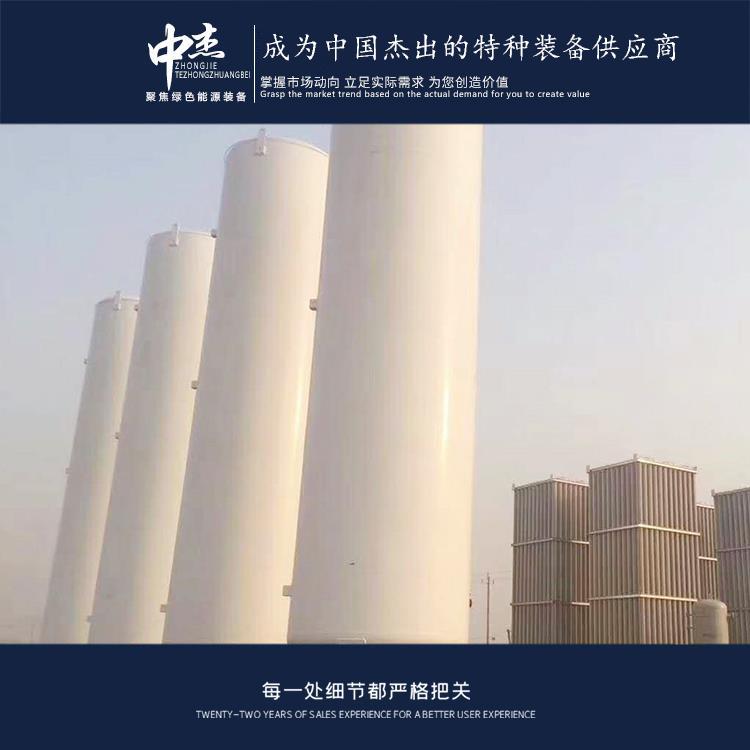
The use and operation of the liquid oxygen storage tank system should be mindful of the following points:
Safe Operation: When operating the liquid oxygen storage tank system, it is mandatory to adhere to the relevant safety operation procedures and standards to ensure the safety of the operators.
Tank Selection: Choose liquid oxygen tanks that meet specifications and standards, ensuring their quality and safety performance.
Tank Installation: Tanks should be installed on a solid foundation to ensure stability. Additionally, good ventilation should be maintained around the tank, and it should be kept away from flammable materials and heat sources.
Sealability Inspection: Regularly check the sealing performance of the storage tank system to ensure there are no leaks at valve and pipeline connections.
Pressure Control: Storage tank systems should be equipped with pressure gauges and safety valves, with regular inspections and maintenance to ensure pressure remains within safe limits.
Fire Prevention Measures: Liquid oxygen contains a high oxygen concentration, which is prone to cause fires. Set up firewalls around the storage tank system, prohibit smoking and open flames, and ensure safety.
Static Protection: During the operation of the liquid oxygen system, static electricity may cause sparks, increasing the risk of fire. Measures such as using static-conductive materials and anti-static equipment are taken to reduce the accumulation and release of static electricity.
Regular inspections and maintenance: Conduct regular checks on the storage tank system and related equipment, including valves, pipes, pressure gauges, etc. Ensure that the equipment is in good condition without any damage, and promptly repair or replace any damaged parts.
Wastegas Treatment: During the operation of the liquid oxygen system, waste gases are produced, which must be properly treated to minimize environmental impact.
Above are the precautions to be taken when using the liquid oxygen storage tank system, ensuring operational safety and the normal operation of the system. During operation, it is essential to strictly adhere to the relevant operational procedures and safety requirements to avoid accidents.
ZJ Special Equipment adheres to the great vision of "realizing employees' dreams, creating customer value, and striving for the prosperity and strength of our motherland," focusing solely on the development of green energy equipment, and dedicating products and services with high cost-performance to society!
WeChat Official Account

Scan to follow Official Account



















