


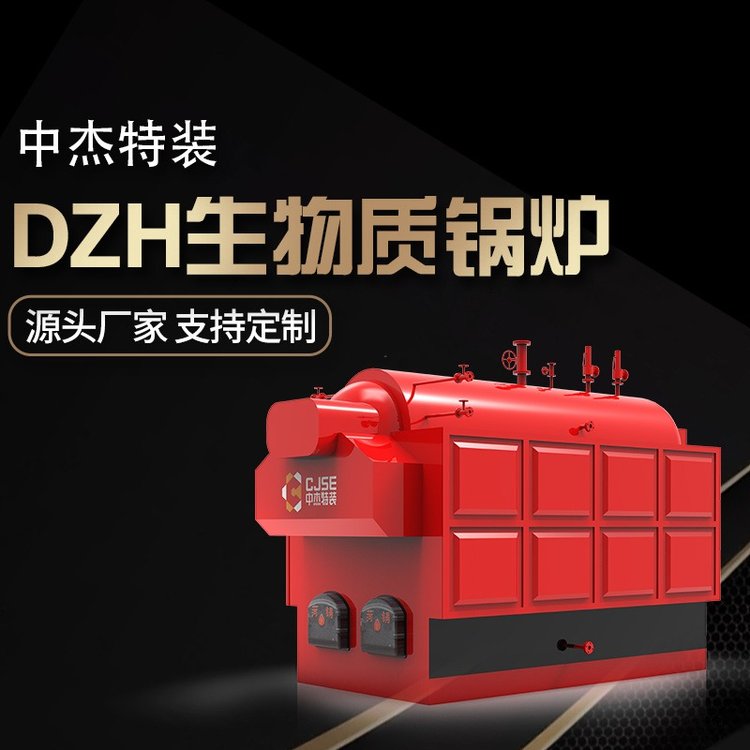

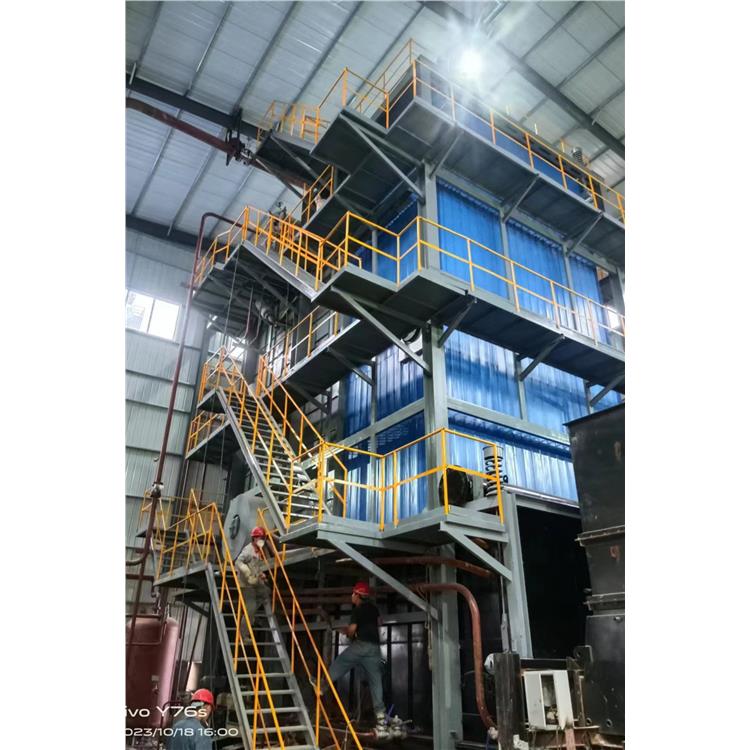
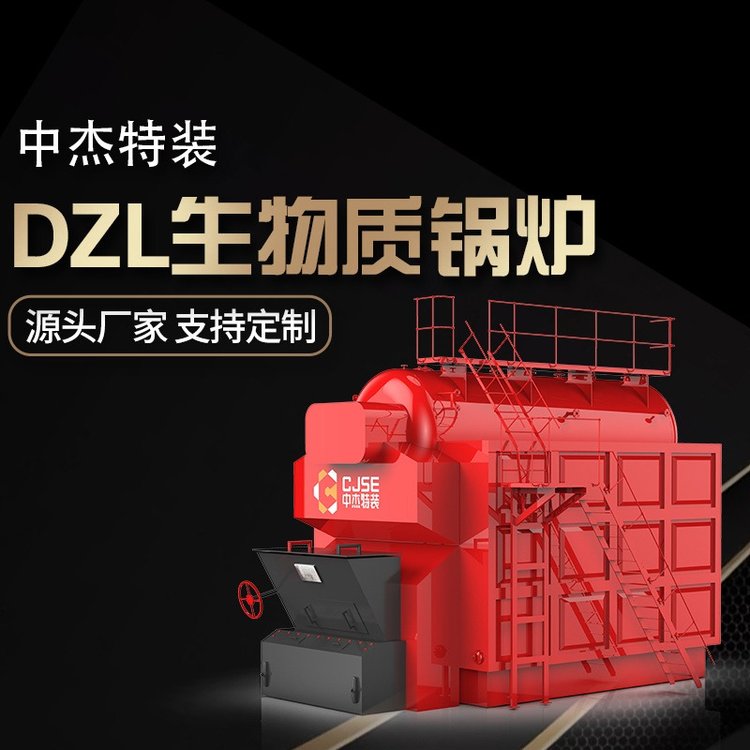


















Shandong Zhongjie Special Equipment (formerly Heze Boiler Factory Co., Ltd.) holds an A-grade boiler manufacturing license, an A2-grade pressure vessel manufacturing license, an A2-grade pressure vessel design license, B-grade boiler installation, and GB2/Class, GC2/Class pressure pipeline installation licenses, as well as a mechanical and electrical equipment installation contracting qualification. It is a member of the China Boiler and Water Treatment Association, the China Chemical Equipment Association, and the Council Unit of the Shandong Equipment Manufacturing Association, and has passed the ISO9001 Quality Management System, ISO14001 Environmental Management System, OHSAS18001 Occupational Health and Safety Management System certifications, and the American ASME/U2 certification.
Yes, the biomass boiler market is expected to continue expanding. Here are some factors driving the growth of the biomass boiler market:
Rising Demand for Renewable Energy: As the demand for renewable energy continues to grow, biomass, as a renewable energy source, holds broad application prospects. Government and corporate support and promotion of renewable energy will drive the expansion of the biomass boiler market.
Increased environmental awareness: Biomass boilers have lower carbon emissions and environmental impact compared to traditional fossil fuel boilers. With the rise of environmental awareness, more and more users are opting for biomass boilers to minimize environmental impact.
Policy Support: Many regions have implemented policies and measures to support the development of renewable energy, including tax incentives and energy regulations. These policies will drive the growth of the biomass boiler market.
Energy Security Needs: Biomass, as a local renewable energy source, can reduce dependence on imported energy and enhance energy security. In areas with scarce resources, the demand for biomass boilers will be even more pronounced.
Technological advancement and cost reduction: With continuous technological progress and cost reductions, biomass boiler performance and efficiency are enhanced, making them more competitive and viable.
In summary, the biomass boiler market is expected to expand continuously, driven by factors such as the increasing demand for renewable energy, enhanced environmental awareness, policy support, energy security needs, and technological advancements and cost reductions.
Biomass boilers can be categorized according to different classification criteria. Here are some common methods of classification:
By method of combustion:
Direct Combustion Boiler: Directly burns biomass fuel to generate heat energy.
Gasification Boiler: Converts biomass fuel into combustible gases before combustion.
Pyrolysis Boiler: Converts biomass fuel into combustible gases and solid carbon through pyrolysis, which is then burned.
By fuel type:
Wood biomass boiler: Utilizes wood chips, sawdust, cassava residue, and other wood-based fuels.
Crop biomass boiler: Utilizes crop residues such as straw, rice husk, and wheat straw as fuel.
Industrial waste biomass boiler: Utilizes industrial waste materials such as sawdust and pulp sludge as fuel.
By boiler type:
Water-tube biomass boiler: Heat is transferred through water pipes arranged within the combustion chamber.
Fire-tube biomass boiler: Heat is transferred through fire tubes arranged within the combustion chamber.
Hybrid biomass boiler: Combines the features of both water-tube and fire-tube designs, incorporating both types of tubes.
By power scale classification:
Small biomass boiler: Power ranges typically from 1 to 10 MW, suitable for small buildings and rural heating.
Medium-sized biomass boilers: Typically range from 10-50MW in power, suitable for medium-sized industrial factories and large buildings.
Large-scale biomass boiler: Over 50MW power, suitable for large industrial plants and centralized heating.
These categorization methods only provide a general overview of biomass boilers; in reality, there are more specific subdivisions and combinations. Different types of biomass boilers may vary in application scenarios and technical characteristics.
Coking in biomass boilers refers to the phenomenon where ash and other impurities in the fuel settle and form slag inside the furnace during the combustion process. Coking can adversely affect the normal operation and thermal efficiency of biomass boilers. Below are the hazards of coking and corresponding measures:
Reducing thermal efficiency: Coking can lead to carbon accumulation on the inner walls of the furnace and the heat exchange area, increasing thermal resistance and reducing the efficiency of heat conduction, thereby lowering the boiler's thermal efficiency. A decrease in thermal efficiency results in energy waste and increased operating costs.
Measures: Regularly clean the slag and carbon accumulation inside the furnace chamber to maintain the cleanliness of the inner wall and enhance heat exchange efficiency.
Impacts on combustion stability: Coking can lead to unevenness during the combustion process, reducing combustion stability and potentially causing incomplete combustion and unstable flames.
Measures: Reasonably adjust combustion parameters such as combustion temperature and air flow, to maintain stability in the combustion process.
Increased equipment wear and maintenance costs: Coking can lead to carbon accumulation on the inner walls of the furnace and flue pipes, thereby increasing the wear and maintenance costs of the equipment.
Measures: Regularly clean and maintain boiler equipment to prevent the formation of scale and carbon accumulation.
Increased environmental pollution: Coking leads to an increase in pollutant emissions during the combustion process, affecting the environment.
Measures: Reasonably control the combustion process to ensure complete and thorough burning, reducing emissions of pollutants.
In summary, measures to prevent biomass boiler slagging include regular cleaning and maintenance of the equipment, reasonable adjustment of combustion parameters, and control
Before using biomass boilers, the following measures can be taken:
Safety Inspection: Conduct a safety check on biomass boilers to ensure the proper operation of all components and equipment. Inspect the condition of the boiler's burners, valves, sensors, etc., for any signs of leakage or damage.
Clean combustion chamber: Clean the combustion chamber of biomass boilers, removing ash and soot produced during the combustion process. Use appropriate tools and cleaning agents to ensure the chamber remains clear and clean.
Inspect Fuel Supply System: Check the biomass boiler's fuel supply system to ensure the supply pipes are clear and unobstructed, and the fuel storage containers are adequately filled with fuel. Additionally, inspect the fuel quality to ensure it meets specifications and is free from impurities or moisture.
Check Water Quality: Inspect the boiler's water supply to ensure it meets the required standards. Conduct water quality tests to measure parameters such as hardness and pH levels, and implement appropriate water treatment measures based on the test results.
Ensure good ventilation: Biomass boilers produce flue gas during the combustion process, so it's essential to have proper ventilation around the boiler to exhaust smoke and heat. Ventilation equipment can be installed or ensure that the room housing the boiler has adequate ventilation openings.
Training and Operation Guidance: Provide training and operation guidance for personnel using biomass boilers to ensure they are familiar with the operation methods, safety precautions, and emergency response procedures.
These measures help ensure the safety and proper operation of biomass boilers before use, reducing the occurrence of malfunctions and accidents. Additionally, regular maintenance and upkeep are crucial for the long-term stable operation of biomass boilers.
Shandong Zhongjie Special Equipment, welcome customers to our factory for business discussions.
WeChat Official Account

Scan to follow Official Account



















