



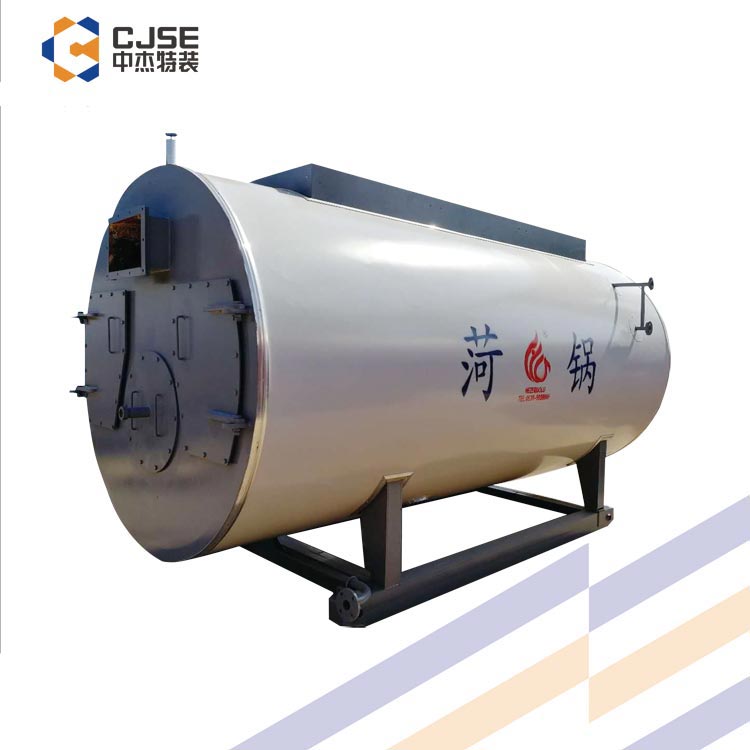
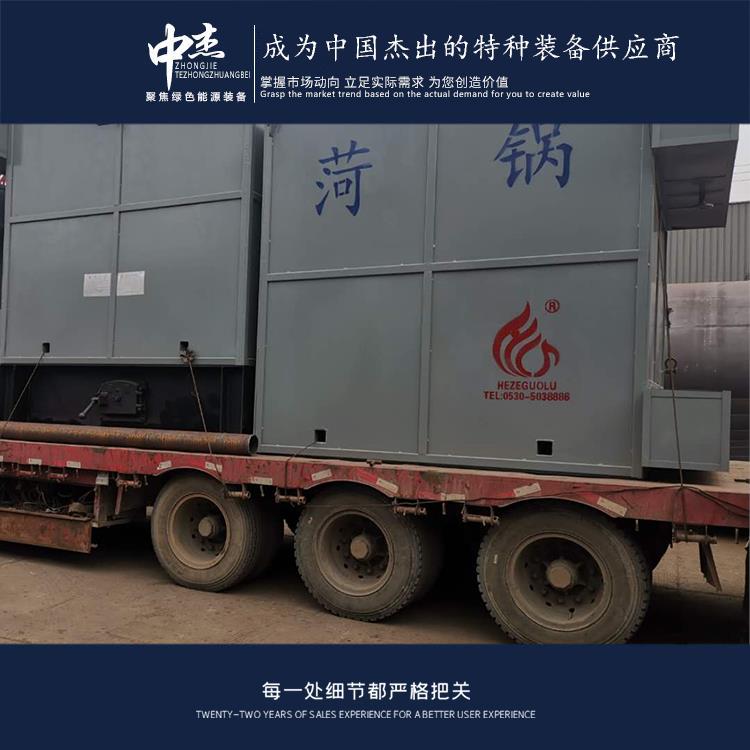


















Shandong Zhongjie Special Equipment Co., Ltd. (formerly Heze Boiler Factory Co., Ltd.) was established in 2001, located at No. 2218 Jinnan Road, Economic Development Zone, Heze City, with a registered capital of 50 million yuan and total assets of 500 million yuan. The company has 7 business centers: boilers, deep-freezing vessels, pressure vessels, central air conditioning, engineering installation, international trade, and Internet of Things. It has three factory sites on Jinnan Road, East Changjiang Road, and Bohai Road, covering a total area of 200,000 square meters, with the main workshop spanning 83,000 square meters. It currently employs 710 people, including 247 engineers and technicians and 82 intermediate-level technical personnel. In December 2016, it was recognized as a "High-Tech Enterprise" by the Science and Technology Department. In June 2021, it was identified as a "Specialized and New Enterprise in Shandong Province" by the Ministry of Industry and Information Technology. In June 2022, it was recognized as a "Gazelle Enterprise in Shandong Province" and in August 2022, as a "Specialized and New Small Giant Enterprise" by the Ministry of Industry and Information Technology.
In textile processing factories, common types of boilers include the following: Steam Boilers: Steam boilers are one of the most commonly used types in textile processing plants. They produce high-pressure, high-temperature steam, used for heat treatment, dyeing, boiling, and other processes in textile manufacturing. Steam boilers offer rapid heating, stability, and other advantages. Hot Water Boilers: Hot water boilers are suitable for low-temperature textile processes such as washing and drying. They provide a stable supply of hot water with high temperature control accuracy and low energy consumption. Hot Air Furnaces: Hot air furnaces are used in the drying process of textile manufacturing. By burning fuel, they produce hot air to transfer heat to textiles for quick drying. Hot air furnaces have fast heating and high thermal efficiency. When choosing the appropriate boiler type for a textile processing plant, consider the following factors: Processing Requirements: Determine the required heat medium (steam, hot water, hot air) and parameters such as working temperature and pressure based on the specific processing requirements of the factory. Energy Costs and Efficiency: Consider the energy consumption and efficiency of different boiler types to choose one that meets processing needs and has high energy utilization efficiency. Environmental Requirements: Pay attention to the emission standards and environmental performance of the boiler to select the appropriate type. Maintenance and Operation: Consider the maintenance and operation costs and ease of the boiler.
Switching from a conventional boiler to a gas boiler can significantly enhance energy efficiency and energy-saving effects. Here's some insight into the energy-saving efficiency of switching to a gas boiler:
- High combustion efficiency: Gas boilers use gas as fuel and typically have higher combustion efficiency. Compared to traditional coal or oil-fired boilers, gas boilers can achieve a higher combustion efficiency, reducing energy waste.
- Low emissions: The exhaust emissions from gas boilers are relatively low during combustion, causing less environmental pollution. The combustion technology and emission control devices used in gas boilers can effectively reduce the emissions of harmful substances like nitrogen oxides.
- Fast start and stop: Gas boilers have quick start and stop times, allowing for flexible adjustments based on actual needs. Compared to coal-fired boilers, gas boilers have shorter start and stop times, avoiding prolonged preheating and cooling processes, and reducing energy waste.
- High thermal efficiency: Gas boilers generally have higher thermal efficiency, achieving a higher heat conversion efficiency. The heat exchange technology and energy-saving design used in gas boilers maximize the utilization of the heat energy from gas, improving heating performance.
- Intelligent control and management: Gas boilers are often equipped with intelligent control systems that can automatically adjust operating conditions based on actual needs. Through control and regulation, gas boilers can achieve stable heating and avoid unnecessary energy waste.
- It is important to note that when switching to a gas boiler, factors such as the reliability and safety of the gas supply, as well as the suitability and installation requirements of the gas boiler, should be considered. It is recommended to consult with engineers or relevant agencies before making any modifications.
Proper selection of a thermal oil heater requires considering the following aspects:
Thermal Load Requirement: First, determine the thermal load required by the thermal oil heater, which is the heat energy needed. Establish the rated power and thermal load range of the heater based on actual requirements to ensure it can meet the necessary heat energy supply. Operating Temperature and Pressure: The operating temperature and pressure range of the thermal oil heater must match the actual application scenario. Select the appropriate temperature and pressure range based on process requirements and working environment to ensure stable operation of the heater. Thermal Oil Type: Choose the appropriate type of thermal oil based on process requirements and working environment. Common types include silicone thermal oil, organic thermal oil, and mineral oil thermal oil, among others. Different types of thermal oil have varying operating temperature ranges and performance characteristics, so selection should be based on actual needs. Equipment Quality and Reputation: Choose a thermal oil heater supplier with a good reputation and quality. Ensure the manufacturing process and material quality of the heater are reliable, providing stable and reliable operation performance and after-sales service. Safety and Environmental Protection: The safety and environmental protection of the thermal oil heater are important considerations. Select a heater with safety protection devices and environmental certifications to ensure safety for personnel and equipment during operation. Economic and Energy Efficiency: Consider the economic and energy efficiency of the thermal oil heater. Choose a heater with high energy efficiency and energy-saving features to reduce energy consumption and operating costs. Considering all these factors, selecting an appropriate thermal oil heater based on actual needs can ensure stable operation of the equipment.
Steam boiler energy conservation is an urgent mission for the following reasons:
1. Energy Consumption: Steam boilers typically use fuel to generate steam, and the consumption of fuel directly affects energy use. With the increasingly scarce energy resources and rising energy prices, energy conservation has become a critical task.
2. Environmental Protection: The emissions and smoke from fuel combustion pollute the environment, including air pollution and greenhouse gas emissions. By conserving energy and reducing fuel consumption, the impact on the environment and carbon emissions can be decreased.
3. Economic Benefits: Energy conservation can lower energy consumption and operational costs, enhancing energy efficiency. By implementing energy-saving measures, businesses can reduce energy expenditures and improve economic efficiency.
4. Sustainable Development: Energy conservation is a crucial component of sustainable development. By reducing energy consumption, the lifespan of energy resources is extended, providing more energy reserves for future development.
5. Legal and Regulatory Requirements: Many regions have established laws, regulations, and policies on energy conservation and emission reduction, mandating businesses to adopt energy-saving measures and reduce energy consumption and environmental pollution.
Therefore, steam boiler energy conservation is an urgent task. By implementing effective energy-saving measures, energy consumption can be reduced, environmental pollution can be minimized, economic efficiency can be improved, and sustainable development can be achieved.
Shandong Zhongjie Special Equipment, welcome customers to our factory for business discussions.
WeChat Official Account

Scan to follow Official Account



















