


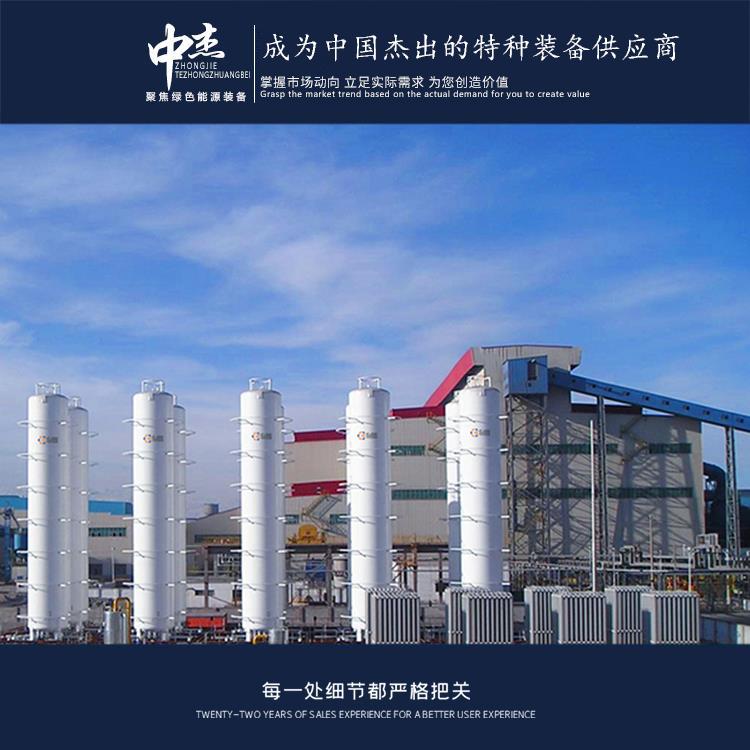

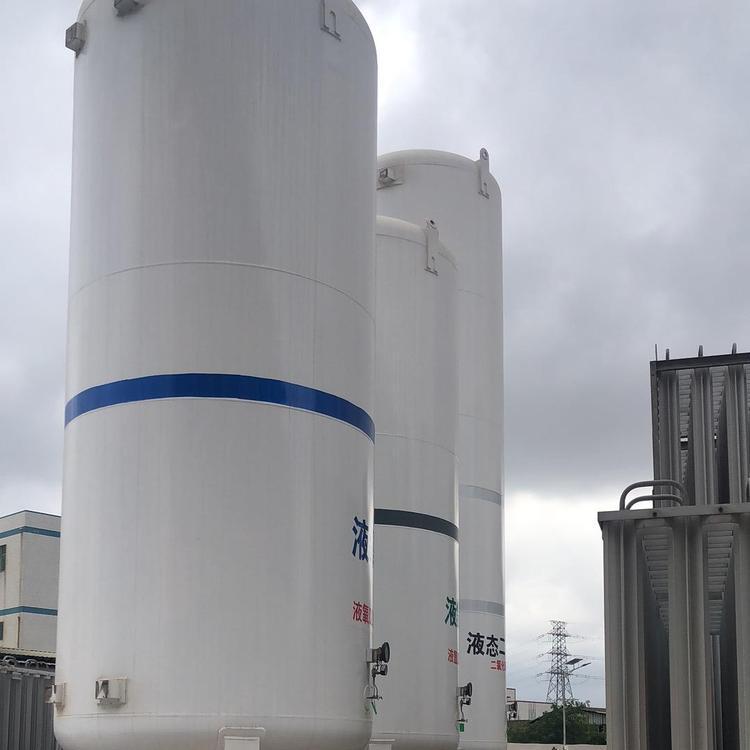
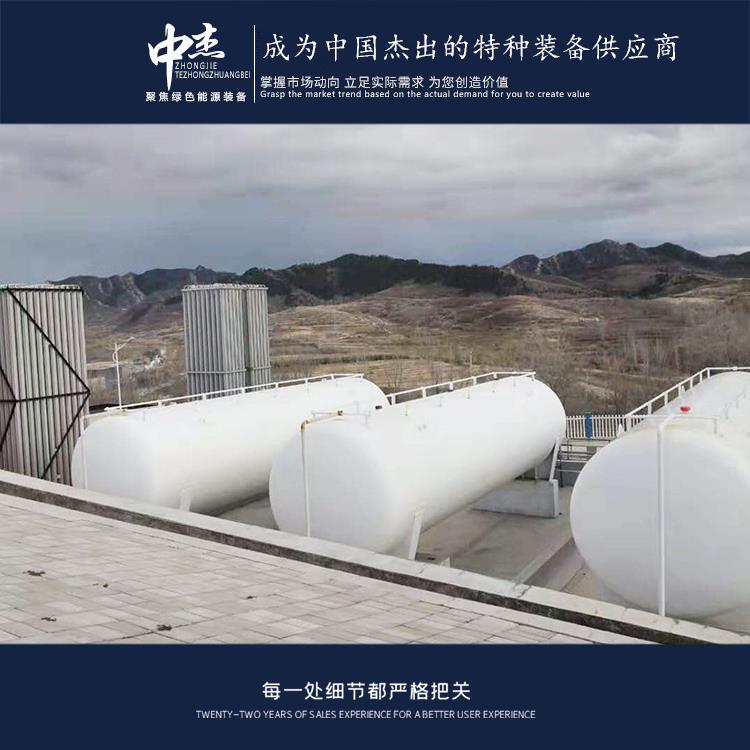


















Shandong Zhongjie Special Equipment (formerly Heze Boiler Factory Co., Ltd.) was established in 2001, located at No. 2218 Jinnan Road, Development Zone, Heze City. With a registered capital of 50 million yuan and total assets of 500 million yuan, the company has 7 business centers: boilers, deep-freezing containers, pressure vessels, central air conditioning, engineering installation, international trade, and Internet of Things. It has three factory sites on Jinnan Road, East Changjiang Road, and Bohai Road, covering a total of 200,000 square meters, with the main workshop spanning 83,000 square meters. It currently employs 710 staff, including 247 engineers and technicians and 82 intermediate-level technicians. Recognized as a "High-tech Enterprise" by the Science and Technology Department in December 2016, as a "Shandong Specialized and New Enterprise" by the Ministry of Industry and Information Technology in June 2021, as a "Shandong Gazelle Enterprise" in June 2022, and as a "Specialized and New Small Giant Enterprise" by the Ministry of Industry and Information Technology in August 2022.
在二氧化碳储罐罐区进行安全操作时,需要遵循以下几个关键步骤和注意事项: 储罐区域划定:将储罐区域划定为专门的区域,并设置明确的标识和警示标志,以提醒人员注意安全。 人员培训:确保所有操作人员都接受过相关的培训,了解储罐的特性、操作规程和应急措施。培训内容应包括储罐的安全操作、泄漏处理、火灾应对等。 个人防护装备:所有进入储罐区域的人员都应佩戴适当的个人防护装备,如防护服、安全鞋、、手套等。这些装备可以提供保护,减少潜在的伤害风险。 操作规程:制定和遵守储罐的操作规程,包括储罐的开启、关闭、充装、排空等操作步骤。确保操作人员按照规程进行操作,避免操作失误和事故发生。 泄漏处理:储罐区域应配备适当的泄漏处理设备和材料,以应对可能的泄漏情况。操作人员应熟悉泄漏处理程序,并及时采取措施进行泄漏控制和清理。 火灾安全:储罐区域应配备适当的消防设备和灭火器材,并确保操作人员了解火灾应对程序。禁止在储罐区域内吸烟或使用明火,以防止火灾风险。 定期检查和维护:定期检查储罐的安全阀、压力表、温度传感器等设备的工作状态,并进行必要的维护和修理。确保储罐的正常运行和安全性。 应急预案:制定储罐区域的应急预案,包括事故报警、人员疏散、急救措施等。所有操作人员应熟悉应急预案,并定期进行演练和培训。 需要注意的是,以上是一般的安全操作指导,具体的操作要求可能会因不同的储罐设计和使用场景而有所差异。在进行储罐操作时,应遵循相关的安全操作规程和标准,确保操作的安全性和有效性。好咨询工程师或储罐制造商以获取具体的操作指导。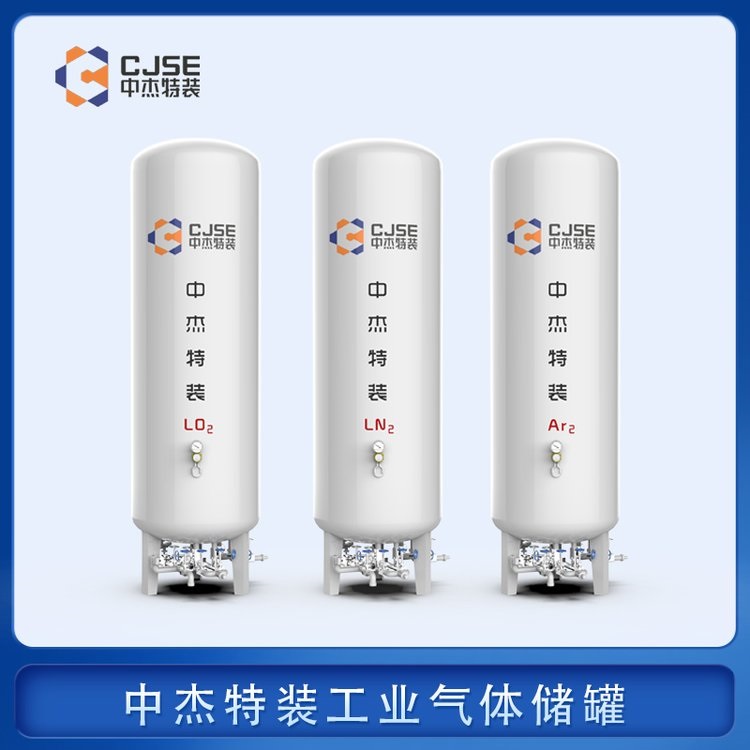
The process of filling a carbon dioxide tank involves injecting liquid carbon dioxide into the tank. Here are some precautions to consider when filling a carbon dioxide tank: Safety Operation: Adhere to relevant safety procedures during the filling process. Operators should be trained and aware of the tank's characteristics and safety concerns to ensure safe operations. Tank Capacity Control: Ensure that the filling process does not exceed the tank's rated capacity. Exceeding this capacity can lead to excessive pressure and increased safety risks. Filling Rate Control: Maintain a moderate filling rate to avoid both too fast and too slow rates. A rapid filling rate can cause excessive internal pressure, while a slow rate can prolong the filling time. Temperature Control: Control the temperature of the liquid carbon dioxide during filling. High temperatures can cause rapid evaporation, and low temperatures can lead to solidification. Pressure Control: Monitor and control the internal pressure of the tank during filling. Excessive pressure can cause tank rupture or leakage, while insufficient pressure can result in inadequate filling. Level Monitoring: Regularly monitor the tank's level during filling to ensure accurate measurements and avoid overfilling or underfilling. Pressure Relief Devices: The tank should be equipped with pressure relief devices, such as safety valves, to control internal pressure. The set pressure of these devices should meet relevant requirements and be checked and maintained regularly. Environmental Protection: Be mindful of environmental protection during the filling process, avoiding leaks and contamination of liquid carbon dioxide. Take appropriate protective measures, such as using sealed connections and protective devices. These are some precautions to consider when filling a carbon dioxide tank. Follow relevant safety regulations and standards during filling operations, and consult with experts to ensure safety and effectiveness.
The testing and maintenance of liquid oxygen storage tanks are crucial for ensuring safe operation and extending their service life. Below is a general breakdown of the testing and maintenance procedures for liquid oxygen storage tanks:
- Visual Inspection: Conduct regular visual inspections of the liquid oxygen storage tank, checking for corrosion, wear, and cracks on the surface. In case of any abnormalities, promptly repair or replace the affected parts.
- Internal Cleaning: Regularly clean the interior of the liquid oxygen storage tank to remove accumulated impurities and dirt. Use appropriate cleaning agents and tools to avoid damaging the tank.
- Level Measurement: Regularly measure the level to ensure the liquid oxygen level within the tank remains within a safe range. Use level gauges or other measuring devices, and record the measurement results.
- Pressure Testing: Conduct regular pressure tests to verify the tank's pressure resistance. Control the pressure and time during testing to ensure safety and accuracy.
- Leak Detection: Regularly perform leak detection to ensure the tank's sealing integrity. Use leak detection instruments, such as gas detectors or foam leak detectors, for this purpose.
- Valve and Pipe Inspection: Regularly inspect the valves and pipe connections of the liquid oxygen storage tank to ensure proper sealing and no leakage. Address any issues promptly by repairing or replacing parts.
- Maintenance Records: Keep records of the testing and maintenance activities, including inspection dates, contents, and results. These records help track the tank's maintenance history and issue resolution.
- Scheduled Maintenance: Develop a regular maintenance plan based on the tank's usage and requirements. Maintenance tasks include lubrication, bolting, and replacing seals to ensure normal operation.
When using CO2 storage tanks, the following points should be noted:
- Safe Operation: When using CO2 storage tanks, it is mandatory to adhere to relevant safety operation procedures and standards. Operators should receive training to understand the characteristics, operational requirements, and safety measures of the tanks, and operate strictly according to the procedures.
- Tank Inspection: Regularly inspect the tank's appearance, sealing, valves, and pipeline connections to ensure the integrity and safety of the tank. In case of any abnormalities or damage, repairs or replacements should be made promptly.
- Tank Pressure Control: The pressure in the tank should be maintained within a safe range. Regularly check and calibrate pressure sensors and safety valves to ensure the normal operation of the pressure control system.
- Temperature Control: CO2 storage tanks typically need to be kept at low temperatures. Ensure the proper operation of cooling equipment, regularly check and calibrate temperature sensors to maintain the appropriate storage temperature.
- Leak Protection: CO2 is a gas that is prone to leakage, which can lead to safety risks and environmental pollution. Ensure the sealing of the tank and pipelines, regularly inspect and replace seals, and promptly address any leak situations.
- Fire and Explosion Prevention: Avoid open flame work near the tank to prevent fire sources from contacting CO2. Maintain good ventilation around the tank to prevent the accumulation of CO2.
- Waste Disposal: Dispose of discarded CO2 storage tanks or residues in accordance with relevant regulations and standards. Follow environmental protection requirements to ensure the safe disposal of waste and environmental protection.
- Regular Maintenance: Conduct regular maintenance and inspections of the tanks, including cleaning and painting.
Our company attaches great importance to technological innovation and research and development, with 1 municipal enterprise technology center in Heze City. We have established testing facilities for non-destructive testing, physical and chemical testing, welding testing, hydrostatic testing, and more. We are equipped with over 600 various instruments and equipment, including CNC machine tools, X-ray flaw detectors, digital ultrasonic flaw detectors, mechanical property testing machines, chemical analyzers, spectrometers, tensile testing machines, plasma welding machines, and others. The key products we have developed, such as temperature and pressure vessel welding, biomass boiler emission reduction, and waste heat utilization, have successively been selected for multiple Shandong Provincial Department of Industry and Information Technology science and technology projects, Shandong Provincial key projects, and Heze City innovation and excellence projects. We have accumulated a total of 27 authorized utility models, 16 authorized inventions, participated in drafting 2 standards, 2 industrial standards, and registered 15 trademarks. Our technical team, in collaboration with Professor Yajiang Li from Shandong University, has developed deep cryogenic container processing technology using the internationally recognized plasma arc + filled wire tungsten inert gas arc welding (PAW-GTAW) technique, which has been appraised as internationally competitive at the provincial level. Choose Zhongjie Special Equipment, and let's create brilliance together!
WeChat Official Account

Scan to follow Official Account



















