


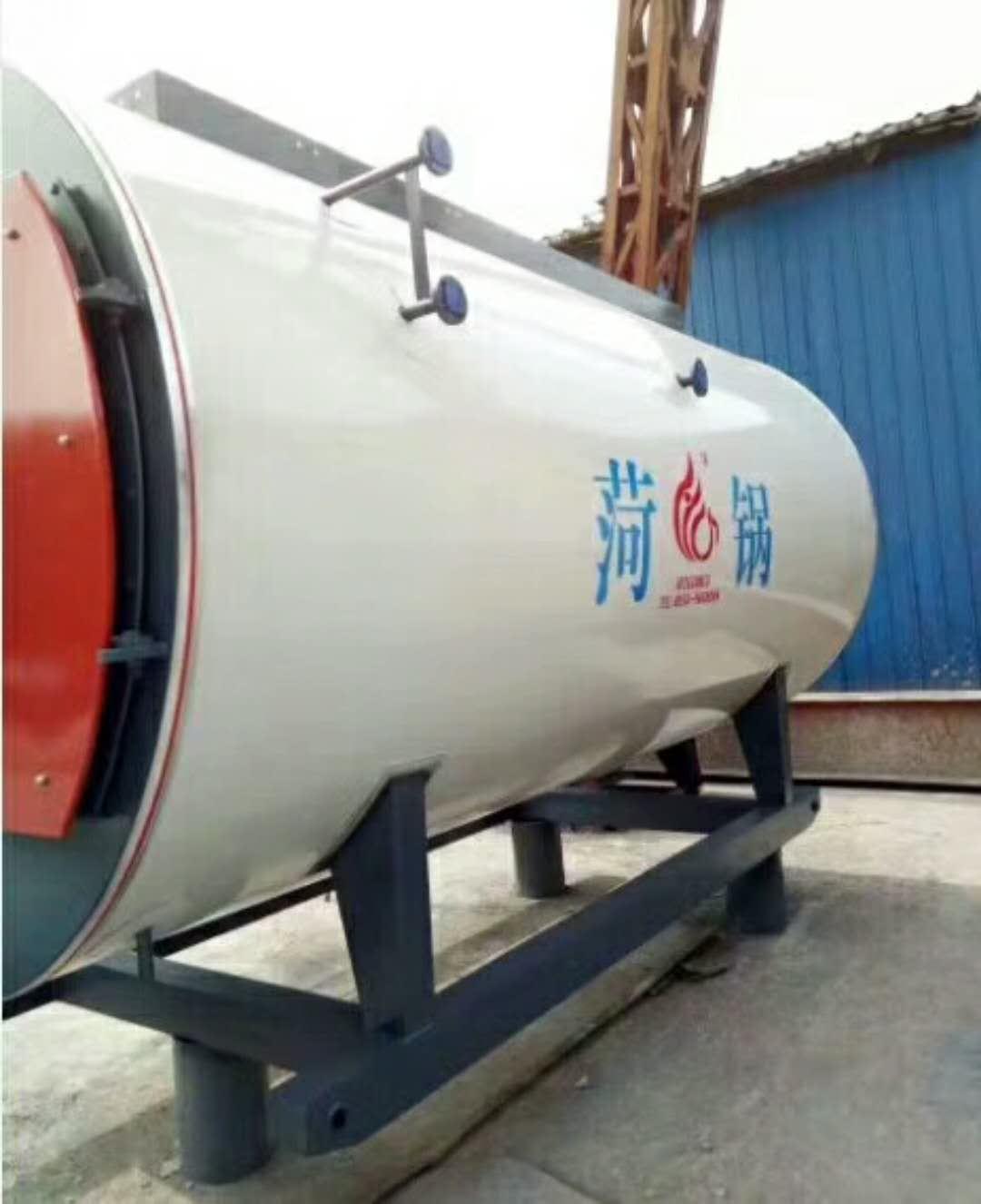

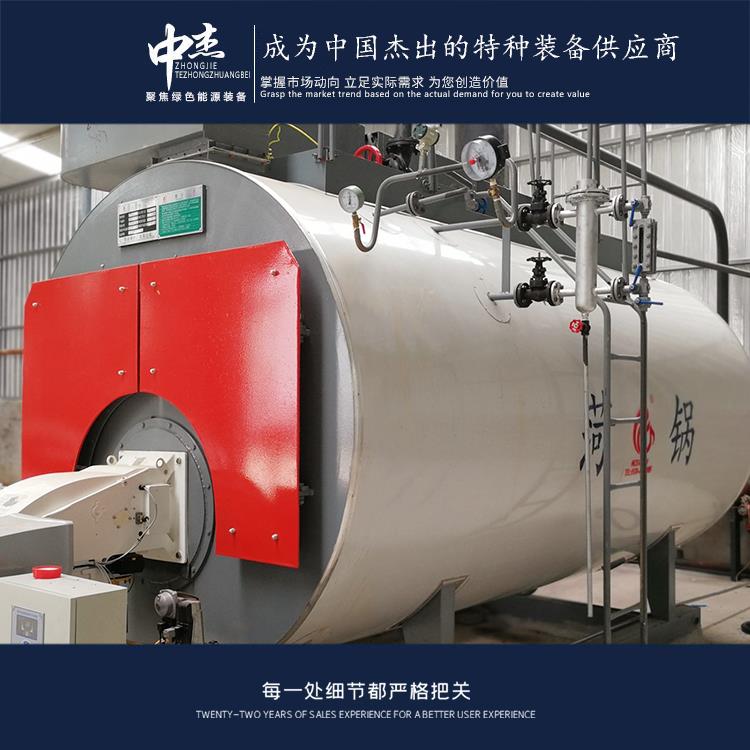


















Shandong Zhongjie Special Equipment's main products include: fuel (gas) boilers, organic heat carrier boilers, biomass boilers, waste heat recovery boilers, and other boiler products; vacuum insulation cryogenic pressure vessels such as LNG tanks, oxygen/nitrogen/argon tanks, and CO2 tanks; pressure vessel products like denitrification engineering equipment, heat storage and energy storage equipment, and complete chemical equipment sets; central air conditioning and HVAC equipment such as ground (water) source heat pumps, air source units, water-cooled screw units, and air-cooled modular units. Planned products include large-scale energy centers, LNG transport vehicles, LNG tank containers, and other green energy equipment.
Proper selection of a thermal oil furnace requires considering the following aspects:
1. Heat Load Requirement: First, determine the required heat load for the thermal oil furnace, i.e., the heat energy needed. Based on actual demand, ascertain the rated power and heat load range of the furnace to ensure it can meet the necessary heat supply.
2. Operating Temperature and Pressure: The operating temperature and pressure range of the thermal oil furnace must match the actual application scenario. Select the appropriate temperature and pressure range based on process requirements and working environment to ensure stable operation of the furnace.
3. Thermal Oil Type: Choose the appropriate type of thermal oil based on process requirements and working environment. Common types include silicone thermal oil, organic thermal oil, and mineral oil thermal oil, each with different operating temperature ranges and characteristics. Select according to actual needs.
4. Equipment Quality and Reputation: Select a thermal oil furnace supplier with a good reputation and quality. Ensure the manufacturing process and material quality of the furnace are reliable, providing stable performance and after-sales service.
5. Safety and Environmental Protection: The safety and environmental protection of the thermal oil furnace are crucial considerations. Choose a furnace with safety protection devices and environmental certifications to ensure safety for personnel and equipment during operation.
6. Cost-effectiveness and Energy Efficiency: Consider the cost-effectiveness and energy efficiency of the thermal oil furnace. Choose a furnace with high energy efficiency and energy-saving features to reduce energy consumption and operating costs.
By considering these factors and selecting a thermal oil furnace that meets actual needs, you can ensure stable operation of the equipment.
Steam boiler blowdown devices mainly include the following types:
- Blowdown Valve: Typically installed on steam boilers, the blowdown valve is used to discharge wastewater and impurities from within the boiler. Located at the bottom or side of the boiler, opening the valve allows for the removal of wastewater to maintain internal cleanliness.
- Blowdown Pump: For large steam boilers or situations requiring long-distance wastewater discharge, a blowdown pump may be used. The pump can extract wastewater from the boiler and transport it through pipes to designated discharge points.
- Automatic Blowdown System: Some steam boilers may be equipped with an automatic blowdown system. These systems can automatically discharge wastewater from the boiler based on set time intervals or wastewater concentration, enhancing efficiency and accuracy.
- Wastewater Treatment Equipment: In certain cases, steam boilers may require wastewater treatment equipment. These devices process the discharged wastewater to remove impurities and pollutants, meeting environmental protection requirements.
- It is important to note that the selection and use of steam boiler blowdown devices should be determined based on the specific type, scale, and operating environment of the boiler. When using blowdown devices, it is necessary to follow relevant operational procedures and safety requirements to ensure a safe and effective blowdown process.
Key benefits of installing expansion tanks in a heat transfer oil furnace include:
- Alleviating thermal expansion and contraction: During operation, the temperature changes in a heat transfer oil furnace can cause thermal expansion and contraction of the oil. The expansion tank provides space for the oil to expand, mitigating the impact on equipment and piping due to thermal expansion and contraction, and preventing stress concentration and equipment deformation caused by these changes.
- Protecting equipment and piping: The expansion tank absorbs the expansion and contraction of the heat transfer oil, reducing impact and vibration on equipment and piping. This helps extend the lifespan of both, reducing the frequency of maintenance and replacement.
- Reducing leakage risk: The expansion tank provides an enclosed space, minimizing the risk of heat transfer oil leakage. When the oil expands, excess can be accommodated through the expansion tank, preventing leaks and environmental contamination.
- Facilitating maintenance and repairs: The presence of an expansion tank makes maintenance and repairs of the heat transfer oil furnace system easier. When repairs or replacements are needed for equipment or piping, the expansion tank can be used to control the flow and stoppage of the heat transfer oil, reducing downtime and the difficulty of maintenance.
- In summary, the expansion tank plays a role in alleviating thermal expansion and contraction, protecting equipment and piping, reducing leakage risk, and facilitating maintenance and repairs in the heat transfer oil furnace system. It is an important design element that contributes to the safety and reliability of the system.
When operating gas boilers, there are three important points to keep in mind:
1. Safe Operation: Gas boilers are thermal equipment and safety must be a priority. First, ensure the operator has the relevant skills and knowledge, understanding the boiler's operation principles and procedures. Second, strictly prohibit storing flammable materials around the boiler and maintain good ventilation. Additionally, regularly inspect and maintain safety devices like relief valves and pressure gauges to ensure they function properly.
2. Proper Gas Supply Adjustment: The combustion of gas boilers requires an appropriate gas supply. During operation, adjust the gas supply according to actual needs to ensure stable combustion. Also, regularly check the sealing of gas pipes and valves to prevent gas leaks.
3. Regular Maintenance and Cleaning: Regular maintenance and cleaning are crucial for the boiler's proper operation and extended lifespan. Regularly inspect all boiler components, clean burners, flues, and heat exchangers of accumulated dust and dirt to ensure heat transfer efficiency and combustion effectiveness. Furthermore, regularly replace filters and clean water treatment equipment to ensure clean water quality and prevent scale and corrosion.
It's important to note that these three points are just basic operational guidelines, and specific operational and maintenance requirements may vary depending on the model and specifications of the gas boiler. Therefore, it's advisable to refer to the boiler's operation manual or consult with experts before operating a gas boiler to ensure correct and safe operation.
Zhongjie Special Equipment upholds the great vision of "realizing employees' dreams, creating customer value, and striving for the prosperity and strength of our motherland," and is dedicated to the development of the green energy equipment industry. We commit to society with high-value products and services!
WeChat Official Account

Scan to follow Official Account



















