


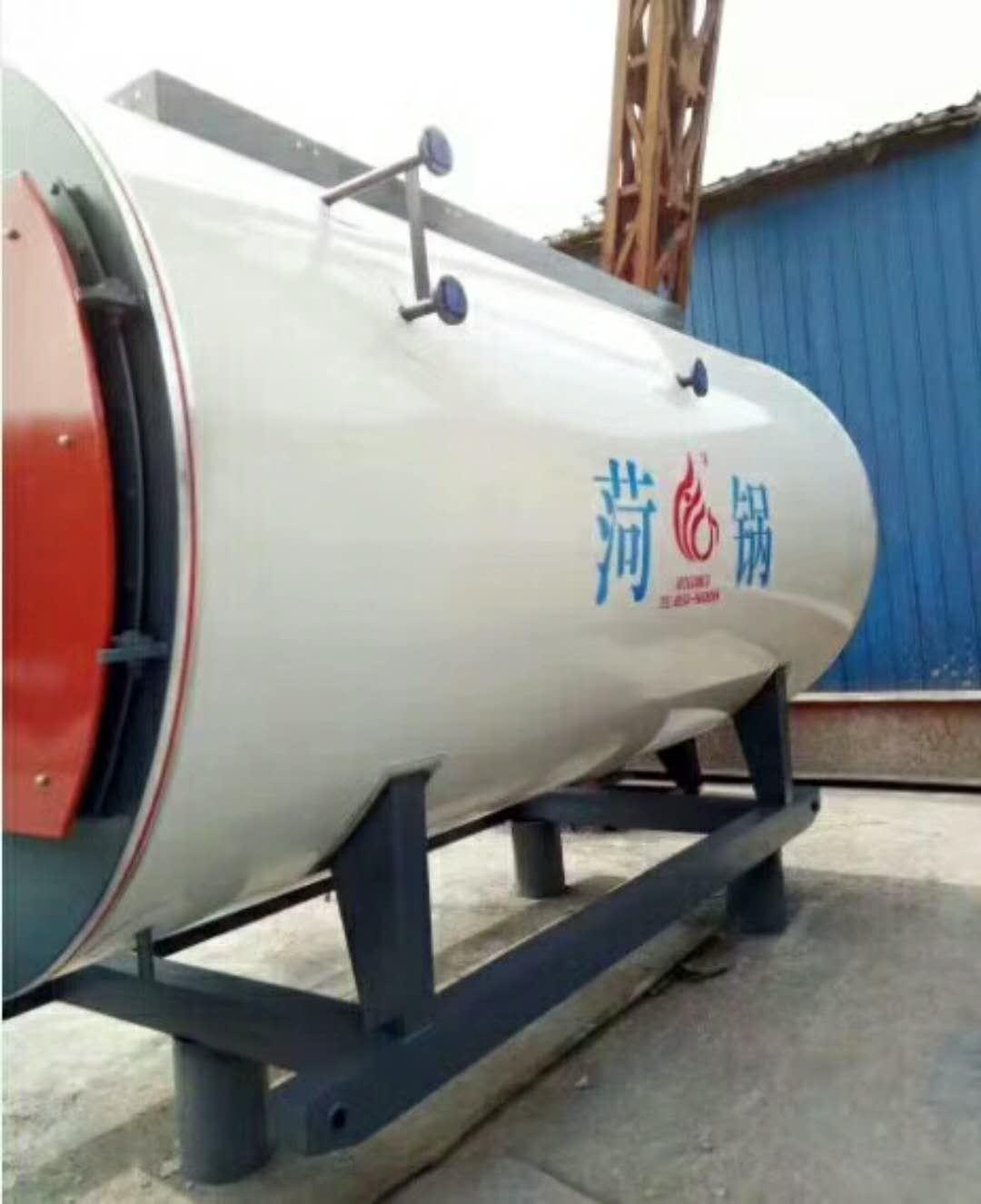

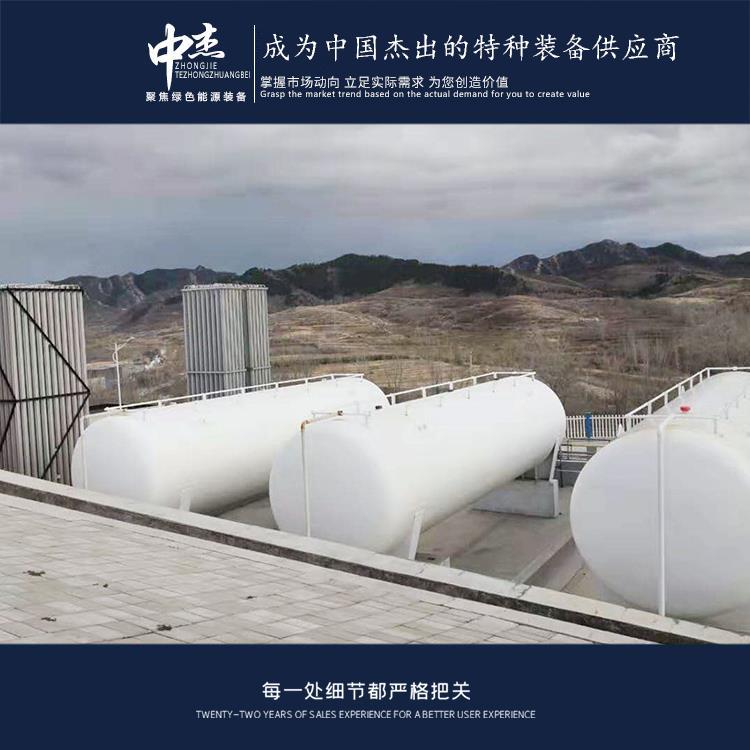
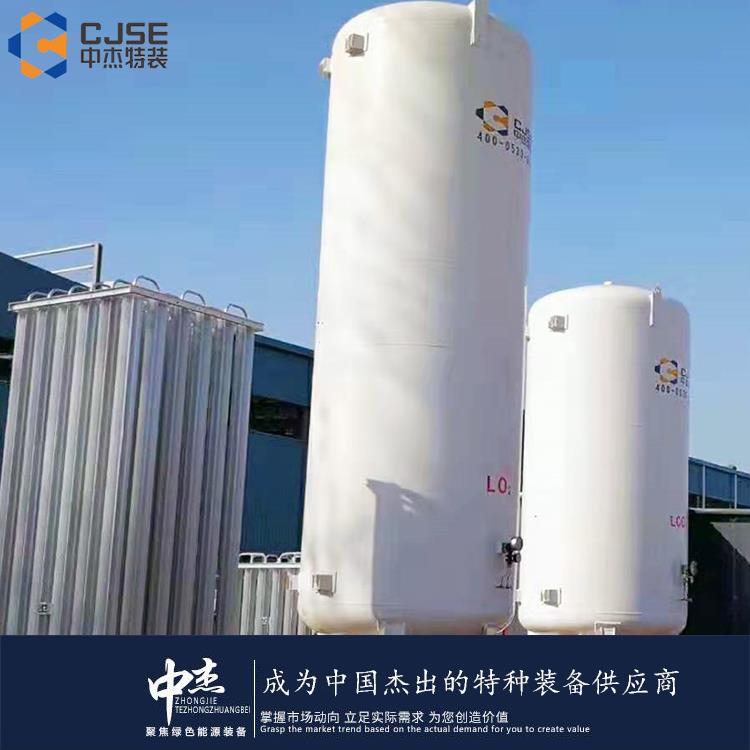


















Shandong Zhongjie Special Equipment (formerly Heze Boiler Factory Co., Ltd.) holds an A-grade boiler manufacturing license, an A2-grade pressure vessel manufacturing license, an A2-grade pressure vessel design license, B-grade boiler installation license, GB2 and GC2 pressure pipeline installation licenses, and a mechanical and electrical equipment installation contracting license. It is a member of the China Boiler and Water Treatment Association, the China Chemical Equipment Association, and a director unit of the Shandong Equipment Manufacturing Association. The company has also passed certifications for the ISO9001 Quality Management System, ISO14001 Environmental Management System, OHSAS18001 Occupational Health and Safety Management System, and the American ASME/U2 certification.
Low Temperature Carbon Dioxide Storage Tank Knowledge
1. Structure of Low Temperature Carbon Dioxide Storage Tanks
Low temperature carbon dioxide storage tanks typically have a double-walled cylindrical structure, with the inner cylinder made of 6MnDR alloy steel and the outer cylinder of Q245R or Q345R pressure vessel steel plate. The piping is made of austenitic stainless steel, and the insulation space is filled with high vacuum pearlite sand or wrapped with multiple layers for thermal insulation. The storage tanks are equipped with valves for operation, which are arranged for ease of use. Pressure gauges and level indicators are also installed to monitor the pressure and liquid level inside the tank.
2. Key Features of Low Temperature Carbon Dioxide Storage Tanks
(1) The storage tanks are equipped with liquid filling connections for tanker trucks, enabling liquid supply to vaporizers, tanker trucks, and pumps.
(2) Both the inner and outer cylinders of the storage tanks are equipped with safety devices to ensure safe operation for users.
(3) The insulation material of the storage tanks has been specially treated to provide a longer vacuum life. Additionally, the tanks are equipped with vacuum gauges for measuring the insulation space vacuum when needed.
3. Transportation of Low Temperature Carbon Dioxide Storage Tanks
(1) During road transportation, the storage tanks should be securely attached to the vehicle and travel at moderate speeds. It is prohibited to collide the storage tanks with other objects.
(2) After the storage tanks arrive, the unloading personnel should work together with the equipment supervisor to develop a scientific and reasonable unloading plan.
4. Installation of Low Temperature Carbon Dioxide Storage Tanks
(1) Upon arrival at the installation site, the storage tanks can be placed when installation conditions are met. During the installation process, collision and impact should be avoided, and special attention should be given to the explosion-proof equipment of the outer cylinder and the vacuum valve, which should not be touched.
(2) Perform a gas-tightness test on the inner cylinder system of the storage tank using nitrogen to the working pressure. After verifying that valves, pipes, flanges, etc., have no leaks, the installation is complete.
(3) The installation dimensions of the storage tanks are as specified in the supply documents. When considering filling and emptying liquids with tanker trucks, the vehicle's travel path should be taken into account.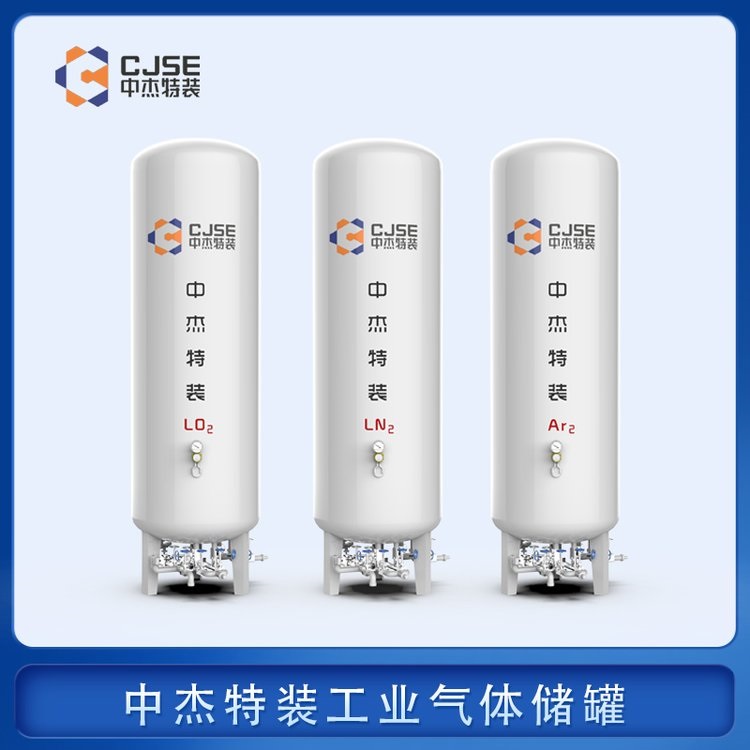
When storing carbon dioxide tanks, the following requirements must be adhered to ensure safety and effectiveness:
Ventilation: Tanks should be stored in well-ventilated areas to prevent the accumulation of carbon dioxide gas. Ensure adequate air circulation around the tank to avoid gas buildup and asphyxiation risks.
Fire and Explosion Prevention: Keep tanks away from ignition sources, high-temperature areas, and flammable materials. Avoid open flame activities near the tank to prevent fire and explosion hazards.
Sunlight Avoidance: Store tanks in locations shielded from direct sunlight to prevent overheating and pressure increase. Direct sunlight can raise tank temperatures, increasing the risk of leakage and explosion.
Mechanical Damage Prevention: Keep tanks away from machinery and heavy objects to avoid collisions and damage. Mechanical damage can lead to tank leakage or rupture, causing safety incidents.
Identification and Warning Signs: Clearly label the tanks with information such as the type of gas stored and pressure. Set up warning signs around the tanks to remind personnel of their presence and related safety precautions.
Regular Inspections: Conduct regular inspections of the tank's exterior, valves, and fittings to ensure they are undamaged. Take prompt corrective actions if any abnormalities are found.
Storage Capacity Control: Control the storage capacity of the tanks to prevent exceeding the rated capacity. Exceeding the rated capacity can lead to excessive tank pressure, increasing safety risks.
Storage Records: Keep records of the tank's usage, including filling dates, filling amounts, and inspection records. Regularly inspect and maintain the tanks, and retain relevant records.
It should be noted that specific storage requirements may vary depending on the type of tank and application. When storing carbon dioxide tanks, operate according to relevant regulations and standards and consult with experts to ensure safety and effectiveness.
Detailed parameters of CO2 storage tanks may vary depending on specific design and usage requirements. Here are some common parameters of CO2 storage tanks:
- Capacity: The capacity of CO2 storage tanks can range from a few thousand to tens of thousands of liters, as needed.
- Pressure: The design working pressure of CO2 storage tanks typically ranges from 15 to 25 MPa (MPa), with the specific pressure depending on the application scenario and requirements.
- Material: CO2 storage tanks are usually made of high-strength materials like carbon steel or stainless steel. The choice of material depends on the storage environment and requirements.
- Dimension: The physical dimensions of CO2 storage tanks vary according to capacity and design. Common shapes include cylindrical, spherical, or cuboid.
- Level Control: CO2 storage tanks usually come with a level control system to monitor and control the level of liquid CO2. The level control system typically includes level sensors and control valves.
- Pressure Control: Inside the CO2 storage tank, there is usually a pressure control system to monitor and control the internal gas pressure. The pressure control system typically includes pressure sensors and safety valves.
It is important to note that specific CO2 storage tank parameters may vary among different manufacturers, application scenarios, and standards. When selecting and using CO2 storage tanks, follow relevant safety operating procedures and guidelines, and consult with experts to obtain accurate parameter information.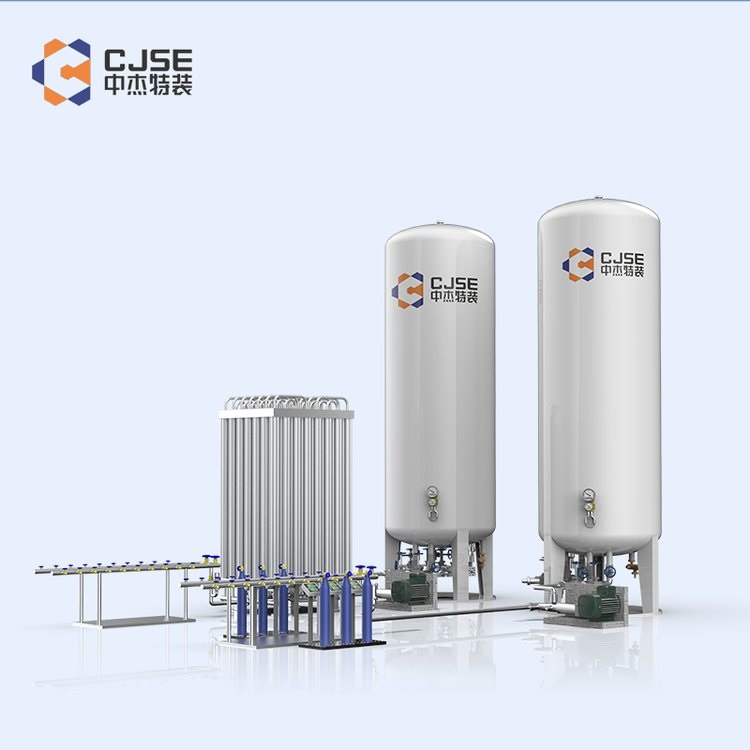
Carbon dioxide capture and recycling is a technology designed to capture carbon dioxide from industrial emissions sources or the atmosphere and store or utilize it to reduce carbon dioxide emissions. Below are some common carbon dioxide capture and recycling techniques:
1. Coal-fired Power Plant Carbon Dioxide Capture: In coal-fired power plants, the carbon dioxide produced by burning coal can be captured and recycled. A common method is to use carbon capture technology to separate the carbon dioxide from flue gas and then store or utilize it.
2. Industrial Emissions Source Carbon Dioxide Capture: Many industrial processes produce carbon dioxide that can be treated with capture and recycling techniques. For example, carbon dioxide produced during the production processes of industries such as steel, cement, and chemicals can be recycled to reduce emissions.
3. Atmospheric Carbon Dioxide Capture: Carbon dioxide in the atmosphere can also be recycled using direct air capture technology. This technology uses adsorbents or chemical reactions to capture and separate carbon dioxide from the atmosphere, which is then stored or utilized.
4. Carbon Dioxide Utilization: Captured carbon dioxide can be used to produce valuable chemicals and fuels. For instance, through carbon dioxide catalytic conversion technology, carbon dioxide can be converted into fuels like ethanol or chemical raw materials.
The development of carbon dioxide capture and recycling technology aims to reduce greenhouse gas emissions and mitigate climate change. However, these technologies are still in continuous development and research, requiring further technical breakthroughs and practical verification for large-scale application.
Shandong Zhongjie Special Equipment, welcome customers to our factory for business discussions.
WeChat Official Account

Scan to follow Official Account



















