


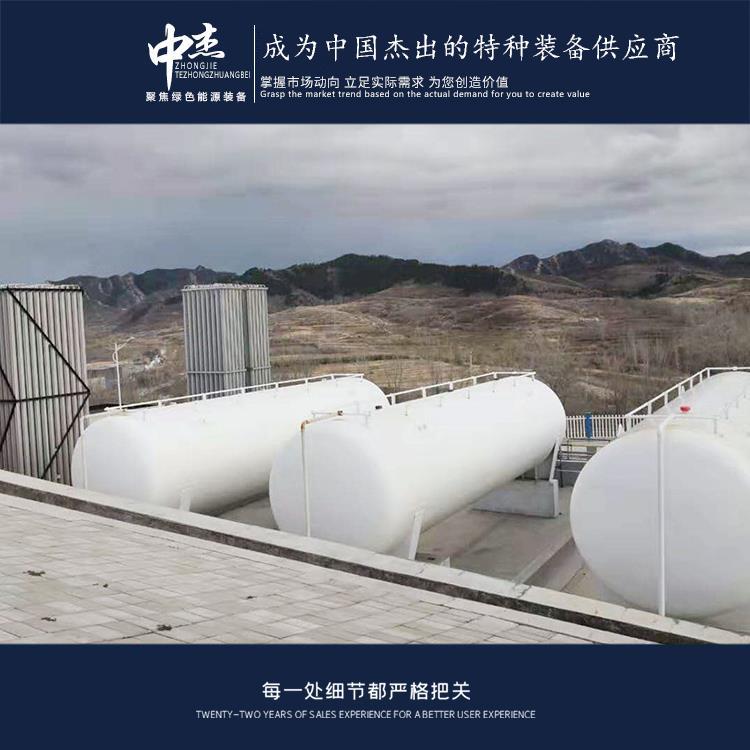

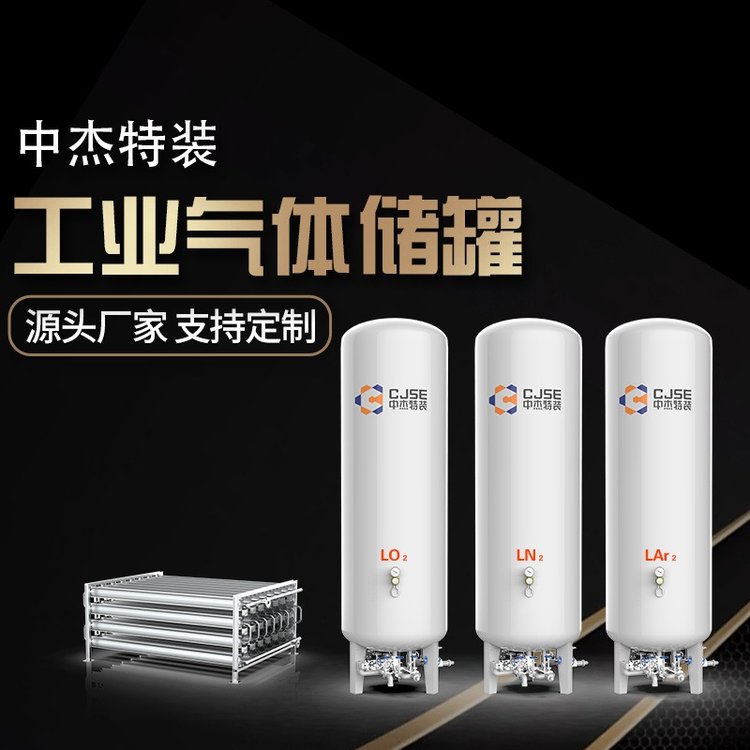


















Shandong Zhongjie Special Equipment (formerly Heze Boiler Factory Co., Ltd.) holds an A-grade boiler manufacturing license, A2-grade pressure vessel manufacturing license, A2-grade pressure vessel design license, B-grade boiler installation, and GB2/Class, GC2/Class pressure pipeline installation licenses, as well as equipment and machinery installation contracting qualifications. It is a member of the China Boiler and Water Treatment Association, the China Chemical Equipment Association, and the council member of the Shandong Equipment Manufacturing Association. The company has also passed the ISO9001 Quality Management System, ISO14001 Environmental Management System, OHSAS18001 Occupational Health and Safety Management System certifications, and the U.S. ASME/U2 certification.
Carbon dioxide has several key applications in the battery industry:
- Solvent in Electrolytes: Carbon dioxide can serve as one of the solvents in battery electrolytes. In certain battery types, it can be mixed with organic solvents to enhance the performance and stability of the electrolyte.
- Protective Gas in Battery Manufacturing: During battery production, carbon dioxide can be used as a protective gas. For instance, during assembly and encapsulation, it can replace air to prevent oxidation and corrosion of battery materials due to oxygen and moisture in the battery.
- Battery Performance Improvement: Carbon dioxide can improve battery performance by altering the atmosphere within the battery. For example, by injecting carbon dioxide gas into the battery, pressure and temperature can be regulated, enhancing the battery's cycle life and safety.
- Carbon Dioxide Capture and Storage: The production of batteries generates carbon dioxide emissions. Carbon dioxide capture and storage technologies can be employed to reduce these emissions. By capturing and storing carbon dioxide, atmospheric emissions can be minimized, reducing environmental impact.
- Note: The application of carbon dioxide in the battery industry is continuously evolving and being researched. With technological advancements and innovation, there may be more breakthroughs and developments in the use of carbon dioxide in this field.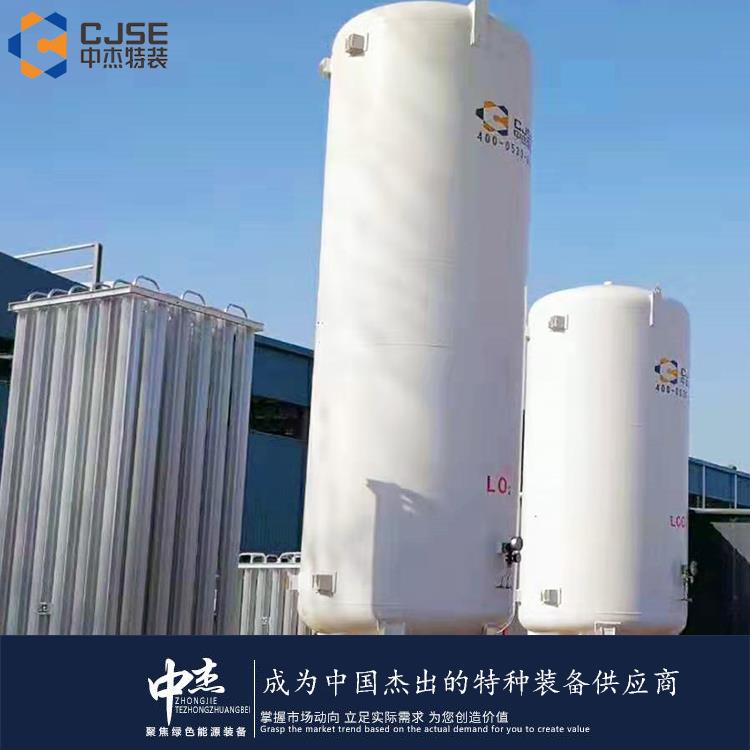
Carbon dioxide storage tank spacing regulations are typically governed by relevant safety codes and standards, with specific spacing requirements potentially varying due to factors such as location, usage, and tank capacity. Here are some common spacing rules:
- Small Spacing Between Tanks: Generally, the small spacing between adjacent tanks should comply with the relevant safety codes and standards. This space ensures that neighboring tanks are not affected in case of a leak or accident.
- Spacing Between Tanks and Buildings: The distance between tanks and buildings also needs to adhere to the relevant codes and standards. This ensures that the buildings are not affected in the event of a tank leak or accident.
- Spacing Between Tanks and Equipment: The spacing between tanks and other equipment (such as pipes, pumps, etc.) must also comply with the relevant codes and standards. This space ensures the proper operation and maintenance of the equipment.
- Safety and Evacuation Routes: Adequate safety and evacuation routes should be established around the tanks for safe personnel evacuation in emergencies.
It should be noted that specific spacing rules may vary depending on different regions and industries. Therefore, when installing and using carbon dioxide storage tanks, it is essential to refer to local safety codes and standards and consult with experts to ensure compliance with the relevant requirements.
Low-temperature CO2 storage tanks are equipment used for storing and transporting low-temperature liquid CO2. Here are some key points about low-temperature CO2 storage tanks:
- Tank Structure: These tanks typically feature a double-walled design, with the inner wall for storing liquid CO2 and the outer wall for insulation. The interior is usually made of stainless steel or aluminum alloy, offering excellent corrosion resistance.
- Storage Temperature: The storage temperature for low-temperature CO2 tanks usually ranges from -40°C to -196°C, depending on specific application requirements. Temperature control is crucial to ensure the stability and safety of the liquid CO2.
- Storage Capacity: The capacity of low-temperature CO2 storage tanks can be selected based on actual needs, ranging from a few thousand to tens of thousands of liters. The capacity choice should consider storage requirements, supply frequency, and space constraints.
- Safety Protection: Low-temperature CO2 storage tanks require safety protection devices, such as pressure relief devices (e.g., safety valves), pressure sensors, and temperature sensors, to ensure internal pressure and temperature remain within safe limits.
- Transportation: These tanks can be transported via road, rail, or ship. Proper insulation measures must be taken during transport to maintain the low-temperature state of the liquid CO2 inside.
- Safe Operation: The operation of low-temperature CO2 storage tanks requires training and adherence to relevant safety procedures. Operators should be familiar with the tank's characteristics and safety considerations to ensure safe and effective operation.
- Regular Inspection and Maintenance: Low-temperature CO2 storage tanks need regular inspections and maintenance, including visual inspections, valve and pipeline checks, and pressure relief device checks. Regular maintenance ensures the tank operates normally and safely.
- The above points provide some knowledge about low-temperature CO2 storage tanks. When using and operating these tanks, it is essential to follow relevant safety regulations and standards, and consult with experts to ensure safety and effectiveness.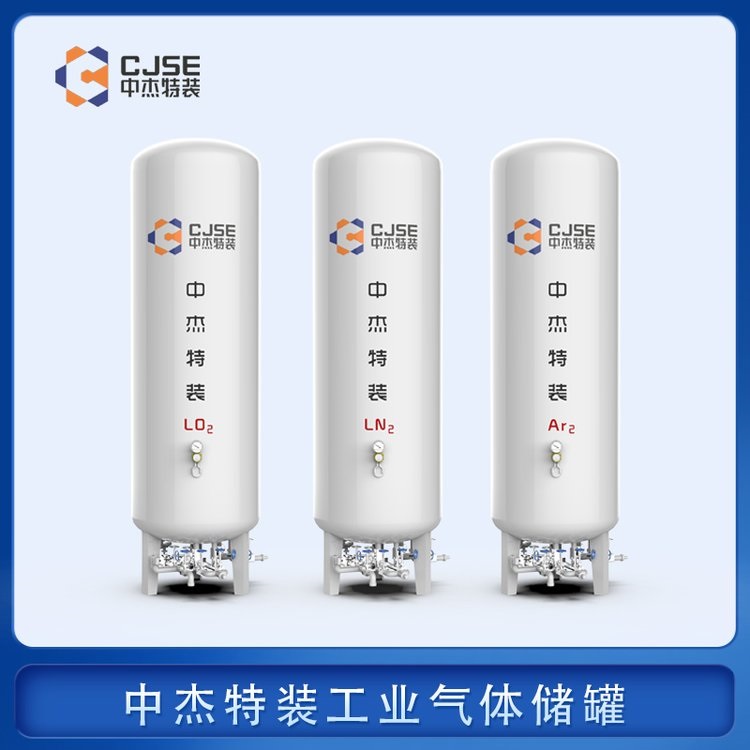
Carbon dioxide is widely used as a protective gas in metal welding processes during welding. The following are the main applications of carbon dioxide in welding:
Gas Metal Arc Welding (GMAW): Carbon dioxide is commonly used as the protective gas in the GMAW welding process. In GMAW welding, the arc generates high temperatures in the welding area, which also causes oxidation reactions with oxygen and water vapor, leading to a decrease in weld quality. By injecting carbon dioxide gas into the welding area, a protective atmosphere is formed, preventing oxygen and water vapor from entering, thereby improving the quality and strength of the weld.
Mixed Gas Metal Arc Welding (GMAW): Carbon dioxide is also often mixed with other gases (such as argon) to form a mixed gas for welding. The use of mixed gases can adjust the arc stability, melt pool formation, and weld quality during welding, enhancing the welding performance.
Gas Shielded Brazing: Carbon dioxide can also be used in gas shielded brazing processes. During brazing, the carbon dioxide gas provides a protective atmosphere, preventing oxidation and contamination in the brazing area, ensuring the quality of the brazed joint.
Gas Shielded Cutting: Carbon dioxide can also be used in gas shielded cutting processes. In gas shielded cutting, by injecting carbon dioxide gas into the cutting area, a protective atmosphere is formed, preventing oxidation and contamination, and improving the quality and speed of cutting.
It should be noted that the application of carbon dioxide in welding processes needs to be adjusted and optimized according to specific welding materials, methods, and requirements. When using carbon dioxide for welding, it is necessary to follow relevant safety operation procedures and guidelines to ensure the safety and quality of the welding process.
Zhongjie Special Equipment adheres to the grand vision of "realizing employee dreams, creating customer value, and striving for the prosperity and strength of our motherland," and is dedicated to the development of the green energy equipment industry. We offer society high-value products and services!
WeChat Official Account

Scan to follow Official Account



















