





















Shandong Zhongjie Special Equipment Co., Ltd. (formerly Heze Boiler Factory Co., Ltd.) was established in 2001, located at No. 2218 Jinnan Road, Economic and Technological Development Zone, Heze City, with a registered capital of 50 million yuan and total assets of 500 million yuan. The company has 7 business centers: boiler, deep-freeze container, pressure vessel, central air conditioning, engineering installation, international trade, and Internet of Things. It has three factory sites on Jinnan Road, East Changjiang Road, and Bohai Road, covering a total area of 200,000 square meters, with the main workshop spanning 83,000 square meters. Currently, there are 710 employees, including 247 engineers and technicians and 82 intermediate-level technicians. In December 2016, it was recognized as a "High-tech Enterprise" by the Science and Technology Department. In June 2021, it was identified as a "Specialized and New Enterprise in Shandong Province" by the Department of Industry and Information Technology. In June 2022, it was recognized as a "Gazelle Enterprise in Shandong Province" and in August 2022, as a "Specialized and New Small Giant Enterprise" by the Ministry of Industry and Information Technology.
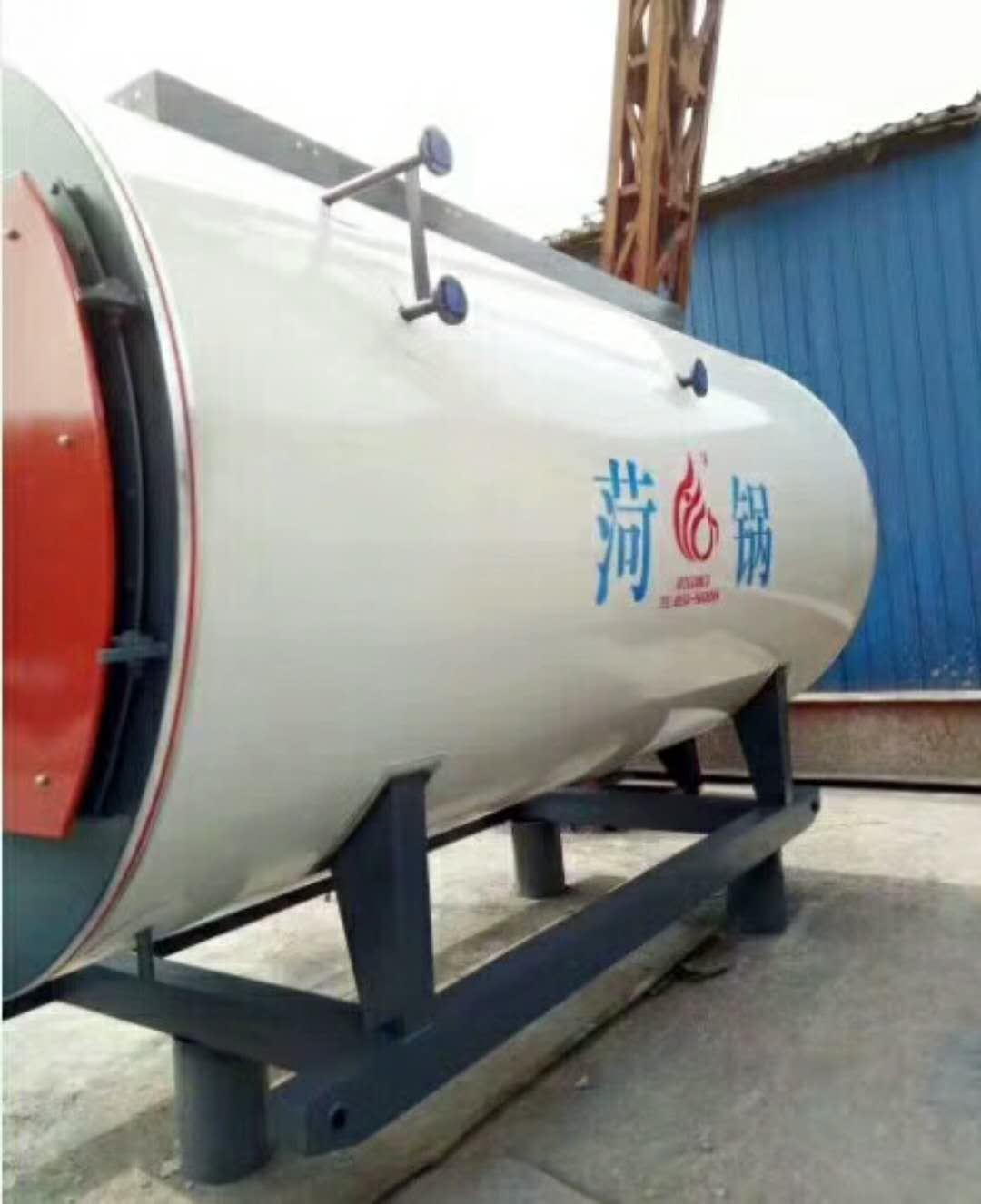
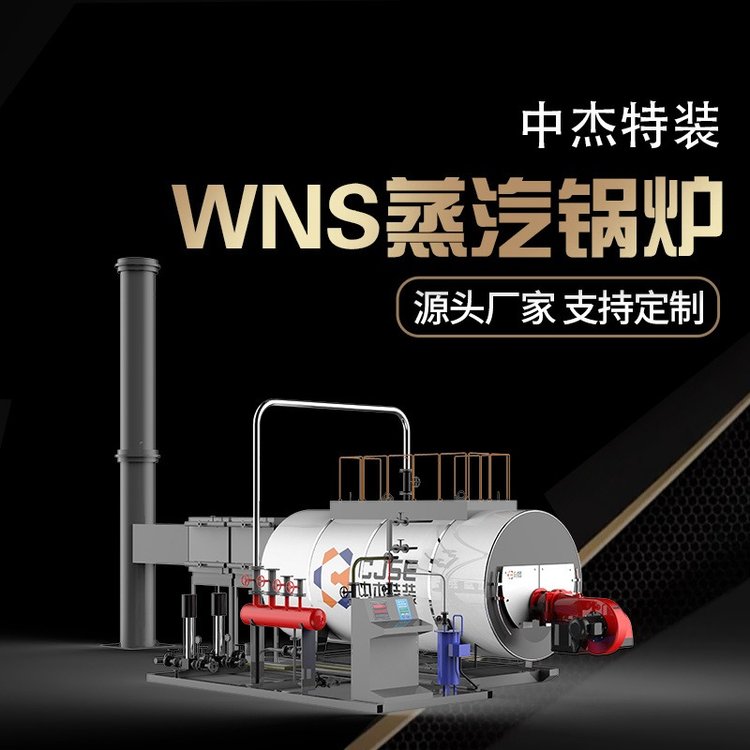
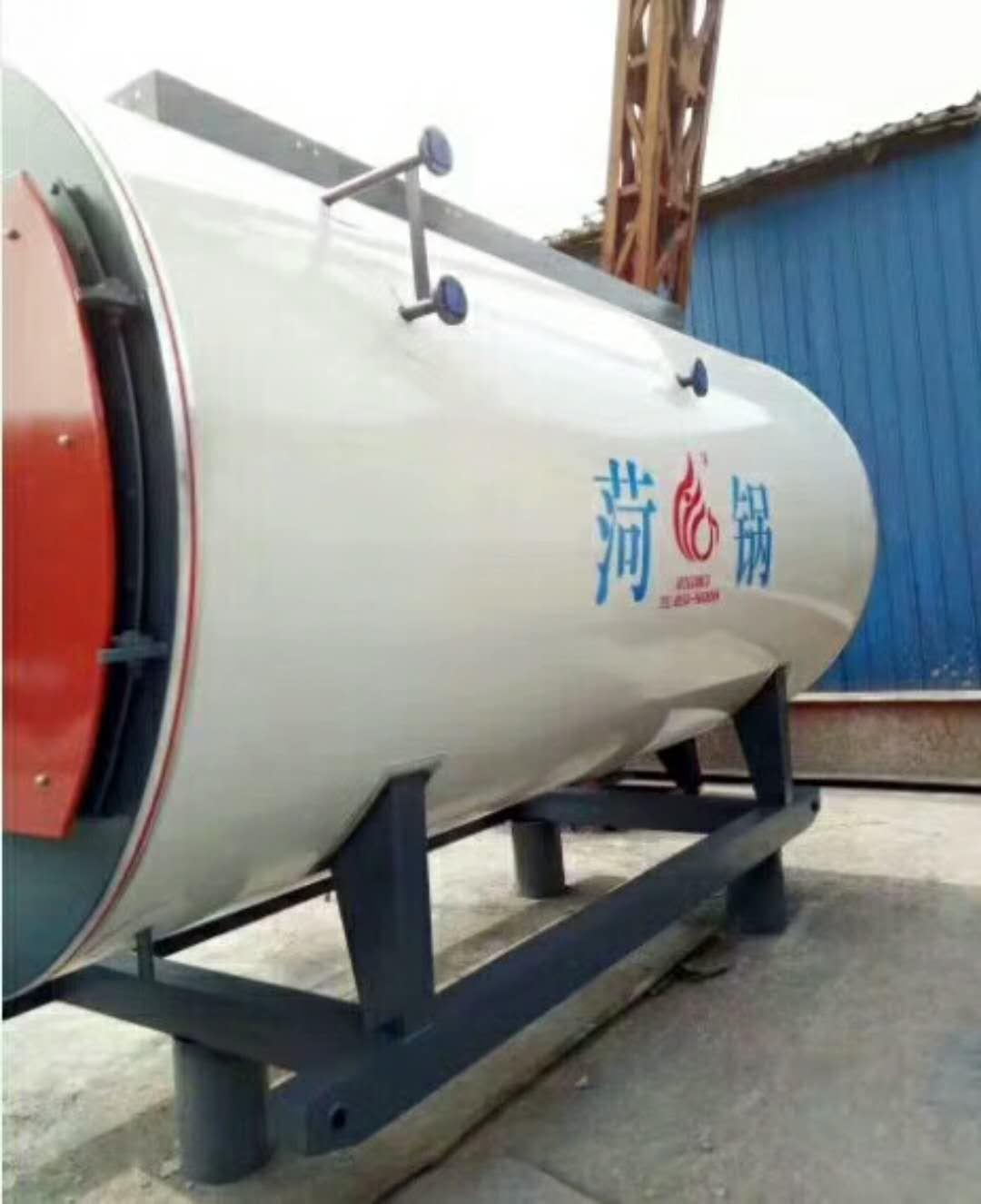
The Zhongjie skid-mounted thermal oil boiler is a common industrial thermal energy equipment featuring the following characteristics: High thermal efficiency: The Zhongjie skid-mounted thermal oil boiler employs advanced combustion technology and heat exchanger design to effectively transfer the thermal energy generated by fuel combustion to the thermal oil, achieving high energy utilization and improving thermal efficiency. Stable and reliable: The materials and precise manufacturing process used in this thermal oil boiler ensure excellent high-temperature resistance and stable operation, allowing for long-term stable operation with high reliability. Temperature control: The Zhongjie skid-mounted thermal oil boiler is equipped with a temperature control system that can monitor and adjust the temperature of the thermal oil in real-time, ensuring temperature accuracy and stability during the process. Safety protection: The boiler is equipped with multiple safety protection devices such as overheat protection, pressure protection, and burner failure protection, effectively preventing accidents. Additionally, the boiler utilizes clean combustion technology, producing minimal emissions and being environmentally friendly. Easy operation: The Zhongjie skid-mounted thermal oil boiler features an intelligent control system with a user-friendly interface and easy parameter adjustment, making operation simple and reducing operational difficulty and labor costs. Overall, the Zhongjie skid-mounted thermal oil boiler is characterized by stability and reliability, suitable for many industrial fields such as chemicals, textiles, and food processing, providing users with reliable thermal energy supply and process temperature control.
Steam boiler equipment water treatment refers to the process of treating water in steam boilers to ensure normal operation and extend the lifespan of the equipment. Below is the basic knowledge of steam boiler equipment water treatment:
Water Quality Requirements: The water quality in steam boilers requires high standards, usually necessitating the removal of impurities, dissolved oxygen, and hard substances. Impurities and hard substances can lead to scaling and corrosion on the boiler walls, while dissolved oxygen can cause corrosion and the formation of bubbles.
Removal of Impurities: Common methods for removing water impurities include sedimentation, filtration, and ion exchange. Sedimentation involves adding chemical agents to make impurities settle, filtration filters out impurities through a filtering medium, and ion exchange uses resin to adsorb and exchange ions to remove impurities from the water.
Hardness Adjustment: The main hardness substances in water are calcium and magnesium salts, which can cause scaling on the boiler walls. Hardness can be adjusted by adding chemical agents or using water softening equipment to prevent scaling issues.
Removal of Dissolved Oxygen: Dissolved oxygen can cause corrosion and the formation of bubbles. It can be removed by adding oxidizing agents or using deaeration equipment.
pH Control: The pH value of water in steam boilers affects equipment corrosion and scaling. It is usually necessary to maintain the water pH within an appropriate range, using buffers or regulators to adjust the pH value.
Regular Testing and Maintenance: Regular water quality testing of the steam boiler equipment should be conducted, including measuring hardness, dissolved oxygen, and pH levels. Appropriate water treatment measures and maintenance should be implemented based on the test results.
Steam boiler equipment water treatment is a crucial step in ensuring normal boiler operation and extending equipment life. Rational water treatment measures can effectively prevent scaling, corrosion, and malfunctions on the boiler walls.
To optimize and improve the planning of gas boiler systems, consider the following aspects:
1. Energy Audit and Assessment: Conduct a comprehensive energy audit and assessment to understand the energy consumption of the gas boiler system and identify potential energy-saving opportunities. Through data analysis and energy measurement, determine the main sources of energy consumption and bottlenecks, providing a basis for subsequent optimization.
2. Combustion System Optimization: Optimize the combustion system of the gas boiler, including adjustments and cleaning of burners, control of the ratio of gas to air, and maintenance of the combustion chamber. Ensure high combustion efficiency and high gas utilization, reducing energy waste.
3. Heat Recovery Utilization: Consider installing heat recovery devices such as waste heat recovery units or flue gas heat exchangers. These devices can utilize the excess heat from the flue gas emitted by the gas boiler to heat water or other equipment requiring heat, improving energy efficiency.
4. Pipe Insulation and Leak Inspection: Ensure that the insulation of gas and hot water pipes is effective, reducing energy loss. Regularly inspect for pipe leaks and repair them promptly to avoid energy waste and safety hazards.
5. Control System Upgrade: Consider upgrading the control system of the gas boiler to adopt automated control technology. Through precise control and adjustment, achieve optimal operation of the gas boiler.
Selecting the right thermal oil heater requires considering the following aspects:
- Thermal Load Demand: First, determine the required thermal load of the heater, i.e., the heat energy needed to be supplied. Establish the rated power and thermal load range of the heater based on actual needs to ensure sufficient heat energy supply.
- Operating Temperature and Pressure: The operating temperature and pressure range of the heater must match the actual application scenario. Select the appropriate temperature and pressure range according to process requirements and working environment to ensure stable operation of the heater.
- Thermal Oil Type: Choose the appropriate type of thermal oil based on process requirements and working environment. Common thermal oils include silicone thermal oil, organic thermal oil, and mineral oil thermal oil, etc. Different types of thermal oils have varying operating temperature ranges and performance characteristics, so selection should be based on actual needs.
- Equipment Quality and Reputation: Choose a supplier with a good reputation for quality thermal oil heaters. Ensure that the manufacturing process and material quality are reliable, providing stable and reliable operational performance and after-sales service.
- Safety and Environmental Protection: The safety and environmental protection of the thermal oil heater are important considerations. Select a heater with safety protection devices and environmental certifications to ensure personnel and equipment safety during operation.
- Cost-effectiveness and Energy Efficiency: Consider the cost-effectiveness and energy efficiency of the thermal oil heater. Choose a heater with high energy efficiency and energy-saving features to reduce energy consumption and operating costs.
- By considering all these factors and selecting a thermal oil heater that meets actual needs, you can ensure the stable operation of the equipment.
Shandong Zhongjie Special Equipment, welcome clients to our factory for business talks.
WeChat Official Account

Scan to follow Official Account



















