


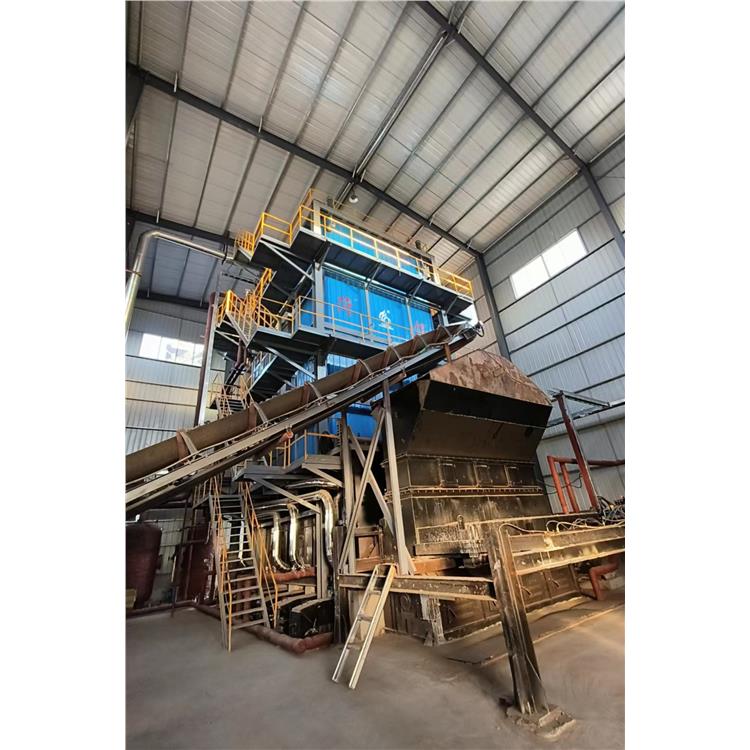

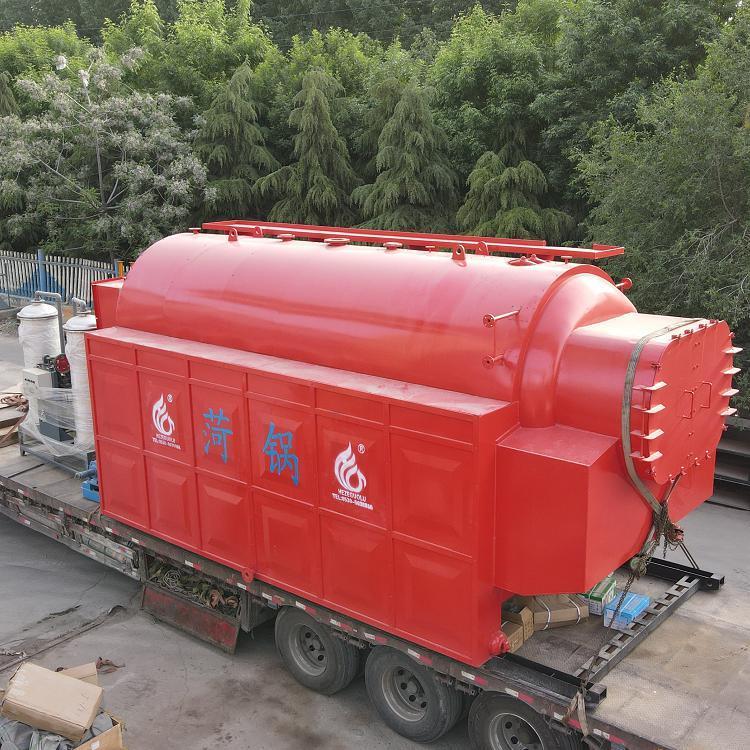
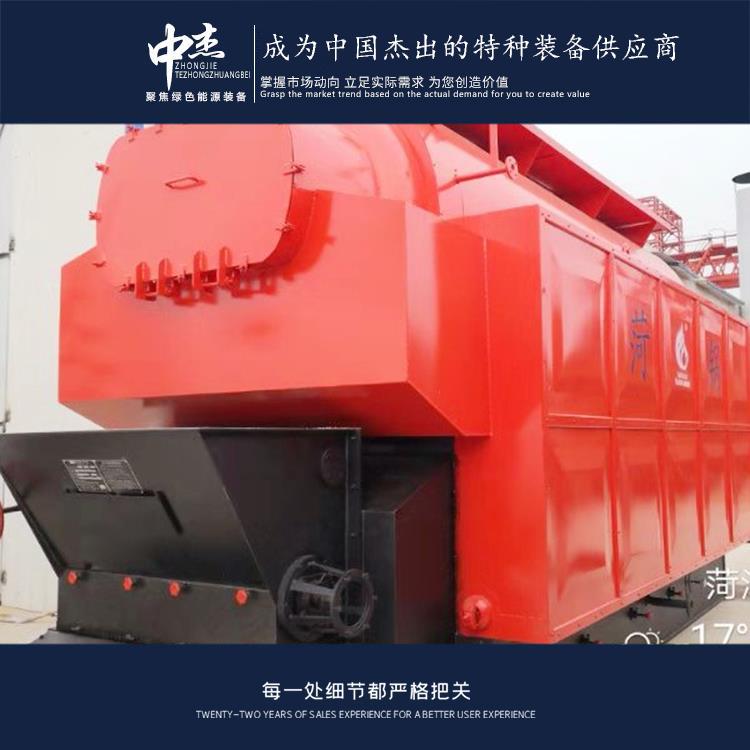


















Shandong Zhongjie Special Equipment (formerly Heze Boiler Factory Co., Ltd.) holds an A-grade boiler manufacturing license, an A2-grade pressure vessel manufacturing license, an A2-grade pressure vessel design license, a B-grade boiler installation license, and GB2/Class and GC2/Class pressure pipeline installation licenses, as well as an equipment and machinery installation contracting license. It is a member of the China Boiler and Water Treatment Association, the China Chemical Equipment Association, and a council member of the Shandong Equipment Manufacturing Association. The company has also passed certifications for the ISO9001 Quality Management System, ISO14001 Environmental Management System, OHSAS18001 Occupational Health and Safety Management System, and the U.S. ASME/U2 certification.
The fully automatic biomass boiler uses a feedwater pump to maintain constant pressure, which is a common water supply method. The specific working principle is as follows:
Supply Pump: The fully automatic biomass boiler is equipped with a supply pump, designed to pump water from the water source (such as a water tank or municipal water supply) into the boiler's water supply system.
Pressure Regulation: The feed water pump operates on a constant pressure system. This involves installing a pressure sensor or controller in the boiler water supply system to monitor the pressure. If the pressure in the water supply system falls below the set value, the feed water pump will automatically activate, replenishing water to the system to increase the pressure.
Pressure Control: The feed pump will control the water supply based on the set pressure range. Once the system pressure reaches the set value, the feed pump will cease operation to prevent excessive pressure.
Automation Control: The water supply system of a fully automatic biomass boiler is typically equipped with an automated control system that can intelligently manage based on the boiler's operating status and requirements. For instance, when the boiler needs to replenish water, the control system will automatically activate the feedwater pump to ensure the stable operation of the water supply system.
By employing a constant pressure water supply pump, the fully automatic biomass boiler achieves automated control of the water supply system and stable water supply, ensuring the boiler operates normally and safely. This method can be adjusted and optimized according to actual needs, enhancing water supply and energy utilization efficiency.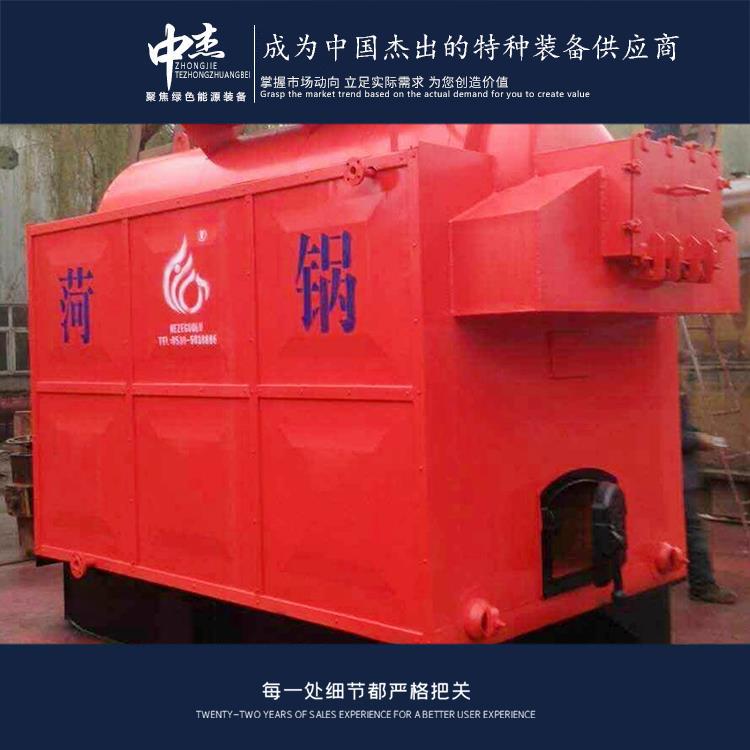
Many factors can influence the thermal efficiency of biomass boilers; here are some common factors analyzed:
Fuel Quality: The quality of biomass fuel directly impacts the combustion process and thermal efficiency. Characteristics such as fuel moisture, ash content, and volatile content affect the stability and efficiency of combustion. An appropriate amount of fuel can enhance combustion efficiency and reduce energy loss.
Combustion System: The design and operating state of the combustion system significantly impact thermal efficiency. A well-designed combustion system ensures complete combustion and utilization of fuel. Adjustments to parameters such as combustion air volume, combustion temperature, and combustion time can optimize the combustion process and enhance thermal efficiency.
Excess Air: Excess air can lead to incomplete fuel combustion and energy waste. Properly controlling the air supply during the combustion process and avoiding excess air entering the furnace can improve combustion efficiency.
Temperature Control: The temperature control of the boiler significantly impacts thermal efficiency. Properly controlling parameters such as the water and steam temperatures, avoiding both excessively high and low temperatures, can enhance thermal efficiency.
Cleaning and Maintenance: Regularly clean and maintain boiler equipment, removing ash and slag from the furnace chamber to maintain heat exchange efficiency and reduce thermal resistance and losses.
Flue Gas Waste Heat Recovery: By utilizing waste heat recovery systems such as economical air preheaters and economizers, the waste heat in flue gas can be recovered and utilized, thereby improving the boiler's thermal efficiency.
Boiler design and equipment selection: Rational boiler design and selected equipment, such as burners, high
Consider the following aspects when looking to purchase a high-value hot water boiler:
Market Research: Conduct market research before purchasing to understand the different models of hot water boilers, comparing their performance, quality, and price differences. Information can be obtained through the internet, consulting experts, or referring to user reviews.
Choose Reliable: Opt for reputable hot water boilers, which generally offer higher product quality and after-sales service guarantees. Repute can be assessed by reviewing relevant materials, consulting experts, or referring to customer reviews.
Pay attention to product quality: When purchasing a hot water boiler, focus on the quality of the product. Check for certifications and compliance with standards, and understand the manufacturing process and material selection. Additionally, refer to customer reviews to learn about the actual usage of the product.
Performance and Requirement Matching: Choose a suitable hot water boiler model and specification based on your specific hot water needs and usage scenarios. Consider performance indicators such as the hot water boiler's thermal efficiency, heating speed, and capacity to ensure they meet actual requirements.
Price Comparison: When selecting a hot water boiler, it's essential to conduct a price comparison, taking into account factors like product performance, quality, and pricing. Consult with multiple suppliers for quotes, compare and negotiate to secure a more reasonable price.
After-sales Service: When purchasing a hot water boiler, pay attention to the quality and guarantee of after-sales service. Understand the supplier's after-sales service policies, maintenance, and other details to ensure timely technical support and repair during use.
Possible reasons for incomplete combustion in biomass boilers may include the following aspects:
Poor fuel quality: Low-quality biomass fuel, such as fuel with high moisture content and uneven particle sizes, can affect the combustion process. Fuel with high moisture content can lead to lower combustion temperatures and incomplete combustion.
Insufficient air supply: Air is essential during the combustion process. If the air supply is insufficient, the fuel cannot react fully with oxygen, leading to incomplete combustion. Possible causes include blocked air inlets, fan malfunctions, etc.
Unstable combustion system: The instability of the combustion system may also lead to incomplete combustion. For instance, improper adjustment of the burner, or an irrational design of the combustion chamber, can both affect the stability of the combustion process.
Insufficient combustion temperature: Low combustion temperature can lead to incomplete combustion. Possible causes include improper adjustment of the burner and unstable fuel supply.
Ash Accumulation in Combustion Chamber: Ash buildup in the combustion chamber can affect the combustion process, obstructing fuel and oxygen contact, leading to incomplete combustion.
Insufficient combustion time: Insufficient combustion time can also lead to incomplete burning. If fuel stays in the combustion chamber too briefly, it cannot burn thoroughly, resulting in unburned fuel residues.
Inadequate combustion chamber design: An improperly designed combustion chamber, such as one that is too large or too small, hinders the full mixing of fuel and oxygen, leading to incomplete combustion.
Above are some possible causes of incomplete combustion in biomass boilers, which require analysis and resolution based on specific situations. Regular maintenance and care, reasonable fuel selection, and optimization of the combustion system are all necessary.
Shandong Zhongjie Special Equipment, welcome customers to our factory for business discussions.
WeChat Official Account

Scan to follow Official Account



















