


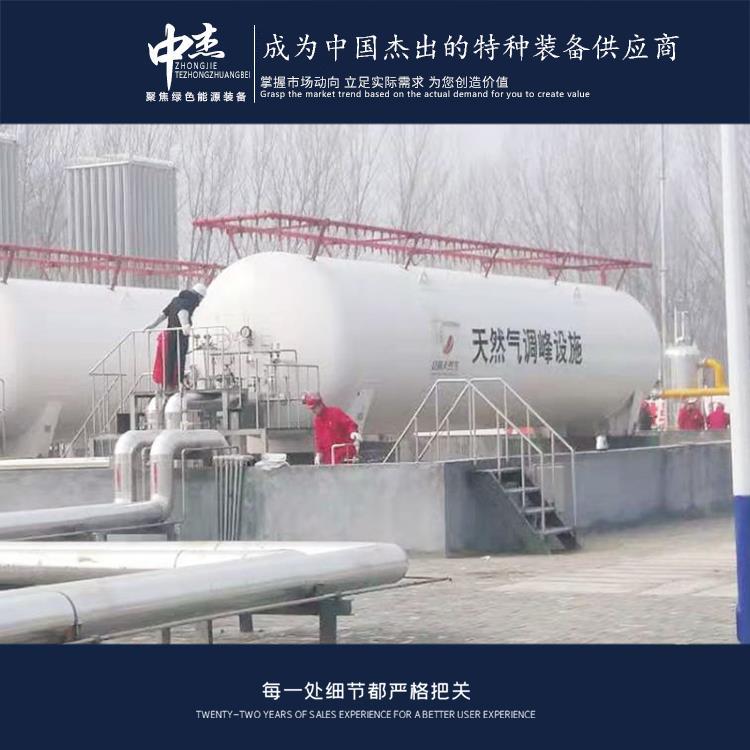

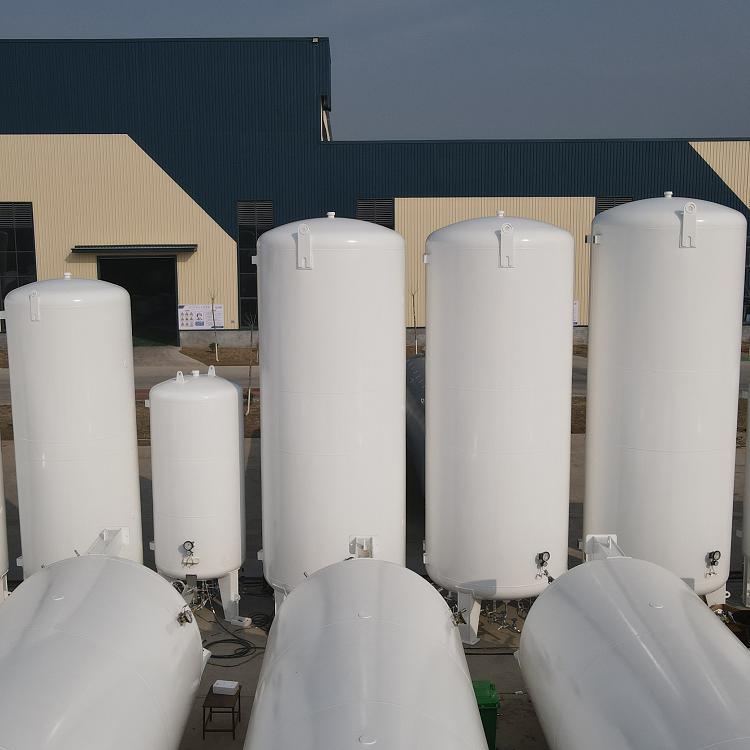
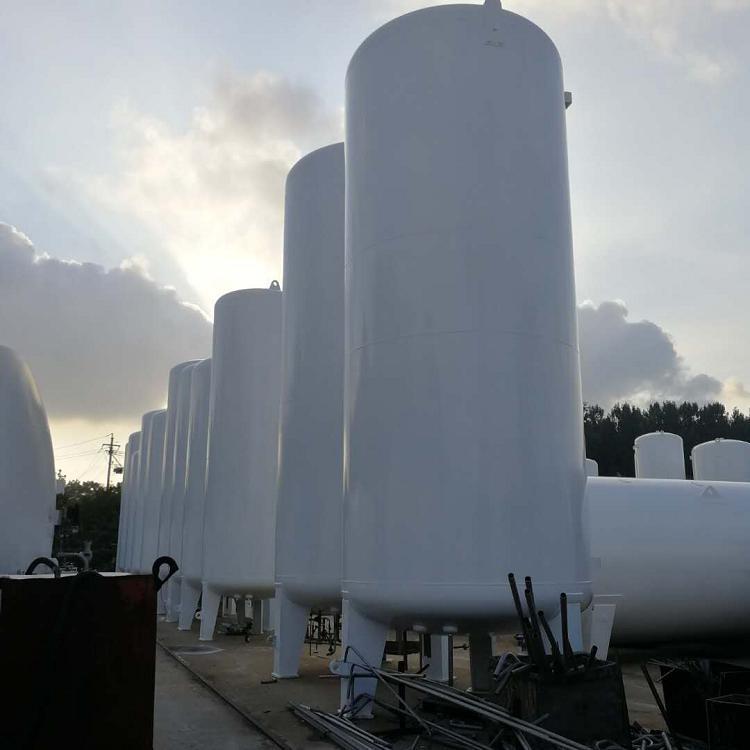


















Shandong Zhongjie Special Equipment's main products include: fuel (gas) boilers, organic heat carrier boilers, biomass boilers, waste heat recovery boilers, and other boiler products; vacuum insulation cryogenic pressure vessels such as LNG tanks, oxygen/nitrogen/argon tanks, and CO2 tanks; pressure vessel products such as denitrification engineering equipment, heat storage and energy storage equipment, and complete chemical equipment; central air conditioning and HVAC equipment such as ground (water) source heat pumps, air source units, water-cooled screw units, and air-cooled modular units. Planned products include large-scale energy centers, LNG transport vehicles, LNG tank containers, and other green energy equipment.
Carbon dioxide is widely used as a shielding gas in metal welding processes. Here are the main applications of carbon dioxide in welding:
Gas Metal Arc Welding (GMAW): Carbon dioxide is commonly used as a shielding gas in the GMAW welding process. In GMAW welding, the arc generates high temperatures in the welding area, which can also cause oxidation reactions with oxygen and water vapor, leading to reduced weld quality. By injecting carbon dioxide gas into the welding area, a protective atmosphere is formed, preventing oxygen and water vapor from entering, thereby improving the quality and strength of the weld.
Mixed Gas Shielding Welding (GMAW): Carbon dioxide is also often mixed with other gases (such as argon) to form mixed gas shielding welding. The use of mixed gases can adjust the arc stability, molten pool formation, and weld quality during the welding process, enhancing the welding results.
Gas Shielded Brazing: Carbon dioxide can also be used in gas shielded brazing processes. During brazing, the carbon dioxide gas provides a protective atmosphere, preventing oxidation and contamination in the brazing area, ensuring the quality of the brazed joints.
Gas Shielded Cutting: Carbon dioxide can also be used in gas shielded cutting processes. In gas shielded cutting, by injecting carbon dioxide gas into the cutting area, a protective atmosphere is formed, preventing oxidation and contamination, and improving the quality and speed of the cutting.
It is important to note that the application of carbon dioxide in welding needs to be adjusted and optimized according to specific welding materials, methods, and requirements. When using carbon dioxide for welding, it is necessary to follow relevant safety operating procedures and guidelines to ensure the safety and quality of the welding process.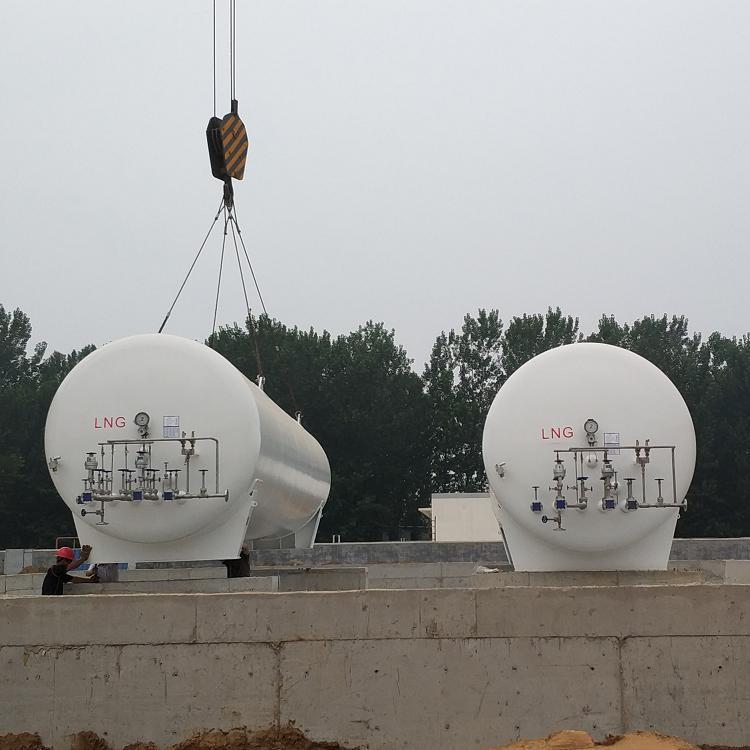
Carbon dioxide storage tanks possess the following safety technical features:
- High-strength materials: Carbon dioxide tanks are typically made from high-strength steel or alloy materials to withstand stresses and loads under high pressure and low-temperature environments.
- Safety valves and pressure relief devices: The tanks are equipped with safety valves and pressure relief devices to control internal pressure and prevent overpressure and explosions. When internal pressure exceeds the set value, the safety valve will automatically open to release pressure.
- Insulation layer: An insulation layer is internally installed to reduce heat conduction and liquid evaporation. The insulation layer usually consists of multi-layer structures, including thermal insulation materials and an external protective layer, to maintain stable internal temperatures.
- Level monitoring and control: The tanks are fitted with level monitoring devices to monitor the liquid level inside. Timely monitoring and control of the level ensure the liquid stored within the tank remains within a safe range.
- Fire and explosion prevention measures: Fire-resistant coatings, fire isolation areas, and explosion-proof devices are implemented to prevent fires and explosions.
- Leak detection and alarm system: The tanks are equipped with leak detection and alarm systems to promptly detect and alert of any leaks. Quick response and handling can minimize the safety risks caused by leaks.
- Regular inspections and maintenance: Tanks require regular inspections and maintenance, including visual inspections, valve maintenance, and pressure tests. Regular maintenance ensures the safety and reliability of the tanks.
Note that the specific safety technical features of carbon dioxide storage tanks may vary depending on the type and application of the tank. When using carbon dioxide storage tanks, relevant regulations and standards should be followed.
The internal structure of a carbon dioxide storage tank typically includes the following main components:
- Tank Shell: The tank shell is the primary container for storing carbon dioxide, usually made of carbon steel or stainless steel. It has sufficient strength and密封性 to withstand the pressure and loads inside the tank.
- Lining Layer: To prevent direct contact between carbon dioxide and the tank shell, avoiding corrosion and contamination, the interior of the tank is usually coated with a lining layer. The lining layer is typically made of corrosion-resistant materials such as glass fiber reinforced plastic, polyester resin, etc.
- Support Structure: To support the weight of the tank and maintain stability, the interior of the tank usually features a support structure. This can be in the form of support feet, brackets, etc., to support the bottom and side walls of the tank.
- Internal Accessories: The tank is also equipped with some important accessories, such as level gauges, pressure sensors, temperature sensors, safety valves, etc. These accessories are used to monitor and control the liquid level, pressure, and temperature inside the tank to ensure safe operation.
- Pressure Relief Device: To prevent excessive internal pressure, the tank is usually fitted with a pressure relief device, such as a safety valve. When the internal pressure of the tank exceeds the set value, the pressure relief device will automatically open to release pressure, protecting the safety of the tank.
- Inlet and Outlet Pipes: The tank also contains inlet and outlet pipes for injecting and discharging carbon dioxide. These pipes are typically connected to external supply or consumption systems to facilitate the storage and use of carbon dioxide.
- The above describes the general internal structure of carbon dioxide storage tanks. Specific structural design and configurations may vary depending on the tank's purpose and specifications. When using and maintaining the tank, it is necessary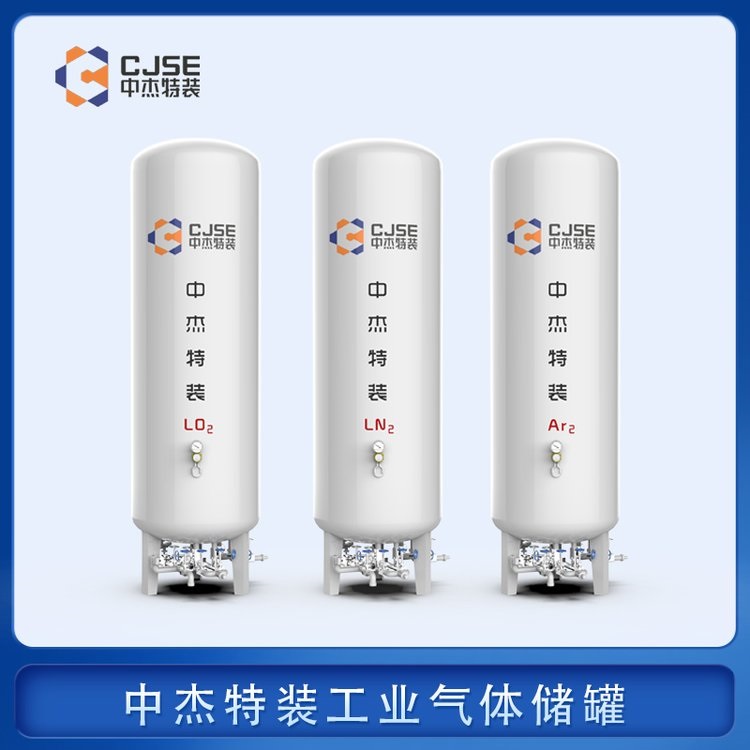
For the maintenance and care of low-temperature liquid storage tanks, here are some tips and precautions:
- Regular Inspections: Regularly check the tank's exterior, internal lining, valves, and pipe connections. Look for signs of corrosion, cracks, or oil leaks.
- Cleaning and Draining: Regularly clean the interior of the tank to remove accumulated impurities and sediments. Also, regularly drain the tank to remove liquid and gas impurities.
- Corrosion Prevention: The exterior and inner lining of low-temperature liquid storage tanks should be treated for corrosion resistance. Regularly inspect and maintain the corrosion protection layer or coating to ensure its integrity and effectiveness.
- Temperature and Pressure Control: The temperature and pressure of the low-temperature liquid storage tank should be controlled within the design limits. Avoid extremes that could damage the tank.
- Safety Equipment Checks: Inspect the tank's safety equipment, such as safety valves, pressure sensors, and temperature sensors, to ensure they are functioning properly. Verify that their set parameters meet requirements.
- Maintenance of Level Measurement Systems: Regularly check and calibrate the level measurement system to ensure accuracy and reliability. Clean or replace level sensors as needed.
- Fire Prevention Measures: Fire prevention is crucial for low-temperature liquid storage tanks. Ensure that fire protection equipment around the tank is in good condition and conduct fire drills regularly.
- Regular Assessments and Monitoring: Regularly assess and monitor the tank, including structural integrity, corrosion, and safety. Take appropriate maintenance and repair actions based on assessment results.
- Operator Training: Operators should be trained to understand the characteristics, operational requirements, and safety measures of low-temperature liquid storage tanks. Training should include safe operation, leak handling, and emergency procedures.
Shandong Zhongjie Special Equipment, welcome customers to our factory for business discussions.
WeChat Official Account

Scan to follow Official Account



















