


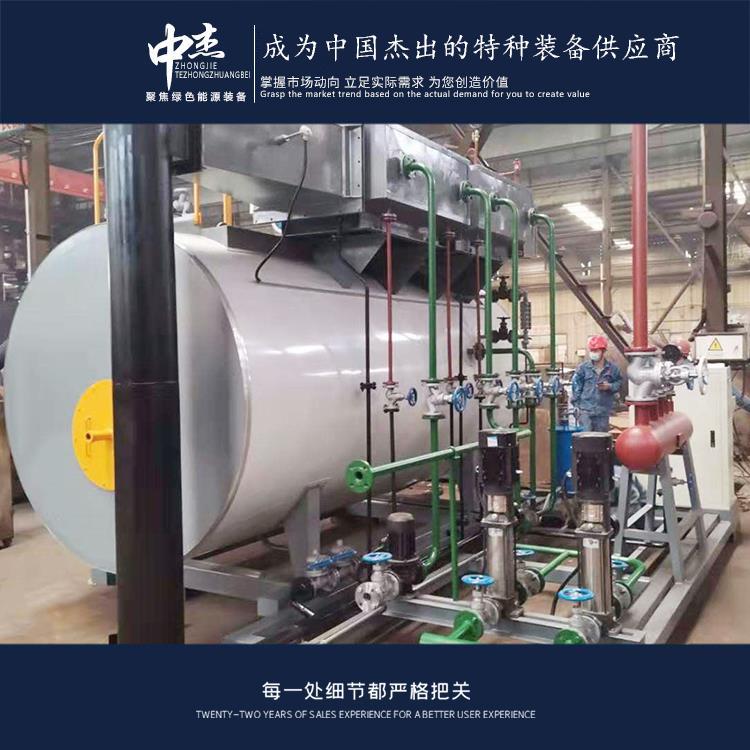

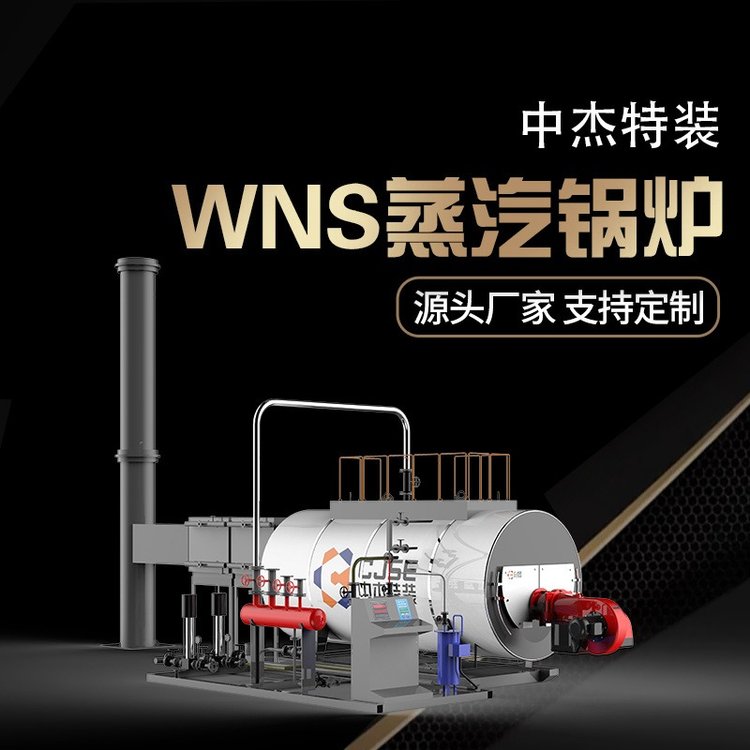
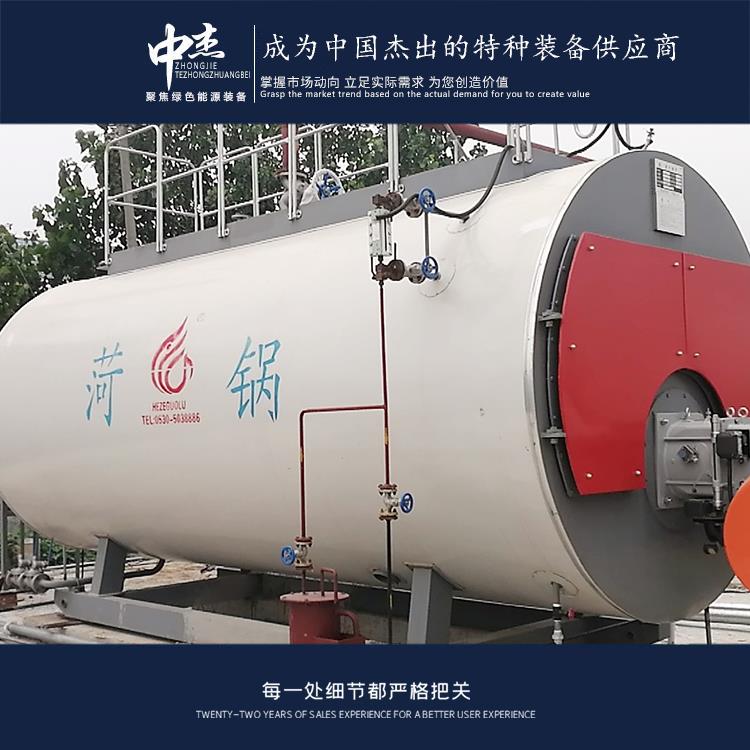


















Shandong Zhongjie Special Equipment (formerly Heze Boiler Factory Co., Ltd.) was established in 2001, located at No. 2218 Jinnan Road, Development Zone, Heze City, with a registered capital of 50 million yuan and total assets of 500 million yuan. The company has 7 business centers: boiler, deep-freeze container, pressure vessel, central air conditioning, engineering installation, international trade, and Internet of Things. It has three factory sites on Jinnan Road, East Changjiang Road, and Bohai Road, covering a total of 200,000 square meters, with the main workshop spanning 83,000 square meters. It currently employs 710 people, including 247 engineers and technicians and 82 intermediate-level technical personnel. In December 2016, it was recognized as a "High-tech Enterprise" by the Science and Technology Department. In June 2021, it was identified as a "Specialized and New Enterprise in Shandong Province" by the Ministry of Industry and Information Technology. In June 2022, it was recognized as a "Gazelle Enterprise in Shandong Province" and in August 2022, it was identified as a "Specialized and New Small Giant Enterprise" by the Ministry of Industry and Information Technology.
Properly utilizing fuel-gas boilers can enhance energy efficiency and reduce consumption. Here are some suggestions:
1. Select the right boiler model: Choose a suitable fuel-gas boiler model based on actual needs, considering factors like thermal load, fuel type, and combustion efficiency.
2. Regular inspection and maintenance: Conduct regular checks and maintenance on fuel-gas boilers to ensure proper operation. This includes cleaning burners, inspecting the combustion system, adjusting parameters, and promptly repairing or replacing damaged parts.
3. Control combustion process: Manage the combustion process effectively to ensure complete, stable, and efficient burning. Adjust parameters like air flow and fuel supply to enhance combustion efficiency and minimize energy waste.
4. Heat recovery: Utilize waste heat recovery systems to capture and reuse the excess heat from flue gases. This can be used for heating water or other heat-intensive processes, boosting energy efficiency.
5. Control boiler operating parameters: Adjust boiler operating parameters like water level, pressure, and temperature based on actual needs and conditions. Avoid excessively high or low settings to improve efficiency and safety.
6. Regularly clean heat exchangers: Clean the heat exchangers of fuel-gas boilers regularly to remove dirt and deposits. This maintains heat transfer efficiency and reduces energy loss.
7. Energy management: Establish an energy management system, monitor and analyze energy consumption, and develop reasonable energy use plans and energy-saving measures. Scientific management can improve energy efficiency and reduce consumption.
These are common methods and suggestions, but specific application should be determined based on actual conditions and boiler characteristics. Also, comply with relevant laws, regulations, and safety procedures to ensure safe operation of fuel-gas boilers.
Potential operational issues with the fuel system of a thermal oil furnace include:
- Inadequate fuel quality: Using low-quality or contaminated fuel can cause problems with the fuel system. For instance, the presence of impurities, water, or excessive viscosity can lead to clogging of fuel pumps, injectors, and burners, affecting fuel supply and combustion efficiency.
- Failure to regularly clean or replace the fuel filter: The fuel filter's purpose is to filter out impurities and particles from the fuel to prevent them from entering the fuel system. If the fuel filter is not cleaned or replaced regularly, it can become clogged, affecting fuel flow and supply.
- Improper adjustment of the fuel pump: Proper adjustment of the fuel pump is crucial for maintaining stable fuel supply volume and pressure. Incorrect adjustment can result in either excessive or insufficient fuel supply, leading to incomplete combustion or insufficient fuel supply, affecting the furnace's temperature and thermal efficiency.
- Clogging or wear of the fuel nozzle: The fuel nozzle is a critical component that atomizes and injects fuel into the furnace. If the nozzle is clogged or worn, it can cause uneven fuel injection or incorrect angles, affecting combustion efficiency and heat output.
- Inadequate fuel preheating: Fuel must be preheated before entering the burner to improve combustion efficiency. Insufficient preheating can increase fuel viscosity, affecting its flow and injection performance.
- Fuel system oil leaks: The sealing integrity of the fuel system is essential for stable fuel supply. Oil leaks in the fuel system can lead to fuel supply instability.
Choose a reputable gas boiler supplier, it's crucial. Here are some considerations:
- Reputation: Understand the reputation and market feedback of the gas boiler supplier. You can gather relevant information by reviewing customer reviews, industry reports, and certifications from institutions.
- Quality and Performance: The quality and performance of gas boilers directly impact their reliability and efficiency. Learn about the supplier's quality control system, product certifications, and technical support capabilities to ensure their products meet standards and factory requirements.
- Technical Support and After-Sales Service: Selecting a supplier that offers comprehensive technical support and after-sales service is vital. Make sure the supplier can provide training, installation guidance, maintenance, and troubleshooting support to ensure the normal operation of the gas boiler.
- Cost-Effectiveness: In addition to product quality and performance, consider the cost-effectiveness of the gas boiler. Weigh the purchase cost, operating cost, and maintenance cost to choose a supplier that offers reasonable pricing and value.
Ultimately, selecting a trustworthy gas boiler supplier requires considering these factors and making a decision based on the specific needs and conditions of your factory. It's recommended to communicate and compare with multiple suppliers to gather more information and advice for an informed choice.
When operating a gas boiler, there are three important points to be aware of:
1. Safe Operation: A gas boiler is a thermal energy equipment, and safety should be a priority during operation. First, ensure that the operator has the relevant skills and knowledge, and understands the boiler's working principle and operating procedures. Second, strictly prohibit storing flammable materials around the boiler and maintain good ventilation. Additionally, regularly inspect and maintain the safety valve, pressure gauge, and other safety devices to ensure they function properly.
2. Proper Adjustment of Gas Supply: The combustion of a gas boiler requires an appropriate amount of gas supply. During operation, adjust the gas supply based on actual needs to ensure stable combustion. At the same time, regularly check the tightness of the gas pipeline and valves to prevent gas leaks.
3. Regular Maintenance and Cleaning: Regular maintenance and cleaning of a gas boiler are crucial for maintaining its normal operation and extending its lifespan. Regularly inspect all parts of the boiler, clean the burner, flue, and heat exchanger to remove dust and dirt, ensuring efficient heat transfer and combustion. Furthermore, regularly replace filters and clean water treatment equipment to ensure clean water quality, preventing scale and corrosion.
It should be noted that the above three points are just basic operation guidelines, and specific operational and maintenance requirements may vary depending on the model and specifications of different gas boilers. Therefore, it is advisable to refer to the boiler's operation manual or consult with experts before operating a gas boiler to ensure proper and safe operation.
Shandong Zhongjie Special Equipment, welcome customers to our factory for business discussions.
WeChat Official Account

Scan to follow Official Account



















