


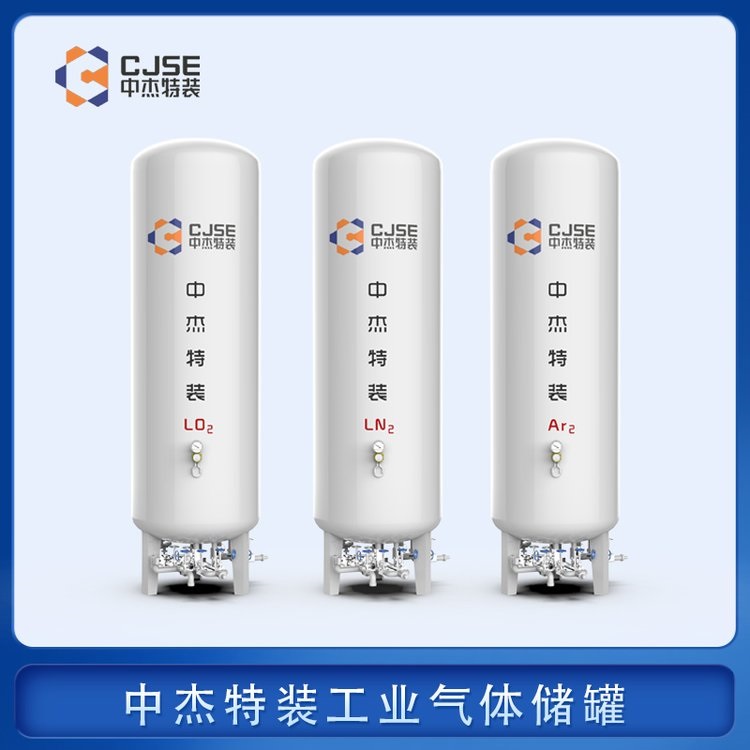

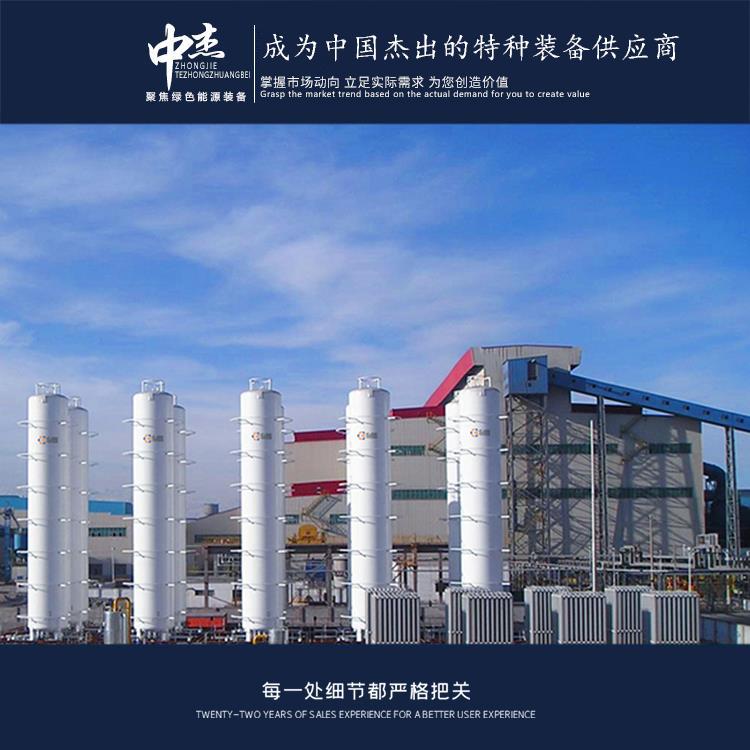
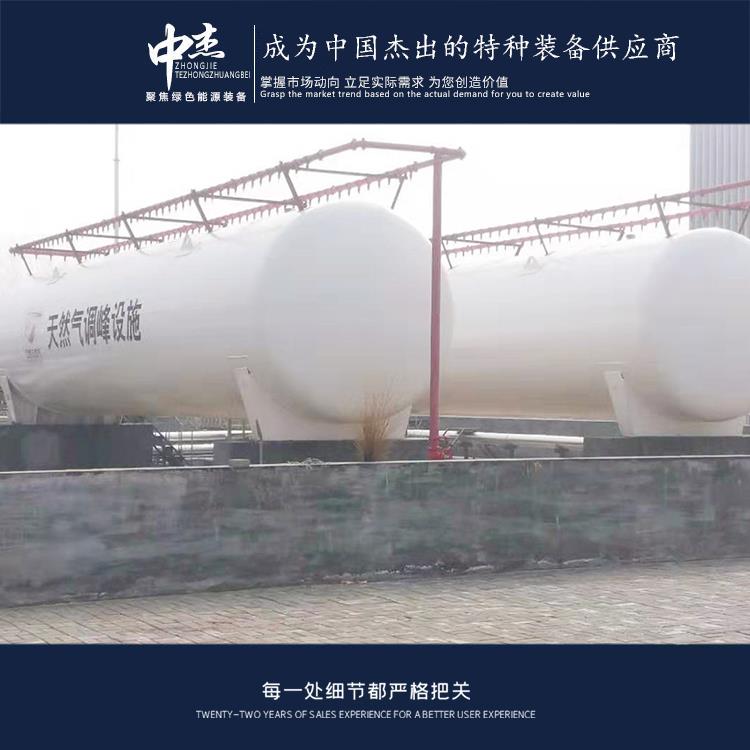


















Shandong Zhongjie Special Equipment (formerly Heze Boiler Factory Co., Ltd.) holds an A-grade boiler manufacturing license, an A2-grade pressure vessel manufacturing license, an A2-grade pressure vessel design license, a B-grade boiler installation license, and GB2/Class and GC2/Class pressure pipeline installation licenses, as well as a mechanical and electrical equipment installation contracting qualification. It is a member of the China Boiler and Water Treatment Association, the China Chemical Equipment Association, and the council member of the Shandong Equipment Manufacturing Association. The company has also passed the ISO9001 Quality Management System, ISO14001 Environmental Management System, OHSAS18001 Occupational Health and Safety Management System certifications, and the American ASME/U2 certification.
When using a 50-cubic-liter liquid oxygen tank, the following safety precautions should be taken: Fire and Explosion Prevention: Liquid oxygen is highly oxidizing and can support combustion. Therefore, avoid contact and ensure there are no open flames or other ignition sources in the vicinity of the tank. Ventilation: The evaporation of liquid oxygen produces a large amount of oxygen, so good ventilation around the tank is necessary to prevent oxygen accumulation and the risk of explosion. Avoid High Temperatures: Liquid oxygen can cause combustion or explosion when in contact with high-temperature objects. Therefore, avoid exposing the liquid oxygen tank to high-temperature environments and avoid contact with high-temperature objects. Pressure Control: Use the liquid oxygen tank according to its designed pressure and flow rate, avoiding exceeding its load capacity. Regularly inspect and maintain the safety valve to ensure proper functioning and prevent overpressure. Corrosion Prevention: Regular inspection and maintenance of the liquid oxygen tank are necessary to prevent corrosion. Especially, keep the tank surface and contact areas dry and clean to avoid corrosion. Safe Operation: Operators should receive relevant training to understand the safe operation procedures and standards for the liquid oxygen tank. Follow the correct procedures, wear personal protective equipment, and ensure the safety of operations. Emergency Preparedness: Establish an emergency response plan and equip with appropriate fire extinguishing and first aid equipment when using the liquid oxygen tank. Operators should be familiar with the emergency procedures and be able to respond quickly to emergencies. Note that the above safety precautions are general recommendations. Specific safe operation should be based on the design and usage requirements of the liquid oxygen tank. Before using the liquid oxygen tank, it is recommended to refer to relevant safety operation manuals and guidelines to ensure safe operation.
The automatic maintenance system for CO2 storage tanks typically includes the following main components:
- Pressure Maintenance System: Monitors and regulates the internal pressure of the tank to ensure the CO2 within remains within a safe and stable pressure range. This system comprises pressure sensors, control systems, pressure regulators, and pressure reserve devices.
- Temperature Control System: Monitors and regulates the internal temperature of the tank to maintain the CO2 within an appropriate temperature range. The system includes temperature sensors, control systems, and temperature regulators.
- Level Monitoring System: Measures and monitors the liquid level within the tank to ensure the CO2 level remains within a safe range. This system can utilize float level gauges, pressure level gauges, ultrasonic level gauges, etc.
- Leak Detection System: Monitors leaks in the tank and pipeline systems, enabling timely detection and alarms. The system can employ gas sensors, liquid sensors, and leak detectors.
- Fire Detection and Extinguishing System: Monitors fire conditions in the tank area and takes appropriate extinguishing measures. The system includes fire detectors, alarms, and extinguishing equipment.
- Remote Monitoring and Control System: Allows remote monitoring and control of the tank's operational status and parameters for remote operation and management. This system connects via network, providing real-time data and remote control capabilities.
These are the main components of a typical CO2 storage tank automatic maintenance system. Specific system configurations and functionalities can be customized according to the tank's design requirements and application scenarios. These automatic maintenance systems enhance the tank's safety, stability, and reliability, reducing the need for manual intervention and operational risks.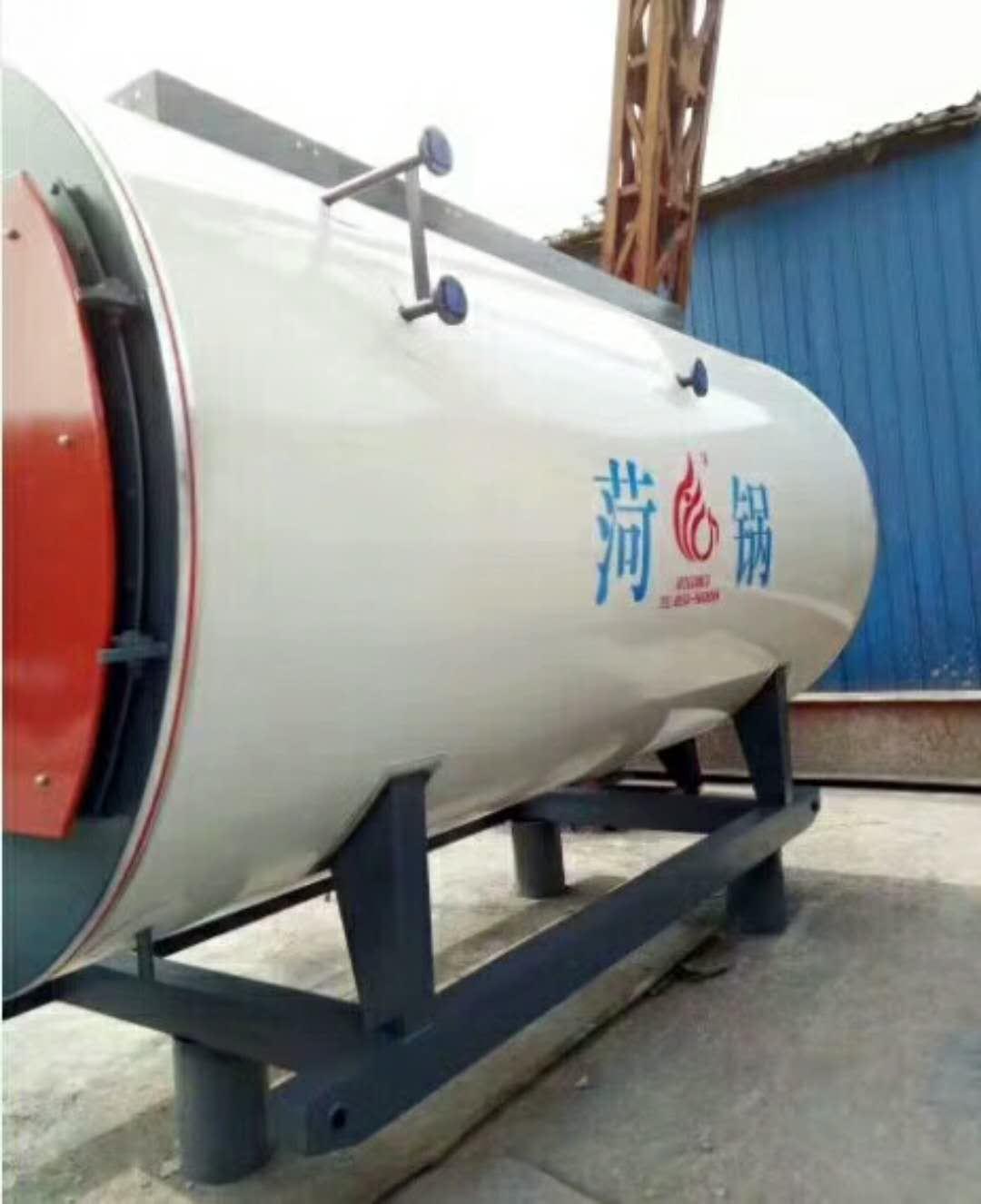
The testing and maintenance of liquid oxygen storage tanks are crucial for ensuring safe operation and extending their lifespan. Below is a general outline of the testing and maintenance procedures for liquid oxygen storage tanks:
- External Inspection: Conduct regular external inspections of the liquid oxygen storage tank, checking for signs of corrosion, wear, and cracks on the surface. Any abnormalities found should be repaired or replaced promptly.
- Internal Cleaning: Regularly clean the interior of the liquid oxygen storage tank to remove accumulated impurities and dirt. Use appropriate cleaning agents and tools during the cleaning process to prevent damage to the tank.
- Level Measurement: Regularly measure the liquid level within the storage tank to ensure it remains within safe limits. Use level gauges or other measuring equipment, and record the measurement results.
- Pressure Testing: Conduct regular pressure tests to verify the tank's pressure-bearing capabilities. Control the pressure and time during testing to ensure safety and accuracy.
- Leak Detection: Regularly perform leak detection to ensure the tank's seal integrity. Use leak detection instruments, such as gas detectors or foam leak detectors, for the inspection.
- Valve and Pipeline Inspection: Regularly inspect the valves and pipeline connections of the liquid oxygen storage tank to ensure proper sealing and no leakage. Repair or replace any issues found immediately.
- Maintenance Records: Document the testing and maintenance activities of the liquid oxygen storage tank, including inspection dates, contents, and results. These records help track maintenance history and issue resolution.
- Scheduled Maintenance: Develop a regular maintenance plan based on the tank's usage and requirements. Maintenance tasks include lubrication, bolt tightening, and replacement of seals to ensure normal operation.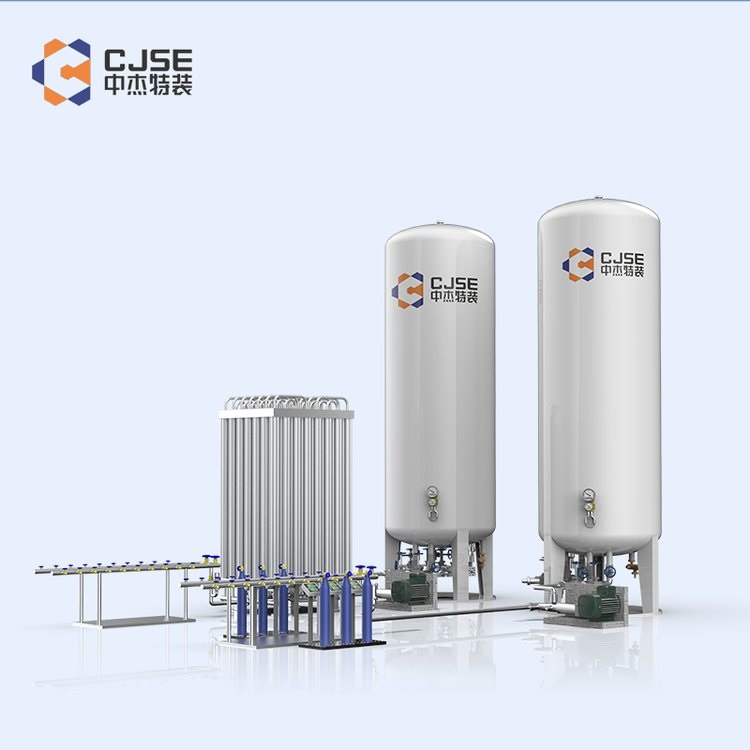
Carbon dioxide (CO2) and liquid oxygen (LOX) storage tanks are equipment used for storing different gases, with some differences in their physical properties:
- Physical State: CO2 is a gas at room temperature and requires low temperatures and high pressure to become liquid. LOX is a liquid at room temperature and can remain liquid without special conditions.
- Storage Temperature: The liquid CO2 storage temperature is typically between -40°C and -78.5°C, while the liquid oxygen storage temperature is usually between -183°C and -183.15°C. The storage temperature of LOX is lower, requiring more stringent insulation measures.
- Storage Pressure: The liquid CO2 storage pressure is generally between 5-20 MPa, while the liquid oxygen storage pressure is typically between 0.2-2 MPa. The storage pressure of LOX is lower.
- Density: The density of liquid CO2 is approximately 0.8 g/cm³, while the density of liquid oxygen is about 1.14 g/cm³. The density of liquid oxygen is greater.
- Safety: LOX has a high oxygen content, making it highly flammable and oxidizing, necessitating stricter safety measures. CO2 is relatively safe but can still pose health risks at high concentrations.
Our company attaches great importance to technological innovation and R&D design. We possess 1 municipal-level enterprise technology center in Heze City, equipped with testing facilities for non-destructive testing, physical and chemical testing, welding testing, hydrostatic testing, etc. We have over 600 types of equipment, including CNC machine tools, X-ray flaw detectors, digital ultrasonic flaw detectors, mechanical property testing machines, chemical analyzers, spectrometers, tensile testing machines, plasma welding machines, and more. The key products and technologies we have developed, such as temperature and pressure vessel welding, biomass boiler emission reduction, and waste heat utilization, have successively been selected for multiple Shandong Provincial Department of Industry and Information Technology science and technology innovation projects, Shandong Provincial key projects, and Heze City innovative and excellent projects. We have accumulated a total of 27 authorized utility models, 16 authorized inventions, participated in drafting 2 standards, 2 industry standards, and registered 15 trademarks. The technical team of our company, in collaboration with Professor Yajiang Li of Shandong University, has developed deep cryogenic container processing technology using the international plasma arc + wire filling argon arc welding (PAW-GTAW) technology. After the provincial-level scientific and technological achievement evaluation, the technology level has reached an international standard in the field of deep cryogenic container manufacturing. Choose Zhongjie Special Equipment, and let's create brilliance together!
WeChat Official Account

Scan to follow Official Account



















