


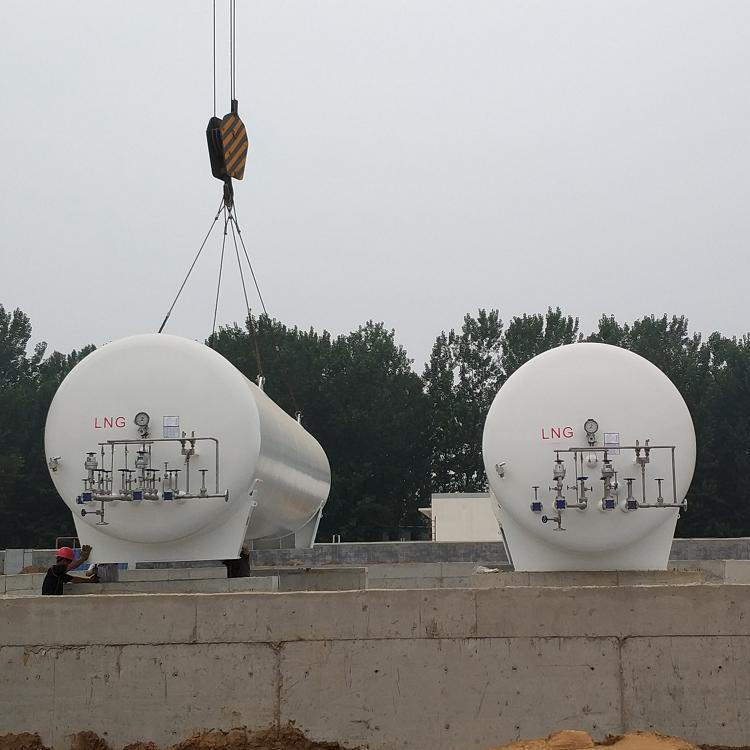

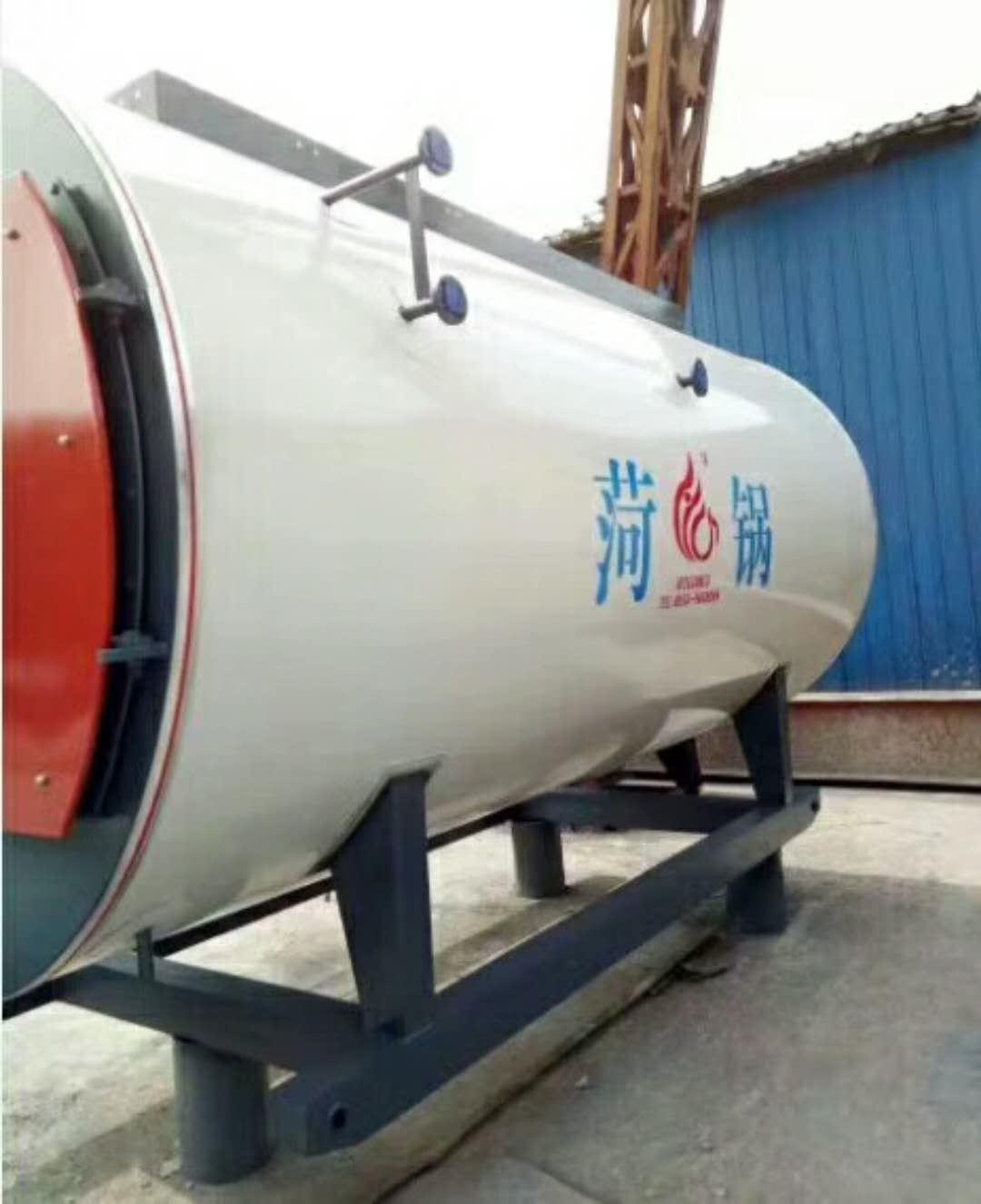
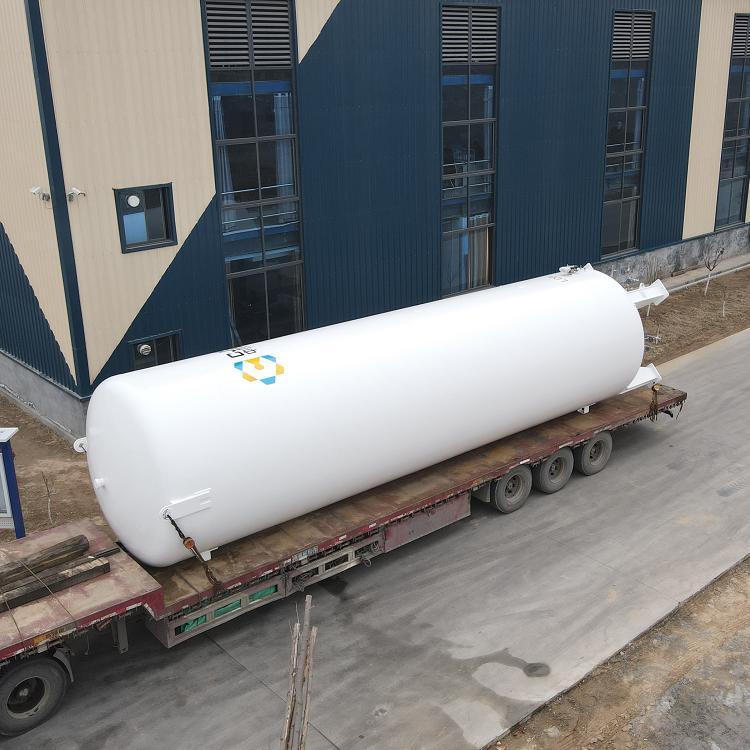


















Shandong Zhongjie Special Equipment (formerly Heze Boiler Factory Co., Ltd.) was established in 2001, located at No. 2218 Jinnan Road, Development Zone, Heze City, with a registered capital of 50 million yuan and total assets of 500 million yuan. The company has 7 business centers: boiler, deep-freezing container, pressure vessel, central air conditioning, engineering installation, international trade, and Internet of Things. It has three factory sites on Jinnan Road, East Changjiang Road, and Bohai Road, covering a total area of 200,000 square meters, with the main workshop spanning 83,000 square meters. It currently employs 710 people, including 247 engineers and technicians, and 82 intermediate-level technicians. In December 2016, it was recognized as a "High-Tech Enterprise" by the Science and Technology Department. In June 2021, it was identified as a "Specialized and New Enterprise in Shandong Province" by the Department of Industry and Information Technology. In June 2022, it was recognized as a "Gazelle Enterprise in Shandong Province" and in August 2022, it was identified as a "Specialized and New Small Giant Enterprise" by the Ministry of Industry and Information Technology.
In pressure vessel design, several common "thickness" parameters must be considered:
Wall Thickness: Refers to the actual thickness of the pressure vessel wall. The selection of wall thickness must consider factors such as the design pressure, material strength, and corrosion resistance to ensure the vessel's strength and safety.
Bend Allowance: The bend allowance refers to the additional thickness added to the wall thickness during the manufacturing process to ensure the strength and shape of the container's bending section. The calculation and selection of the bend allowance should consider factors such as the container's bending radius and the material's bendability.
Corrosion Allowance: The corrosion allowance refers to the additional thickness added to the wall to combat internal or external corrosion effects. The selection of the corrosion allowance must consider the working environment and the corrosive nature of the medium the container is exposed to, ensuring the container can withstand corrosion throughout its service life.
These "thickness" parameters play a critical role in pressure vessel design, affecting the vessel's strength, corrosion resistance, and safety. During the design process, it is necessary to select and calculate these thickness parameters rationally, based on relevant standards and specifications, in conjunction with the vessel's usage conditions and requirements, to ensure that the design and manufacturing meet the standards.
The reason for occasional venting of liquid oxygen tanks is primarily to maintain the safe pressure range within the tank and prevent excessive pressure buildup. Here are several situations where liquid oxygen tanks may be vented periodically:
Pressure Control: During the operation of the liquid oxygen tank, due to the evaporation of liquid oxygen and temperature changes, the pressure inside the tank will vary. To maintain a safe pressure range within the tank, regular venting is required to control the tank's pressure within the safe limits.
Prevent Excessive Pressure Build-up: During the oxygen filling or usage process, due to external factors or operational errors, the pressure inside the liquid oxygen tank may exceed the safe limit. To prevent excessive pressure accumulation, timely venting is required to reduce the pressure inside the tank.
Prevent Gas Accumulation: There may be some gas impurities in the liquid oxygen storage tank, such as air and water vapor. These gases will condense into liquids or solids at the low temperature of liquid oxygen, blocking pipelines or affecting the normal operation of the tank. Regularly releasing gas can expel these impurities, keeping the tank clean and unobstructed.
It is essential that the discharge operation of liquid oxygen be conducted by trained personnel, strictly adhering to the relevant operational procedures and safety measures. During the discharge process, precautions should be taken to prevent any leakage of liquid oxygen and contact with it, ensuring the safety and reliability of the operation.
Prior to filling the liquid nitrogen tank, the following checks must be conducted:
Tank exterior inspection: Check for any obvious damage, deformation, or corrosion on the tank's exterior, including the tank wall, valves, pipes, and joints.
Sealability Inspection: Inspect the tank's sealing performance, including checking for any leaks at valves and pipe connections, to ensure the tank maintains good sealing integrity.
Pressure Check: Verify that the storage tank's pressure gauge is functioning properly and that the pressure is within the normal range to ensure the tank's normal operation.
Level Check: Inspect the liquid level in the storage tank to ensure it is within the normal range, avoiding issues caused by excessive or insufficient levels.
Insulation Layer Inspection: Check for any damage or detachment in the storage tank's insulation layer to ensure effective insulation and reduce evaporation losses of liquid nitrogen.
Leak Inspection: Check for signs of liquid nitrogen leakage around the storage tank, including frost, ice, or liquid nitrogen residue on the ground.
Safety Equipment Inspection: Verify that the storage tank's safety equipment, such as leak detectors, alarm systems, and safety valves, are functioning properly to ensure the tank's safety.
Clean Inspection: Ensure the interior of the tank is clean, free of accumulated impurities and dirt, to maintain the tank's cleanliness and hygiene.
The above outlines the checks required prior to filling the liquid nitrogen tank, ensuring the tank's safe operation and proper storage of liquid nitrogen. During the inspection, strict adherence to relevant operational procedures and safety requirements must be maintained to ensure operational safety.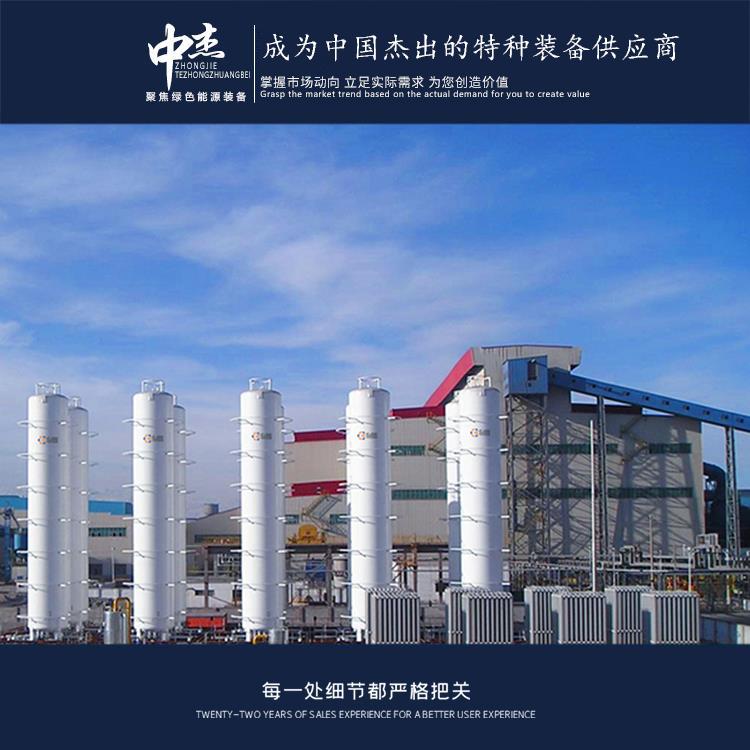
The use of liquid nitrogen storage tanks in rapid freezing technology offers several advantages:
Rapid Freezing Speed: The temperature of liquid nitrogen is low, approximately -196 degrees Celsius. Using a liquid nitrogen tank for quick freezing can rapidly lower the surface temperature of food, achieving fast freezing. Compared to traditional freezing methods, liquid nitrogen freezing can significantly reduce freezing time while preserving the quality and texture of the food.
Uniformly Frozen Effect: The liquid nitrogen rapid freezing technology achieves fast and even freezing of food. Liquid nitrogen is喷射 onto the food surface in a gaseous form, quickly absorbing heat and turning into a liquid, thereby ensuring uniform freezing of the food and avoiding crystallization and lumping during the freezing process.
Maintain Food Quality: Liquid nitrogen quick-freezing rapidly chills food, minimizing crystallization and agglomeration during the freezing process, thereby preserving the quality and texture of the food. During the quick-freezing process, liquid nitrogen swiftly reduces the surface temperature of the food, forming tiny freezing structures, effectively retaining the food's moisture and nutritional content.
Flexibility and Adaptability: Liquid nitrogen tanks can be adjusted and controlled to cater to different food types and freezing requirements. The speed and angle of nitrogen jet can be modified based on the size, shape, and freezing needs of the food, to achieve optimal freezing results.
Environmental protection and energy-saving: Liquid nitrogen quick-freezing technology can save more energy and resources compared to traditional freezing methods. During the freezing process, liquid nitrogen evaporates rapidly, causing environmental pollution and generating waste water and gas.
Be mindful that when using liquid nitrogen tanks for rapid freezing, it is crucial to adhere to the relevant safety operation procedures and guidelines. Ensure that operators possess the necessary safety awareness and operational skills to prevent accidents. Additionally, consult
Shandong Zhongjie Special Equipment, welcome customers to our factory for business talks.
WeChat Official Account

Scan to follow Official Account



















