


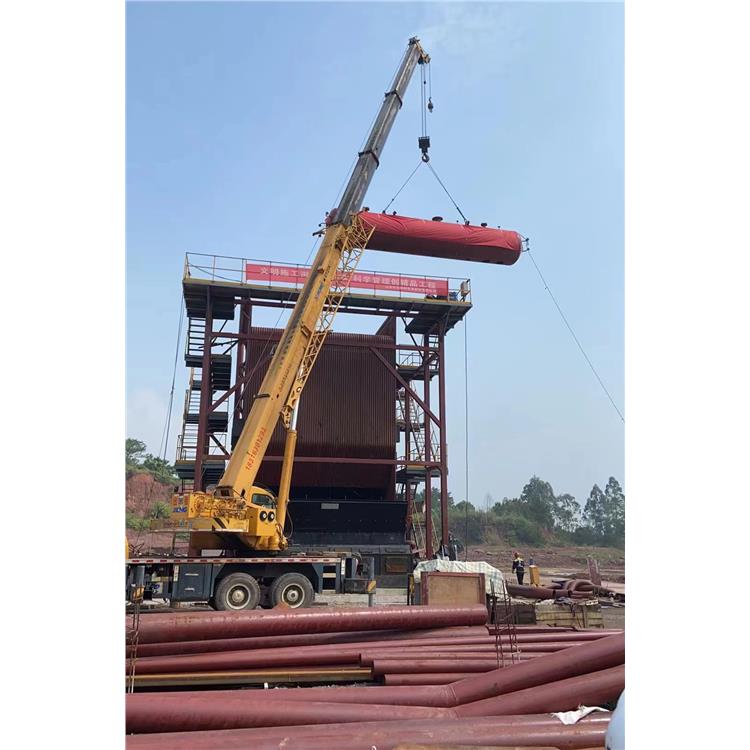

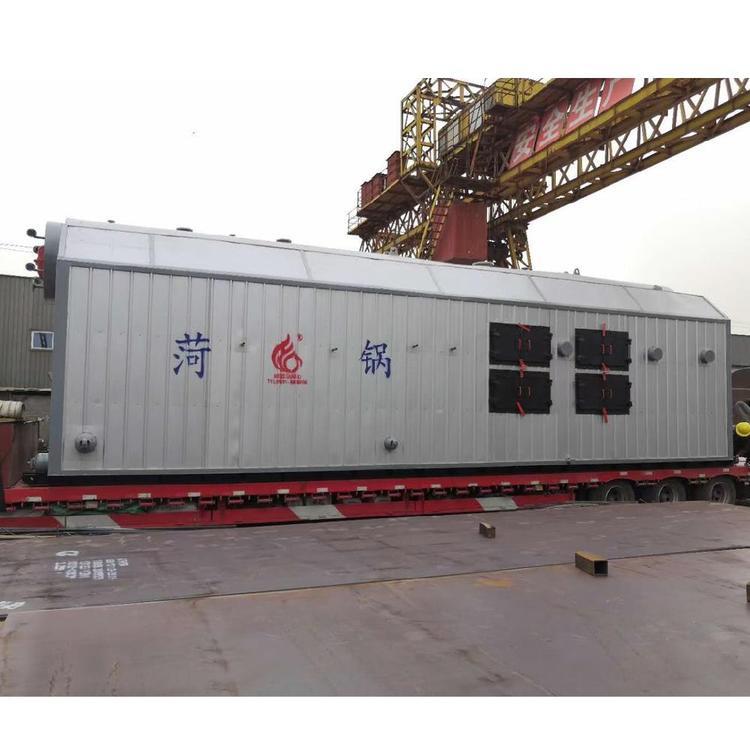
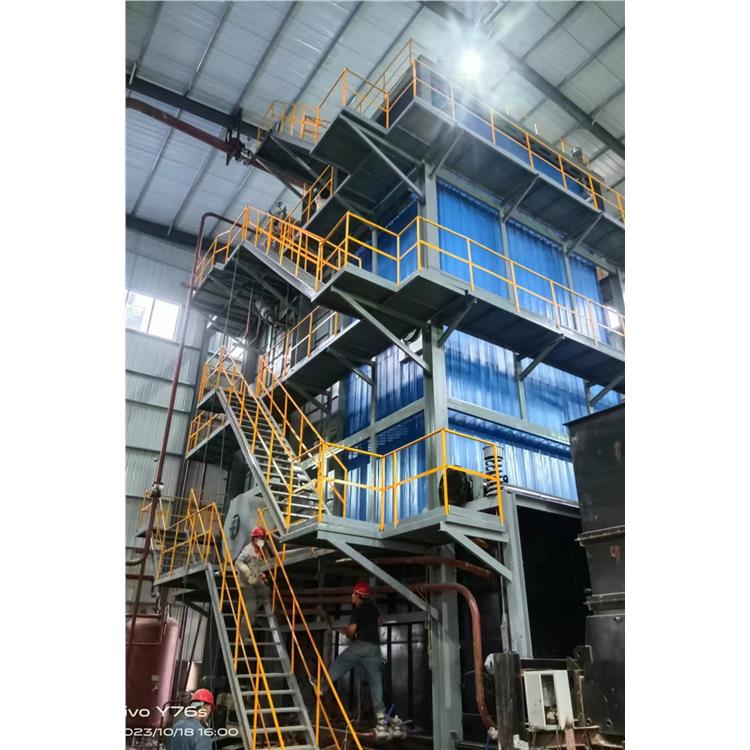


















Shandong Zhongjie Special Equipment (formerly Heze Boiler Factory Co., Ltd.) holds an A-grade boiler manufacturing license, A2-grade pressure vessel manufacturing license, A2-grade pressure vessel design license, B-grade boiler installation, and GB2/Class, GC2/Class pressure pipeline installation licenses, as well as equipment and machinery installation contracting qualifications. It is a member of the China Boiler and Water Treatment Association, the China Chemical Equipment Association, and the Council Member of the Shandong Equipment Manufacturing Association. The company has also passed certifications for the ISO9001 Quality Management System, ISO14001 Environmental Management System, OHSAS18001 Occupational Health and Safety Management System, and the U.S. ASME/U2 certification.
Possible reasons for the black smoke produced by biomass boiler combustion may include:
Incomplete Combustion: Inadequate oxygen supply or insufficient combustion temperature in biomass fuel can lead to incomplete combustion, resulting in a large amount of smoke and black smoke. This may be caused by poor ventilation in the combustion chamber, poor fuel quality, or incorrect setting of combustion parameters.
High moisture content: Excessive water content in biomass fuel can lead to a significant evaporation of steam during combustion, lowering the combustion temperature and thereby affecting the combustion efficiency, resulting in the production of black smoke.
Fuel Quality Issues: Impurities, ash, or uneven moisture content in biomass fuel can affect the combustion process, leading to incomplete combustion and the production of black smoke.
Combustion Equipment Issues: If there are malfunctions or wear in the combustion equipment of biomass boilers, such as slagging in the combustion chamber or clogging of the burners, it can affect the combustion efficiency and lead to the production of black smoke.
To reduce the emission of black smoke, the following measures can be taken:
Ensure adequate oxygen supply: Adjust the ventilation system of the combustion equipment to ensure sufficient oxygen supply, improve combustion efficiency, and reduce the production of black smoke.
Control combustion temperature: Adjust combustion parameters, such as combustion temperature and duration, to ensure complete fuel combustion and reduce the production of black smoke.
Optimize fuel quality: Select biomass fuel in appropriate quantities, ensuring consistent dryness and quality, reducing moisture content and impurities, and enhancing combustion efficiency.
Regular Maintenance: Conduct regular maintenance on biomass boilers to clean the combustion chamber, burners, and other components, ensuring the equipment operates smoothly and reducing the production of black smoke.
Install Pollutant Control Equipment: As required, install flue gas purification equipment such as dust collectors and desulfurization devices, effectively removing particles generated during the combustion process.
Coal-fired boiler dust removal technology is designed to reduce particulate emissions during the combustion process of coal-fired boilers, protecting the environment and improving air quality. Here are several common coal-fired boiler dust removal techniques:
Mechanical Dust Collectors: Mechanical dust collectors are one of the common dust removal equipment, separating particulate matter from flue gas through physical principles. Common types include gravity dust collectors, inertial dust collectors, bag dust collectors, etc. The working principle of mechanical dust collectors is to utilize the inertia, gravity, or filtering effect of particles to separate them from the flue gas.
Electrostatic Precipitator: An electrostatic precipitator charges particles in flue gas using an electric field, then collects the charged particles by the action of the electric field. There are two types of electrostatic precipitators: dry and wet. The dry electrostatic precipitator is suitable for high-temperature flue gas, while the wet electrostatic precipitator is suitable for flue gas with high humidity.
Wet-type Dust Collector: Wet-type dust collectors utilize spray water or other liquids to wet the particulates in flue gas, and then separate the wetted particulates from the flue gas through gravity or inertial force. They are suitable for the treatment of flue gas with high humidity and sticky particulates.
Electrostatic Precipitator: An electrostatic precipitator utilizes the force of an electric field to charge particles in flue gas, and then collects the charged particles by the action of the electric field. Suitable for the treatment of high-temperature flue gas and fine particles.
Integrated dedusting technology: The integrated dedusting technology combines the processes of desulfurization and dedusting into one, achieving integrated treatment by sharing equipment and jointly processing flue gas. This technology reduces the footprint of equipment, as well as investment and operational costs.
Above are common coal-fired boiler dust removal technologies. Different dust removal technologies are suitable for different flue gas and particle characteristics. In actual application, an appropriate combination of dust removal technologies can be selected based on specific circumstances to achieve the goal of reducing particle emissions.
A biomass boiler bag dust collector is a commonly used flue gas purification equipment, designed to remove particulate matter from the flue gas produced by the combustion of biomass boilers. Its operating principle is as follows:
Flue Gas Enters Dust Collector: Flue gas passes through the flue from the biomass boiler combustion chamber into the bag dust collector.
Pre-treatment: Prior to entering the bag filter, flue gas may undergo pre-treatment processes such as desulfurization and denitrification to minimize corrosion and damage to the filter bags.
Filtering: After the flue gas enters the bag dust collector, it passes through the bag filtering zone. Inside the bag dust collector, there are numerous filter bags. As the flue gas passes through the filter bags, the particulates are captured by the bags, and the purified flue gas exits through the bags.
Particulate Matter Collection: Particulate matter gradually accumulates on the filter bag, forming a layer of ash. The thickness of the ash layer increases over time. As it progresses, the ash layer affects the resistance of smoke passing through the filter bag, necessitating a cleaning operation.
Ash cleaning: To maintain the normal operation of the bag dust collector, regular ash cleaning is required. Ash cleaning can be carried out in various methods, such as mechanical impact or pulse jetting. The ash cleaning process causes the ash layer to fall off, with the particulate matter collected in the ash hopper.
Emissions: After dedusting treatment, the purified flue gas meets the emission standards and can be discharged into the atmosphere through the chimney.
Bag dust collectors operate based on the capture and separation of particulates by filter bags, maintaining their permeability and dust removal efficiency through continuous cleaning operations. The particulate capture capability of bag dust collectors effectively purifies flue gas produced by biomass boiler combustion, protecting the environment.
When planning and arranging the bag dust collector for biomass boiler, the following aspects should be considered:
Baghouse Dust Collector Location: The baghouse dust collector should be positioned near the biomass boiler flue gas outlet to effectively capture particulates in the flue gas. Additionally, the location of the baghouse dust collector should be convenient for operation and maintenance, ensuring ease in cleaning and replacing filter bags.
Arrangement of flue gas进出口: The flue gas进出口 of the bag filter should be connected to the biomass boiler's flue gas piping to ensure smooth entry and exit of flue gas from the dust collector. The arrangement of the进出口 should consider the uniformity of flue gas flow and minimize resistance to enhance dust removal efficiency and system operational efficiency.
Baghouse dust collector dimensions and capacity: Determine the dimensions and capacity of the baghouse based on the biomass boiler's flue gas flow rate and particulate load. Ensure the baghouse meets the flue gas treatment requirements and achieves the expected dust removal effect.
Filter Bag Arrangement and Selection: Filter bags are the core components of bag dust collectors, and appropriate filter bag materials and specifications should be selected based on the characteristics of flue gas and the nature of particulate matter. The arrangement of filter bags should be rational to ensure that flue gas can pass through the filter bags uniformly, maximizing the capture of particulate matter.
Dust Removal System Arrangement: Bag filters require regular dust cleaning to maintain the cleanliness of the filter bags and the dust removal effect. The arrangement of the dust removal system should be user-friendly and easy to maintain, ensuring the effectiveness and efficiency of the cleaning process.
Emission pipeline layout: After treatment by a bag dust collector, flue gas needs to be discharged into the atmosphere. The layout of the emission pipeline should ensure the safety and compliance of flue gas discharge.
When planning and arranging the biomass boiler bag dust collector, it is recommended to collaborate with environmental engineers or equipment suppliers, design and construct based on the specific situation, to ensure the operation and environmental protection effect of the dust removal system.
Zhongjie Special Equipment adheres to the great vision of "realizing employees' dreams, creating customer value, and striving for the prosperity and strength of our motherland," focusing on the development of green energy equipment, and dedicating high-value products and services to society!
WeChat Official Account

Scan to follow Official Account



















