


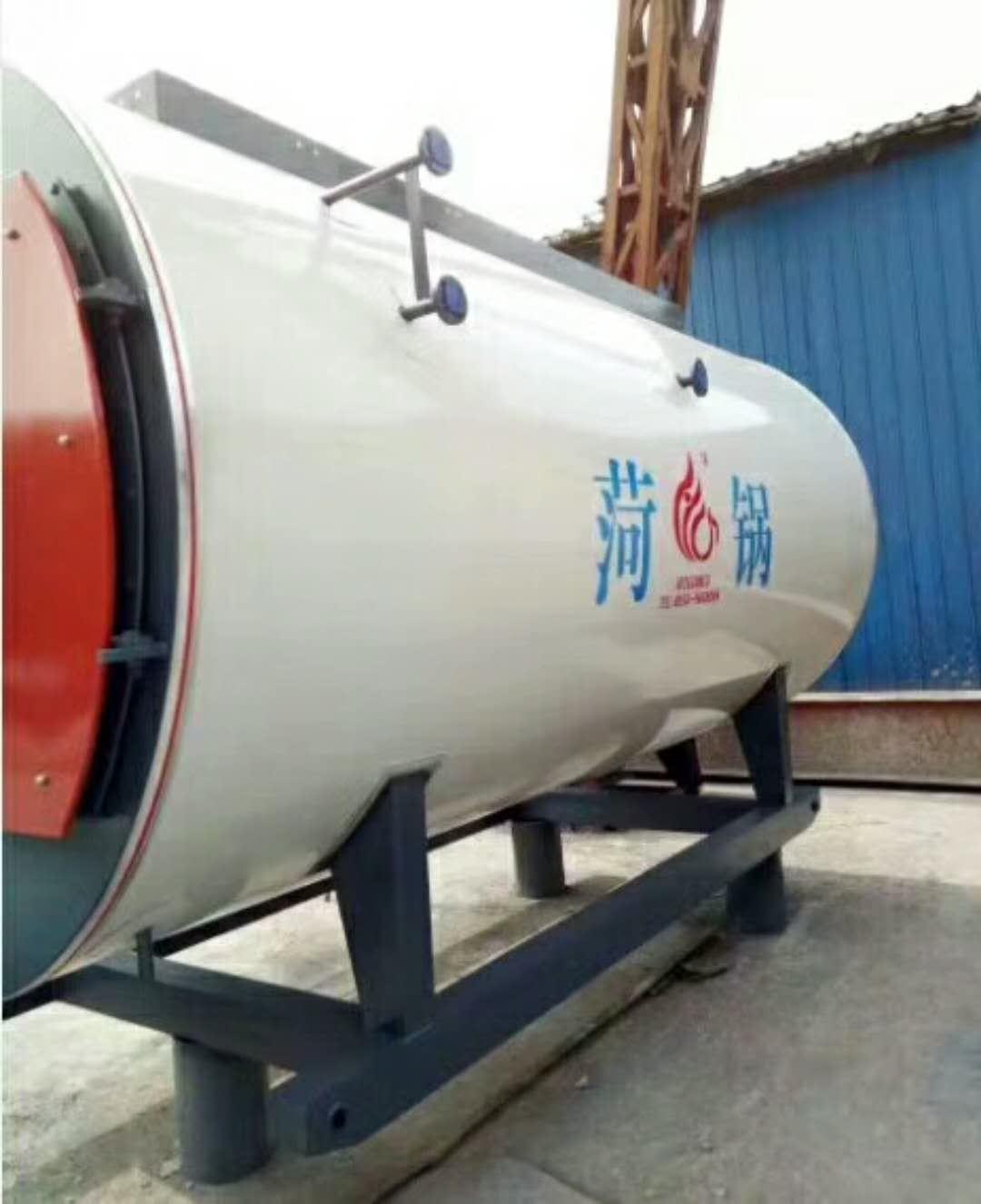

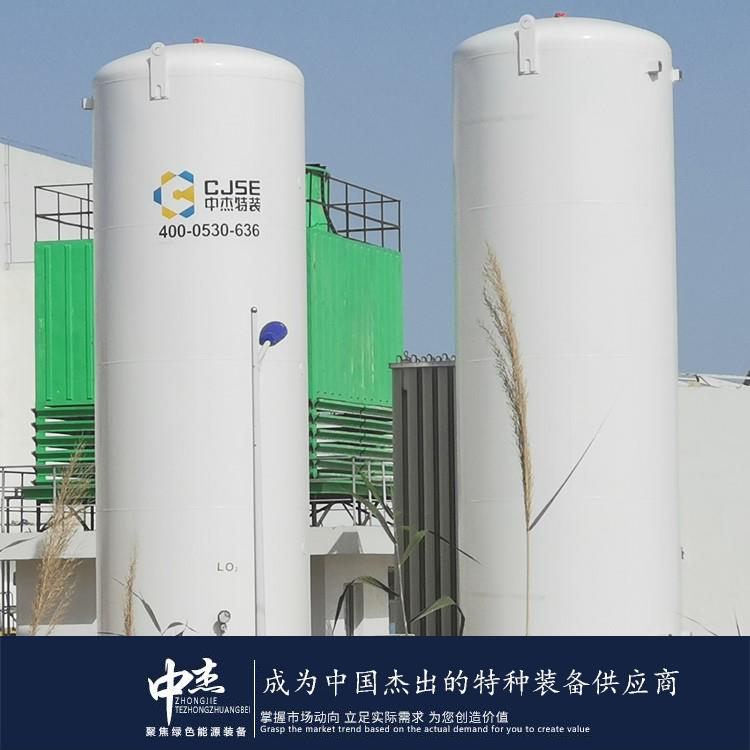
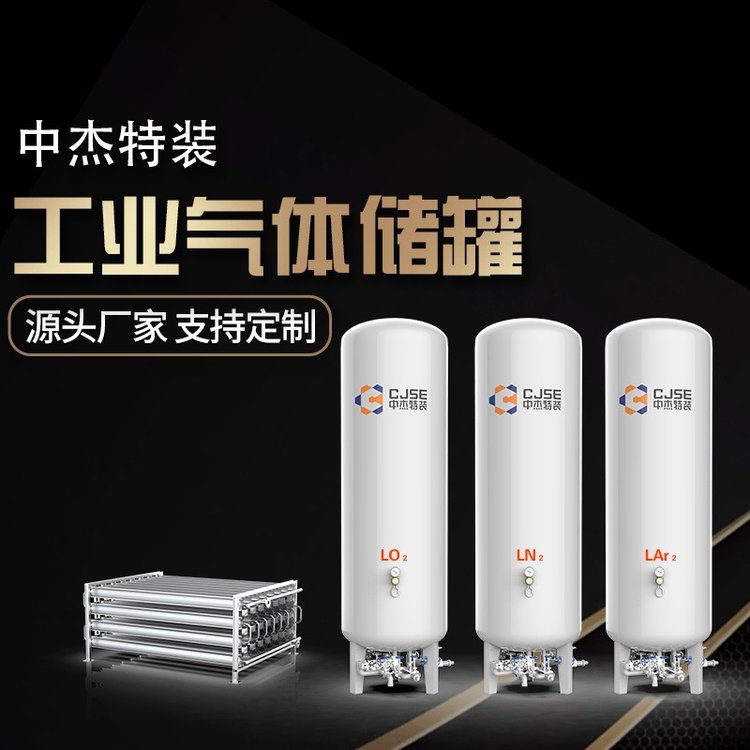


















Shandong Zhongjie Special Equipment (formerly Heze Boiler Factory Co., Ltd.) holds an A-grade boiler manufacturing license, A2-grade pressure vessel manufacturing license, A2-grade pressure vessel design license, B-grade boiler installation, and GB2/Class, GC2/Class pressure pipeline installation licenses, as well as equipment and machinery installation contracting qualifications. It is a member of the China Boiler and Water Treatment Association, the China Chemical Equipment Association, and a director unit of the Shandong Equipment Manufacturing Association. The company has also passed certifications for the ISO9001 Quality Management System, ISO14001 Environmental Management System, OHSAS18001 Occupational Health and Safety Management System, and the American ASME/U2 certification.
When selecting a liquid oxygen storage tank with a medical oxygen concentrator, consider the following factors:
Requirement: Firstly, determine the oxygen demand of the institution or individual. Select the appropriate oxygen concentrator model and specifications based on the required oxygen flow rate and pressure.
Safety and Reliability: Ensure the selected oxygen concentrator offers high levels of safety and reliability. Opt for products that comply with relevant standards and regulations, featuring safety features such as overpressure protection, leakage protection, and overload protection.
Ease of operation: Choose an oxygen concentrator that is simple to operate and user-friendly. Consider the methods for adjusting oxygen flow and concentration, as well as the clarity and readability of the operating interface.
Quality and Reputation: Choose an oxygen concentrator with excellent quality and reliability. Refer to customer reviews, word-of-mouth, and institutional endorsements when selecting a product.
Maintenance and After-Sales Service: Understand the maintenance requirements and after-sales support for the oxygenator. Ensure timely access to repairs and technical assistance to ensure the normal operation and maintenance of the oxygenator.
Cost-Effective: When selecting an oxygenator, consider its price, performance, and features to choose a product with a good cost-performance ratio. Select an oxygenator that fits your actual needs and budget.
Be mindful that when selecting liquid oxygen tanks with medical oxygen generators, adhere to the relevant equipment procurement regulations and standards. It's advisable to consult with equipment suppliers or relevant institutions to ensure the chosen oxygen generators meet the requirements and safety standards.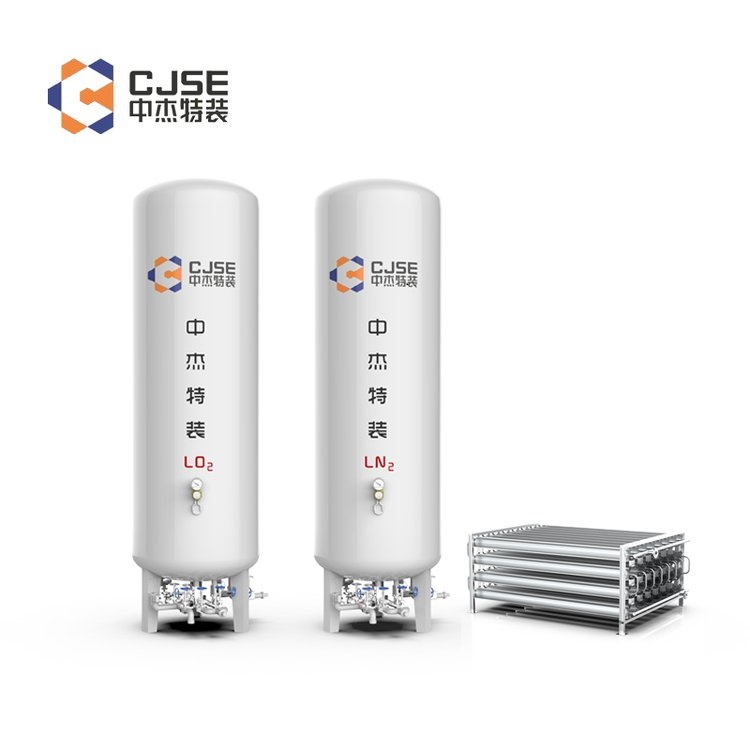
The application of strain hardening in austenitic stainless steel on low-temperature pressure vessels is a common method, which can enhance the strength and durability of the material. Below is some information regarding the application of strain-hardened austenitic stainless steel on low-temperature pressure vessels:
Principle of Strain Hardening: Strain hardening involves introducing plastic deformation into the material to alter its crystal structure, thereby enhancing the material's strength. In Austenitic stainless steel, strain can be introduced through methods such as cold working (e.g., cold rolling, cold drawing) or heat treatment (e.g., solution treatment and cold deformation), which cause crystal lattice dislocations and grain boundary sliding, thereby increasing the material's strength.
Low-Temperature Application Advantages: Austenitic stainless steel exhibits excellent corrosion resistance and low-temperature toughness in cold environments. Strain hardening can further enhance the strength and durability of austenitic stainless steel, enabling it to perform in low-temperature pressure vessels. Under low-temperature conditions, strain hardening effectively resists plastic deformation and fracture of the material, improving its tensile strength and impact resistance.
Application Cases: Strain-hardened austenitic stainless steel is widely used in low-temperature pressure vessels. For example, in liquid nitrogen, liquid oxygen, and liquid argon storage tanks, strain-hardened austenitic stainless steel is commonly used as structural material. These vessels must withstand high pressure and impact loads at low temperatures; strain-hardening enhances the material's strength and durability, ensuring safe operation of the containers.
It should be noted that the strain hardening of austenitic stainless steel must be carried out at the appropriate temperature and deformation conditions to avoid excessive deformation and material embrittlement. When designing and manufacturing low-temperature pressure vessels, it is essential to select and apply austenitic stainless steel strain hardening reasonably based on specific engineering requirements and material characteristics.
The filling process for liquid nitrogen tanks typically includes the following steps:
Preparation: Ensure the tank and filling equipment are in good condition, without any damage or leaks. Check that the tank's insulation is intact and undamaged.
Safety Inspection: Check the tank and its surrounding environment for safety. Ensure there are no flammable materials or other hazardous items in the vicinity of the tank.
Connect equipment: Link the filling equipment to the storage tank. Ensure the connection is securely fastened and leak-free.
Prepare Liquid Nitrogen: Prepare liquid nitrogen supply, ensuring the quality and purity meet the requirements.
Open Valves: Follow the operation instructions of the filling equipment, gradually open the corresponding valves to allow liquid nitrogen to flow from the supply source into the storage tank.
Regulate Flow: Adjust the flow control valve of the filling equipment as needed to control the inflow rate of liquid nitrogen. Ensure a moderate flow rate to avoid being too fast or too slow.
Monitor Liquid Level: Real-time monitoring of the liquid nitrogen level within the storage tank via a liquid level gauge or other level monitoring devices. Ensure the level is maintained within a safe range.
Cease Filling: Close the valve of the filling equipment when liquid nitrogen is filled into the tank or reaches the desired level, stopping the inflow of liquid nitrogen.
Disconnect connection: Disconnect the filling equipment from the storage tank and ensure there are no leaks at the connection point.
Safety Inspection: Recheck the tank and its surrounding environment for safety, ensuring no leaks or other potential hazards are present.
Please note that the process described is for general reference only; the actual filling procedure may vary depending on the specific type of storage tank and filling equipment. When conducting filling operations for liquid nitrogen tanks, adhere to the relevant operational specifications and safety requirements, and ensure that operators have received the necessary safety training and skills.
The reasons for not leaving liquid oxygen tanks empty for extended periods mainly include:
Evaporation Loss of Liquid Oxygen: Liquid oxygen has a low boiling point, and prolonged storage without use will cause continuous evaporation, resulting in a loss of liquid oxygen within the storage tank. The evaporation rate is relatively fast, with daily evaporation amounts potentially reaching several percent of the tank's capacity. Prolonged storage without use can lead to waste of liquid oxygen.
Safety Risk: Liquid oxygen is a strong oxidizer with high flammability and explosiveness. Long-term storage without use increases the opportunities for liquid oxygen to come into contact with the surrounding environment, thereby increasing the risk of accidental fires and explosions.
Tank Damage Risk: Long-term storage of liquid oxygen in a tank can lead to internal oxidation reactions, accelerating corrosion and damage to the tank. Tank damage can affect its sealing performance and structural integrity, increasing the risk of leaks and safety accidents.
Therefore, to ensure the safe storage and effective use of liquid oxygen, liquid oxygen tanks should be regularly maintained and serviced to prevent long-term idleness. When the tank is not in use, appropriate measures should be taken, such as sealing the tank and reducing the evaporation of liquid oxygen, to minimize the loss of liquid oxygen and safety risks.
Chungjet commits to the grand vision of "realizing employee dreams, creating customer value, and striving for the prosperity and strength of our motherland," and is dedicated to the development of the green energy equipment industry. We offer society products and services with high performance at competitive prices!
WeChat Official Account

Scan to follow Official Account



















