


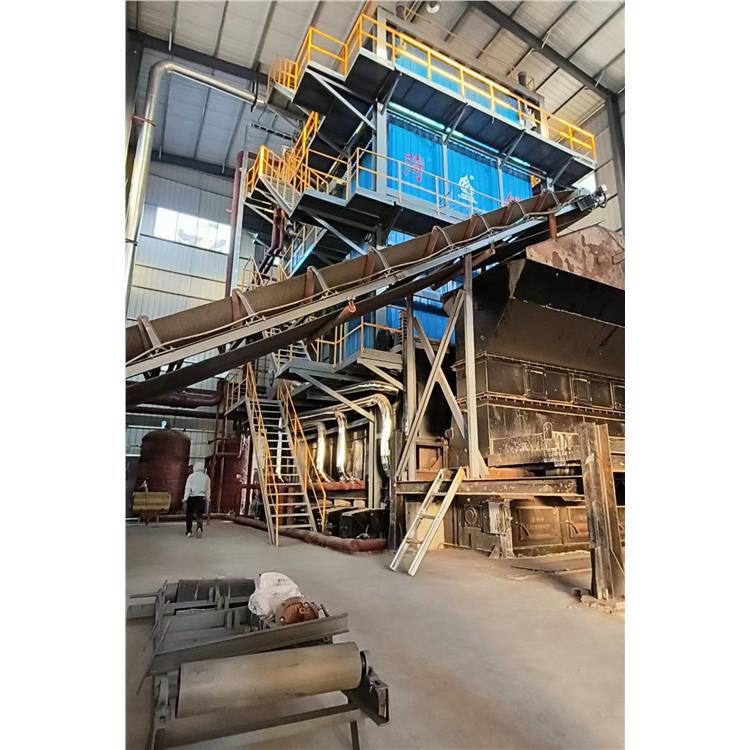

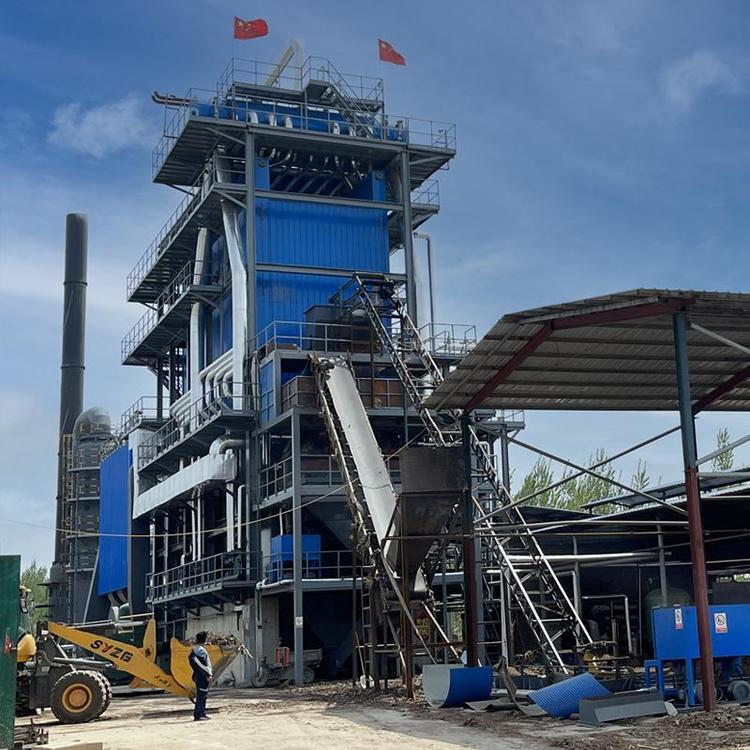
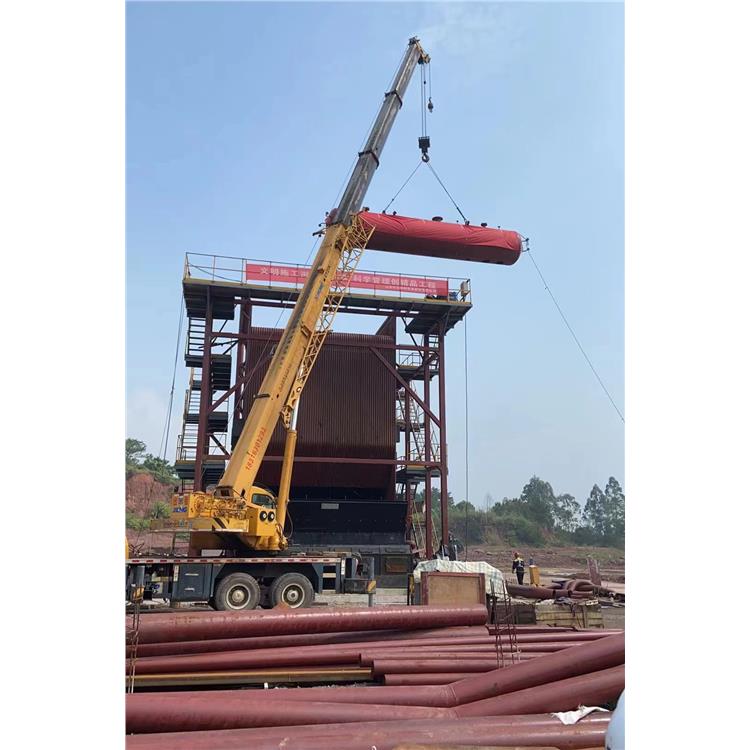


















Shandong Zhongjie Special Equipment's main products include: fuel (gas) boilers, organic heat carrier boilers, biomass boilers, waste heat boilers, and other boiler products; vacuum insulation cryogenic pressure vessels such as LNG tanks, oxygen/nitrogen/argon tanks, and CO2 tanks; pressure vessel products such as denitrification engineering equipment, heat storage and energy storage equipment, and complete chemical equipment; central air conditioning and ventilation equipment such as ground (water) source heat pumps, air source units, water-cooled screw units, and air-cooled modular units. Planned products include large-scale energy centers, LNG transport vehicles, LNG tank containers, and other green energy equipment.
Blowing ash refers to the process of removing dust and deposits from the flue, furnace, and heat exchange surfaces of a boiler during its operation by means of high-pressure steam injection or compressed air. The effects of blowing ash and its influence on the operation of biomass boilers are as follows:
Function:
Dust and soot: The combustion of biomass produces a large amount of dust and soot, which accumulate on the flue, furnace chamber, and heat exchange surfaces of the boiler, affecting the efficiency of heat transfer. Blowing off the soot and dust helps maintain the boiler's cleanliness.
Enhance Heat Transfer Efficiency: Ash and dirt accumulated on boiler flues, fireboxes, and heat exchange surfaces create thermal resistance, hindering heat transfer. Blowing dust can eliminate this resistance, improve heat transfer efficiency, and reduce energy waste.
Prevent Scaling and Corrosion: Ash and dirt buildup on boiler flues and furnaces can lead to excessively high local temperatures, causing scaling and corrosion issues. Blowing ash can reduce local temperatures and prevent the occurrence of scaling and corrosion.
Impact:
Boiler thermal efficiency: The blowdown can remove ash and dirt from the boiler flue, furnace, and heat exchange surfaces, enhancing the heat transfer efficiency and thereby increasing the boiler's thermal efficiency.
Boiler Safety: Blowing ash can prevent slagging and corrosion in the boiler flue and furnace, reduce potential safety hazards, and ensure the safe operation of the boiler.
Boiler Stability: Blowing ash can maintain the boiler's cleanliness, reduce the impact of accumulated ash and dirt on the boiler's operation, and improve the boiler's efficiency.
The extinguishing process and maintenance methods for the fully automatic biomass boiler are as follows:
Extinguishing Process:
Cease Fuel Supply: Prior to extinguishing the biomass boiler, stop the fuel supply first to ensure the fuel supply pipeline is closed.
Turn off the burner: Switch the burner's switch or the extinguish button on the control panel to the off position to stop the burner from operating.
Allow for Cooling: Wait until the boiler cools to a safe temperature, which usually takes some time. Do not operate during this period to avoid accidents.
Shut off power: After the boiler has completely cooled down, turn off the power switch of the boiler to ensure the boiler is in a power-off state.
Maintenance Instructions:
Clean combustion chamber: Regularly clean the combustion chamber to remove ash and dirt generated during the combustion process. Use appropriate tools and cleaning agents to ensure the chamber remains clear and clean.
Heat Exchanger Cleaning: Regularly clean heat exchangers, especially those on the flue side. Combustion may produce particulates and slag in the flue gases, which can adhere to the heat exchanger surface and affect heat transfer efficiency. Employing appropriate cleaning methods, such as mechanical or chemical cleaning, can reduce the accumulation of dirt.
Inspect and Replace Critical Components: Regularly inspect and replace critical components such as burners, valves, and sensors. Ensure these parts operate and perform normally to avoid malfunctions and safety hazards.
Water Treatment: Proper water treatment for boiler feed water is essential to prevent impurities and sediments from depositing inside the boiler. Methods such as water softening, deoxygenation, and scaling removal can be employed to maintain the cleanliness and stability of the water supply.
Regular Maintenance: Perform regular maintenance and upkeep, including inspecting and cleaning control systems, checking electrical connections, lubricating moving parts, etc. Develop a corresponding maintenance schedule based on the boiler's usage and the manufacturer's recommendations.
Above is the extinguishing process and maintenance methods for the fully automatic biomass boiler. Through proper operation and regular maintenance, the safe operation of the boiler can be ensured and its service life extended.
Slagging in biomass boiler furnaces is caused by ash and other impurities in the biomass fuel forming slag during the combustion process, which then settles within the furnace. The following are some operational factors that influence slagging in biomass boiler furnaces:
Fuel Characteristics: Different types of biomass fuels have varying ash content, ashing temperature, and ashing properties. Fuels with high ash content tend to produce large amounts of ash residue, while fuels with lower ashing temperatures are prone to slagging inside the furnace.
Combustion Temperature: Combustion temperature is a significant factor affecting slagging in biomass boiler furnace. An excessively low combustion temperature can result in incomplete fuel combustion and insufficient melting of ash, increasing the likelihood of slag formation.
Air Supply: Excessive air supply can lower combustion temperature, increase the fuel's residence time in the furnace, and raise the risk of slagging. At the same time, insufficient air supply can also lead to incomplete fuel combustion, increasing the generation of ash and slag.
Furnace Chamber Design: The design of the furnace chamber significantly impacts the air flow and temperature distribution within. A well-designed furnace chamber promotes complete combustion of fuel and the expulsion of ash, reducing the likelihood of slag formation.
Dust Removal System: The performance and operation of the dust removal system also affect the slagging condition in the furnace. Regularly clean the ash and accumulated dust inside the furnace to maintain good air flow.
Advantages of biomass fuel:
Renewable Energy: Biomass fuel is a renewable energy source with a wide range of sources, including wood, straw, and waste materials. Compared to fossil fuels, the supply of biomass fuel is more sustainable.
Eco-friendly and Low-Carbon: The amount of carbon dioxide released during the combustion of biomass fuel is roughly equivalent to the amount absorbed during its growth, resulting in almost no net increase in CO2 emissions and contributing positively to mitigating climate change.
Reduce Waste Management: Biomass fuel can utilize agricultural straw, wood waste, and other waste materials, reducing waste management and emission issues.
High energy utilization efficiency: Biomass fuel has a high calorific value and burns efficiently, effectively converting into heat or electrical energy, providing a reliable energy supply.
The use of biomass boilers:
Heating Systems: Biomass boilers can be used in heating systems such as central heating, warm water, and steam supply, widely applied in residential areas, industrial factories, and commercial buildings.
Industrial Production: Biomass boilers can provide thermal energy for industrial production, such as pulp and papermaking, food processing, and chemical industries, meeting the thermal energy needs throughout the production process.
Power Generation System: Biomass boilers can be combined with steam turbine generator sets to convert the heat generated from combustion into electrical power for power supply.
Hot Water Supply: Biomass boilers can be used for hot water supply, such as for swimming pools, hot springs, hotels, and other similar facilities.
Agricultural Utilization: Biomass boilers can utilize agricultural waste such as crop straw to address energy needs in rural areas, providing the required heat for agricultural production.
The use of biomass boilers is environmentally friendly, sustainable, and efficient, effectively utilizing biomass resources, reducing reliance on fossil fuels, lowering carbon emissions, and promoting sustainable development.
Shandong Zhongjie Special Equipment, welcome customers to our factory for business discussions.
WeChat Official Account

Scan to follow Official Account



















