


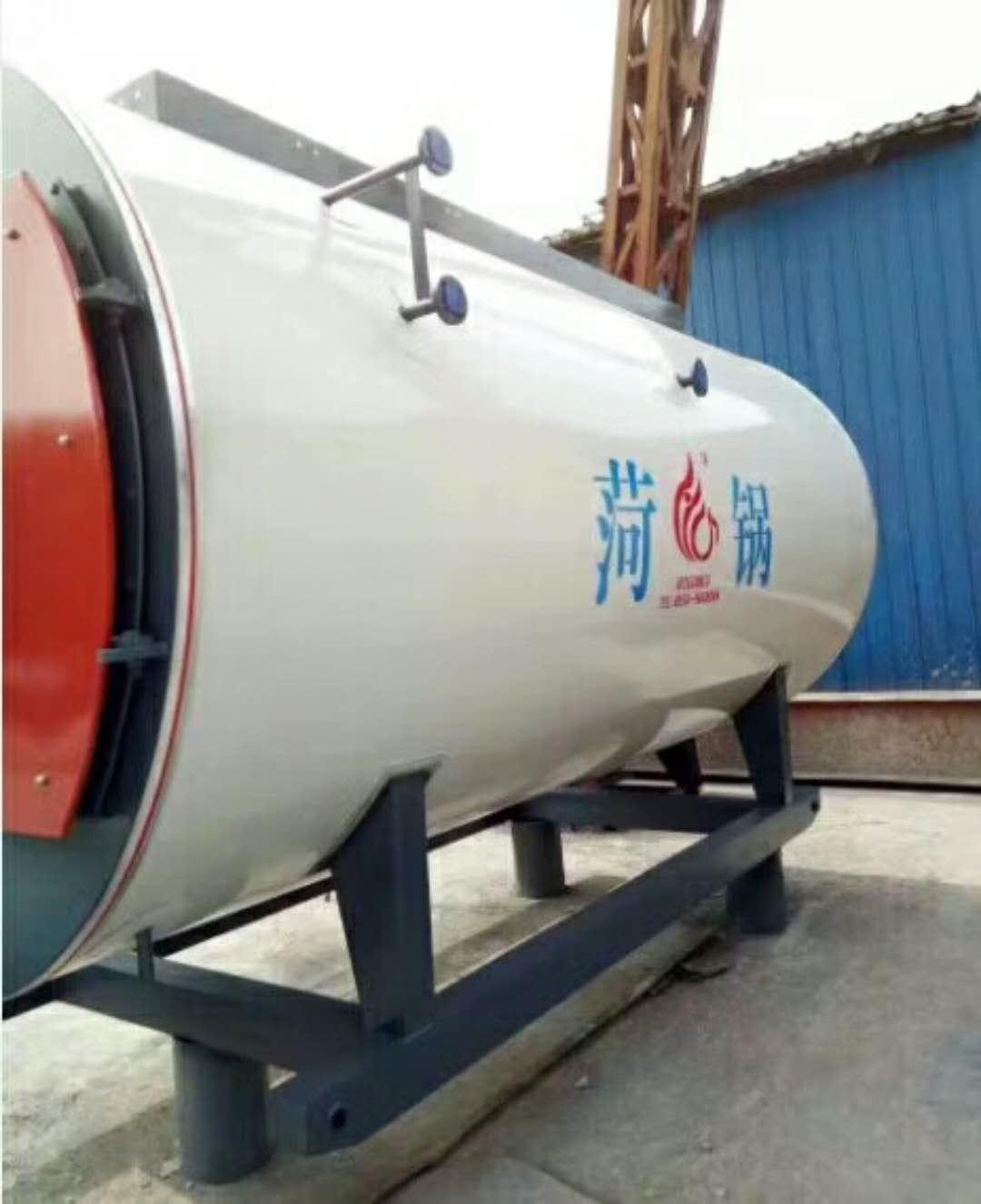



















Shandong Zhongjie Special Equipment (formerly Heze Boiler Factory Co., Ltd.) was established in 2001, located at No. 2218 Jinnan Road, Development Zone, Heze City, with a registered capital of 50 million yuan and total assets of 500 million yuan. The company has 7 business centers: boilers, deep-freeze containers, pressure vessels, central air conditioning, engineering installation, international trade, and Internet of Things. It has three factory sites on Jinnan Road, East Changjiang Road, and Bohai Road, covering a total of 200,000 square meters, with the main workshop spanning 83,000 square meters. It currently employs 710 people, including 247 engineering and technical staff and 82 intermediate-level technicians. In December 2016, it was recognized as a "High-tech Enterprise" by the Science and Technology Department. In June 2021, it was identified as a "Specialized and New Enterprise in Shandong Province" by the Ministry of Industry and Information Technology. In June 2022, it was recognized as a "Gazelle Enterprise in Shandong Province" and in August 2022, it was identified as a "Specialized and New Small Giant Enterprise" by the Ministry of Industry and Information Technology.
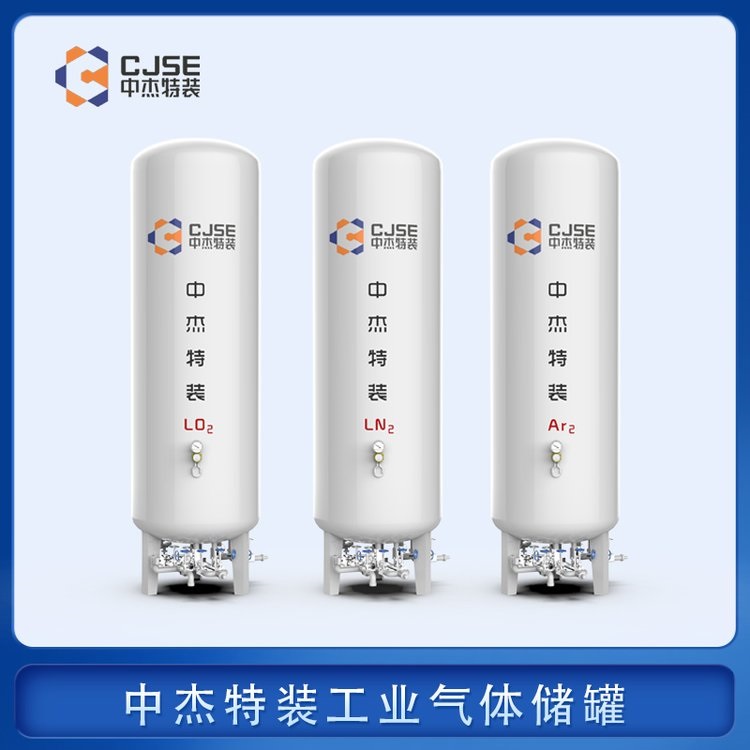
Standard parameters for liquid oxygen storage tanks typically include the following:
Capacity: The capacity of liquid oxygen tanks is typically expressed in liters or cubic meters, with common ranges varying from a few liters to several thousand liters.
Working Pressure: The working pressure of liquid oxygen tanks is typically expressed in megapascals (MPa) or bars (bar), with a common working pressure range varying from 0.2 MPa to 2.5 MPa.
Design Temperature: The design temperature of liquid oxygen storage tanks is typically expressed in degrees Celsius, with common design temperature ranges varying from -196°C to -150°C.
Material: The primary material for liquid oxygen storage tanks is typically stainless steel, offering excellent corrosion resistance and low-temperature performance.
Insulation Layer: Liquid oxygen tanks are typically equipped with an insulation layer to reduce evaporation losses of liquid oxygen. The material for the insulation layer is usually a multi-layer composite material or foam glass.
Safety Valve: Liquid oxygen storage tanks must be equipped with a safety valve to control internal pressure and prevent the tank from bursting due to excessive pressure.
Leak detectors: Liquid oxygen storage tanks are typically equipped with leak detectors to promptly detect and alarm any leaks in liquid oxygen.
Appearance Design: The appearance design of liquid oxygen storage tanks generally conforms to relevant standards and regulations, including exterior color, markings, and safety warning signs.
Note that specific parameters of liquid oxygen tanks may vary depending on different manufacturers and application requirements; the above is merely a general list of common standard parameters. In practice, choose the appropriate liquid oxygen tank based on the specific circumstances.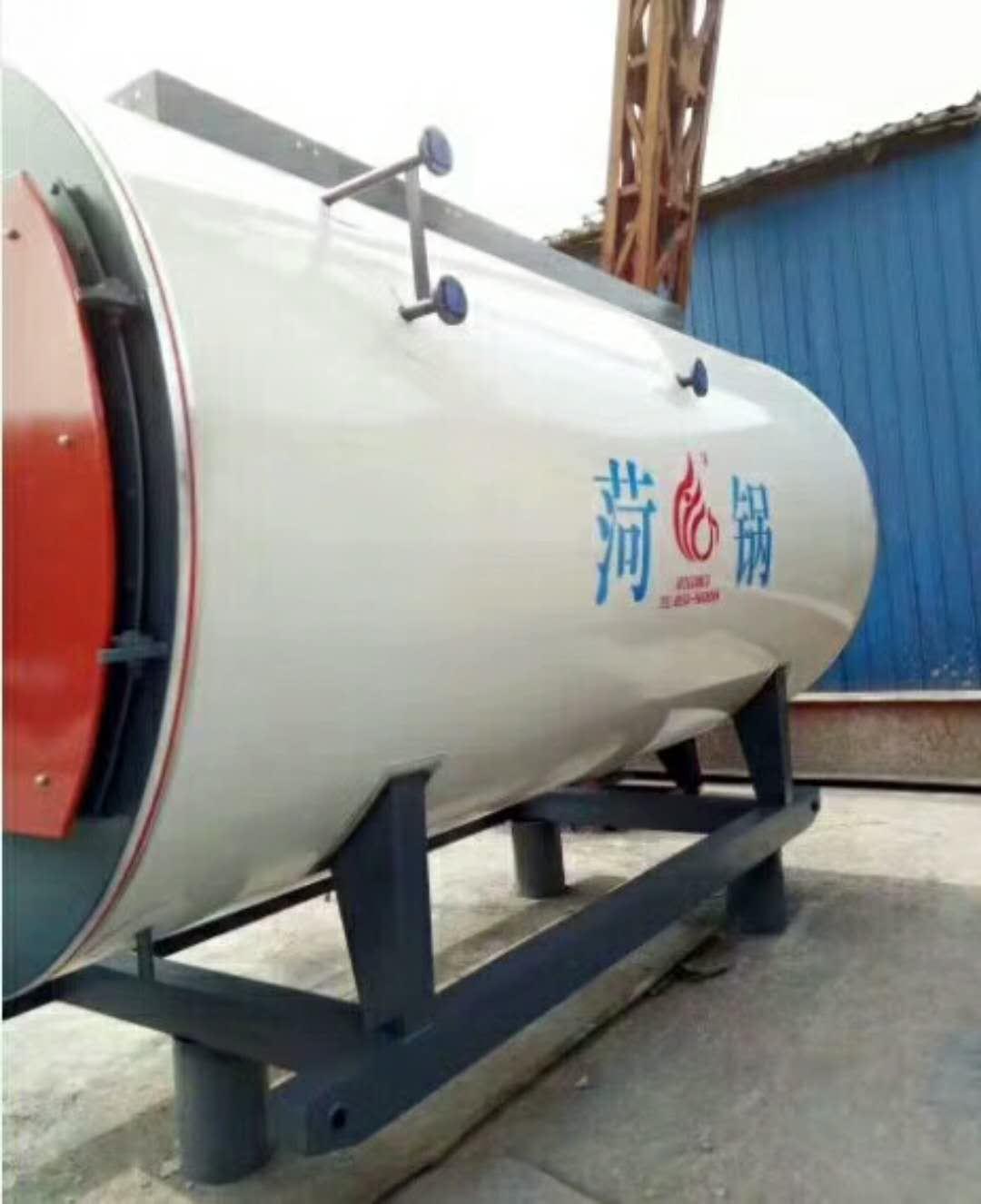
Liquid oxygen storage tanks are widely used in various industries, primarily in the following aspects:
Industry: Liquid Oxygen Tanks are widely used in fields, for storing and supplying liquid oxygen as fuel and oxidizer. Liquid Oxygen Tanks play a crucial role in engines, propulsion systems, and oxygen supply systems.
Chemical Industry: Liquid oxygen storage tanks are used in chemical processes for storing and supplying liquid oxygen, employed in oxidation reactions, combustion reactions, and oxygen supply, etc. Refineries, chemical plants, and manufacturers of chemical products are among those that may use liquid oxygen storage tanks.
Industry: Liquid Oxygen Tanks are used in the field for storing and supplying liquid oxygen, utilized for oxygen therapy, respiratory support, and surgeries, etc. Liquid Oxygen Tanks are widely used in institutions such as clinics and nursing homes.
Experimental Research: Liquid oxygen storage tanks are used in scientific research and laboratories to provide liquid oxygen as experimental materials and fuel. Liquid oxygen storage tanks play a significant role in experimental research across various fields such as physics, chemistry, biology, and materials science.
Metalworking Industry: Liquid oxygen tanks are used in the metalworking and welding industries to supply high-purity oxygen for processes such as metal cutting, welding, and heat treatment.
Other Industries: Liquid Oxygen Tanks are also used in various other sectors, such as the energy, environmental protection, and food industries, among others. They are applied in areas like energy production, environmental management, and food processing.
It's important to note that the use of liquid oxygen tanks must strictly adhere to relevant safety regulations and operating guidelines to ensure safe operation and usage of the tanks.
Liquid nitrogen storage tanks are equipment used for storing and transporting liquid nitrogen. To ensure safe operation, here are some common operational and protective procedures for liquid nitrogen storage tanks:
Tank Installation: Tanks should be installed on a solid and level foundation, away from fire sources and flammable materials. Good ventilation around the tank should be maintained to prevent gas accumulation. Adequate safety distances should be maintained between the tank and other equipment and buildings.
Liquid Nitrogen Filling: When filling with liquid nitrogen, appropriate liquid nitrogen transfer equipment should be used to avoid direct contact. During the filling process, attention should be given to controlling the flow and pressure of liquid nitrogen to prevent over-filling and excessive tank pressure.
Tank Pressure Control: Tanks should be equipped with pressure control devices to ensure the internal pressure remains within a safe range. Regularly inspect and maintain the pressure control devices to ensure proper functioning.
Leak Detection and Alarm Systems: Storage tanks should be equipped with leak detection and alarm systems to promptly detect and alert of any leaks. Regularly inspect and maintain the leak detection equipment to ensure proper functioning.
Fire and explosion prevention measures: A fire-resistant isolation area should be set around the storage tank, away from fire sources and flammable materials. The tank itself should adopt fire and explosion prevention measures, such as fire-resistant coatings and explosion-proof devices, to prevent fires and explosions.
Regular Inspections and Maintenance: Conduct regular inspections of the tank's exterior, valves, and fittings to ensure they are intact and undamaged. Perform regular leak detection and pressure tests to ensure the tank's safety performance meets requirements.
Safety Training and Awareness Enhancement: Conduct safety training for operators to enhance their awareness and ability in the safe operation of liquid nitrogen tanks. Regularly hold safety training and drills to respond to emergencies.
Manage records and documents: Establish comprehensive management records and documents, including tank usage, inspection, and maintenance records. Regularly review and update management records to ensure safe management and maintenance of the tanks.
Note that the above are some common protective procedures, which may vary depending on the type of tank and application. When using a liquid nitrogen tank, operate according to relevant specifications and standards, and consult with experts to ensure safety and effectiveness.
Maintenance and upkeep are crucial for ensuring the safety of low-temperature storage tanks. Here are some common maintenance measures:
Regular Inspections: Conduct regular checks on low-temperature storage tanks, including exterior, internal structure, and anti-corrosion coating inspections. Look for cracks, corrosion, wear, and other issues to identify and repair potential safety hazards in a timely manner.
Cleaning and De-icing: Regularly clean the external surface and internal structure of the low-temperature storage tank to remove accumulated dirt and ice layers. The buildup of ice can lead to structural damage and corrosion; cleaning and de-icing can extend the lifespan of the tank.
Level Monitoring: Regularly monitor the liquid level of low-temperature storage tanks to ensure the level remains within the safe range. Excessive or insufficient levels can lead to overpressure or vacuum in the tank, increasing safety risks.
Leak Detection: Install a leak detection system to regularly check for leaks in low-temperature storage tanks. Leaks can lead to the release and evaporation of liquids or gases, increasing safety risks.
Corrosion Protection Measures: Implement appropriate corrosion protection measures, such as coating protection and corrosion-resistant coatings, to safeguard the metallic structure of low-temperature storage tanks from corrosion.
Emergency Fault Handling: Establish an emergency fault handling mechanism to promptly address and repair issues with low-temperature storage tanks, in order to prevent accidents from occurring or escalating.
Training and Development of Personnel: Train and develop operation and maintenance staff to ensure they possess relevant knowledge and skills for proper operation and maintenance of low-temperature storage tanks.
Note that maintenance should be tailored to the specific type of storage tank and operating conditions, adhering to relevant local laws, regulations, and standards. During maintenance, it is recommended to consult with engineers or relevant institutions for guidance to ensure the safety and reliability of the tank.
Chongjie Special Equipment upholds the great vision of "realizing employees' dreams, creating value for customers, and striving for the prosperity and strength of our motherland," and is dedicated to the development of the green energy equipment industry. We offer society products and services with high cost-performance!
WeChat Official Account

Scan to follow Official Account



















