



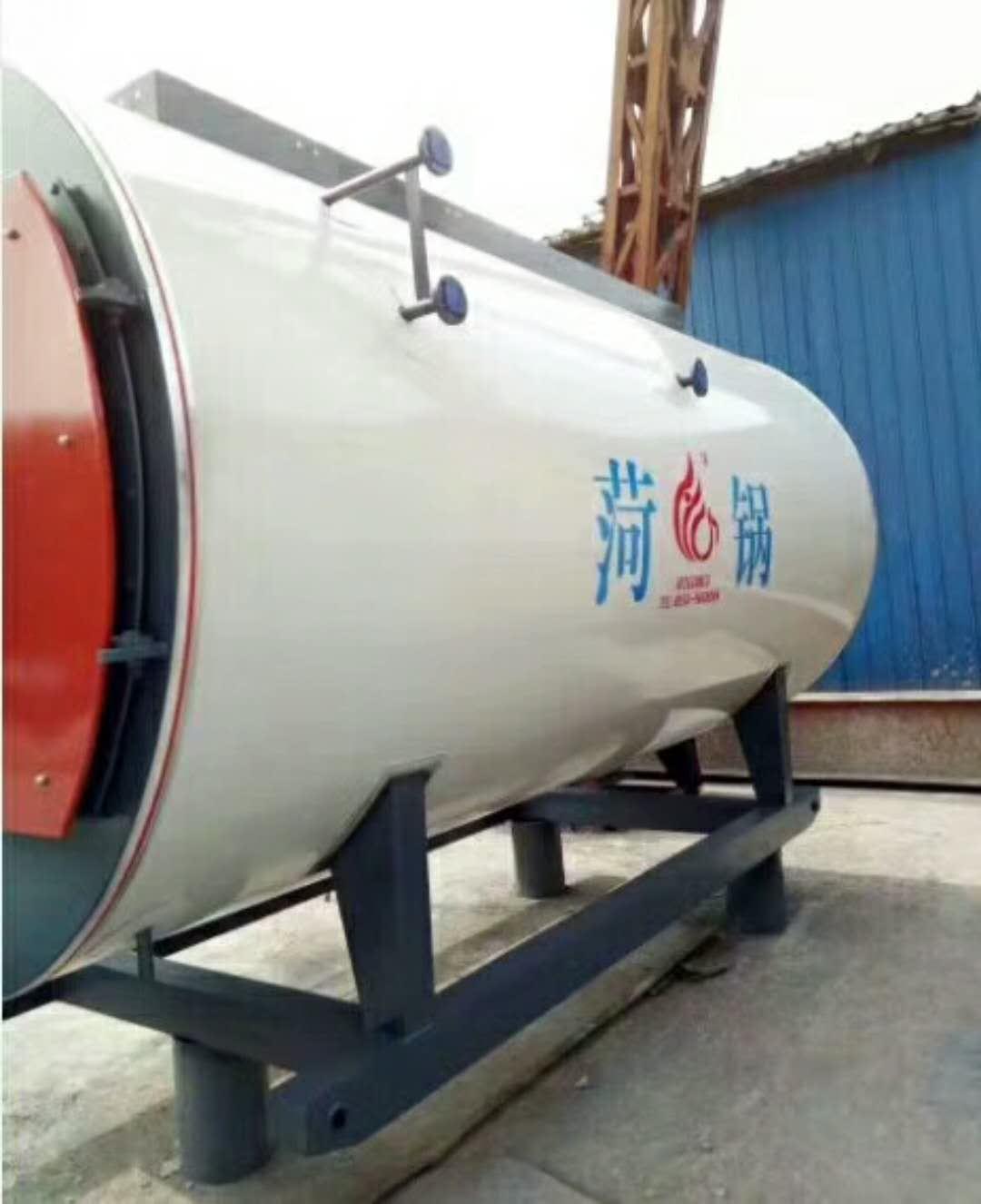


















Shandong Zhongjie Special Equipment (formerly Heze Boiler Factory Co., Ltd.) holds an A-grade boiler manufacturing license, an A2-grade pressure vessel manufacturing license, an A2-grade pressure vessel design license, B-grade boiler installation and GB2/Class, GC2/Class pressure pipeline installation licenses, as well as an equipment and machinery installation contracting qualification. It is a member of the China Boiler and Water Treatment Association, the China Chemical Equipment Association, and a council member of the Shandong Equipment Manufacturing Association. The company has also passed certifications for the ISO9001 Quality Management System, ISO14001 Environmental Management System, OHSAS18001 Occupational Health and Safety Management System, and the American ASME/U2 certification.
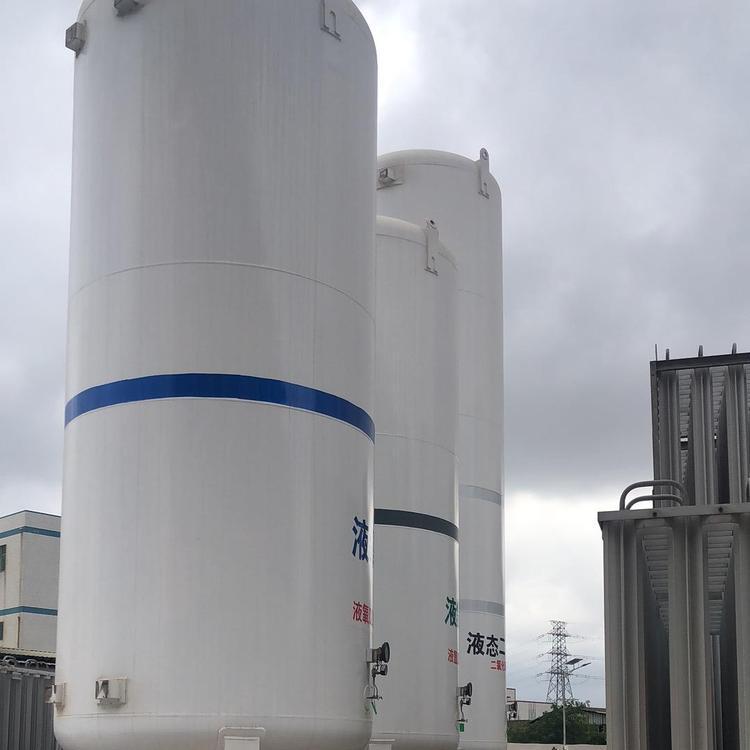
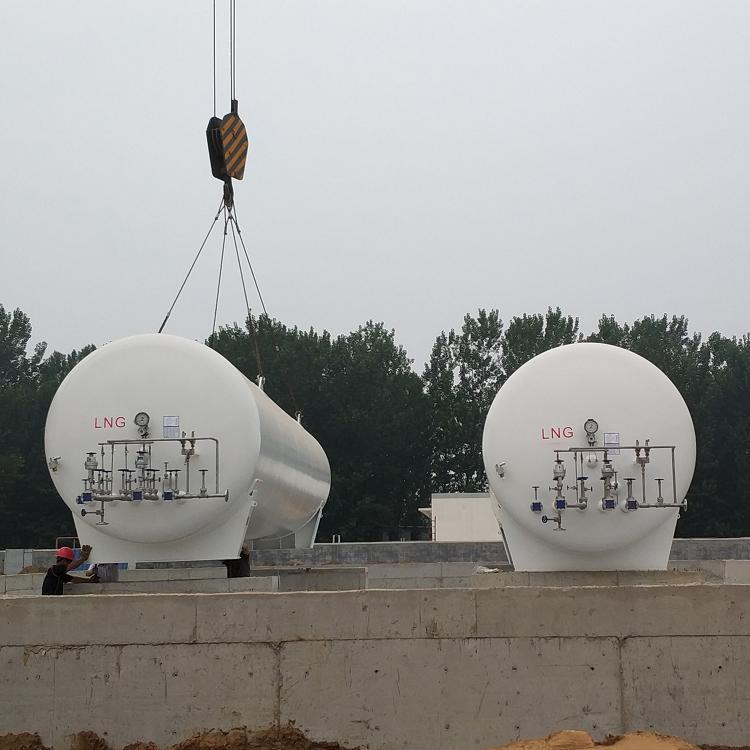
Before using the liquid oxygen tank, the following preparatory work is required:
Safety Inspections: Ensure that the tank and its surrounding environment are safe. Check for any damage, leaks, or other safety hazards to the tank. Make sure there are no flammable substances or other hazardous materials nearby.
Tank Preparation: Inspect the tank's exterior, including the shell, welds, valves, and connections. Ensure there is no visible damage or corrosion. Check that the insulation layer is intact and undamaged.
Liquid Oxygen Filling: Utilize liquid oxygen transfer equipment to fill the tank with liquid oxygen. Ensure the flow rate and pressure of the liquid oxygen are maintained within safe limits during the filling process.
Pressure Control: Tanks should be equipped with pressure control devices to ensure the internal pressure of the tank remains within a safe range. Inspect and adjust the pressure control devices to ensure their proper operation.
Valve Operation: Check that the tank's valves and connections are functioning properly. Ensure the valves operate smoothly and reliably. Adjust the opening and closing status of the valves as needed.
Safety Equipment: Inspect the safety equipment around the storage tank, such as fire isolation zones and alarm systems, to ensure they are functioning properly.
Operator Training: Ensure operators are proficient in the safe operation of liquid oxygen storage tanks.
Tanks are specialized storage equipment that require regular inspections and maintenance to ensure safe operation. Here are common inspection methods for tanks:
Appearance Inspection: Regularly inspect the tank's exterior for signs of leakage, corrosion, deformation, cracks, and other issues. Pay special attention to the integrity of the tank's interfaces, welds, and valves.
Pressure Test: Conduct pressure tests to evaluate the tank's sealing performance and pressure resistance. Pressure gauges or pressure sensors can be used for testing the tank to ensure it can withstand the designed pressure.
Ultrasonic Testing: Ultrasonic testing can be used to detect corrosion, cracks, and other issues in storage tank walls. By scanning the tank with an ultrasonic detection instrument, potential defects and problems are identified.
Magnetic Particle Inspection: Magnetic particle inspection is used to detect cracks and the quality of welds in storage tank walls. By applying magnetic particles to the surface of the tank and then using a magnetic particle inspection device to observe for particle accumulation, it can be determined if there are any cracks or weld issues.
Environmental Monitoring: Regularly monitor the surrounding environment of storage tanks, including gas concentration and temperature parameters, to ensure the safety of the surrounding environment.
Note that tank inspections should be conducted by certified inspection agencies or qualified inspectors. The frequency and methods of inspection should be determined based on the tank's usage, size, and relevant regulatory requirements. Regular inspections and maintenance can help identify potential issues early on, ensuring the safe operation of the tank.
Operation procedures for liquid oxygen storage tanks should be established based on the specific tank design and usage requirements. The following are some common contents of general operation procedures for liquid oxygen storage tanks:
Operator Training: Ensure that operators have received relevant training for liquid oxygen storage tanks, understanding the tank's structure, performance, operation procedures, and safety precautions.
Safety Inspections: Conduct necessary safety checks before operating the liquid oxygen storage tank, including inspecting the tank's integrity, the sealing of valves and pipes, and the condition of the insulation layer.
Liquid Oxygen Supply: Ensure the liquid oxygen supply system is functioning properly, including checking the status of the liquid oxygen supply pipes, valves, and pressure gauges, and ensuring an adequate supply of liquid oxygen.
Tank Pressure Control: Monitor the pressure of the liquid oxygen storage tank to ensure it is within a safe range. If necessary, control the tank's pressure by adjusting pressure valves or pressure relief devices.
Leakage Control: Regularly inspect the sealing of the tank and pipes to ensure there are no leaks. If a leak is detected, take immediate action to control the leakage and notify relevant personnel.
Fire Prevention Measures: Prohibit open flames and prevent sparks and high-temperature objects from contacting the tank around the liquid oxygen storage tank. Establish fire prevention facilities and fire extinguishing equipment, and conduct regular inspections and maintenance.
Safety Distance: Maintain a certain safety distance around the liquid oxygen storage tank to prevent the spread of fires, explosions, and leaks.
Maintenance and Repair: Regularly perform maintenance and repairs on the tank, including cleaning the tank, inspecting the insulation layer, valves, and pipes, to ensure the tank operates normally.
Waste Disposal: Properly dispose of waste generated by the liquid oxygen storage tank, including liquid oxygen residues, waste gases, and waste liquids, in accordance with relevant environmental protection regulations and standards.
Note that operation procedures for liquid oxygen storage tanks should be established based on the specific tank design and usage requirements and should comply with applicable regulations, standards, and safety guidelines. When operating liquid oxygen storage tanks, cooperation with local regulatory agencies and personnel should be ensured to guarantee the safety and reliability of the tanks.
Liquid oxygen storage tanks may deform during use. The following are common deformation defects in liquid oxygen storage tanks:
Elastic deformation: Liquid oxygen tanks may undergo elastic deformation when subjected to external pressure or temperature changes. This deformation is typically reversible, meaning the tank will return to its original shape upon the removal of external pressure or the return of normal temperatures.
Plastic Deformation: When a liquid oxygen tank is subjected to significant external force or pressure, it may undergo plastic deformation. This deformation is irreversible, and the tank cannot return to its original shape. Plastic deformation can cause changes in the tank's shape, such as indentation or warping.
Hot Deformation: Liquid oxygen storage tanks may experience hot deformation when subjected to high temperatures or temperature changes. Hot deformation can cause the tank to change shape, expand, or contract.
Cold Deformation: Liquid oxygen tanks may undergo cold deformation when exposed to low temperatures or temperature changes. Cold deformation can cause the tank to change shape, shrink, or crack.
These deformation defects may affect the structural integrity and safety of liquid oxygen tanks. Therefore, regular inspection and assessment of the deformation of liquid oxygen tanks are crucial to ensure their normal operation and safe use. If deformation defects in the tank are found, prompt repair or replacement measures should be taken to avoid further damage and safety risks.
Zhongjie Special Equipment upholds the great vision of "realizing employees' dreams, creating value for customers, and striving for the prosperity and strength of our motherland," wholeheartedly committed to the development of the green energy equipment industry. We dedicate high-value products and services to society!
WeChat Official Account

Scan to follow Official Account



















