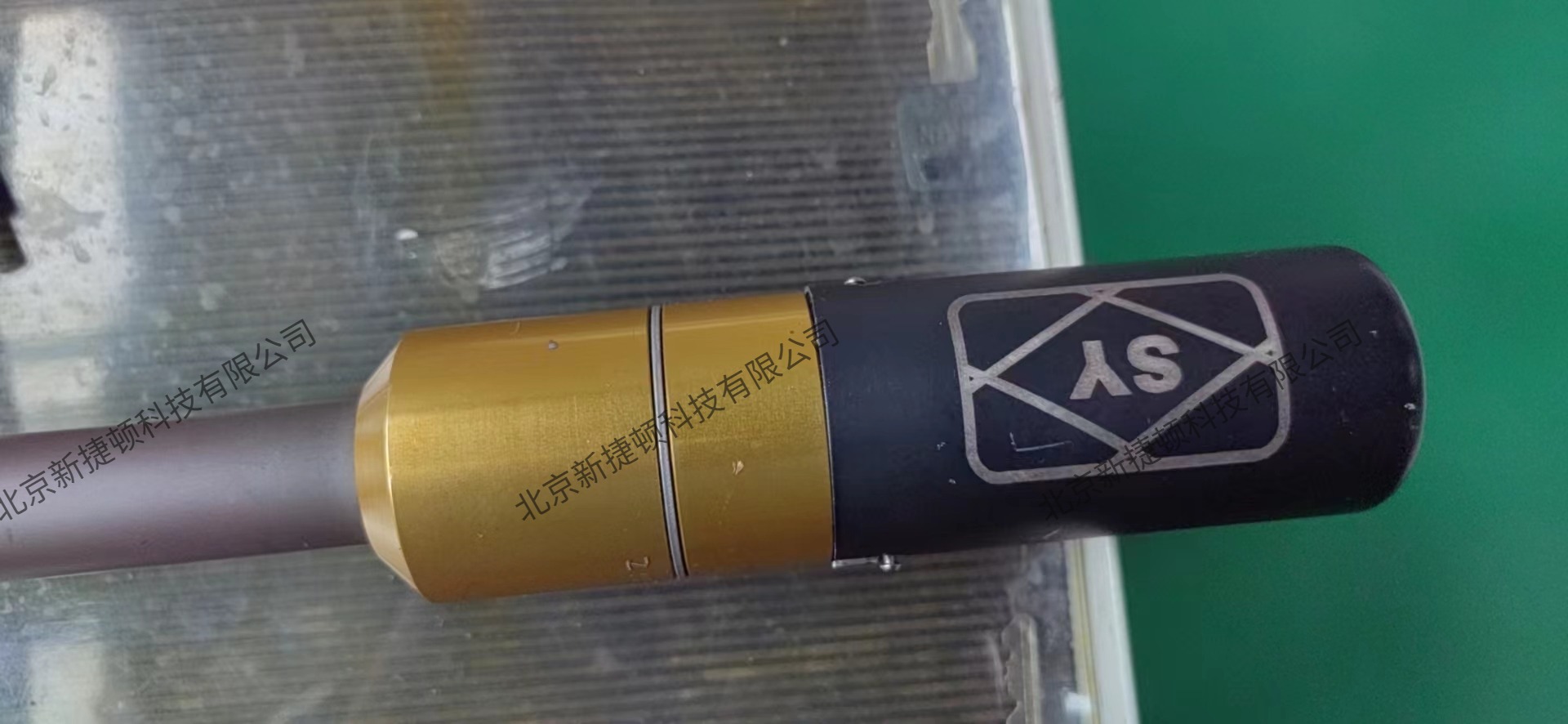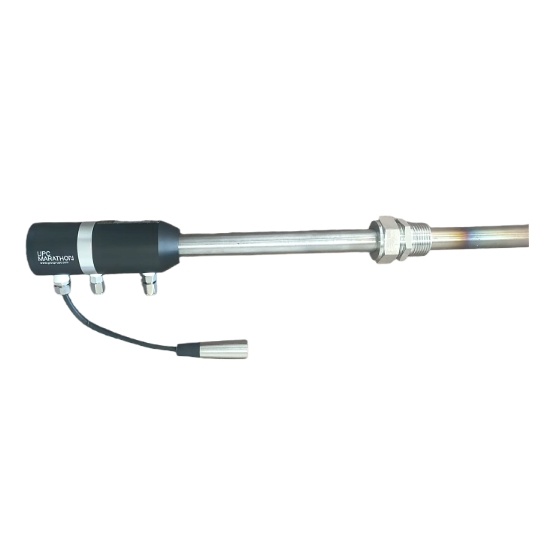

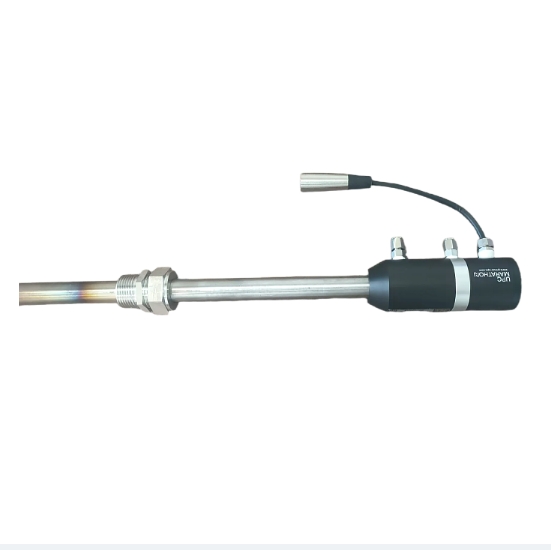
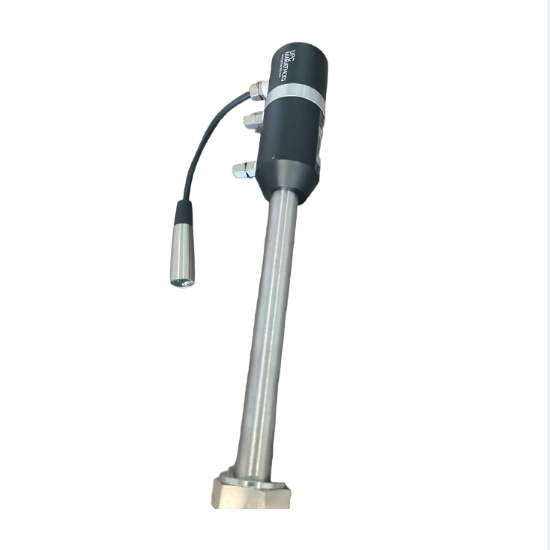


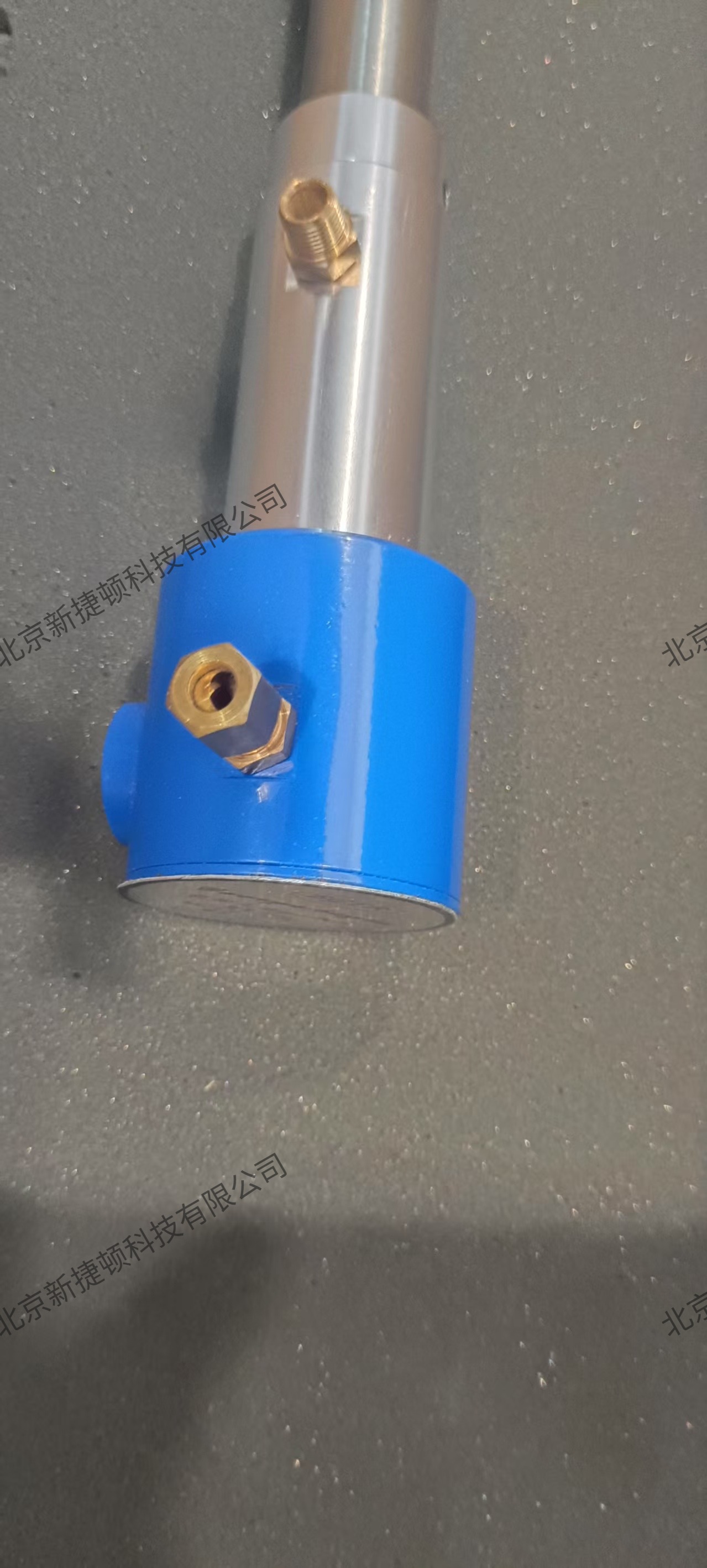
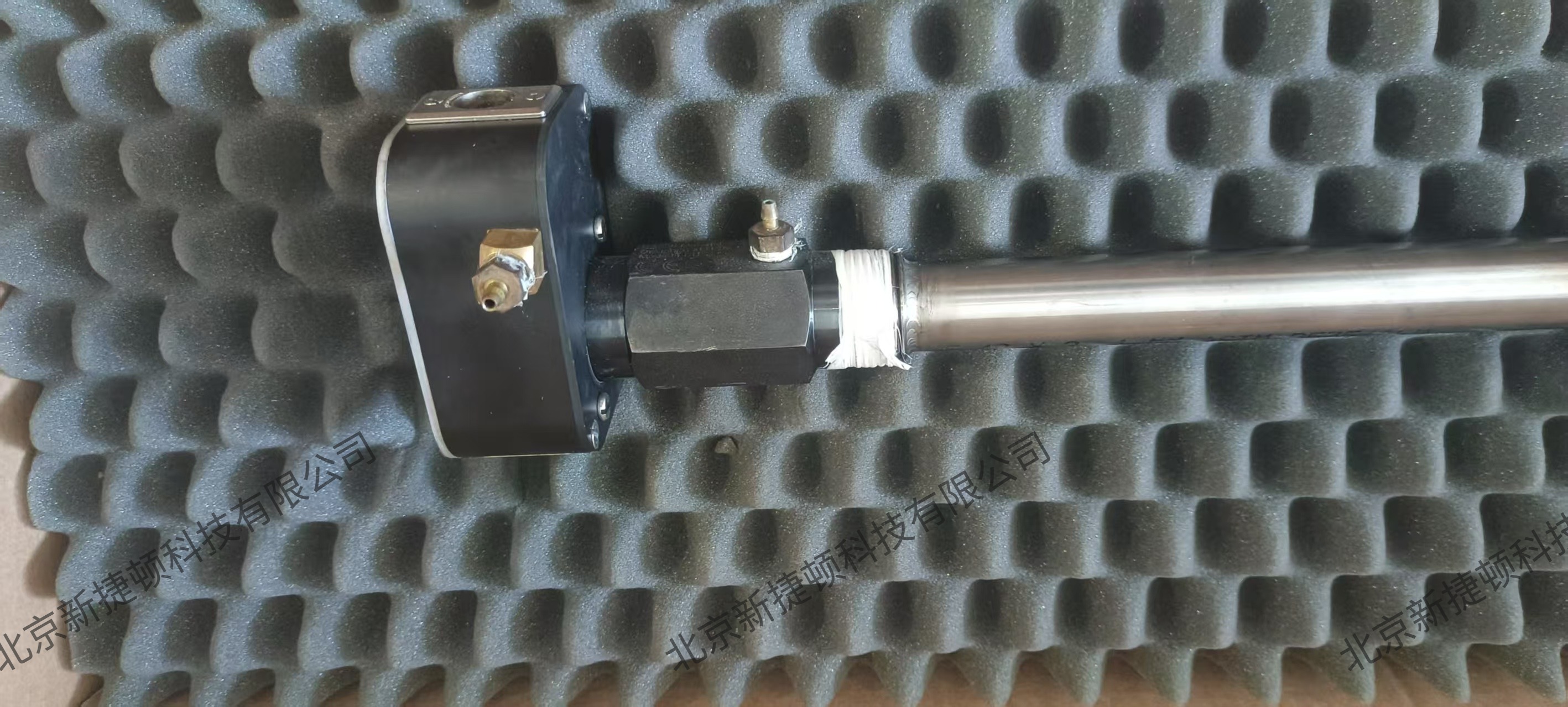
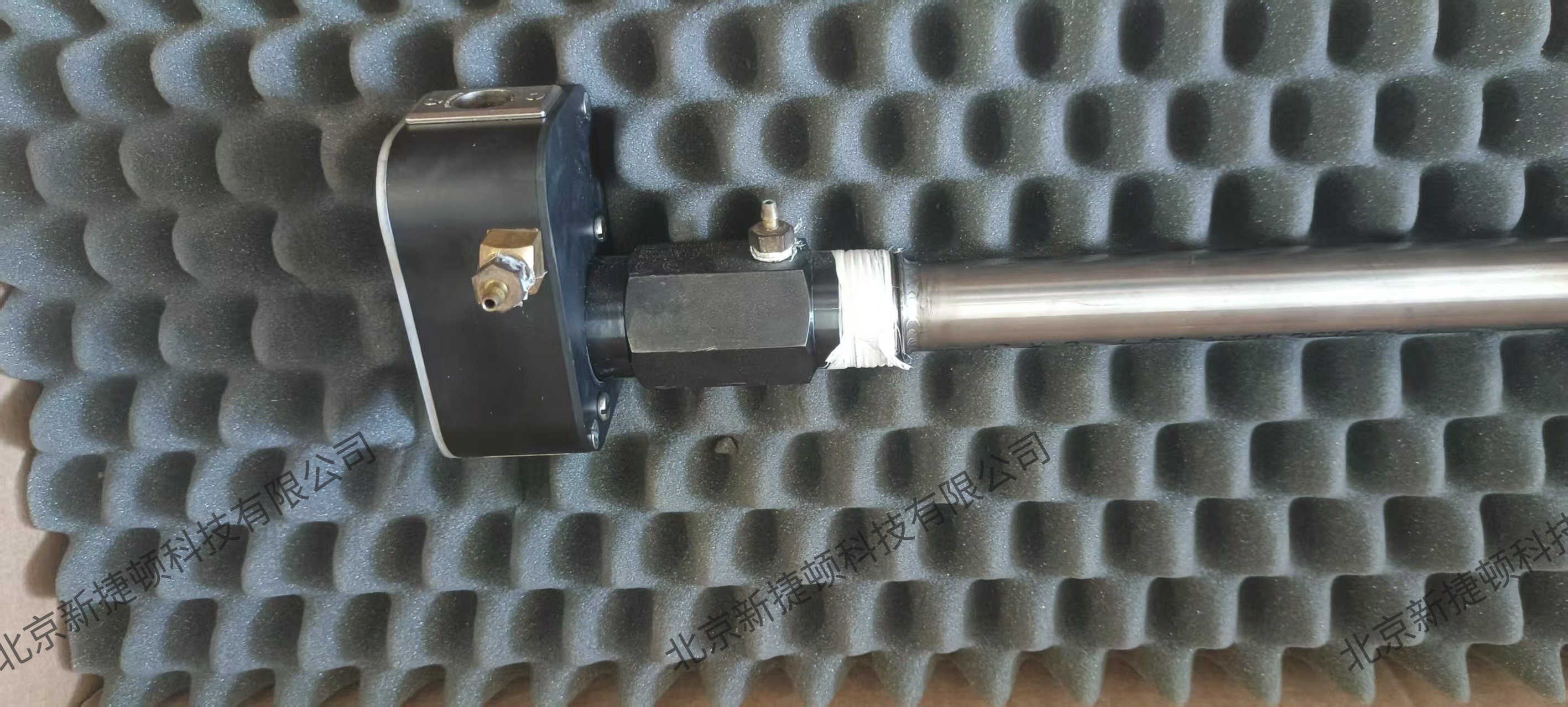
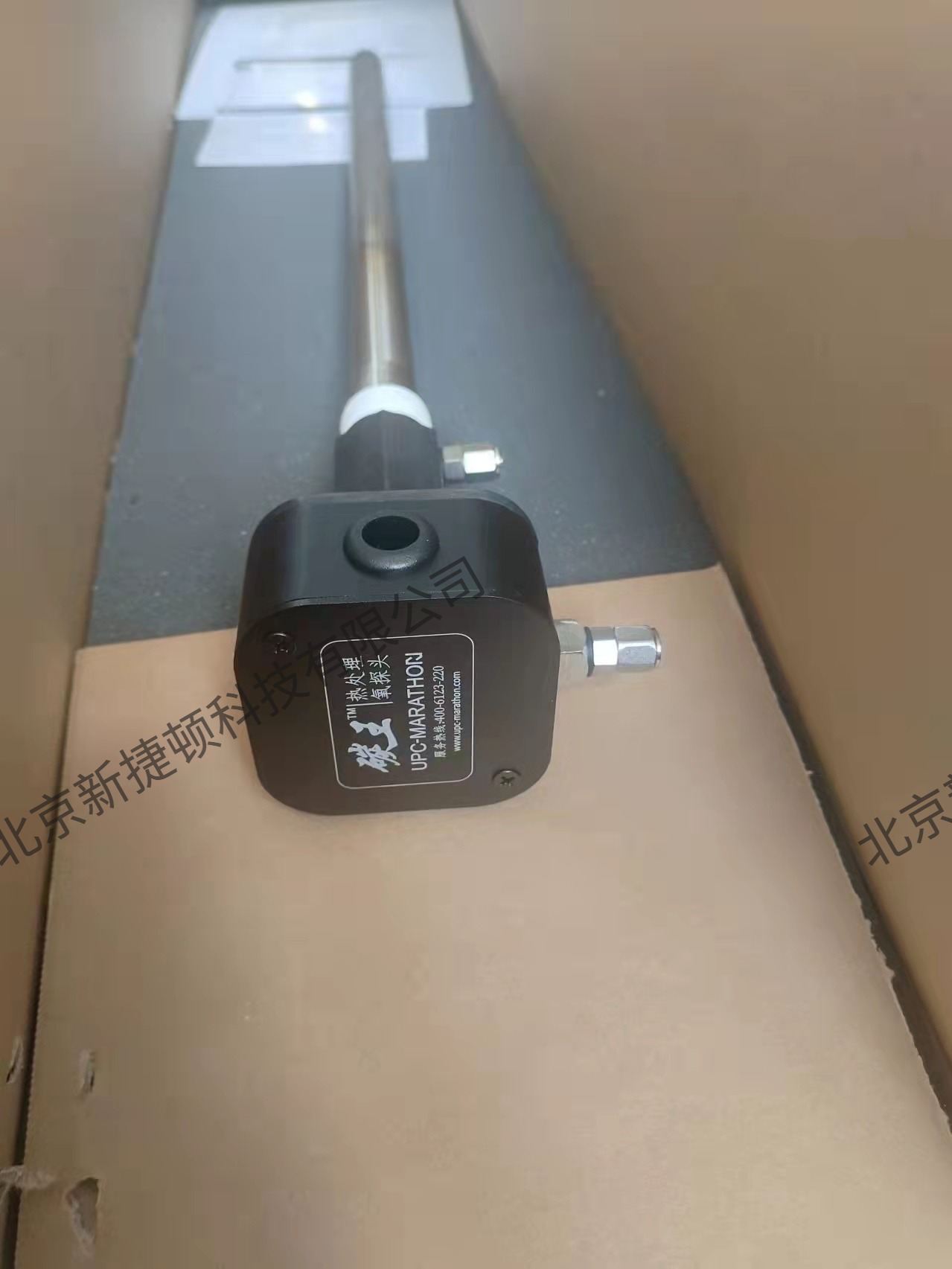
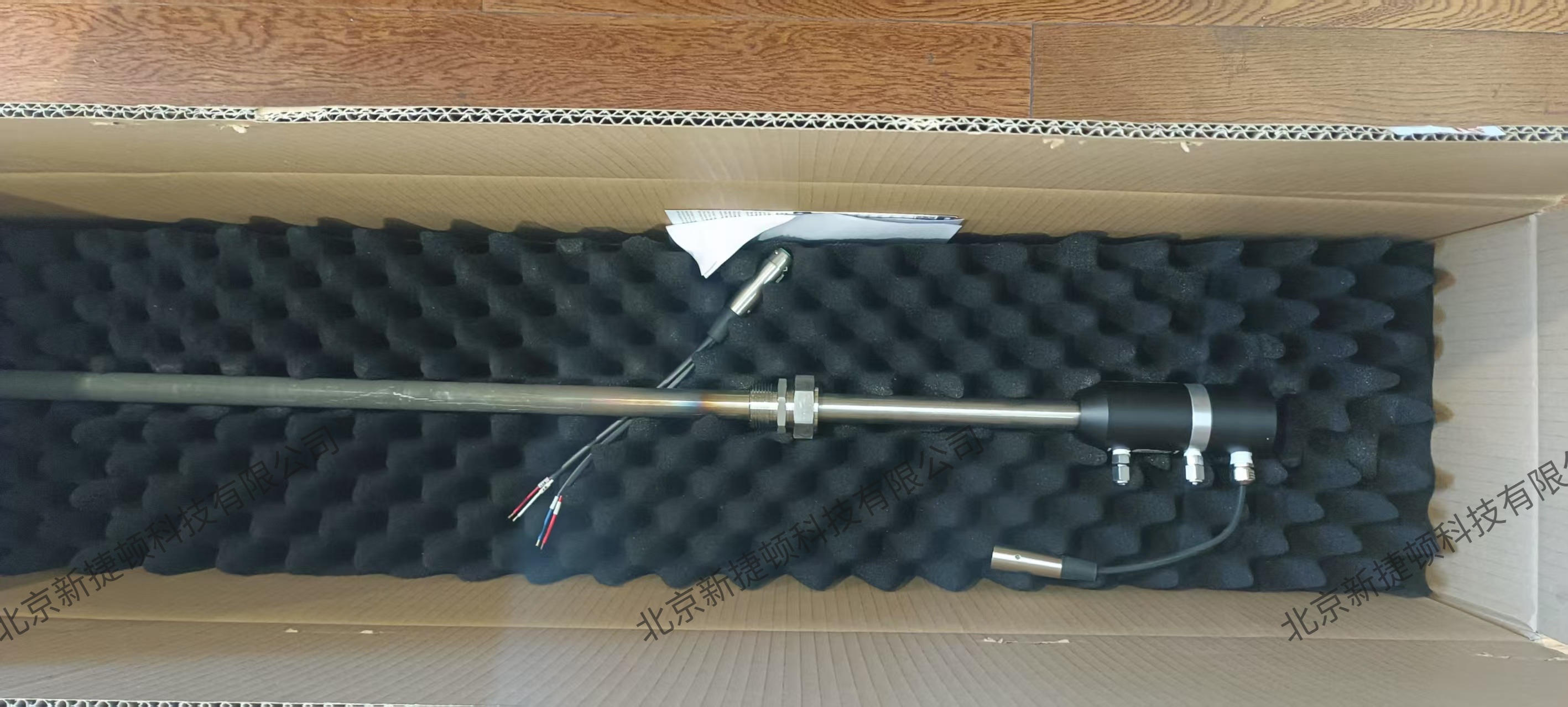





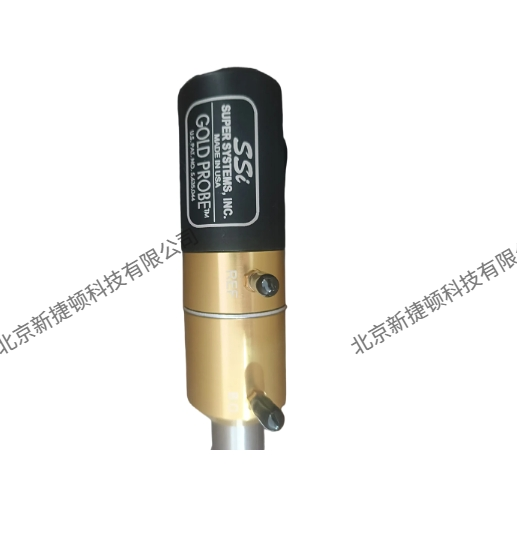
For every two yttrium ions added, an oxygen ion vacancy is formed. The point defect concentration of ZrO2 primarily depends on the amount of additives introduced. The ion conductivity of ZrO2 is achieved through the migration of oxygen ions within ZrO2. This ceramic material is highly sensitive to oxygen with excellent selectivity, and oxygen probes (also known as oxygen sensors) made from it are widely used in industrial furnaces and environmental protection.
The oxygen sensor's measurement method involves sintering porous platinum (Pt) electrodes on both sides of a zirconia electrolyte (ZrO2) tube. At a certain temperature, when the oxygen concentration on either side of the electrolyte is different, oxygen molecules on the high-concentration side (Side II, Pref) are adsorbed onto the platinum electrodes and combine with electrons (4e) to form oxygen ions O2-, causing the electrode to become positively charged. The oxygen ions migrate through the oxygen ion vacancies in the electrolyte to the low-concentration side (Side I, PO2) of the Pt electrode, releasing electrons and converting back into oxygen molecules, causing the electrode to become negatively charged. Days pass one by one, and books must be read page by page.