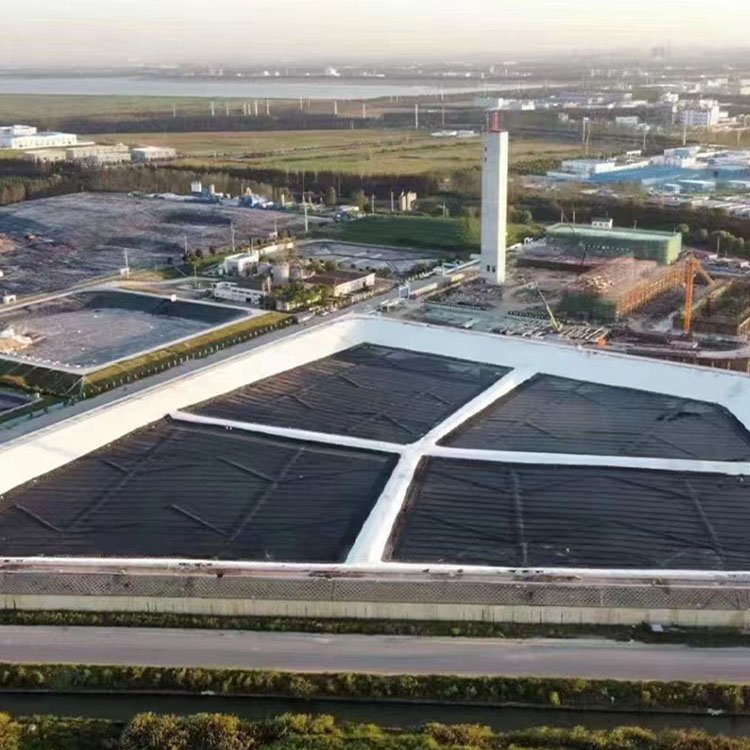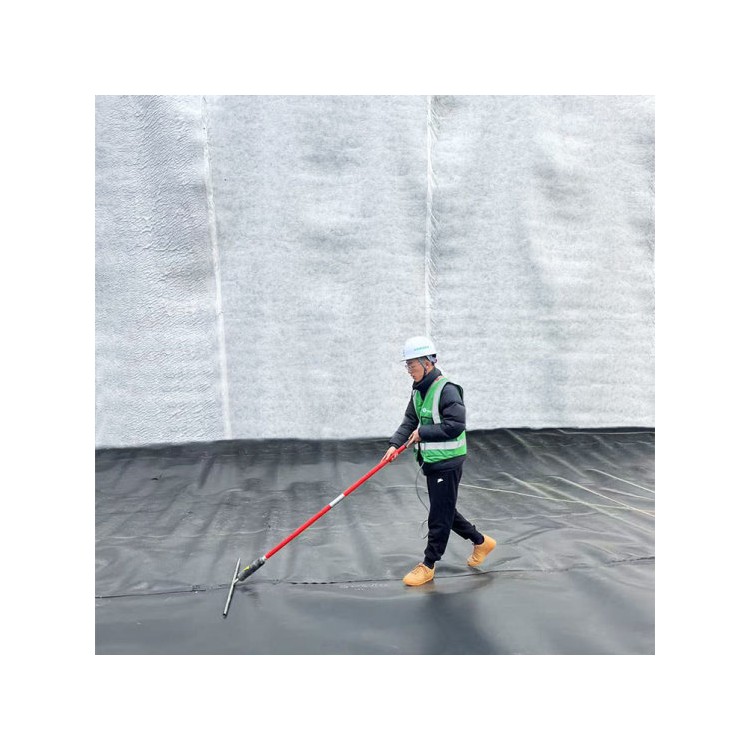

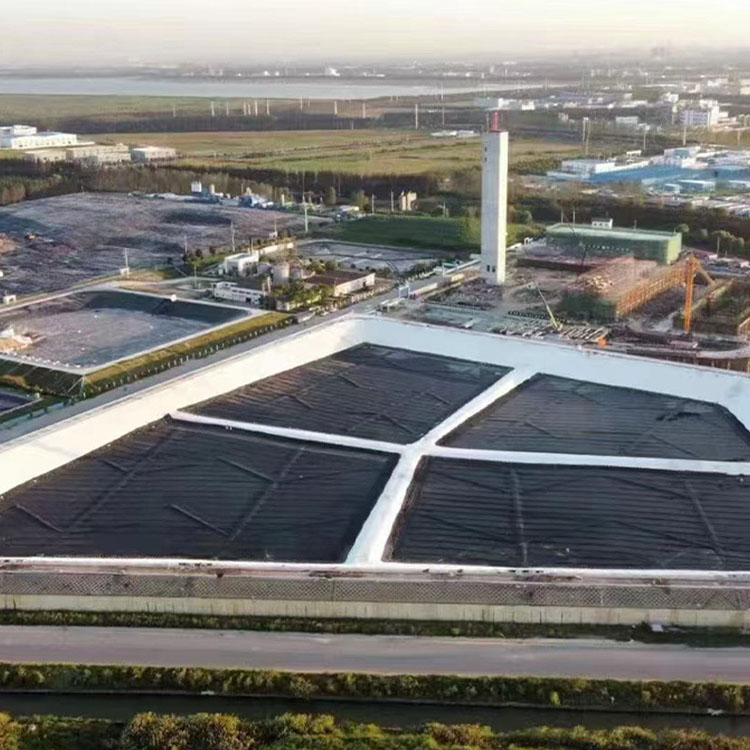










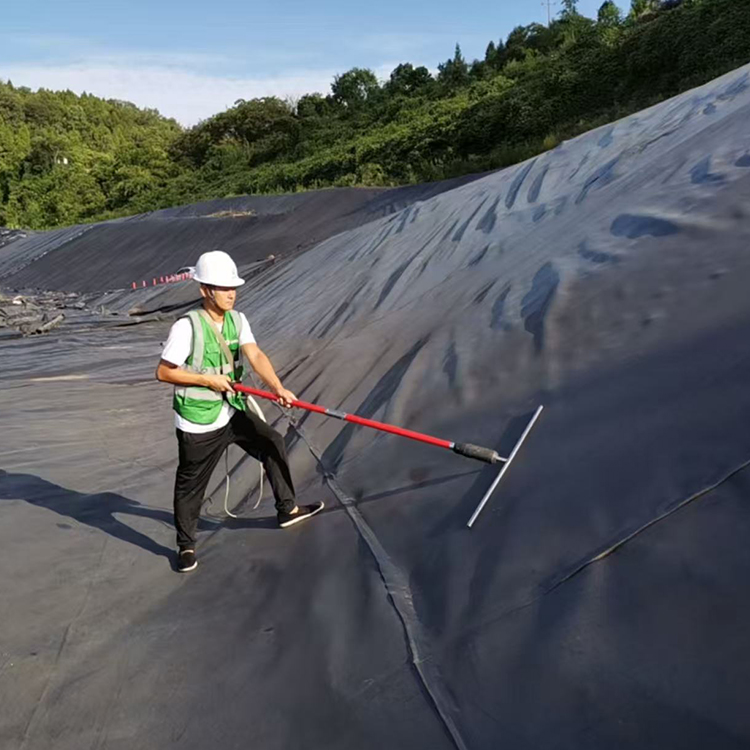
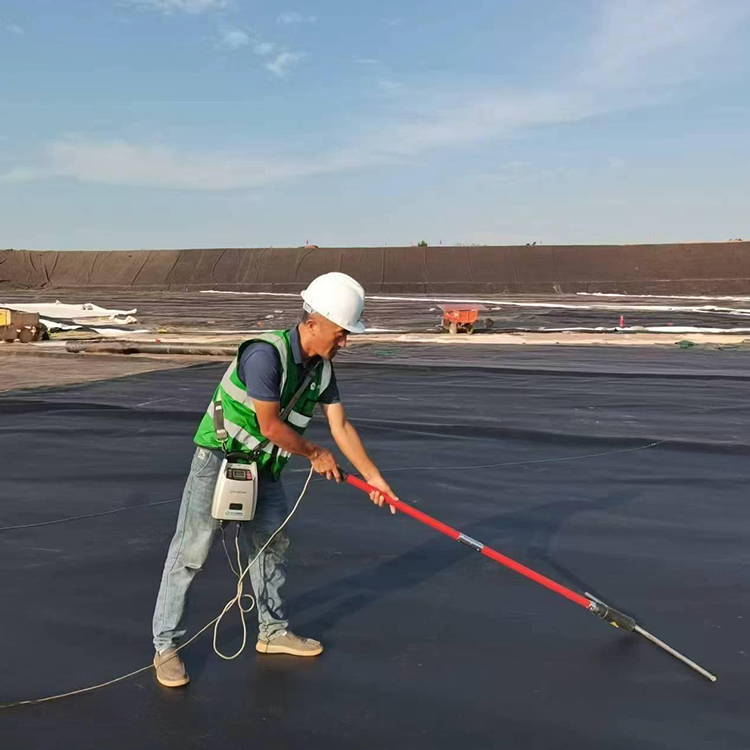
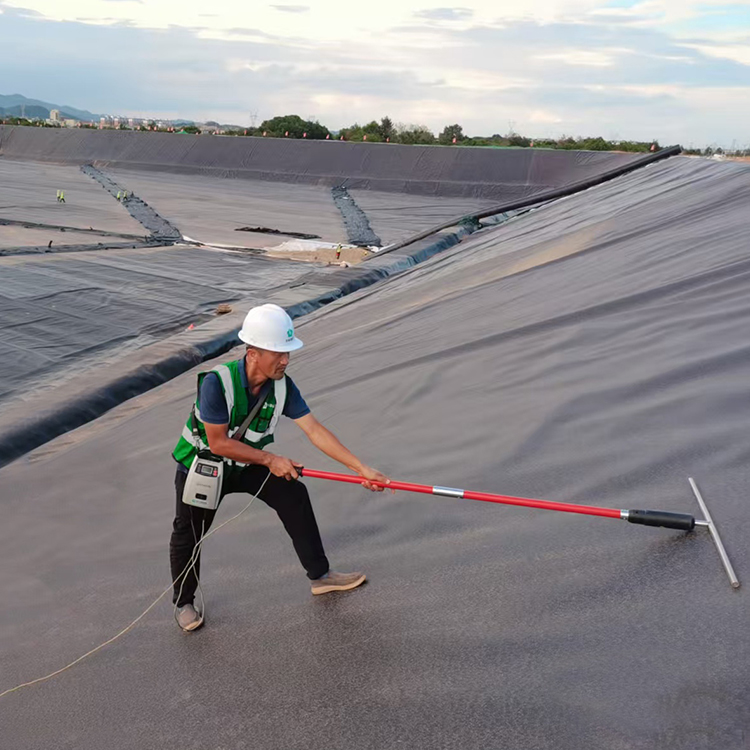
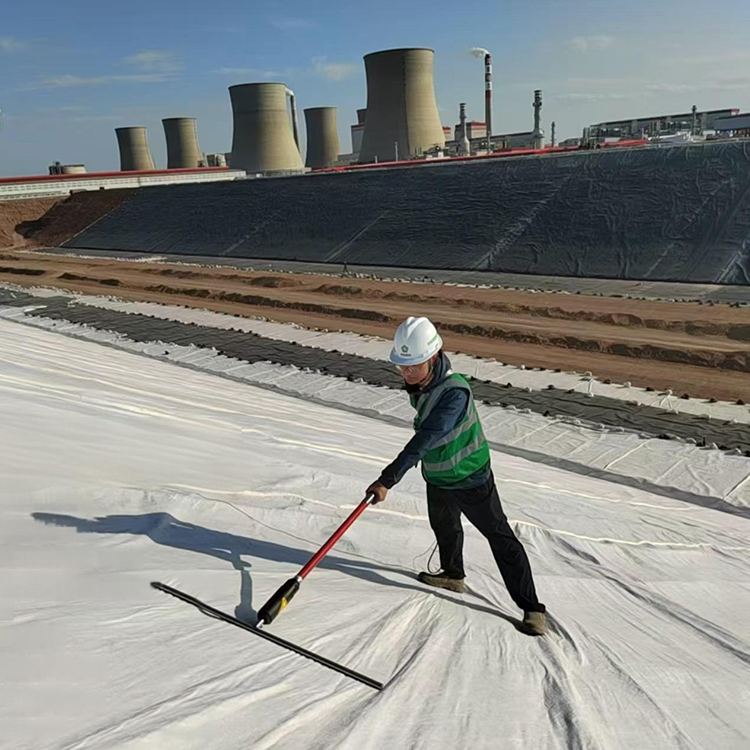

Leak integrity testing of the waterproofing system involves a comprehensive inspection using professional technical methods of the waterproofing system (such as geomembranes, composite liners, clay liners, etc.) to identify any damage, holes, joint defects, or other structural issues that could lead to liquid leakage, ensuring its waterproofing performance meets design specifications. The core objective is to ensure the system's airtightness and prevent the leakage of pollutants into soil, groundwater, or surrounding environments.
I. Inspection Object and Scenario
Applicable Scenarios
LandfillCheck for leakage in the HDPE impermeable membrane to prevent leachate from contaminating groundwater.
Man-made Lake/Lake ReservoirInspect the integrity of the waterproof lining to prevent water accumulation and leakage, which could lead to water resource waste or foundation settlement.
Chemical Industrial Park/Waste Rock Storage FacilityEnsure that hazardous liquids (such as acid, heavy metal solutions) do not seep into the environment.
Wastewater Treatment PondPrevent the outflow of sewage to avoid secondary pollution.
Inspection Object
Single-layer渗漏膜Such as HDPE (High-Density Polyethylene), PVC (Polyvinyl Chloride), etc.
Composite LiningGeotextile + Geocomposite Clay Liner (GCL) or compacted clay layer combination structure.
Seams and WeldsVulnerability at the joints of the渗漏膜.
II. Primary Testing Methods
Electrical Discharge Machining (EDM)
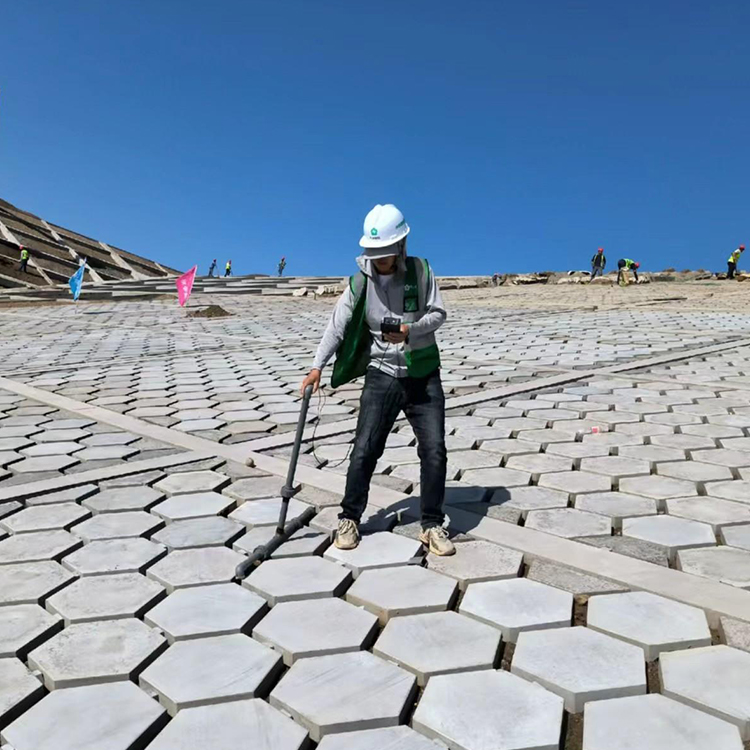
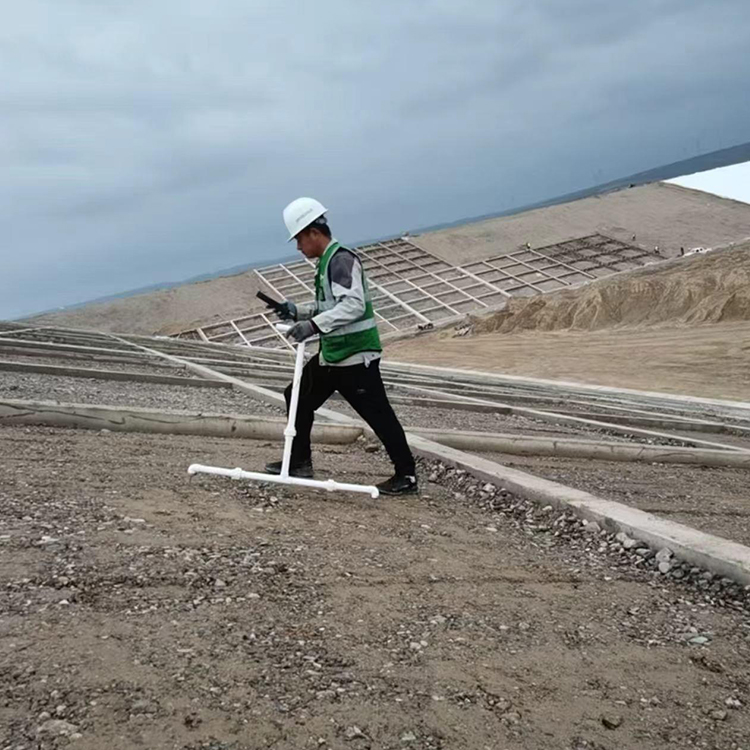
PrincipleThe principle of the electric spark method for detection involves introducing high voltage between the detection probe for leaky holes and the conductive medium beneath the geotextile. The probe then scans the area to locate points where the current passes through the hole to form a complete circuit. When a complete circuit is formed, visible electric sparks are generated, and the current is also converted into an alarm signal.
Applicable ScenariosExposed Geomembrane, Geomembrane Laid Over Geotextile, Geomembrane Over Drainage Grid.
AdvantagesQuickly and accurately locate leakages.
Electrical Method (Two-Electrode Technique)
PrincipleBy utilizing the high insulating properties of the waterproof membrane, conductive layers (such as water or conductive soil) are laid on both sides of the membrane, and voltage is applied to create an electric field. In the event of any damage, the current will form a path through the damaged point, allowing for the detection of abnormal current to locate the leakage position.
Applicable ScenariosEngineered for membrane-over-conductive mediums (such as soil, water) applications (e.g., landfill bases).
AdvantagesDetects millimeter-level damage, with a large coverage area.
3. High-Density Resistivity Method (Geophysical Exploration)
PrincipleBy measuring the resistivity distribution of the underground medium through an electrode array, if the waterproof membrane is damaged and filtrate leaks, the local resistivity will significantly decrease.
Applicable scenariosInitial screening for large-scale or deeply buried impermeable layers.
AdvantagesNon-destructive, capable of detecting deep leaks.
4. Vacuum Cap Method
PrinciplePlace a transparent vacuum cover over the surface of the waterproof membrane, then vacuum and spray soap water or testing fluid. If there are any leaks, external air will enter through the gaps, forming bubbles.
Applicable ScenariosExposed surface of the impermeable membrane (e.g., during construction acceptance or in key areas).
AdvantagesIntuitive and quick, suitable for precise detection over small areas.
Infrared thermal imaging
PrincipleBy utilizing the thermal conductivity difference between the damaged area and the surrounding waterproof membrane (such as abnormal temperature due to heat absorption by water evaporation at leakage points), the temperature distribution image is captured using an infrared camera.
Applicable ScenariosEnvironment with significant temperature differences (e.g., the surface of a film exposed to sunlight).
AdvantagesQuickly scan large areas.
Section 3: Inspection Process
Preparation Phase
Collect design drawings of the anti-seepage system, construction records, and material specifications.
Confirm the coverage status of the testing area (exposed or covered with soil/water).
Method Selection
Exposure Surface: Prefer vacuum chamber method, infrared thermal imaging.
Soil/Water Coverage Status: Select electrical method or high density resistivity method.
On-site Implementation
Electrical method: Set up an electrode grid, apply voltage, and record current data.
Vacuum Box Method: Segmented testing, mark leakage points.
Laboratory Auxiliary: Take samples from suspicious areas for tensile strength or permeability coefficient testing.
Data Analysis and Positioning
Locate the coordinates of the damage point through abnormal current, bubble position, or thermal imaging.
Generate a leakage point distribution map and assess the severity of leakage.
Repair and Re-inspection
Weld or repair broken points (such as HDPE film hot-melt repair).
Re-inspection after repair to ensure the integrity of the waterproofing system is restored.
IV. The Importance of Inspection
Environmental Pollution Prevention and Control
Prevent leachate, chemical wastewater, and other harmful liquids from seeping into soil or groundwater (e.g., landfill leachate containing heavy metals and organic matter).
Case: A landfill failed to inspect the impermeable membrane, resulting in leakage that caused the ammonia-nitrogen in the downstream groundwater to exceed the standard by 20 times.
Engineering Safety and Cost Control
Avoid structural issues such as foundation settlement and slope instability due to leakage (e.g., dam breach of tailings pond).
Early detection and repair costs are only 1/10 to 1/5 of the later pollution control costs.
Legal Compliance
Meets the requirements of regulations such as the "Technical Code for Leak Detection of Liners in Municipal Solid Waste Landfills" (CJJ/T 214--2016), the "Pollution Control Standard for Municipal Solid Waste Landfills" (GB 16889-2024), the "Pollution Control Standard for Hazardous Waste Landfill" (GB 18598-2019), and others.
Extend service life of the project
Promptly repairing leaks can delay material aging and reduce long-term maintenance costs.
V. Challenges and Trends
Technical Challenges
Deep Burial Seepage Layer Inspection: Traditional electrical methods show reduced sensitivity for deeply buried (over 5m) linings.
Complex interference environment: Metal debris and damp soil may interfere with electrical detection results.
Intelligent development
AI Image Recognition: Automatically analyzes infrared thermal imaging or electrical data to enhance leak detection efficiency.
IoT Monitoring: Deploy sensor networks to monitor the status of the anti-seepage system in real-time.
Green Testing Technology
Develop low-energy, pollution-free testing methods (such as using biological tracers instead of chemical dyes).
Summary
Leak integrity testing of the waterproofing system is a critical component for the safe operation of environmental protection projects, as it precisely locates leak points and blocks the migration of pollutants at their source. With technological advancements, intelligent and non-destructive testing methods will further enhance efficiency and reliability, providing robust support for the full lifecycle management of "waterproof barriers."