



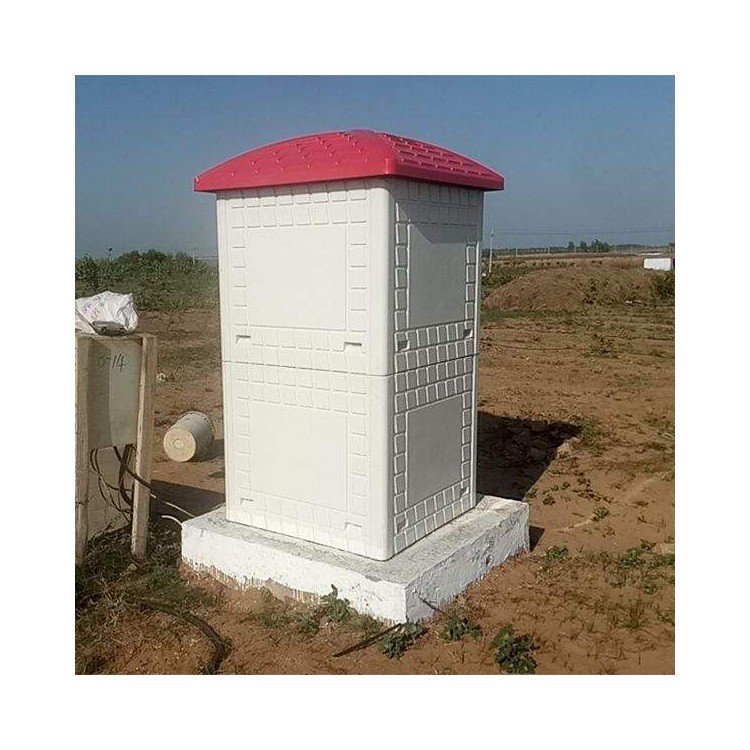
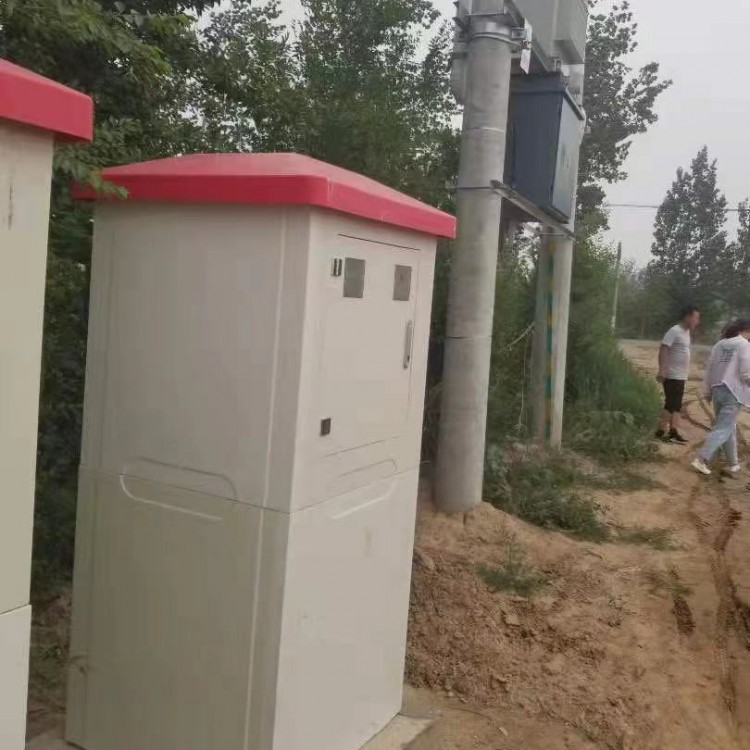
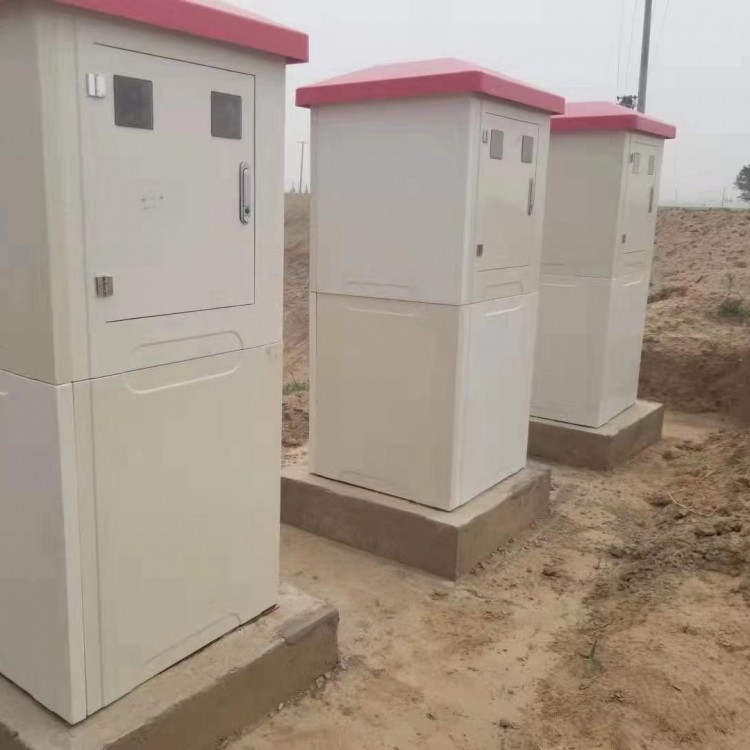
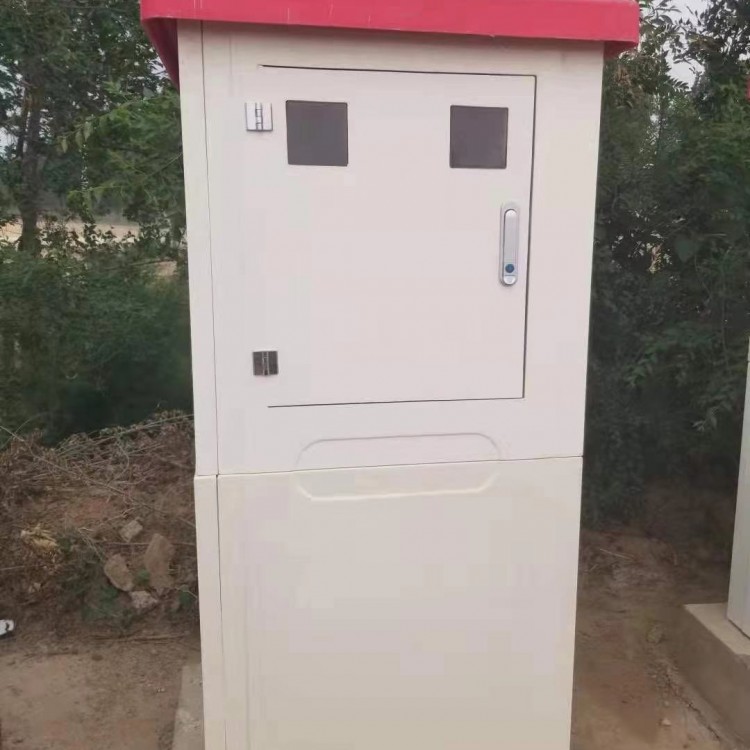














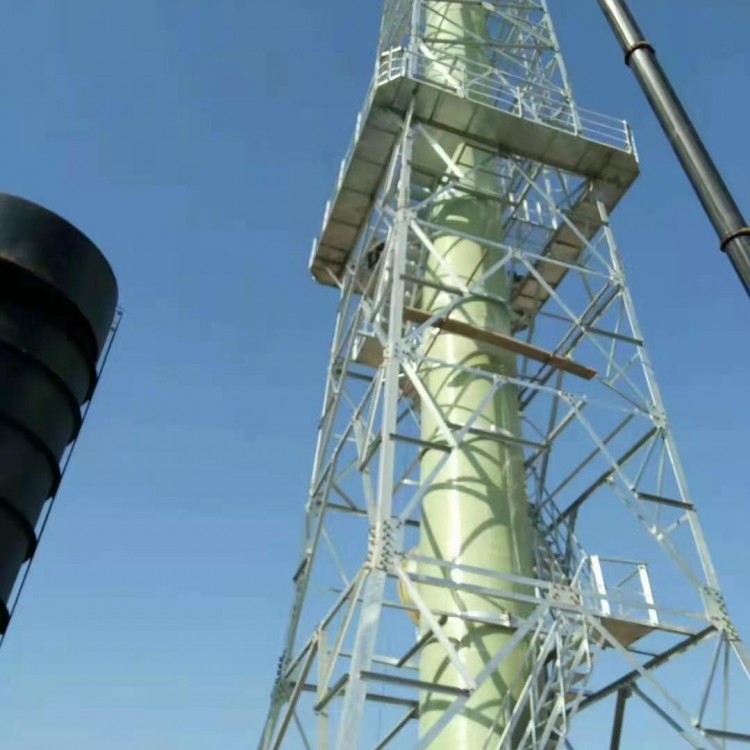
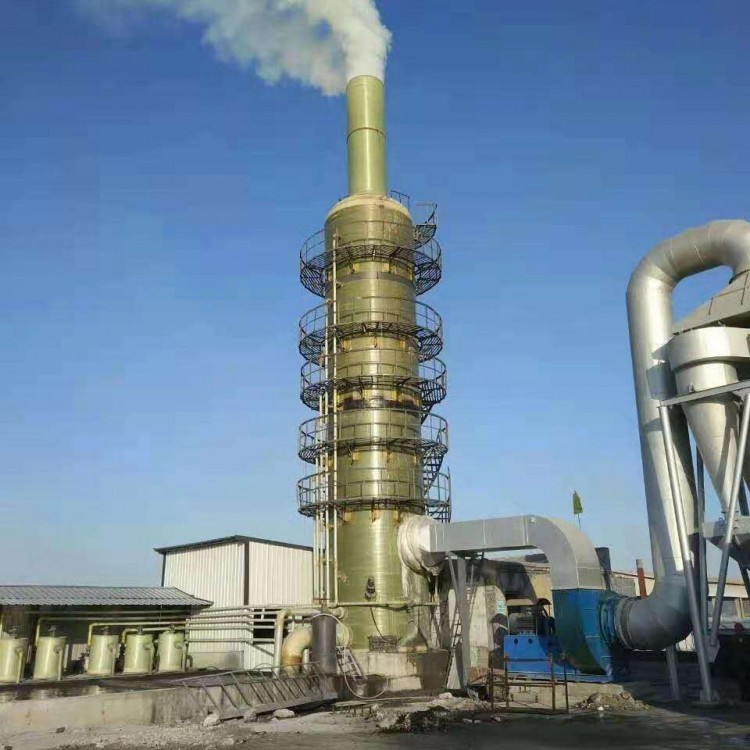
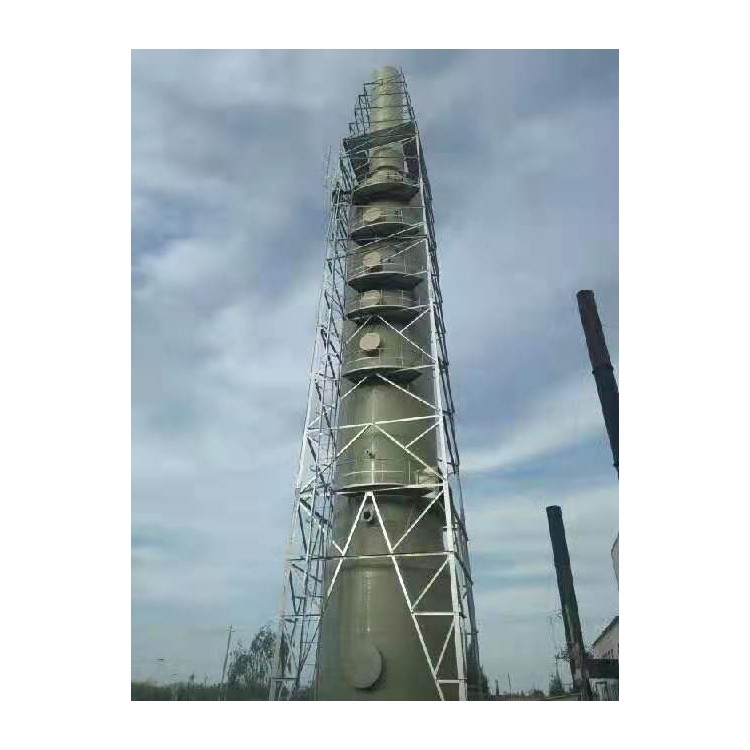
1. Reasonable shape. Select a reasonable superstructure and substructure form based on construction conditions, soil conditions of the foundation, and operational requirements. When choosing the structure, pay attention to minimizing the number of components, ensuring tight and sturdy joints, and maintaining an aesthetically pleasing appearance.
2. Components should be standardized and molded.
3. Aim to minimize the weight of the fiberglass manhole. To facilitate transportation and installation, the cross-sectional dimensions of the components should be reduced as much as possible under possible construction conditions.
4. Load Standards and Strength Design. The design takes into account the building's compliance with the project area's economic development, load standards, and strength design.
5. Inspect the strength of construction, transportation, handling, and installation. Conduct strength checks on the components based on potential movement, transportation, and lifting conditions during design and construction. Arrange the required number of steel frames according to the results of these checks.
6. Accurately estimate construction, manufacturing, and installation tolerances. In the design of glass fiber reinforced plastic manholes, appropriate joint sizes should be预留 in the component joint design based on the process level of construction, manufacturing, and installation, to ensure the tightness of the joints and avoid construction difficulties.

















