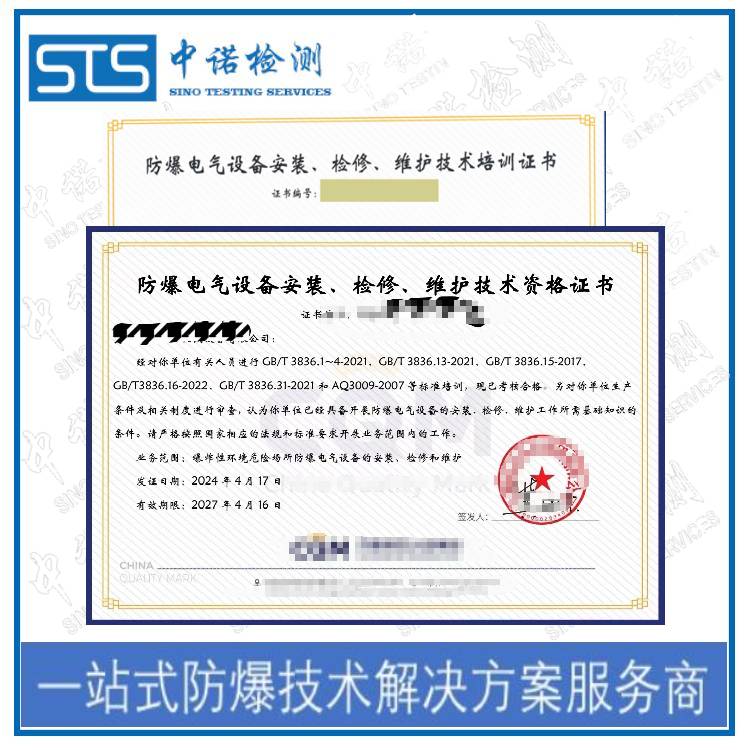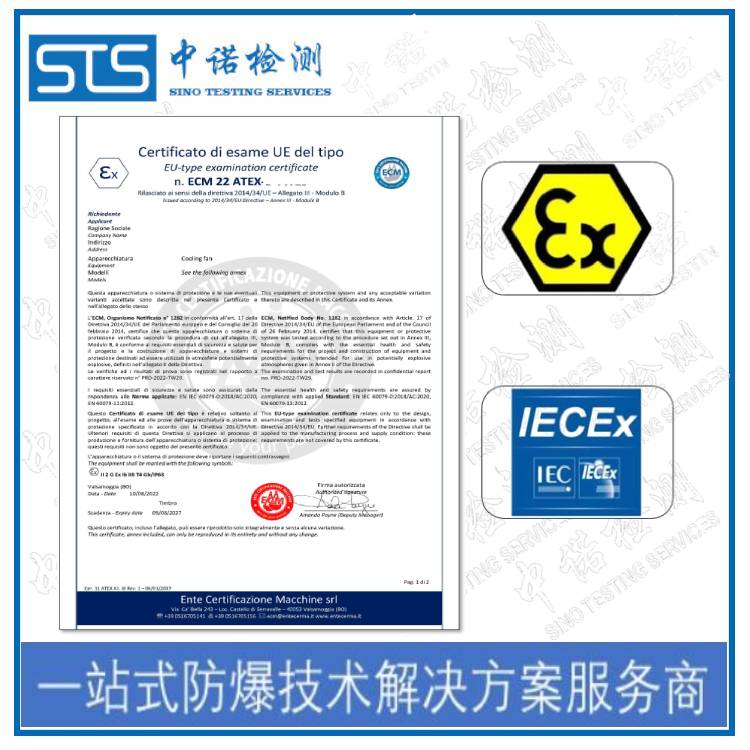

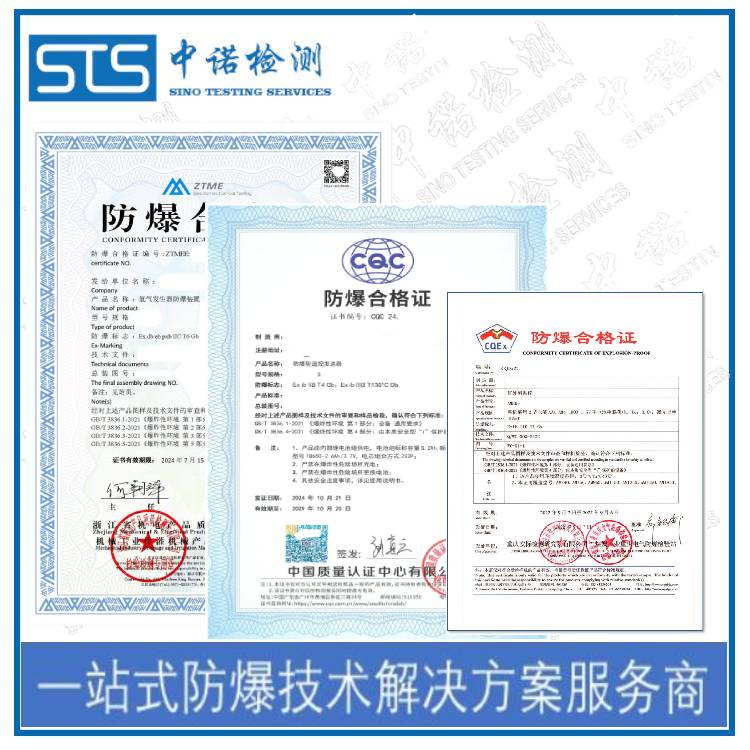
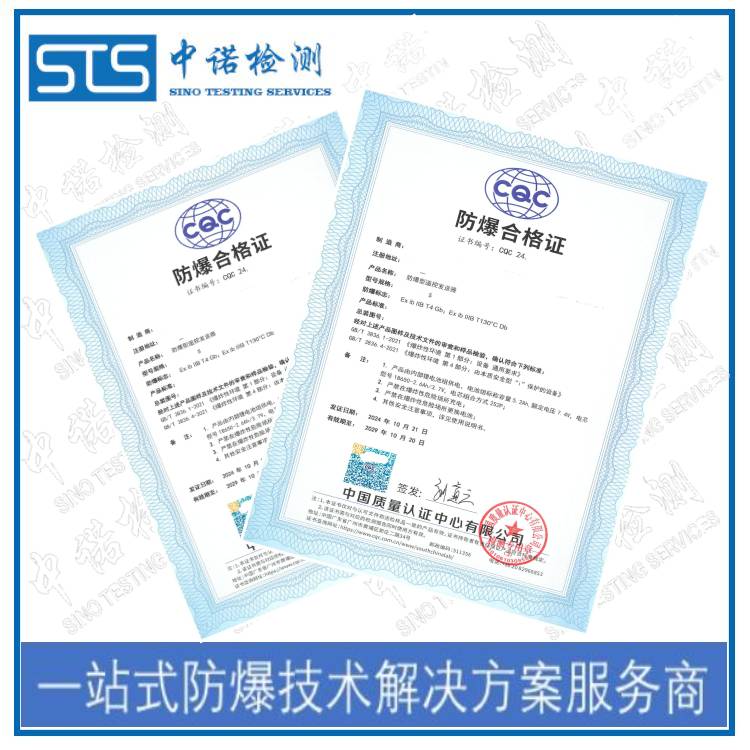


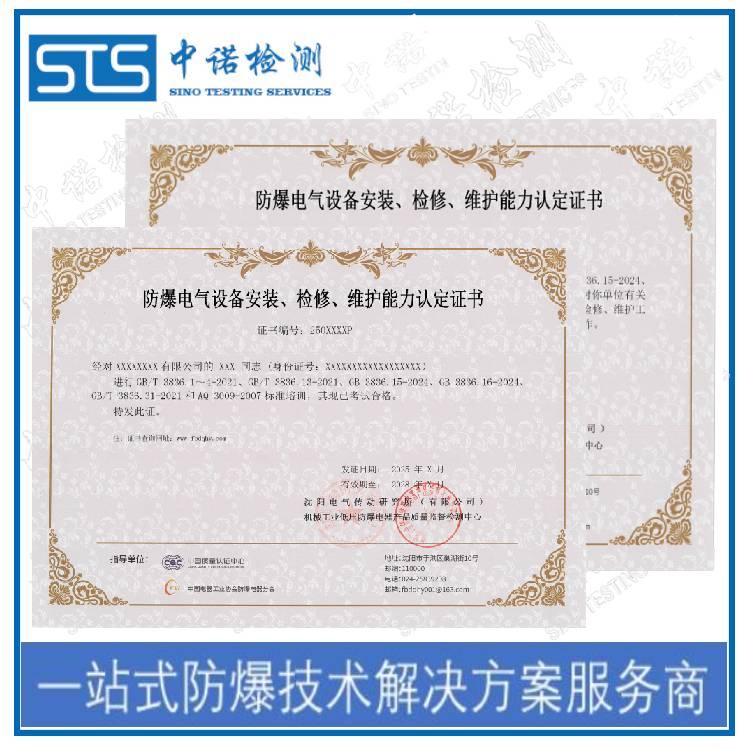
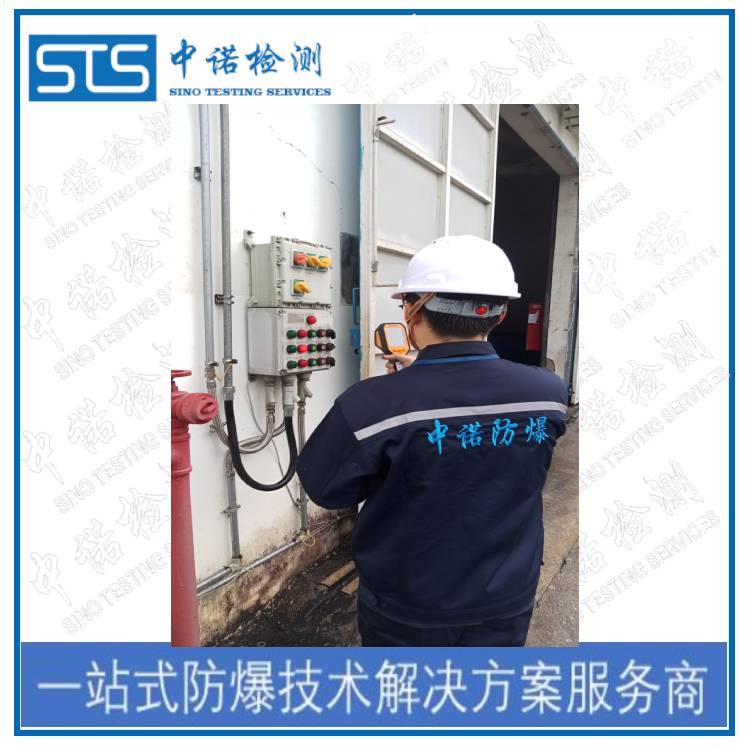
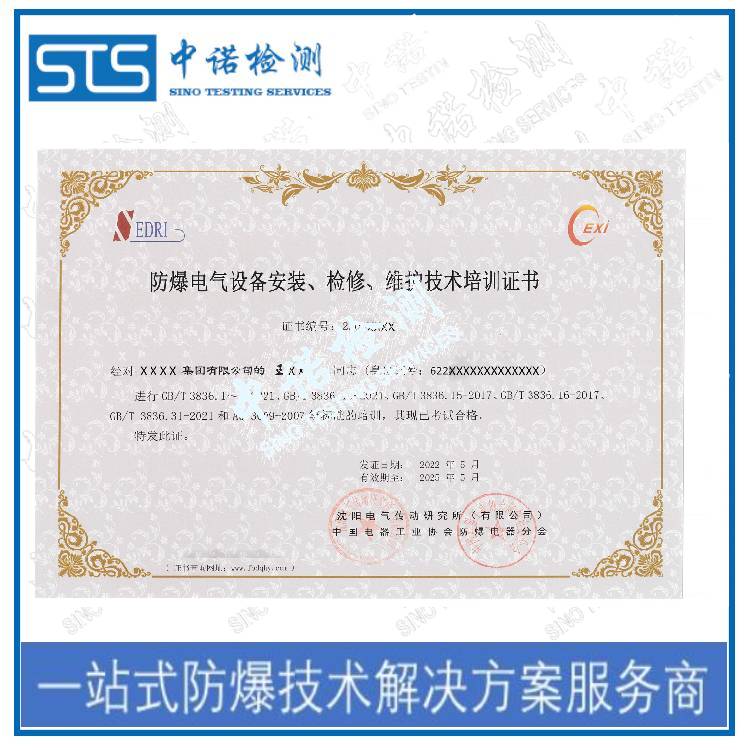
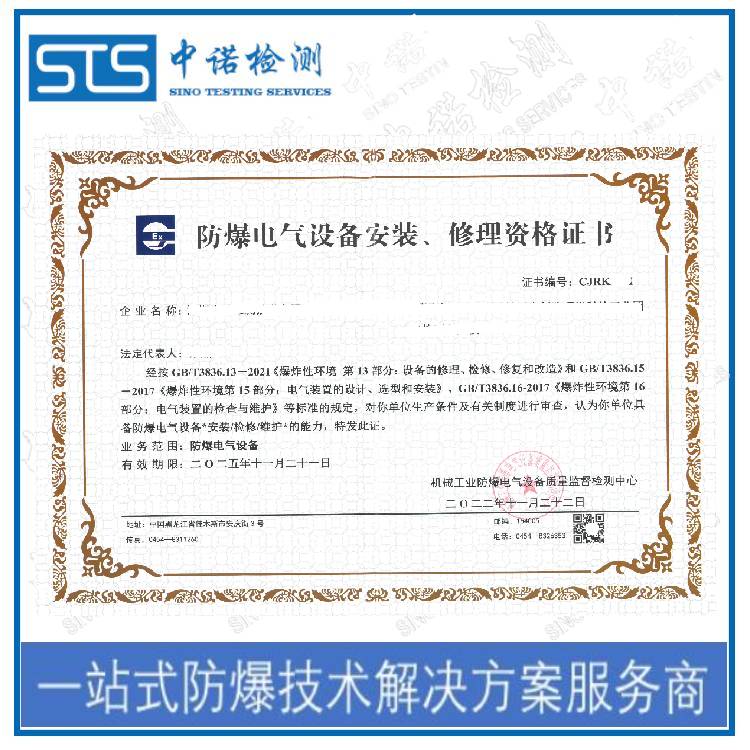
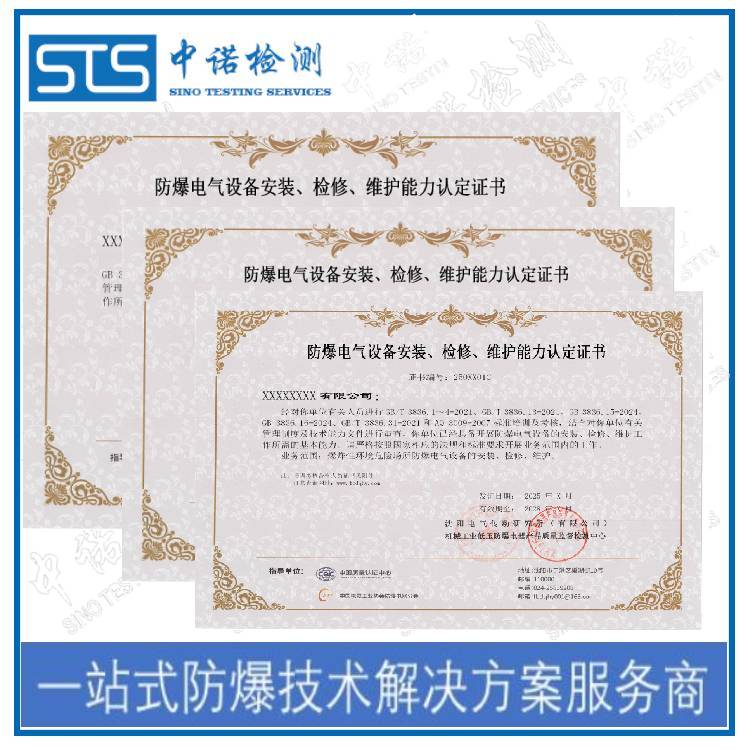





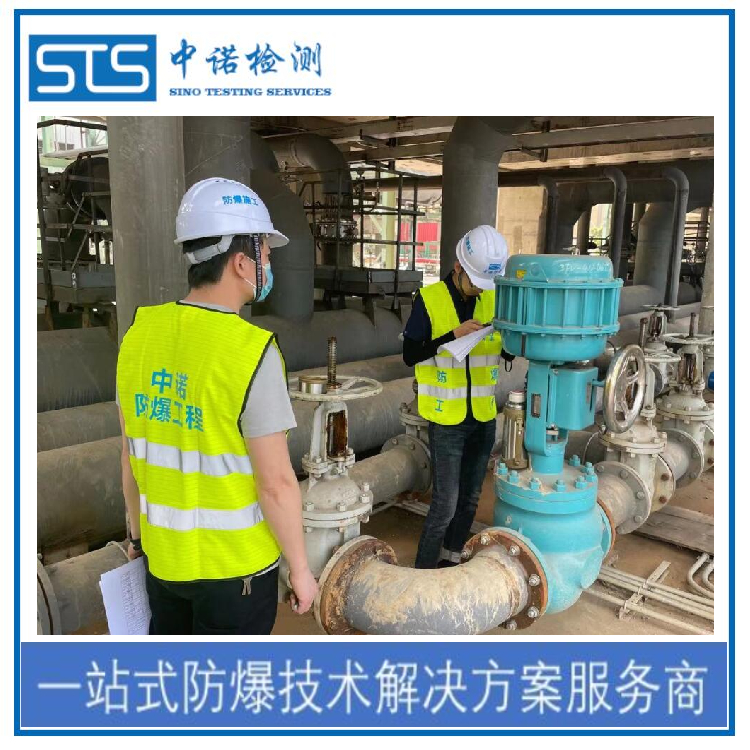
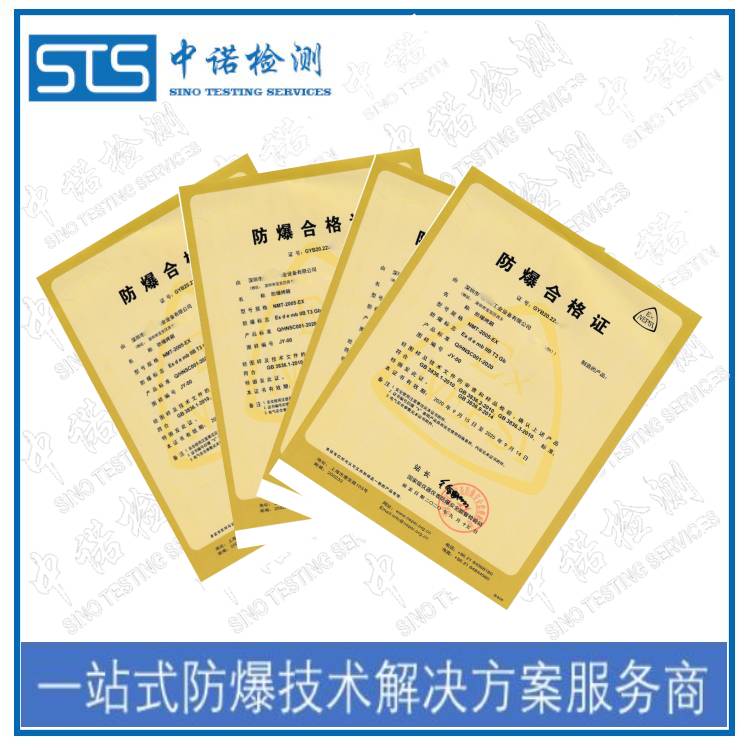
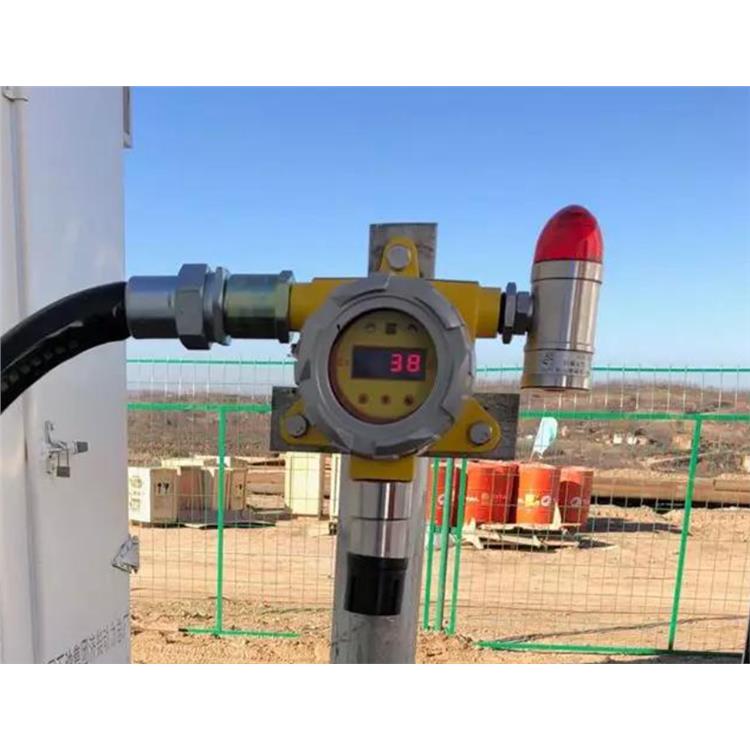
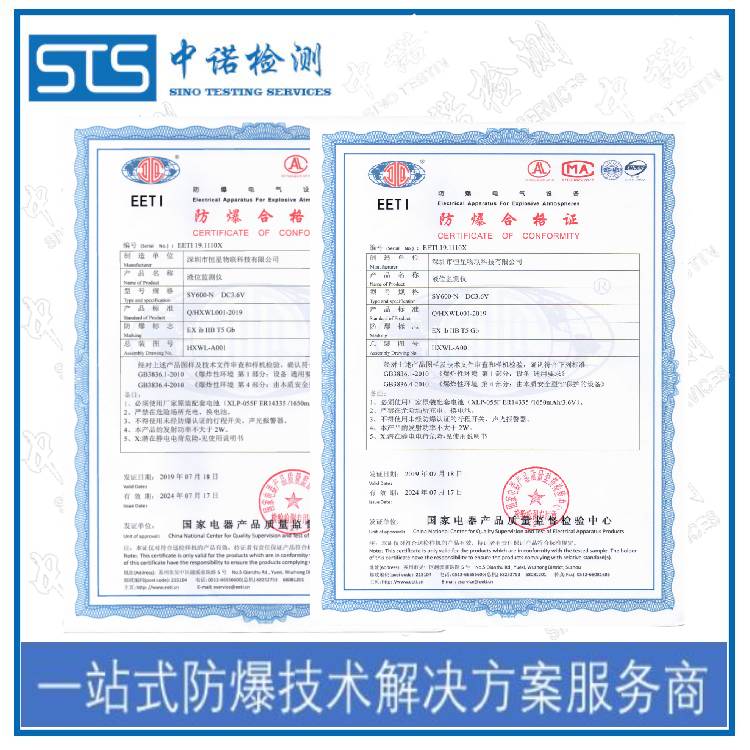
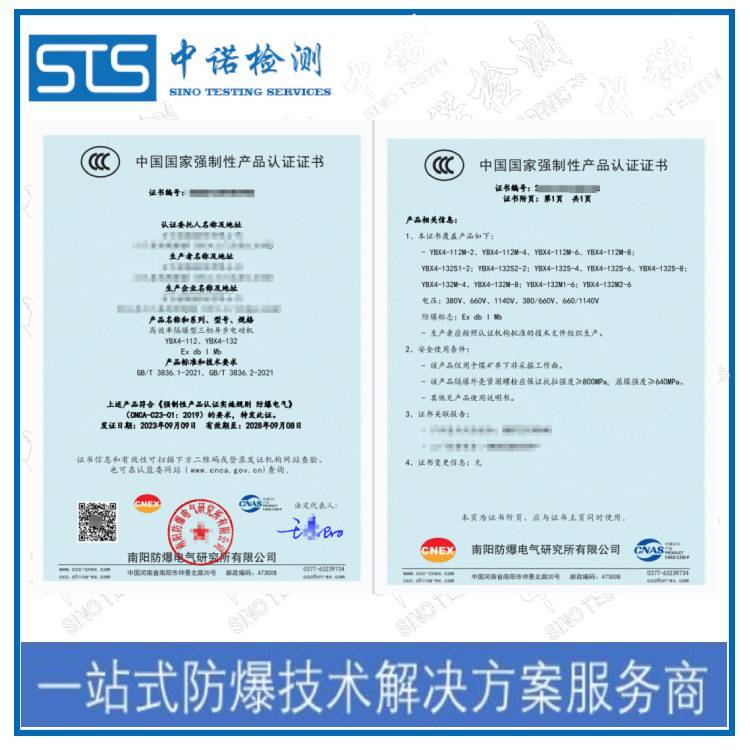
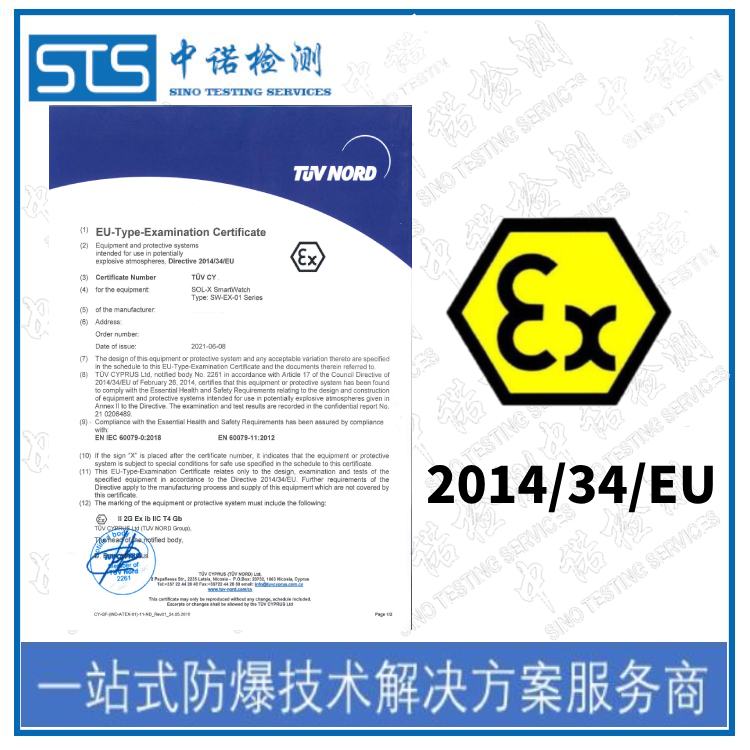
Shenzhen Zhongnuo Testing Technology Co., Ltd. is based in South China and specializes in explosion-proof certification and coal safety certification application consulting services, offering one-stop explosion-proof technology consulting services.
Division of Explosion-Proof Zones in Combustible Dust Environments -- Shenzhen ZhongNuo Testing Technology Co., Ltd.
In explosion-proof certification, hazardous areas are divided into explosive gas environments and combustible dust environments based on the different states of substances present in the location. According to the duration of the presence of hazardous substances in the location, these areas are further divided into three zones under the two different states.
For combustible dust environments, it is Zones 20, 21, and 22.
Areas with continuous or long-term presence of combustible dust environments, typically above 1000 hours per year.
Zone 21 – Areas where flammable dust atmospheres may occur during normal operation, typically 10-1000 hours/year
Zone 22: Under normal operation, it is impossible to have an environment with flammable dust or a place that occasionally appears for a short period of time; generally less than 10h/y.
Sample requirements for explosion-proof certification application:
The sample machines submitted by the company for inspection must match the approved drawings and be fully assembled; the number of units inspected should meet the requirements.
If special disassembly tools are required, they should be sent along with it.
For encapsulated electrical equipment, a set of both encapsulated and non-encapsulated products should be submitted.
The transparent components for the observation window should be supplied separately with at least 3, but no more than 5 pieces.
Translucent parts for lighting fixtures should be sent separately, with at least 5 pieces.
Rubber aging tests should provide 3 to 5 pieces of 35156 rubber blocks.
Two 15060mm diameter plastic sheets are required for the insulation resistance test of the plastic shell. If the size allows, the test can be directly performed on the plastic shell.
1-2 finished products are generally required.
How to apply for an explosion-proof certificate for a modular equipment?
There is an increasing number of modular equipment used in explosion-proof environments, offering more complex functionalities. In response to the technical requirements for explosion-proof certification of such equipment, ZN Testing has summarized years of industry experience and identifies the following key points:
(1) Explosion-proof performance only considers the electrical section, including the installation and connection between electrical components, grounding, etc., without considering the steel structure part.
(2) Electrical components must be purchased and installed with a防爆certification or a防爆3C certificate. If suitable explosion-proof electrical components cannot be obtained, consider using explosion-proof/positive pressure methods for installation.
(3) The explosion-proof marking of the selected explosion-proof electrical components must not be lower than the explosion-proof grade of the complete machine.
(4) Explosion-proof electrical components must be installed, electrical connections, grounding, etc., in compliance with standard requirements.
In the field of obtaining certifications for integrated equipment, China Nuotech Inspection boasts a technical team and industry experience, capable of providing guidance on explosion-proof designs such as positive pressure and flameproof.
Guide customers in selecting electrical equipment, installation, and preparation of drawings and technical documents.
We can also assign engineers for on-site inspections to reduce customers' evidence collection costs and time.
Successful acquisition cases include robots, AGV vehicles, industrial ovens, high and low temperature chambers, filling machines, dispensing machines, mobile fueling units, chemical storage cabinets, dust removal equipment, etc.
Feel free to DM us for further discussion if you have a need in this area.
Division of explosion-proof areas in explosive gas environments
Explosive environments are classified based on the different states of substances present in the area, with hazardous areas categorized into explosive gas environments and combustible dust environments. Hazardous areas under different states are further divided into three zones based on the duration of the presence of hazardous substances in the area.
That is: for explosive gas environments, 0 Zone, 1 Zone, and 2 Zone.
Areas with continuous or long-term explosive gas environments, generally above 1000h/y.
Zone 1 - Areas where explosive gas environments may occur during normal operation, generally 10-1000 occurrences/year.
Zone 2 - Under normal operating conditions, explosive gas atmospheres are not possible or only occur occasionally and for short periods, generally less than 10 hours per year.
Explosion-proof Certification Application Consulting Service - Shenzhen Zhongnuo Testing Technology Co., Ltd.
WeChat Official Account

Scan to follow Official Account