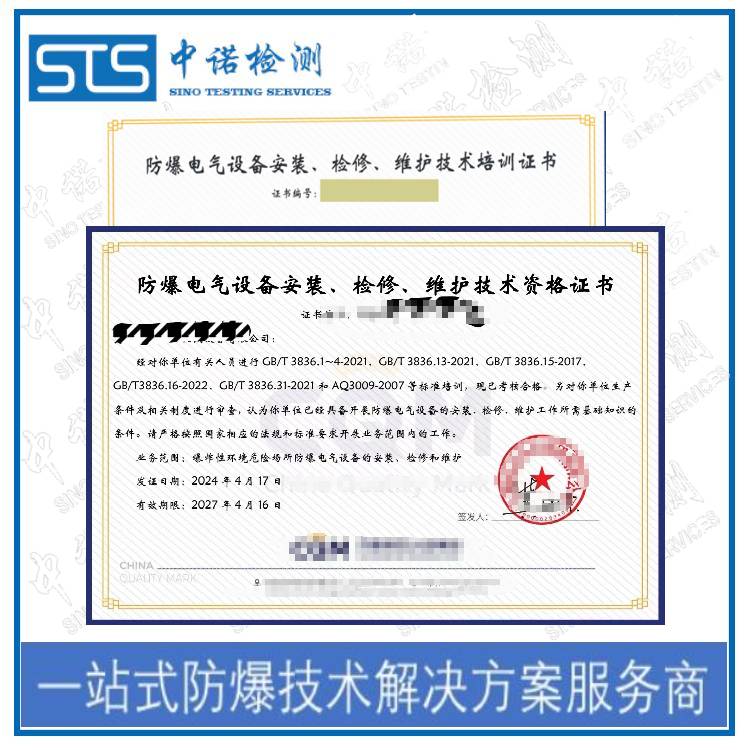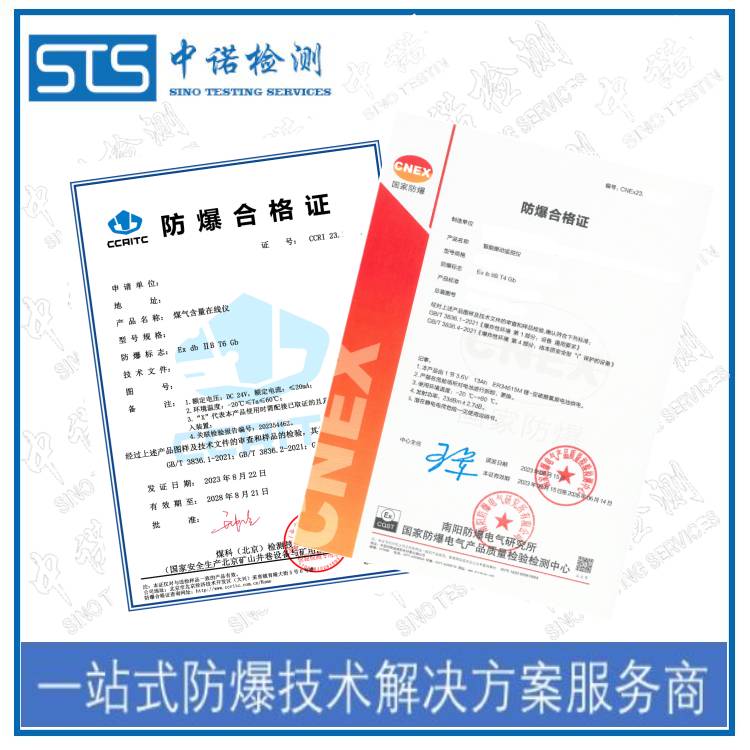

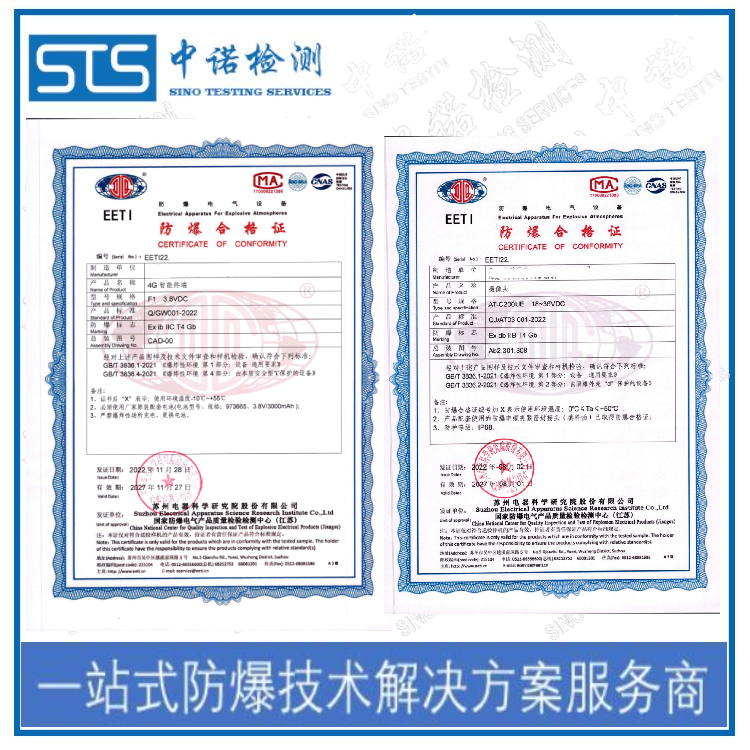
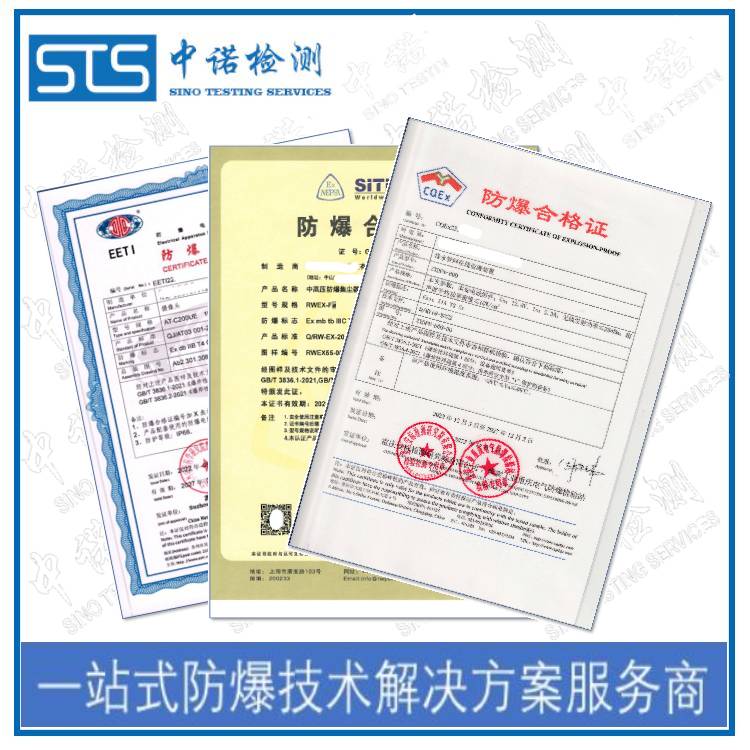


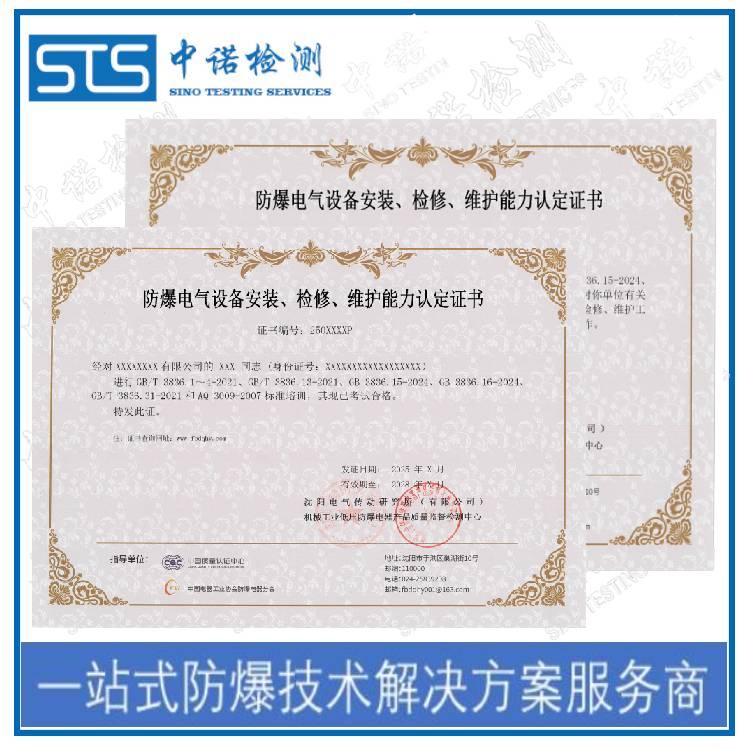
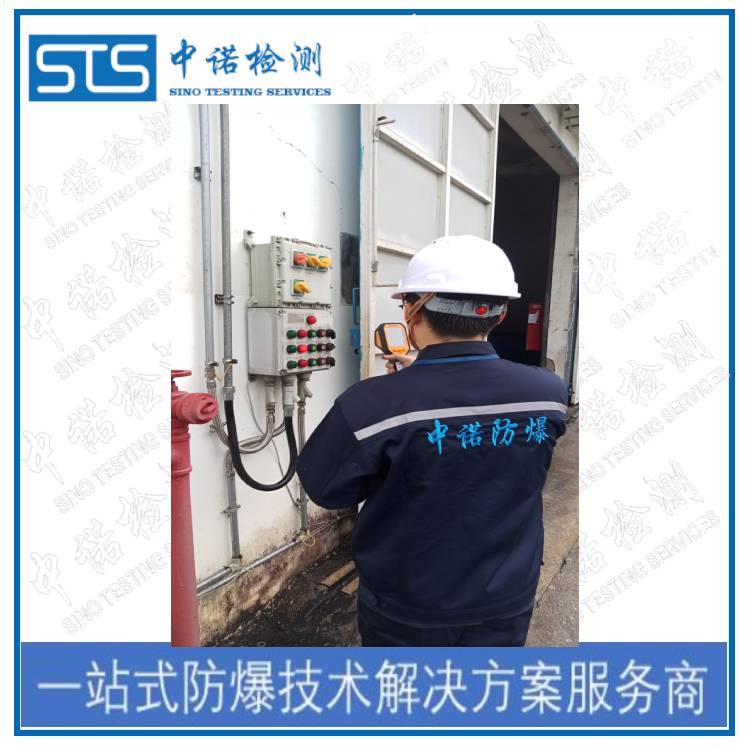
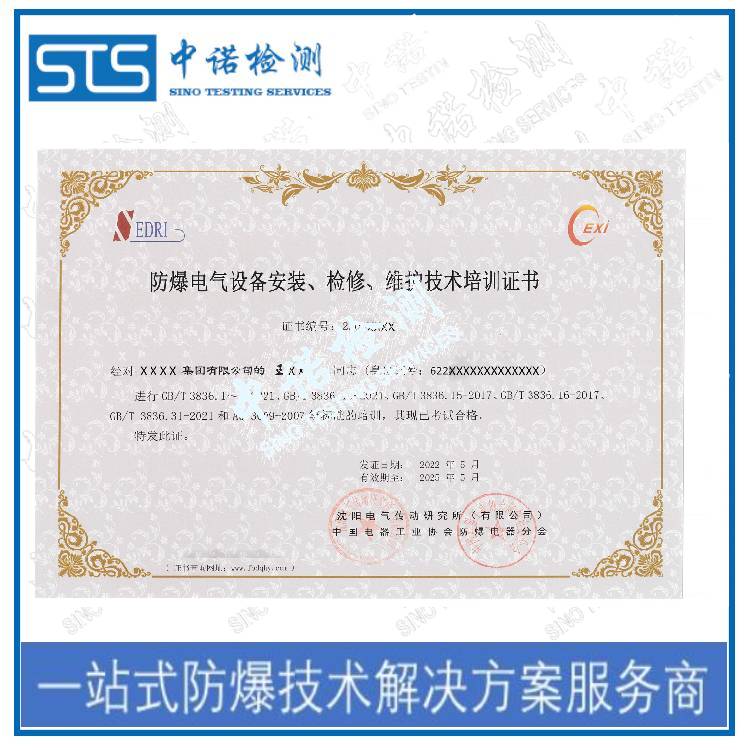
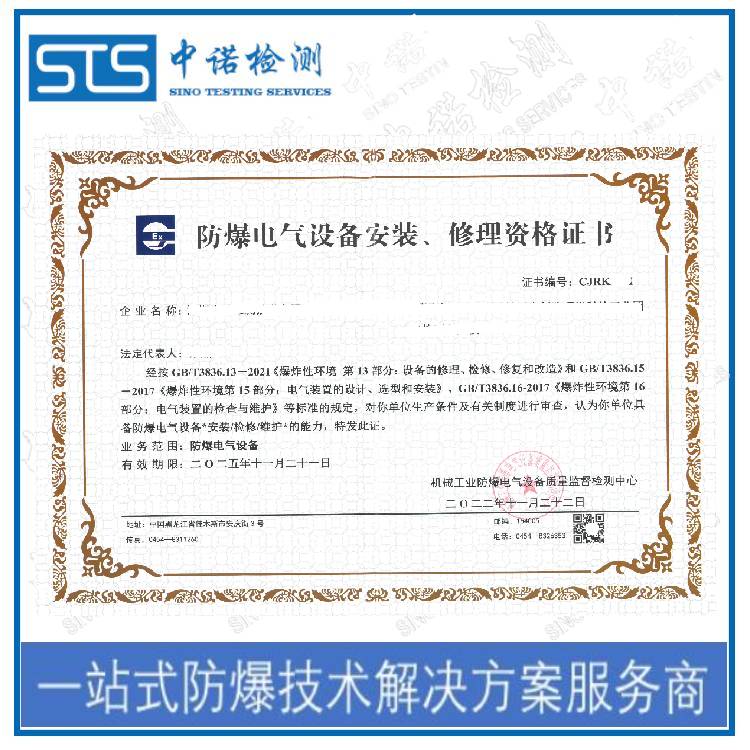
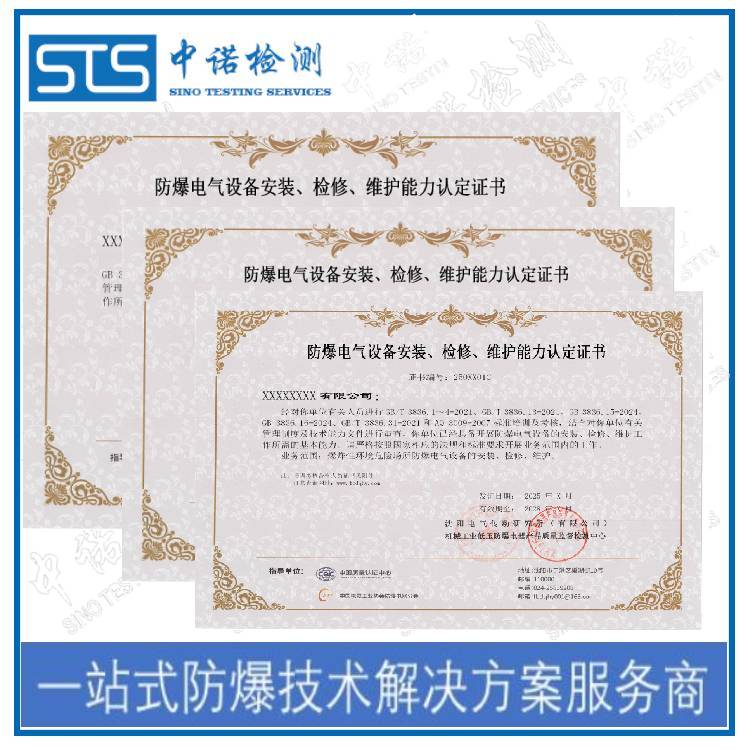





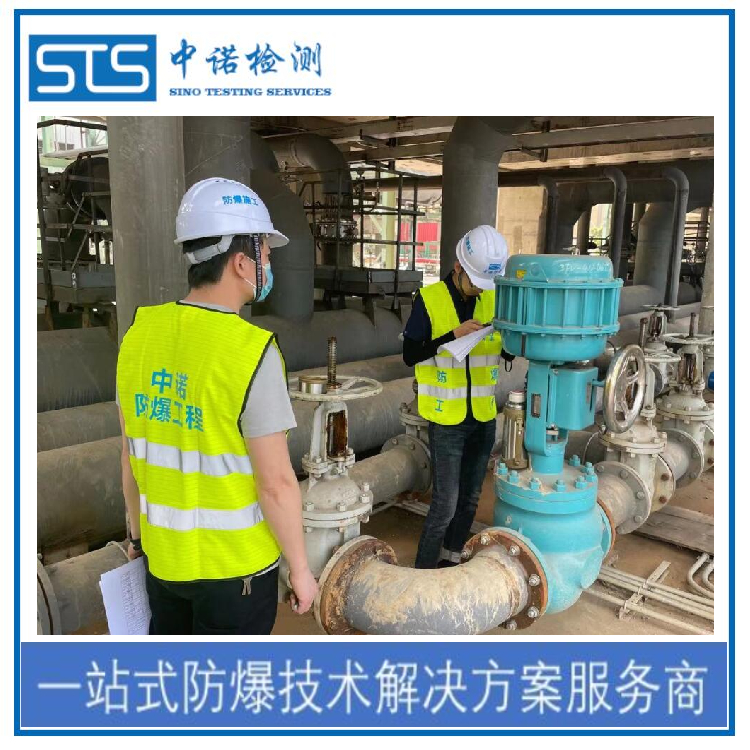
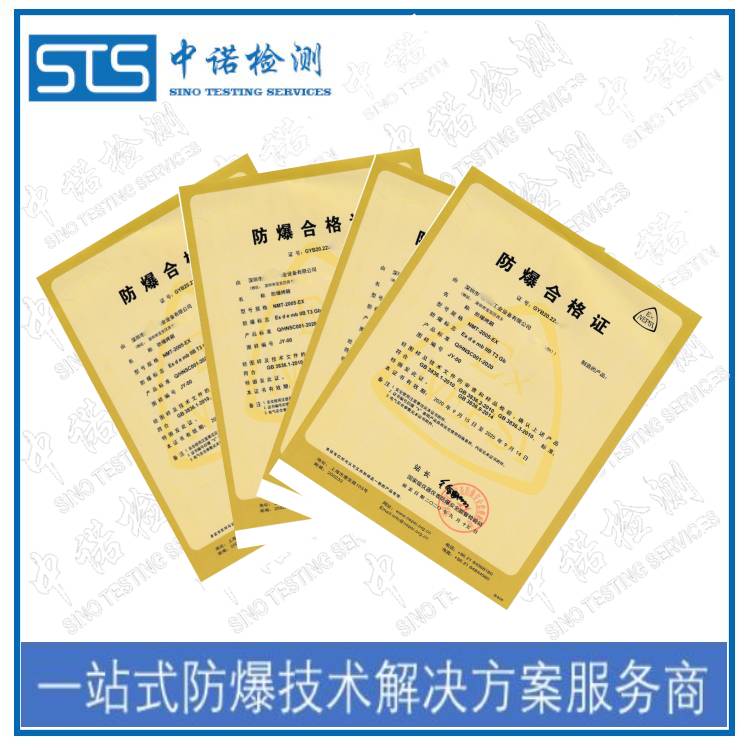
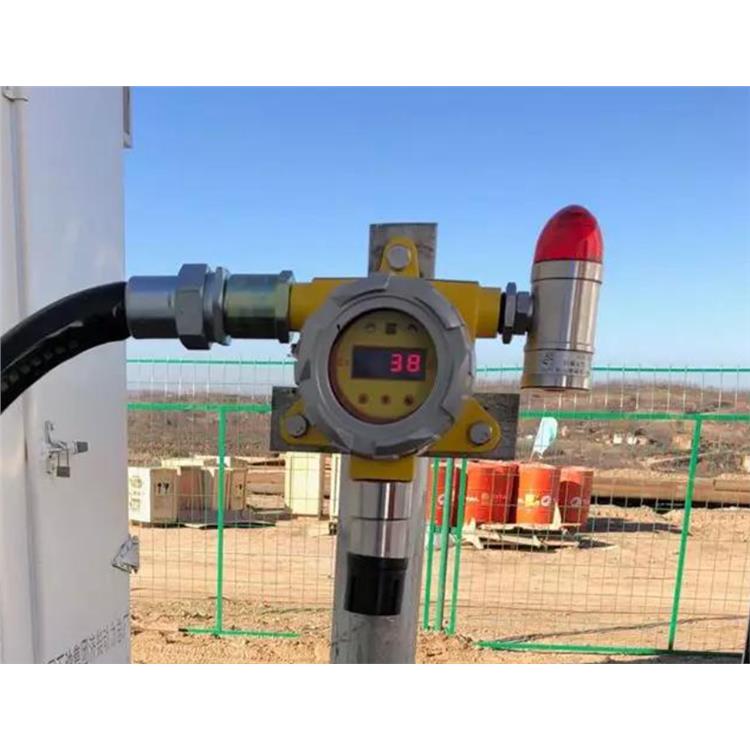
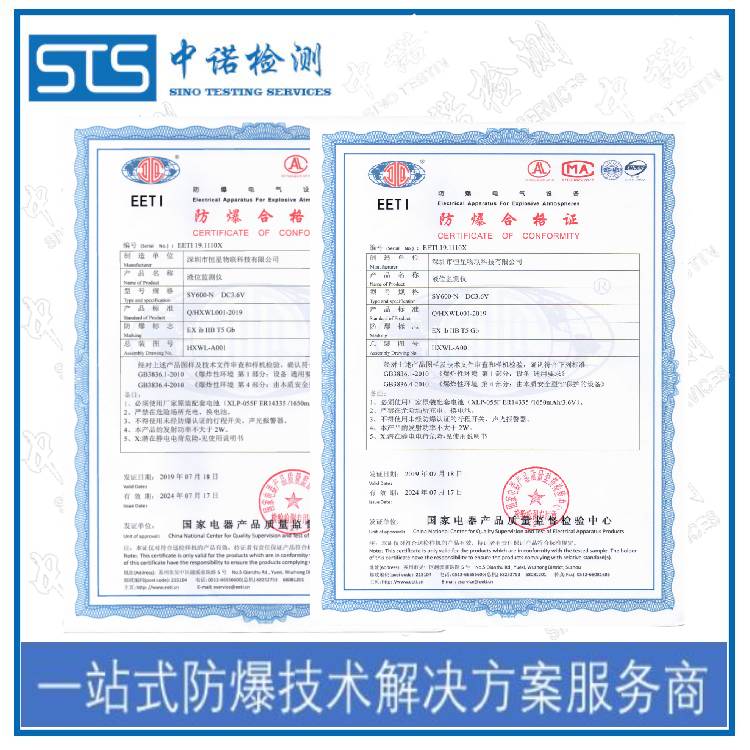
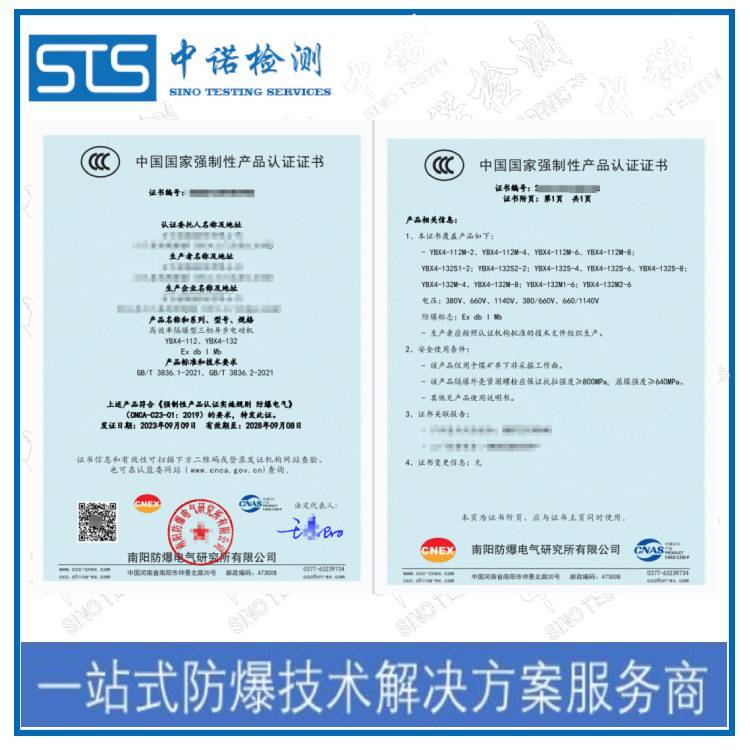
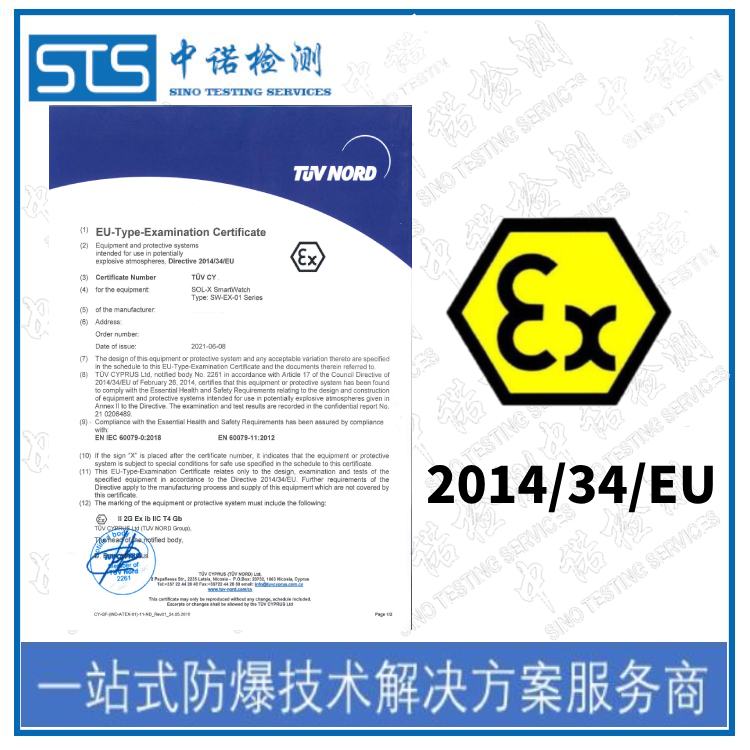
Shenzhen Zhongnuo Testing Technology Co., Ltd. specializes in consulting services for explosion-proof CCC certification. We have an extensive portfolio of consulting cases in the field of explosion-proof 3C certification. We are well-versed in the application process and technical requirements for explosion-proof 3C certification, and can provide clients with consulting services such as application assistance and factory audit guidance.
Sample Requirements for Applying for the Explosion-Proof CCC Certification:
The sample machines submitted by the company for inspection must match the approved drawings and be fully assembled; the number of units inspected should meet the requirements.
If special disassembly tools are required, they should be sent along as well.
For encapsulated electrical equipment, one set of both fully and non-encapsulated products should be supplied.
The transparent components for the observation window should be sent separately in an additional 5 pieces, with at least 3.
The transparent parts of the lighting fixtures should be sent separately in at least 5 pieces, with an additional 8.
The rubber aging test should provide 3 to 5 pieces of 35156 rubber blocks.
Two plastic sheets with a diameter of 15060 mm must be provided for the insulation resistance test of the plastic housing. If the size permits, the test can be directly conducted on the plastic housing.
Finished products typically require 1-2 samples.
What test items are required to apply for an explosion-proof certification?
Explosive-proof products require passing relevant tests according to explosive-proof standards to obtain the explosive-proof certificate.
Different explosion-proof types, catering to equipment used in various explosive environments, require different explosion-proof testing items.
Many customers also want to know what specific testing projects are required for explosion-proof products? What are the specific requirements for the explosion-proof design of the product?
Below, we'll provide examples of common explosion-proof testing items.
For example, safety-intrinsic products typically include tests such as appearance and structure inspection, spark ignition test, dielectric strength, battery and battery pack testing, temperature rise test, transient energy test, and more.
Main test items for explosion-proof products include heat and cold resistance tests, internal ignition without propagation of explosion, shell pressure resistance, IP testing, temperature rise tests, etc.
Different test items, tailored to different modules or components of the product.
Each test item ensures that the product meets explosion-proof standards and achieves the required explosion-proof performance.
If a company is designing explosion-proof products and is unaware of the explosion-proof standards requirements,
ZhongNuo Inspection can provide guidance services for explosion-proof circuit design and explosion-proof structural design.
Including explosion-proof standards, design key points, drawing guidance, and offering agency services for explosion-proof testing and certification.
Need this service? Feel free to PM Shenzhen Zhongnuo Testing Technology Co., Ltd. anytime!
How to apply for a防爆CCC certification for a company?
1. Self-Application: Companies apply directly to the certification body, independently prepare relevant documents, assist in debugging prototypes, and revise any non-standard parts of the documents. The process is relatively lengthy, with higher overall costs and requires more time and effort.
2. Agent Application: The application process involves a specialized explosion-proof electrical technology consulting service agency (such as Shenzhen ZhongNuo Testing Technology Co., Ltd.) handling the entire consultation and application process, including material modifications, prototype debugging, and progress coordination. The progress is well-guaranteed. Fast certification, controllable comprehensive costs, and time-saving efforts.
What's the difference between corrosion protection grade, protection grade, and explosion-proof certification grade?
Many corporate clients are often baffled by the required corrosion resistance, protection level, and explosion-proof certification level for their products.
Due to the one-character difference between the names, and both referring to a certain grade of the product.
Similar yet different, what are the differences between them?
Corrosion prevention involves taking measures to protect metals prone to rust, thereby extending their service life. Common methods include physical, chemical, and electrochemical corrosion prevention. There are typically five levels: indoor F1, F2, and outdoor WF, WF1, and WF2.
Protection Level, commonly known as IP rating, refers to the dust and water resistance level of the equipment, typically consisting of "IP" followed by two digits.
The explosion-proof grade generally refers to the certification level of the equipment's explosion-proof rating. Each electrical equipment applying for an explosion-proof certification will have a corresponding explosion-proof marking, including the type of explosion-proof and the explosion-proof grade. The explosion-proof grade indicates the explosion-proof area applicable to the product, gas/dust groups, temperature groups, and the equipment's protection level, etc.
Clearly, these three concepts belong to different fields and are distinct from each other.
For more information on this topic, feel free to DM Shenzhen ZhongNuo Inspection & Technology Co., Ltd. anytime!
Explosion-proof 3C Certification Business Consultation Services - Shenzhen Zhongnuo Testing Technology Co., Ltd.
WeChat Official Account

Scan to follow Official Account