



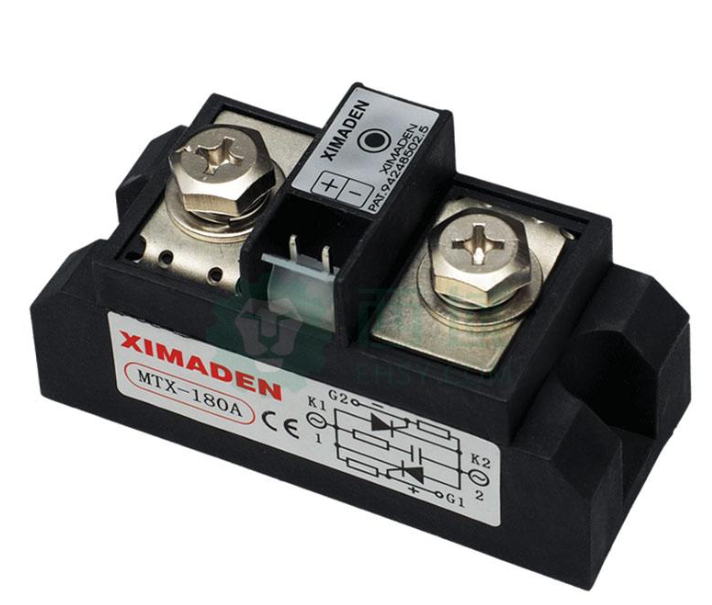

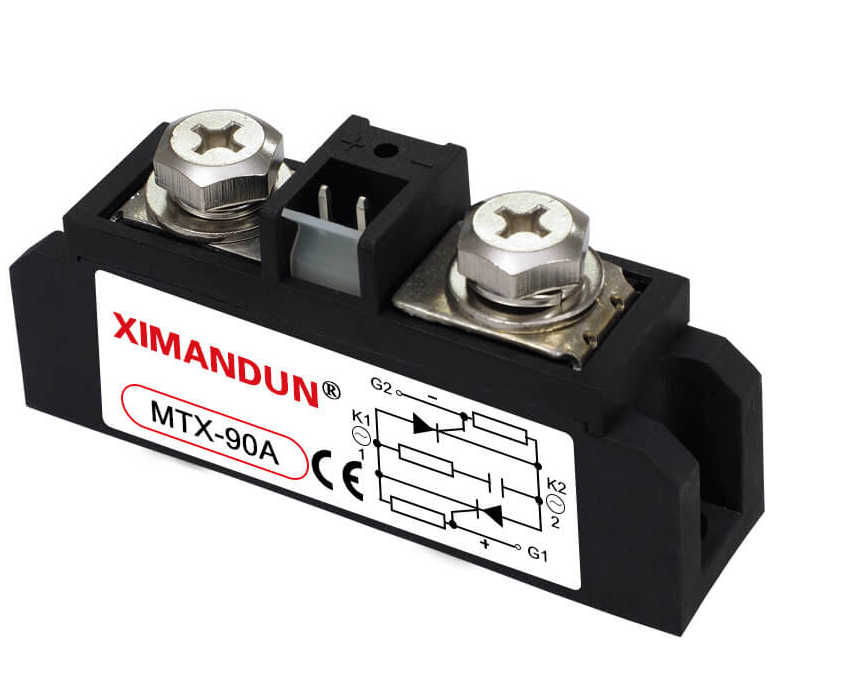
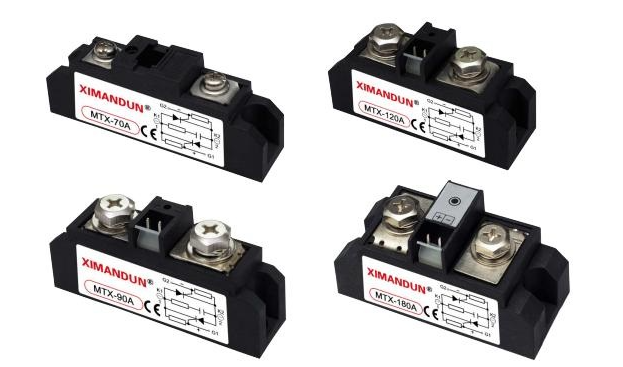







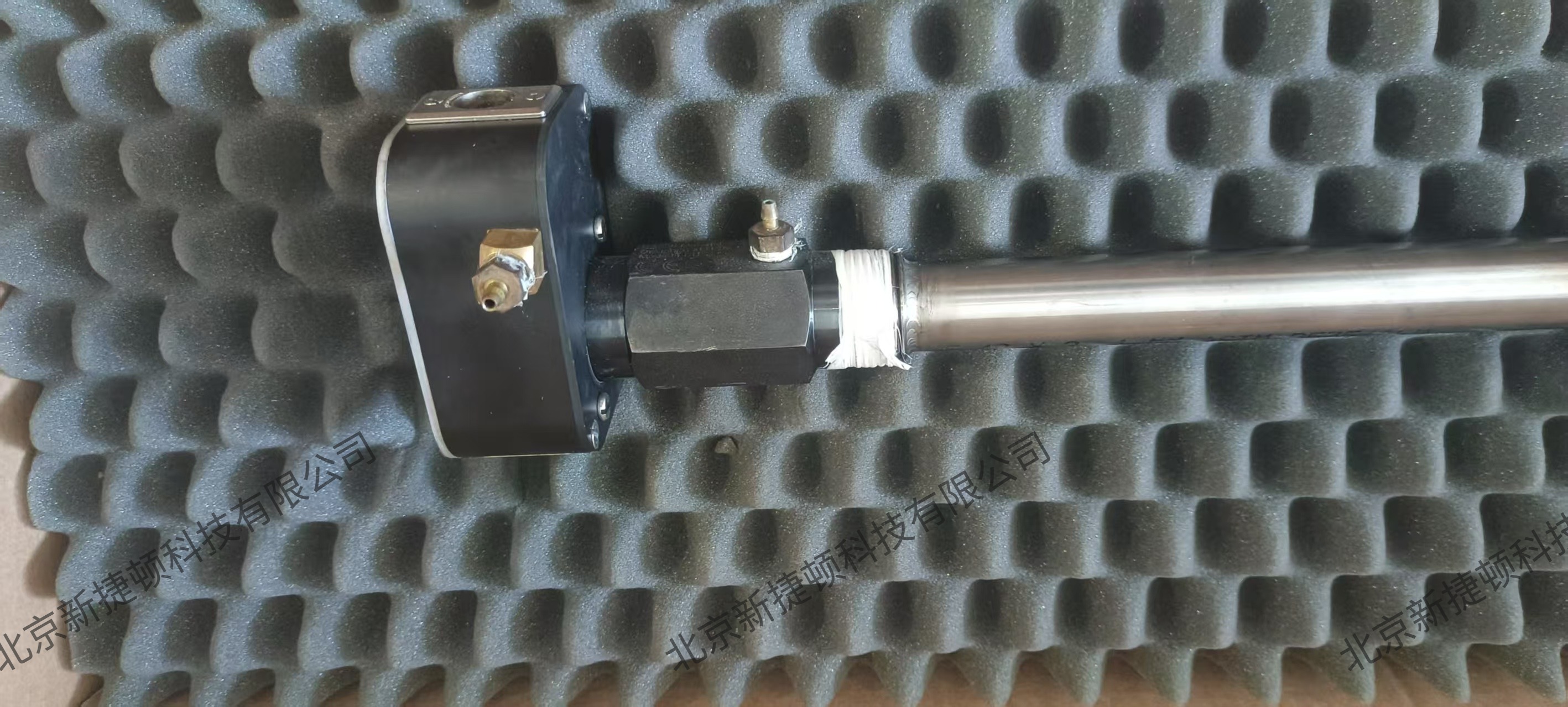
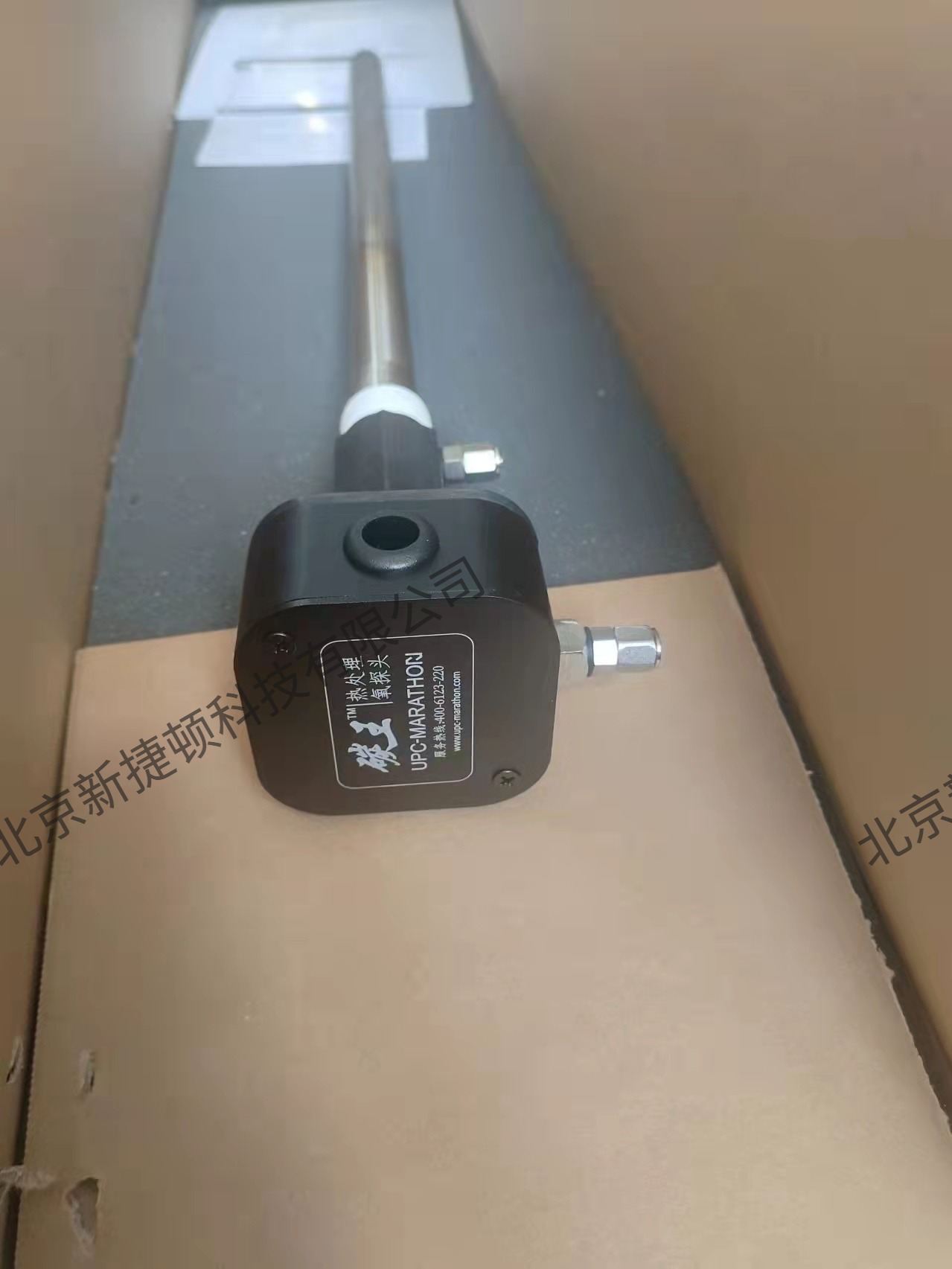
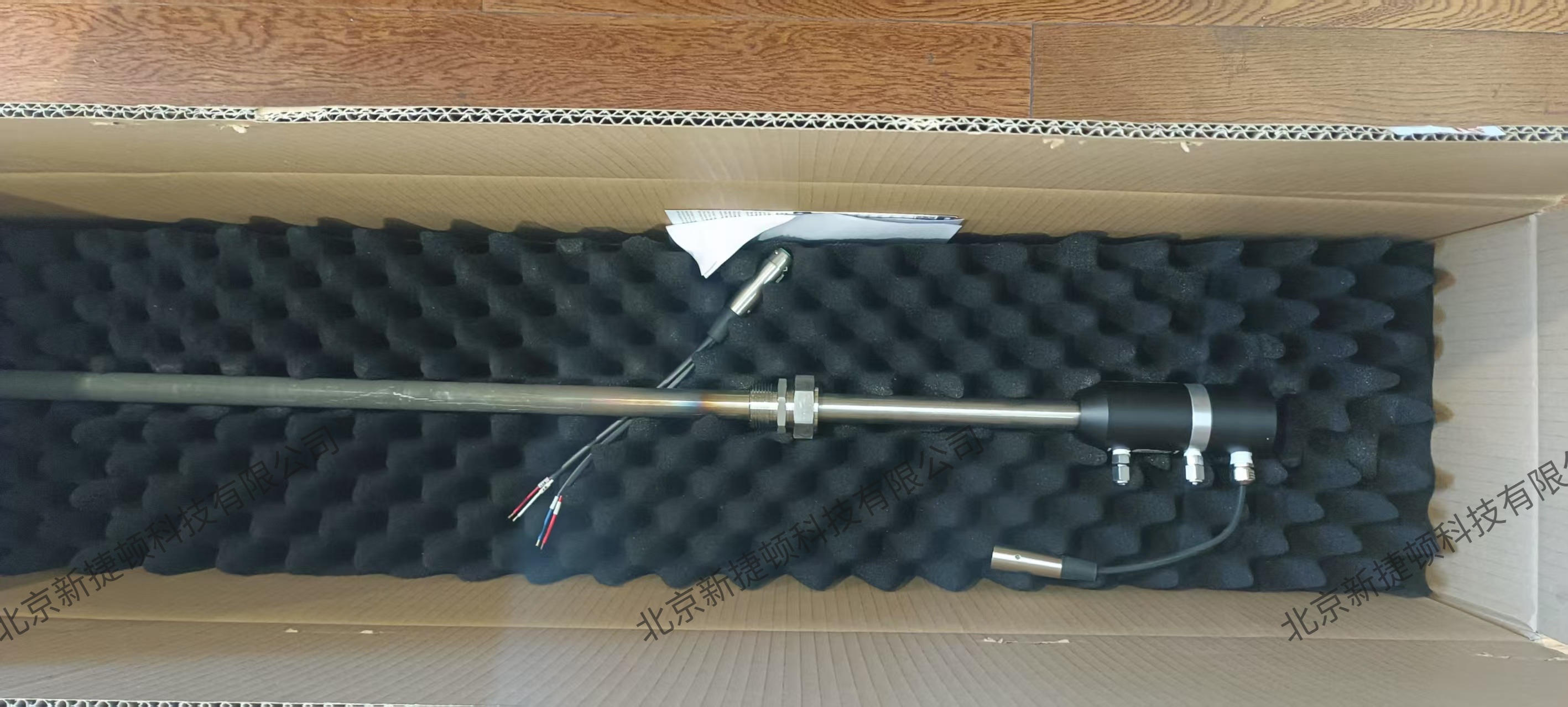
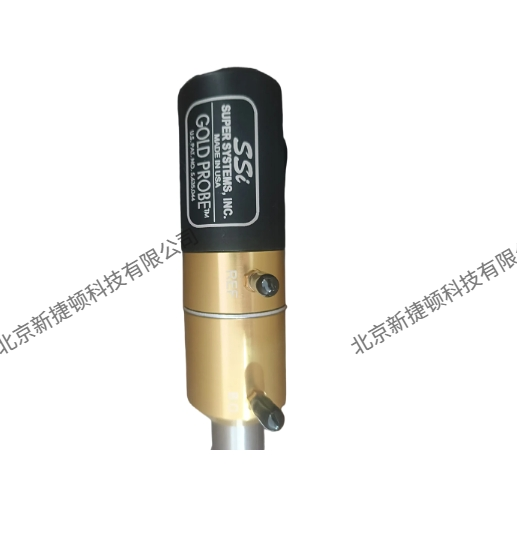
The Him尔顿 (possibly referring to "Siemens" or a phonetic translation of a brand) MTX series full-control rectifier module is a power conversion device used in the field of power electronics, primarily for converting alternating current (AC) into controllable direct current (DC). Below is a detailed analysis of the module:
1. Basic Functions and Features
Full-Control Rectification: Utilizes full-control power electronic devices (such as IGBT, MOSFET) to achieve bidirectional energy conversion from AC to DC, with controllable output voltage/current.
Application Scenarios: Industrial Power Supplies, Motor Drives, Renewable Energy Systems (such as PV inverters), UPS Uninterruptible Power Supplies, etc.
Key Features:
High efficiency (typically >95%), low harmonic distortion.
Supports PWM (Pulse Width Modulation) control, with fast dynamic response.
Modular design for easy maintenance and expansion.
2. Typical Technical Parameters
| Parameter | Range/Example |
| ------------ -| ----------------|
| Input Voltage | 3-phase 380V AC or single-phase 220V AC |
Output Voltage | 0-600V DC adjustable
| Rated Current | 10A - 500A (depending on model) |
Control Method | Digital DSP or Analog Control
| Protection Function | Over-voltage, Over-current, Over-temperature, Short-circuit Protection |
3. Control Method
Closed-loop control: Real-time adjustment of PWM duty cycle via voltage/current feedback to ensure stable output.
Communication Interface: May support RS485, CAN, or Ethernet, for remote monitoring (such as Modbus protocol).
4. Common Questions & Solutions
Fault Alarm: If the module reports overcurrent, check if the load is short-circuited or if the IGBT is damaged.
Thermal Management: Ensure the radiator fan operates normally to avoid thermal derating due to high temperatures.
Harmonic Interference: An LC filter can be added at the input terminal.
5. Selection Recommendations
Matched Load: Select the model based on DC voltage/current requirements, with a 20% reserve.
Environmental Adaptability: Note the operating temperature (usually 25℃~60℃) and protection level (e.g., IP20).












