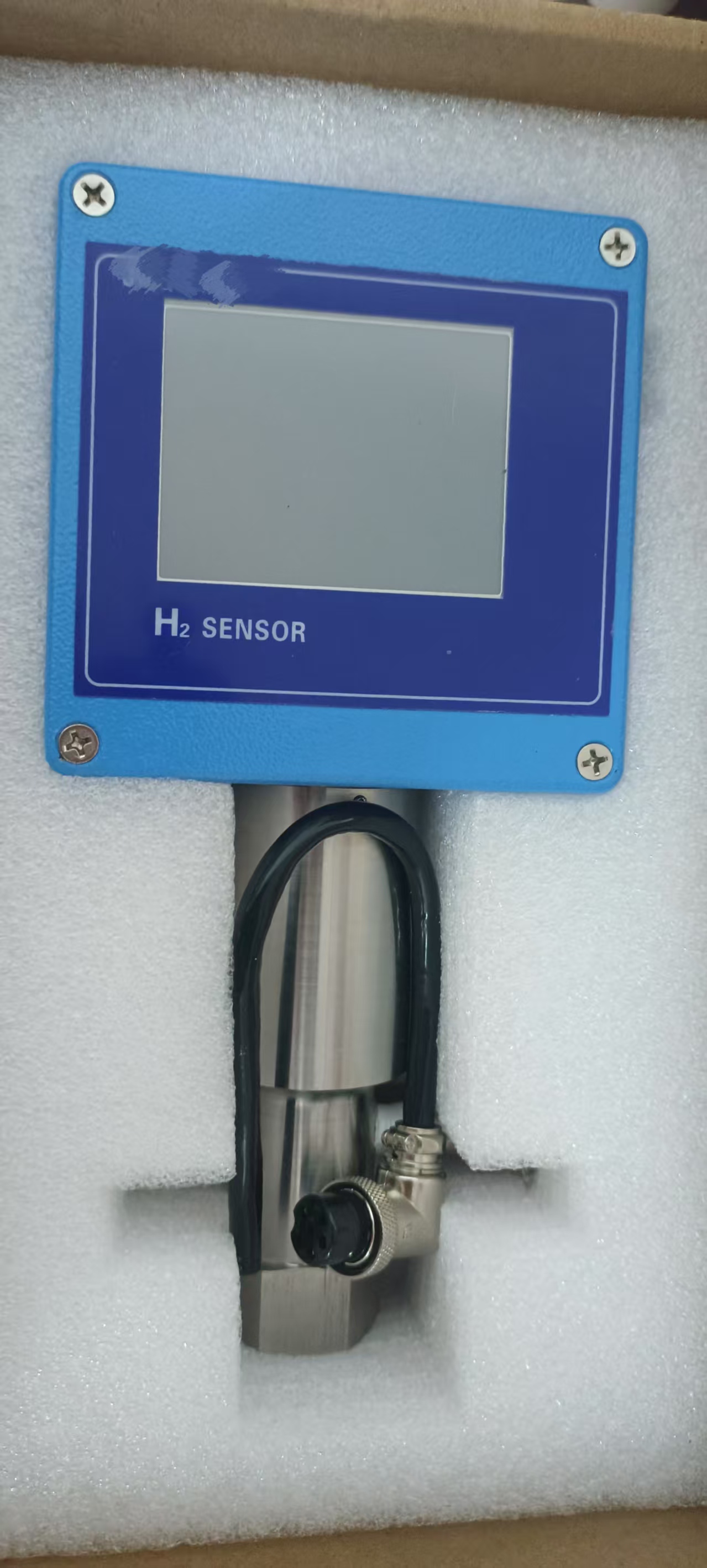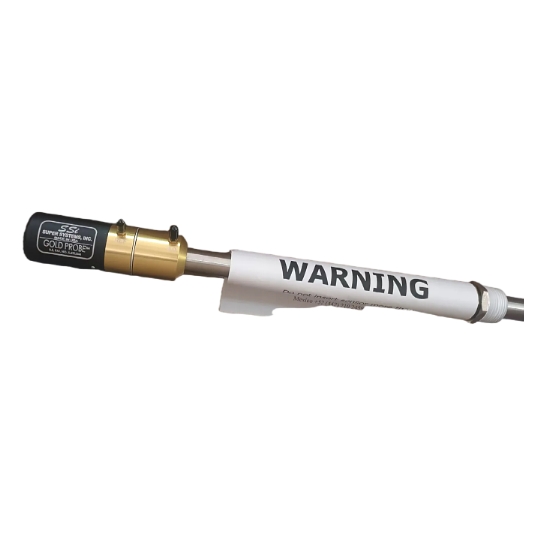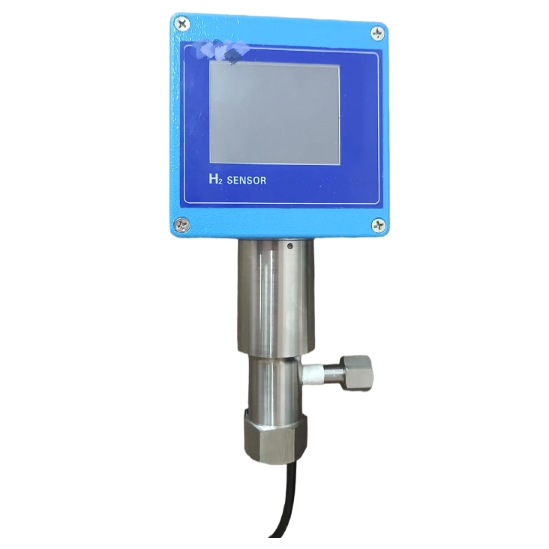


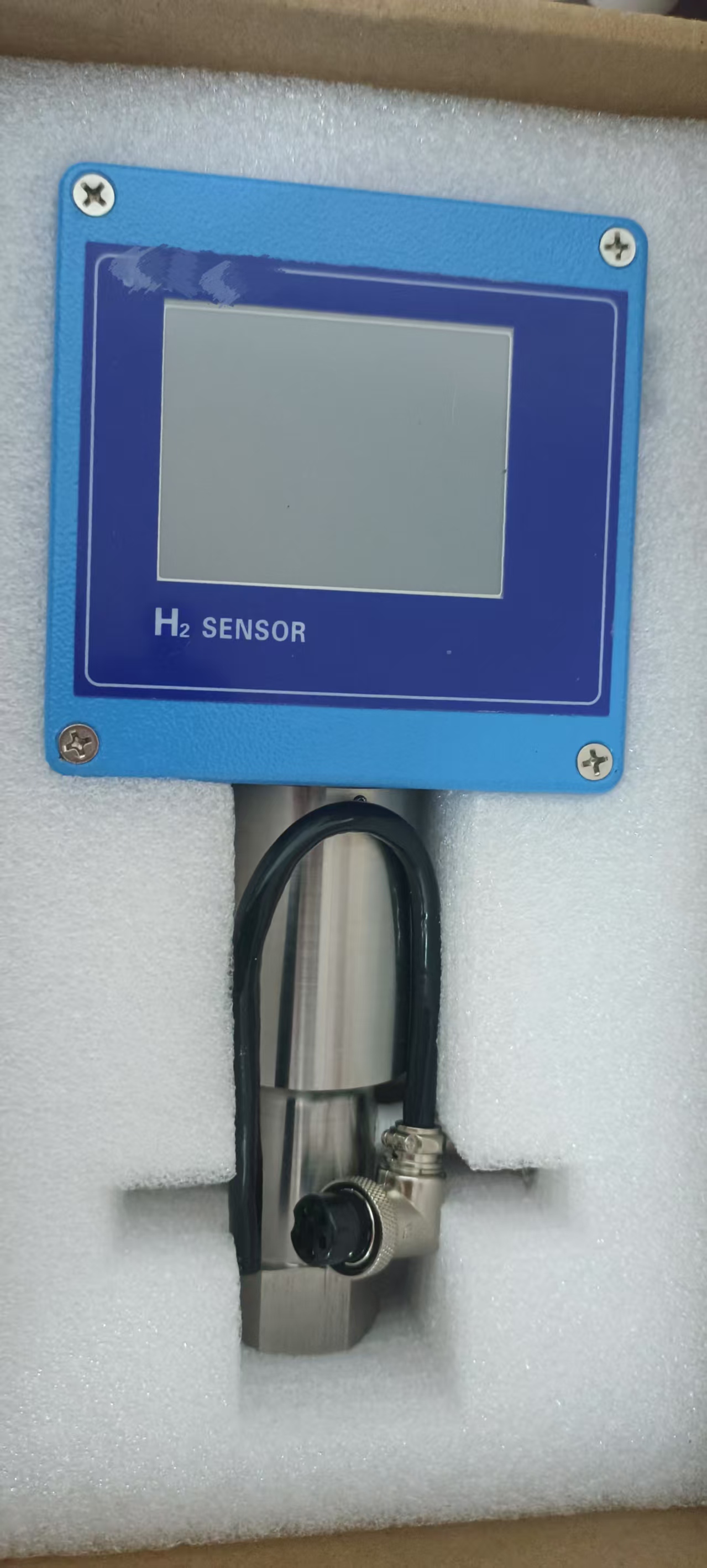


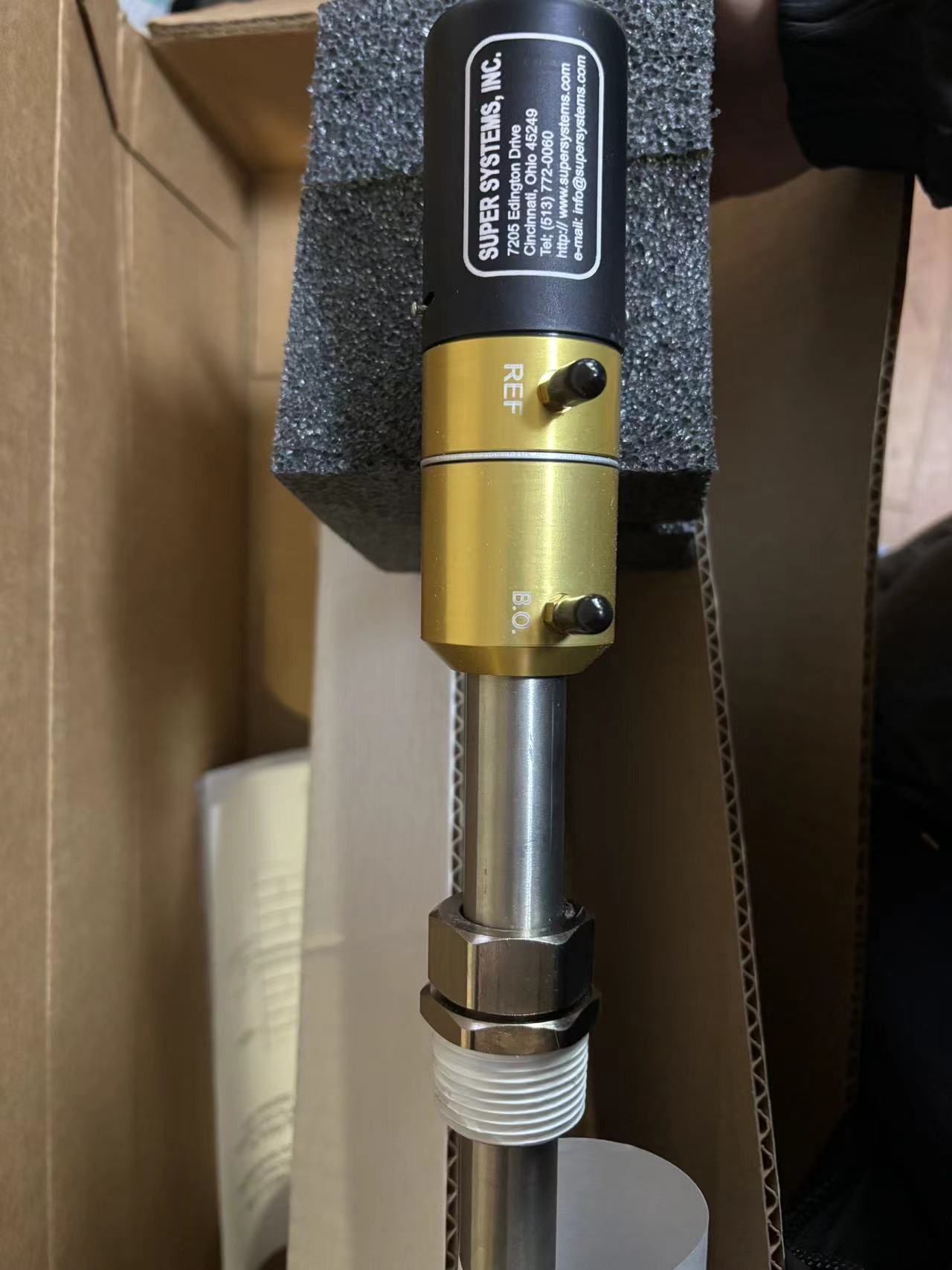
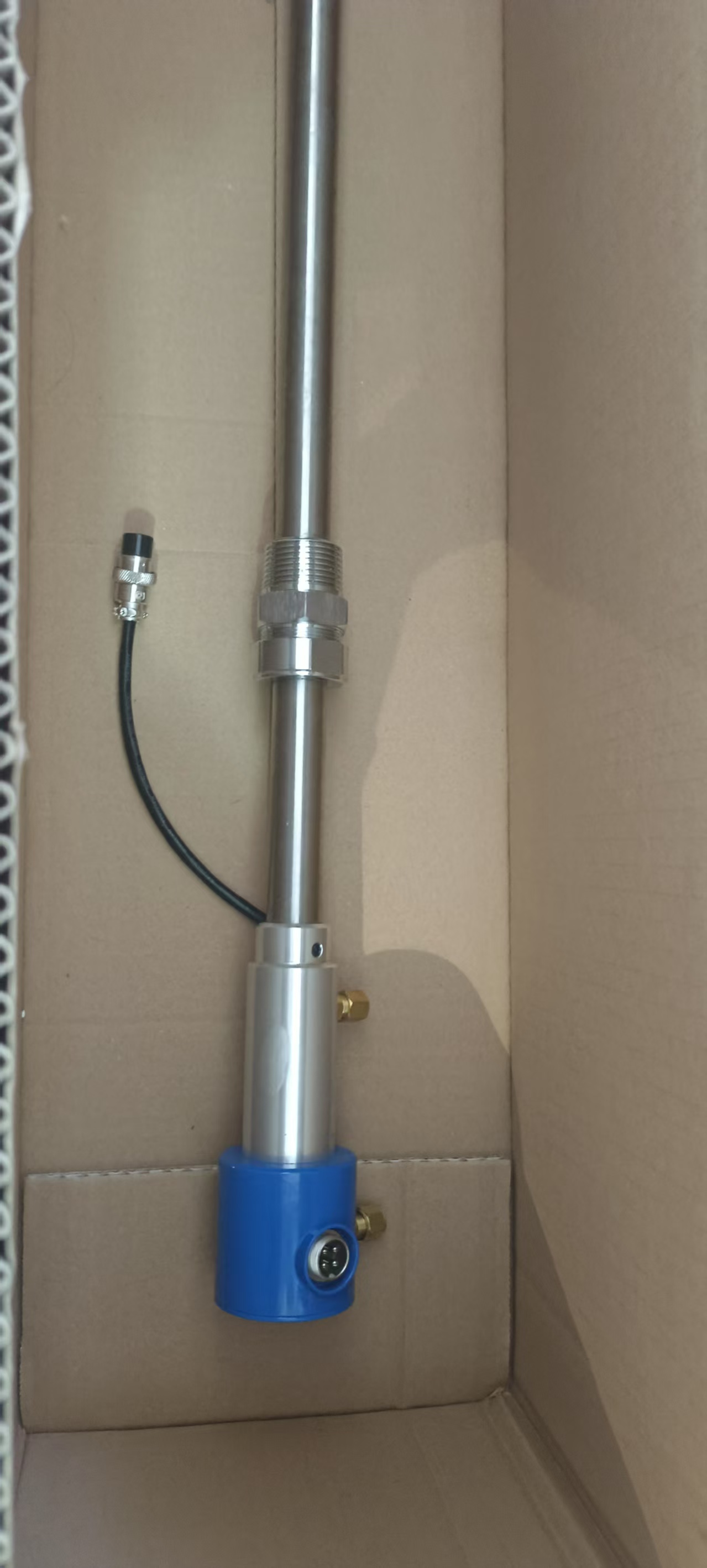





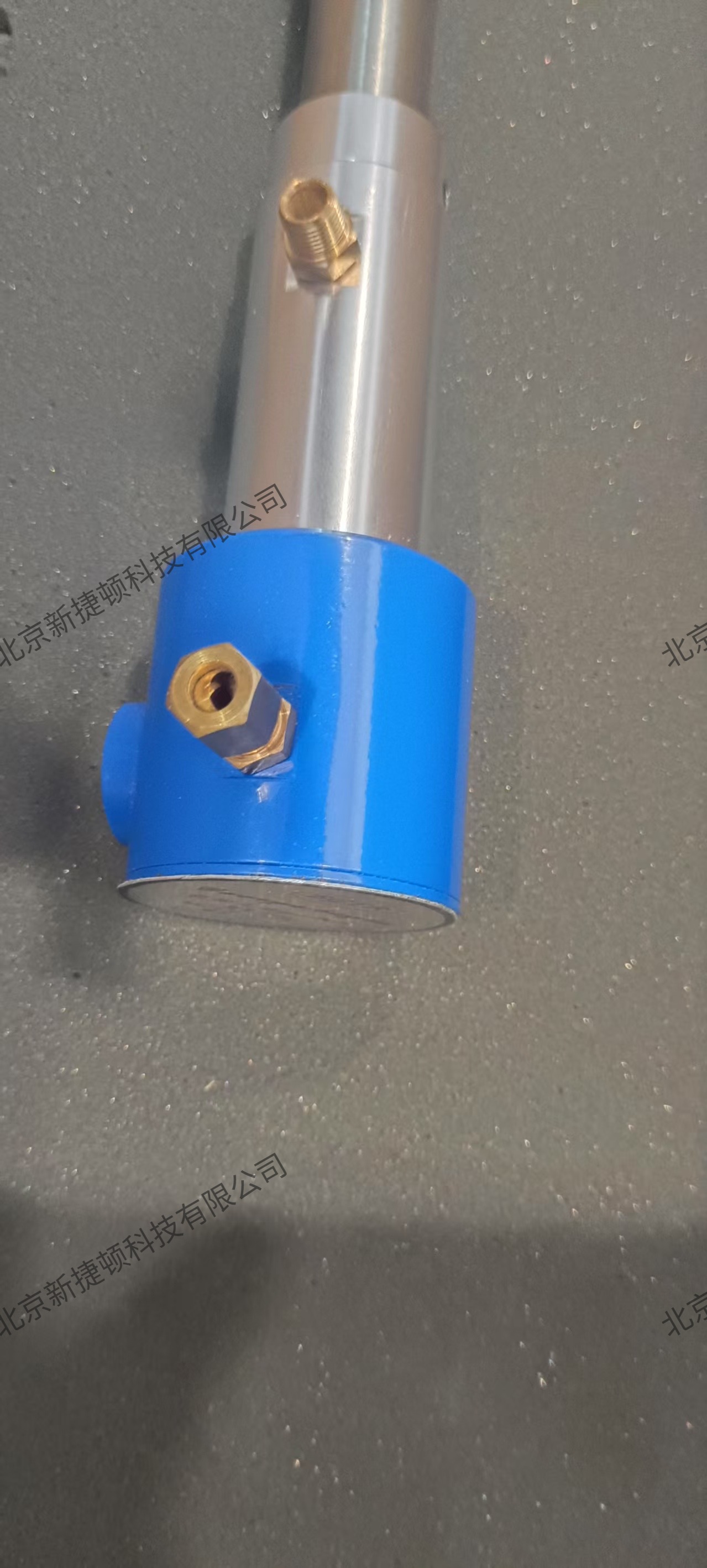
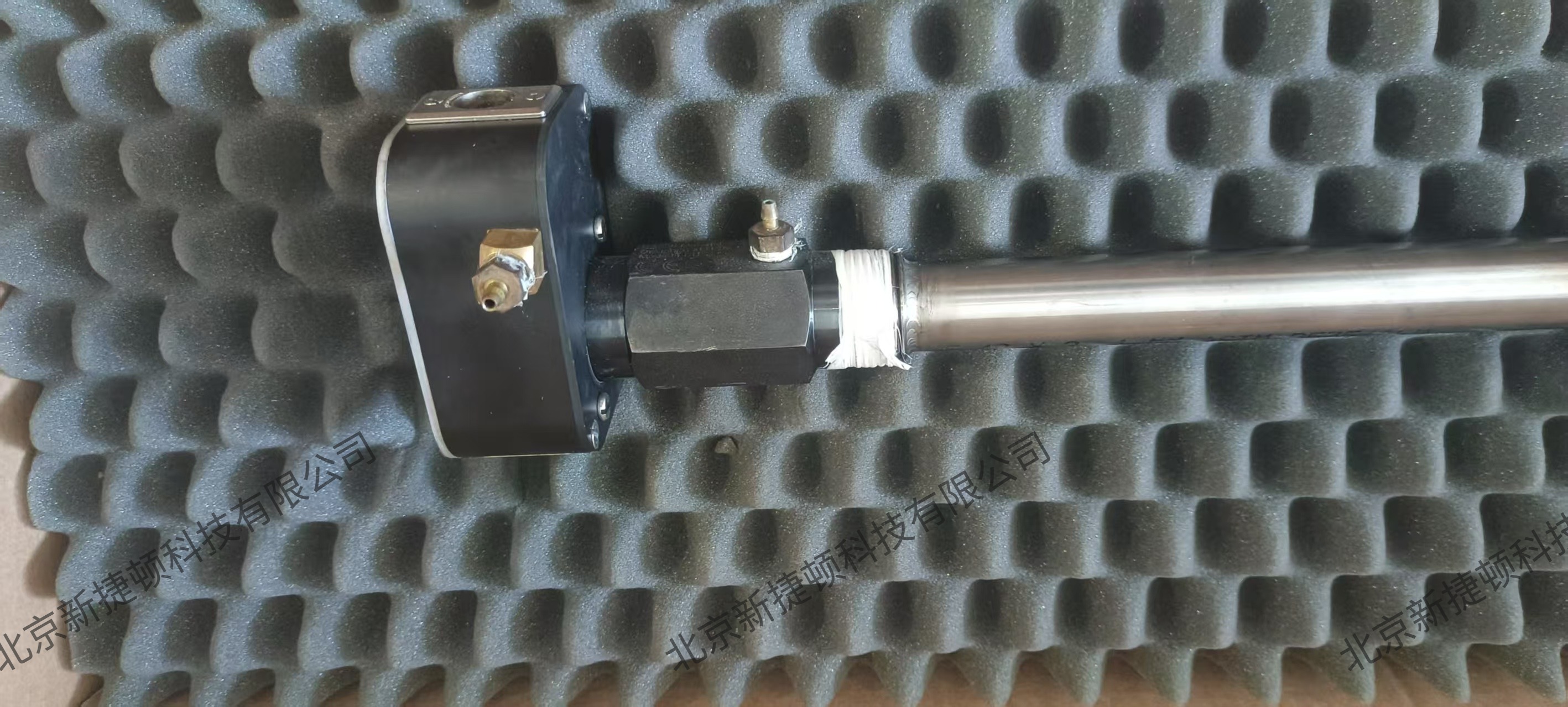
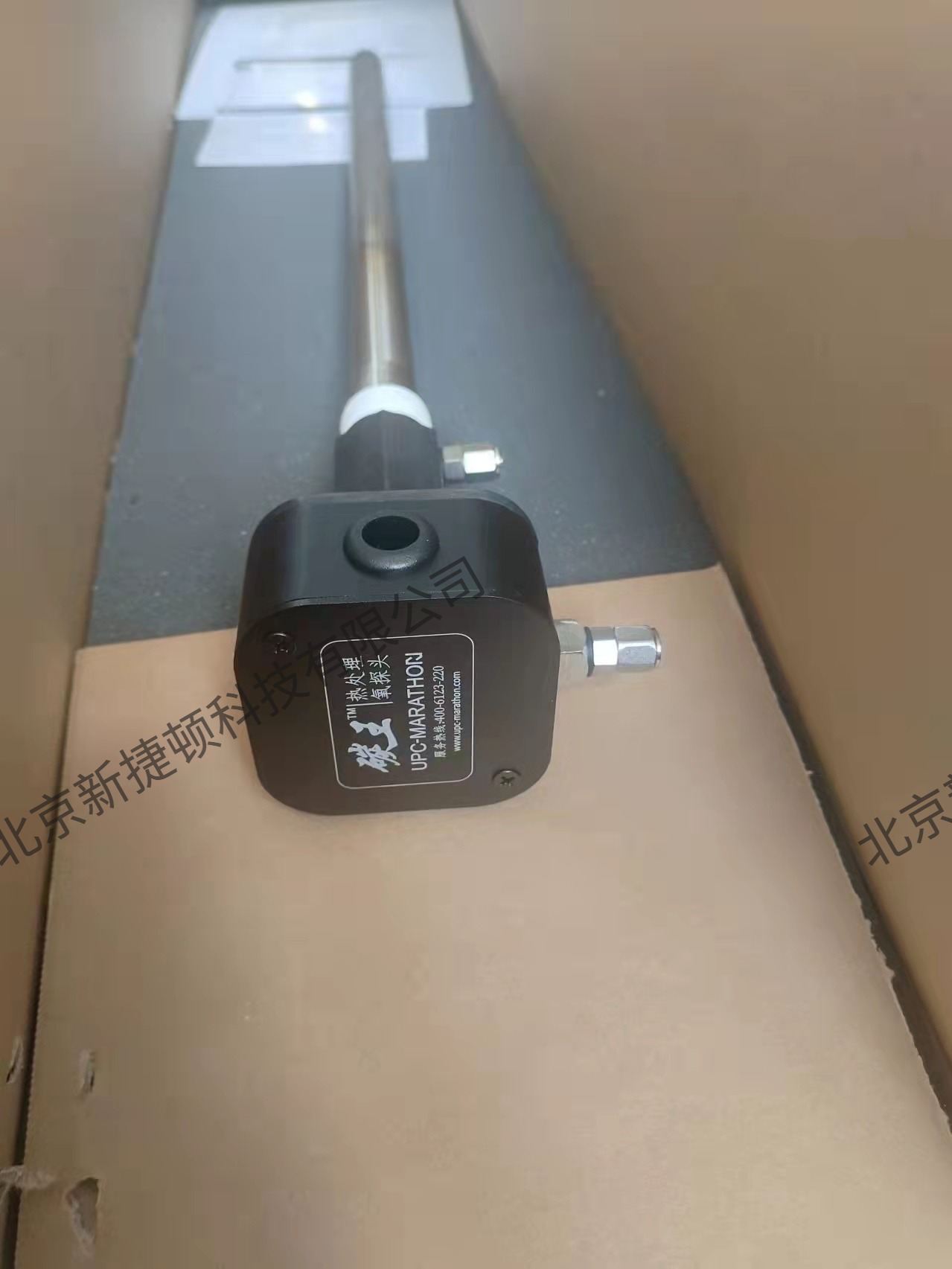
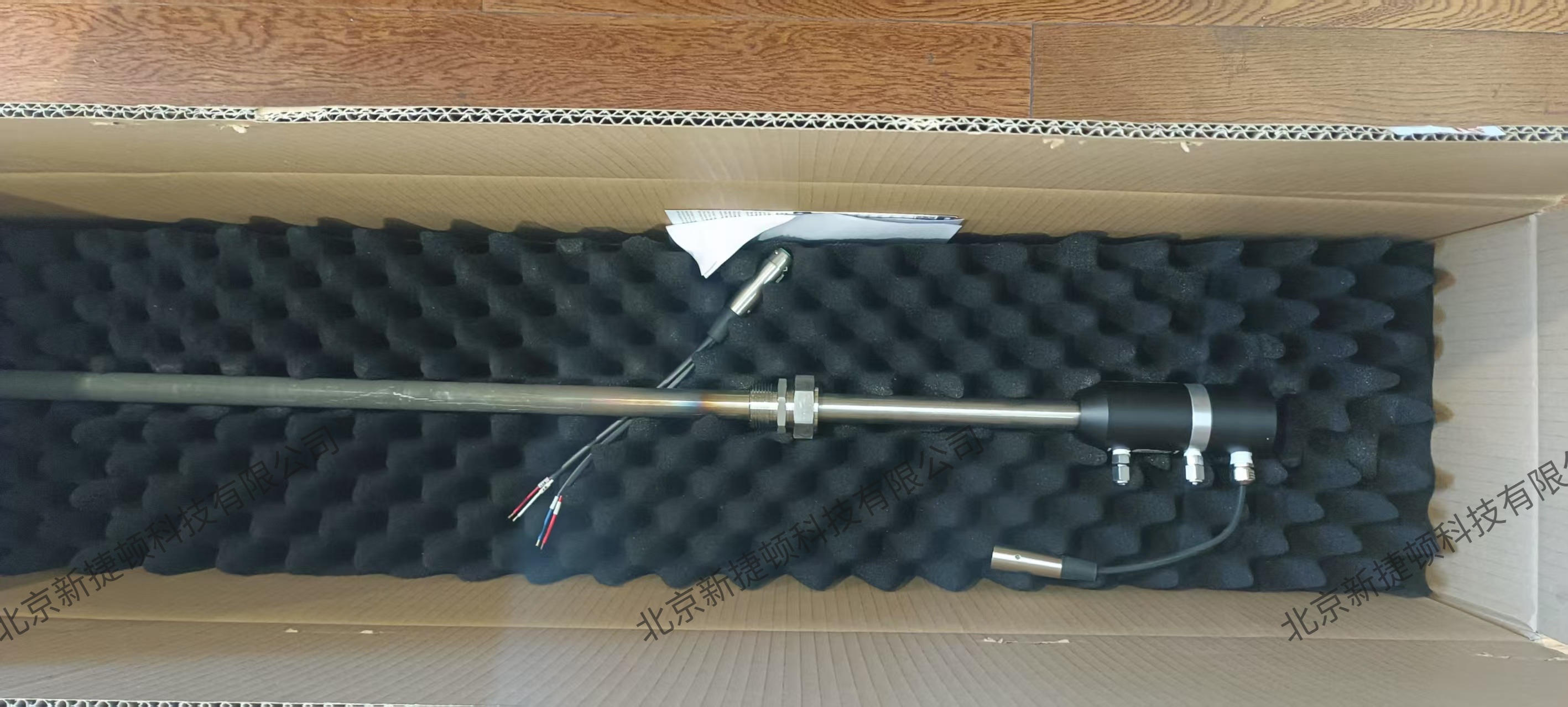
For the application requirements of high-precision alloy hydrogen probes under high temperatures (1000℃) and high currents (200mA), the following are key point analysis and proposed solutions:
1. Core Challenges
High-Temperature Stability: Materials are prone to oxidation and creep at 1000°C, requiring the selection of high-temperature alloys (such as Inco)(Nel 600/601) or ceramic substrates (such as Al2O3).
Hydrogen-sensitive material selection:
Metal oxides (such as TiO2, ZrO2): Require doping to enhance hydrogen response, but may deactivate at high temperatures.
Proton Conducting Ceramics (e.g., SrCeO3, BaZrO3): Excellent high-temperature proton conductivity, but complex processing.
Precious Metal Catalysts (Pt/Pd Coating): Enhances hydrogen desorption, but requires prevention of high-temperature sintering.
High Current Impact: 200mA may cause the probe to overheat, requiring optimized structural design (such as microchannel cooling) or pulsed power supply mode.
2. Technical Solution Proposal
Material Combination
Matrix: Yttria-stabilized Zirconia (YSZ) or Alumina ceramic (high-temperature resistant, insulating).
Sensitive Layer
Primary Material: SrCe?.?Yb?.?O δ (High-temperature Proton Conductor, good selectivity for hydrogen)
Catalytic layer: Nanoporous Pt/Pd bimetal (sintering inhibition, enhanced response speed).
Electrode: Pt-ZrO2 composite electrode (resistant to high-temperature oxidation).
Structural Design
Sandwich Structure: Ceramic substrate + sensitive layer + porous protective layer (e.g., LaCrO3).
Miniaturization: Fabricate thin film sensors using MEMS technology to reduce power consumption.
Signal Processing
Constant potential instrument circuit: Controls 200mA current to avoid polarization effects.
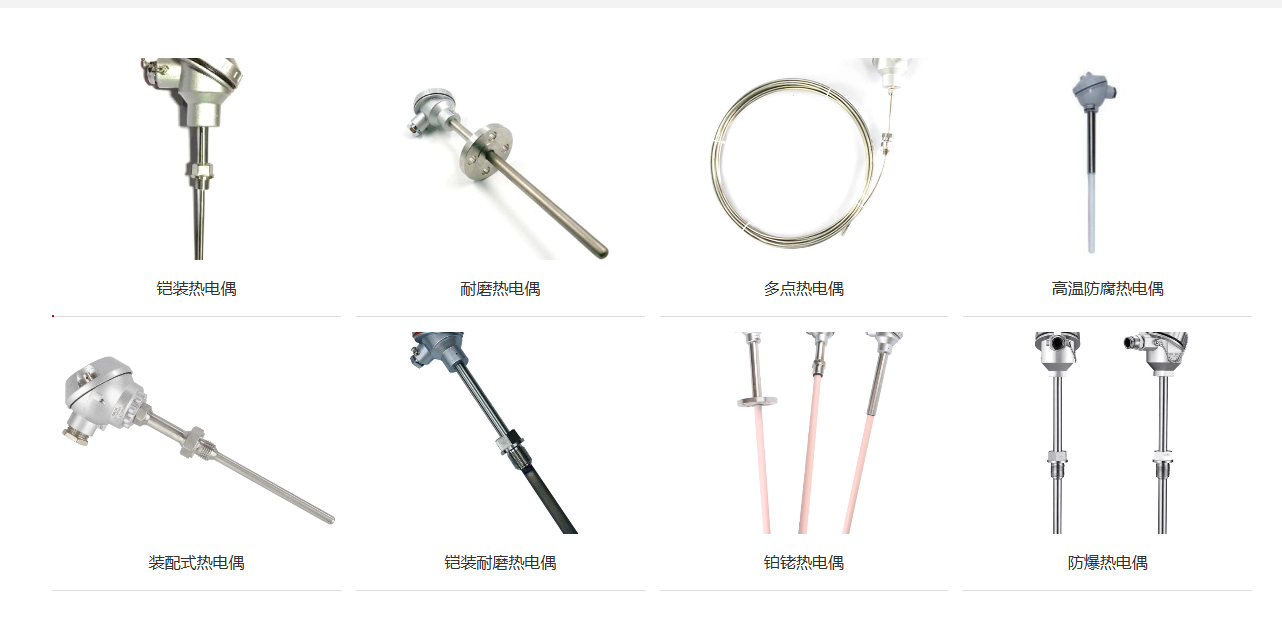
Temperature Compensation: Integrated Pt Rh thermocouple for real-time temperature drift correction.
3. Performance Optimization Direction
Interference Resistance: Added CO/CH? filtration layer (e.g., zeolite molecular sieve).
Enhanced Lifespan:
Hot cycle coatings (such as thermal barrier coatings, TBCs).
Self-cleaning design (such as periodic high-temperature oxidation-reduction treatment).
Calibration Method: Calibration is performed using a standard hydrogen partial pressure source (such as H2/N2 mixture) in a high-temperature furnace.
4. Potential Issues and Solutions
Hydrogen Embrittlement Risk: Select alloys with low hydrogen diffusion coefficients (such as Hastelloy C 276).
Seal Failure: Glass Metal Seals (such as Corning #9012 glass material).
Signal Drift: Regular on-site calibration recommended every 50 hours.
5. Recommended Test Parameters
| Item | Conditions | Target Value |
| -----------| -------------------| ------------ -|
| Sensitivity | 1000°C, 0-1000ppm H2 | >0.1mV/ppm |
Response Time | 500ppm H? Step | <5s (90% T90)
Long-term Stability | Continuous Operation at 1000℃ for 200 hours | Signal Drift < ±2%
| Cross Sensitivity | 10% CO, 5% H2O Background | H2 Response Error <±1% |
6. Application Scenario Compatibility
Nuclear Power: Requires radiation-resistant modification (such as adding Gd2O3).
Aerospace: Lightweight design (cellular ceramic structure).
Metallurgy: Dust cover (porous SiC filter).
For further simulations (such as COMSOL thermal-electrical coupling analysis) or a detailed list of specific material suppliers, please provide more detailed requirements.