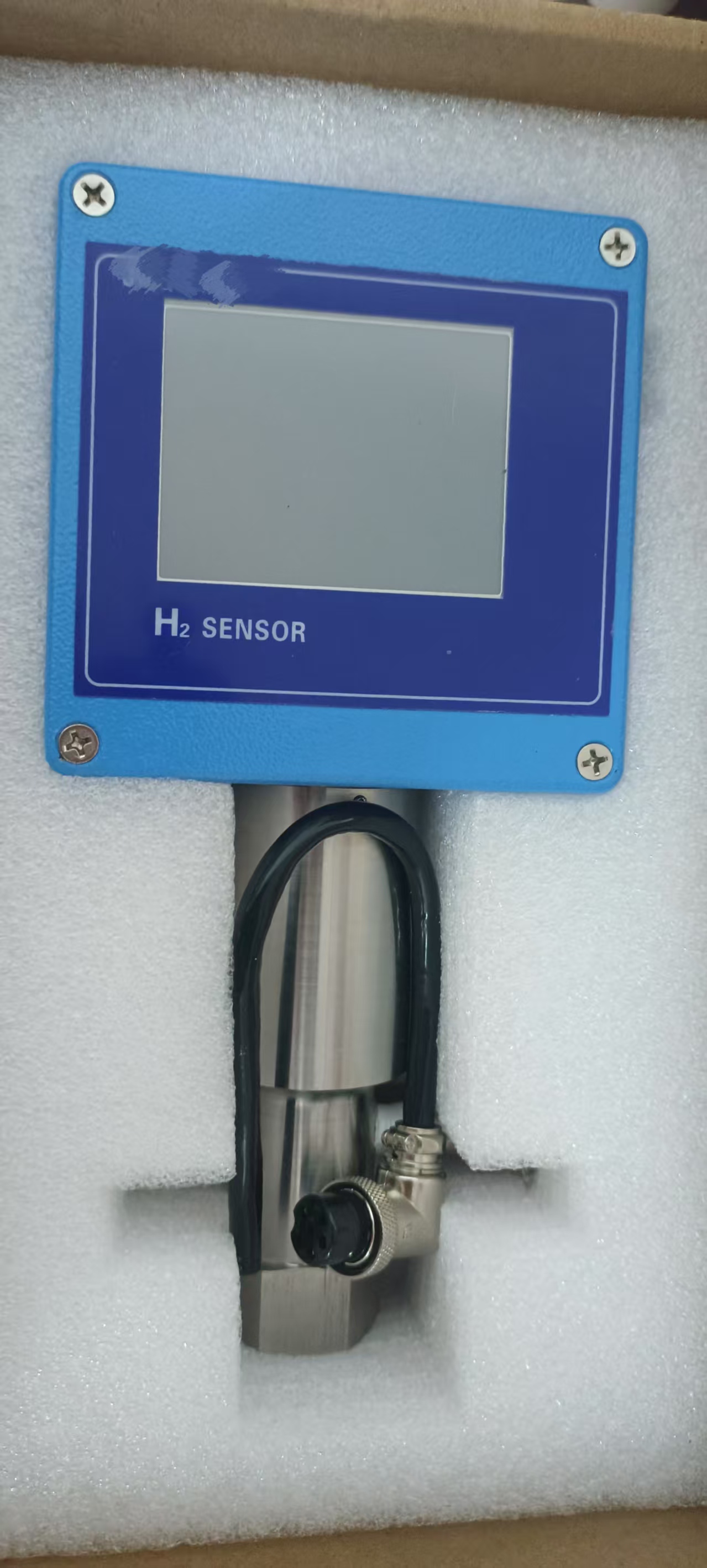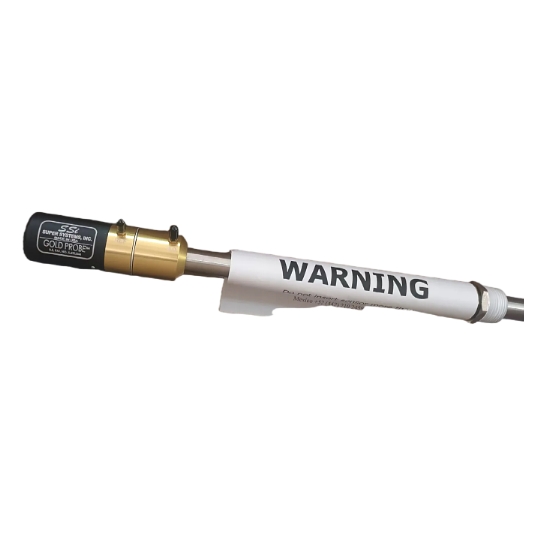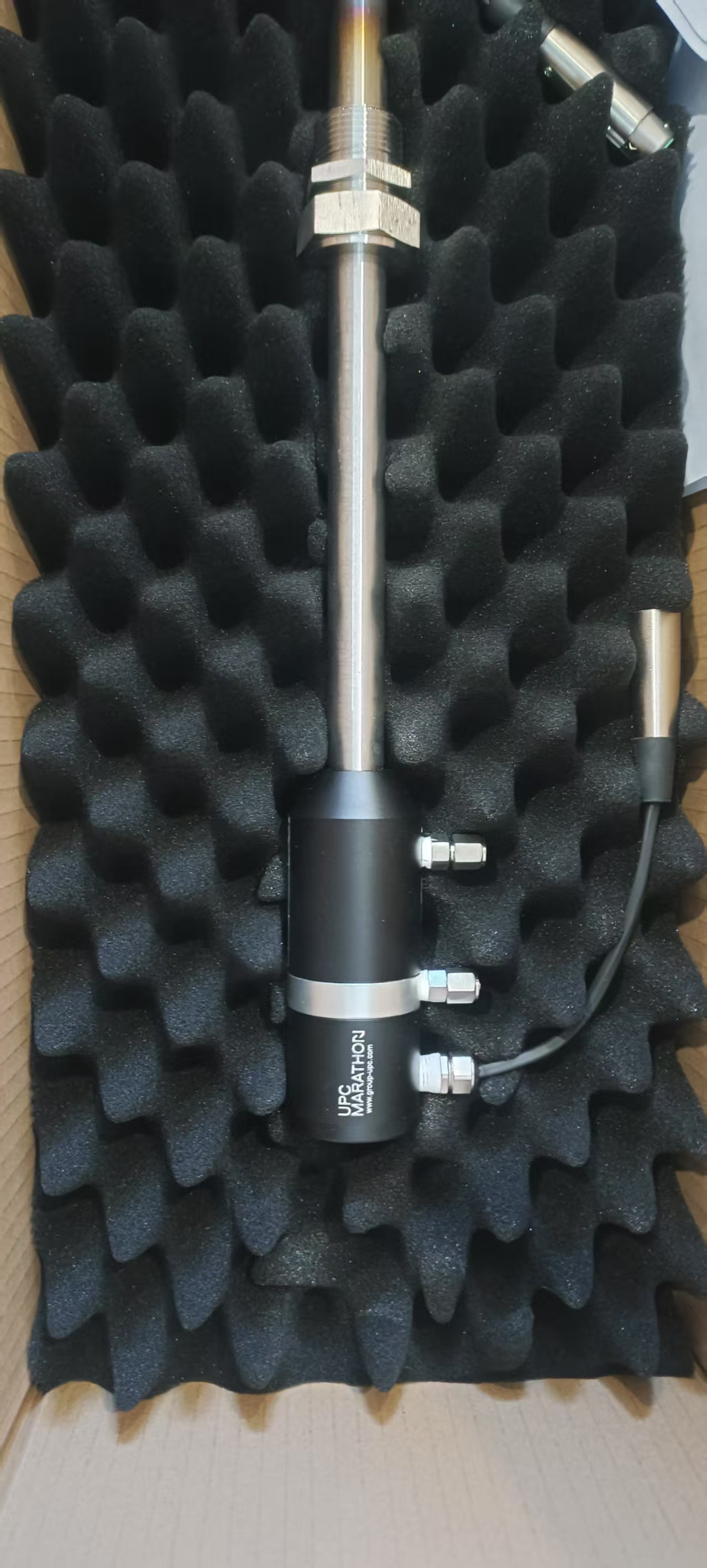

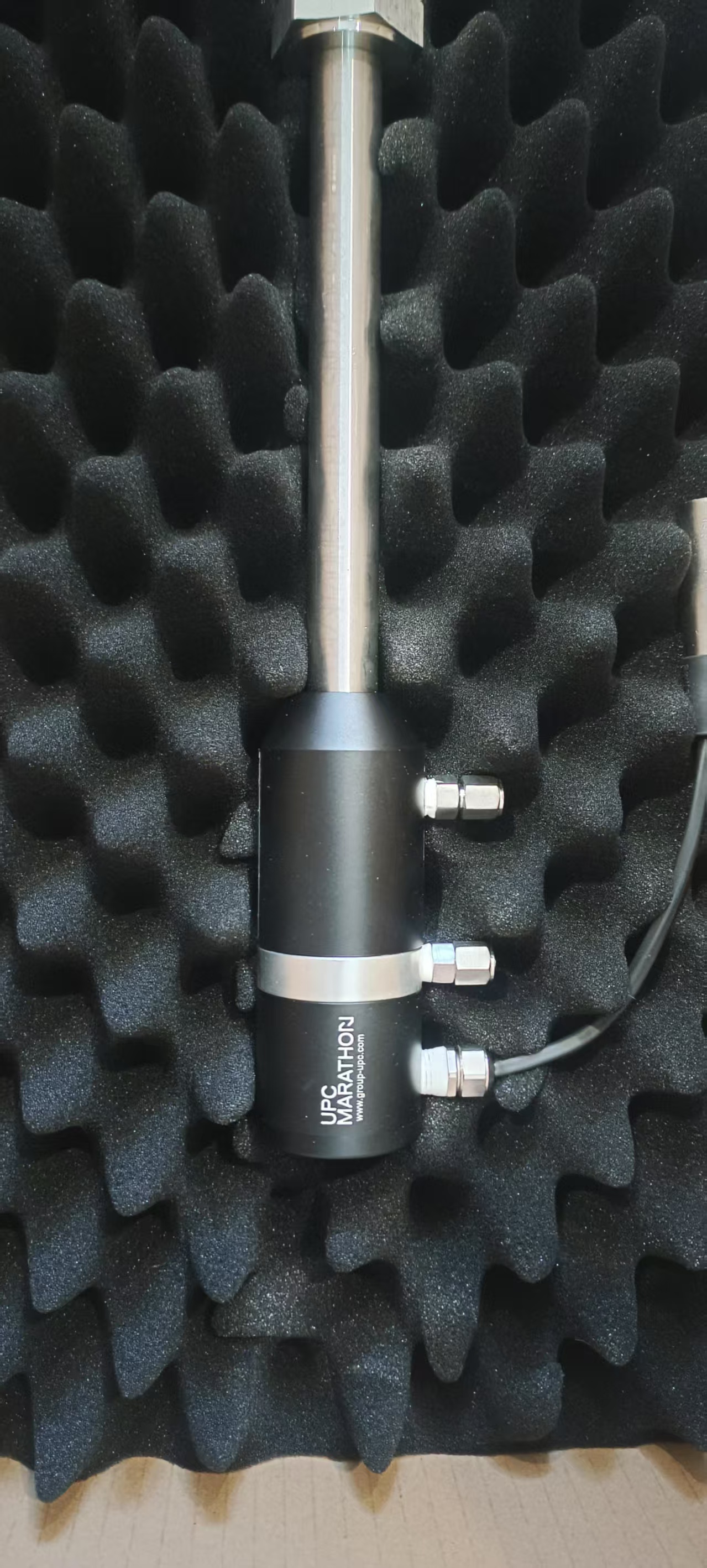
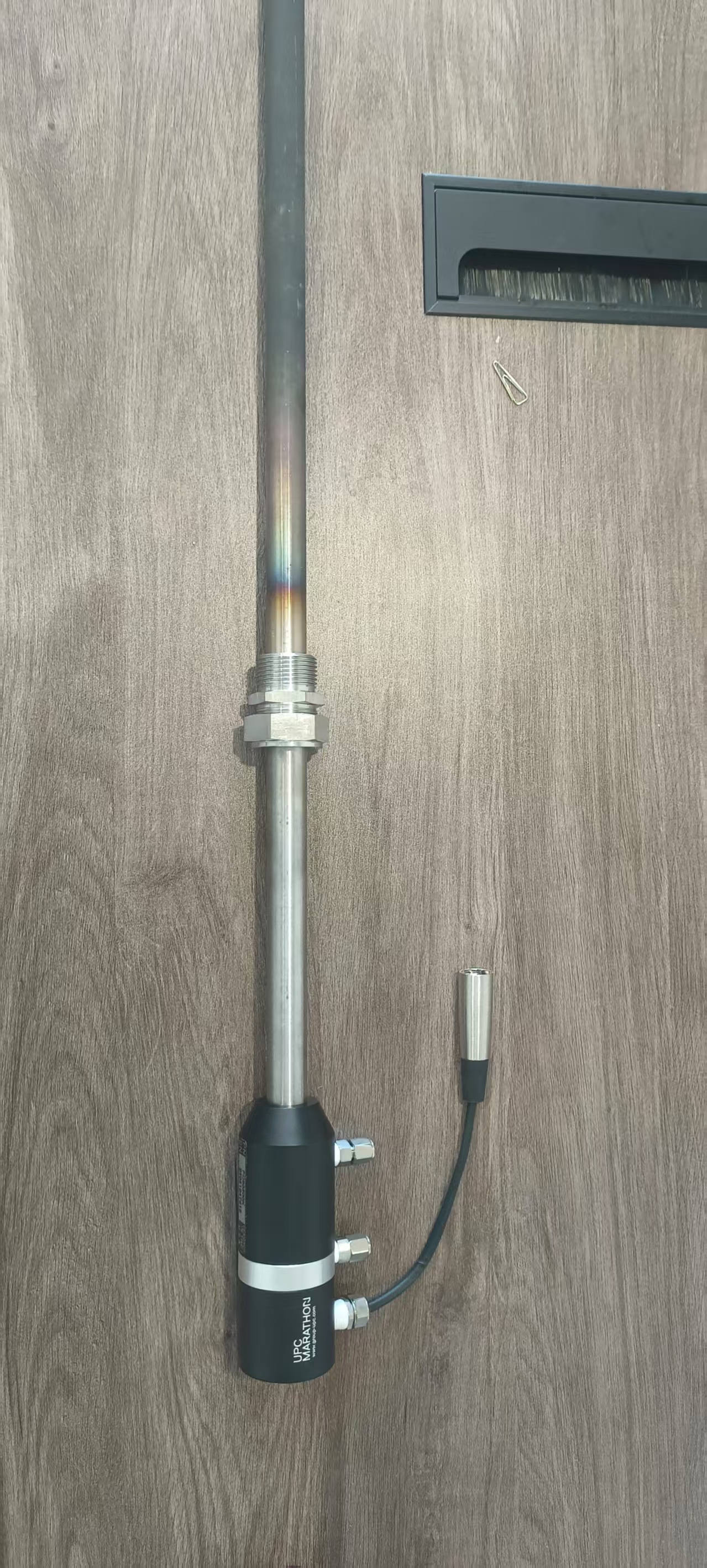


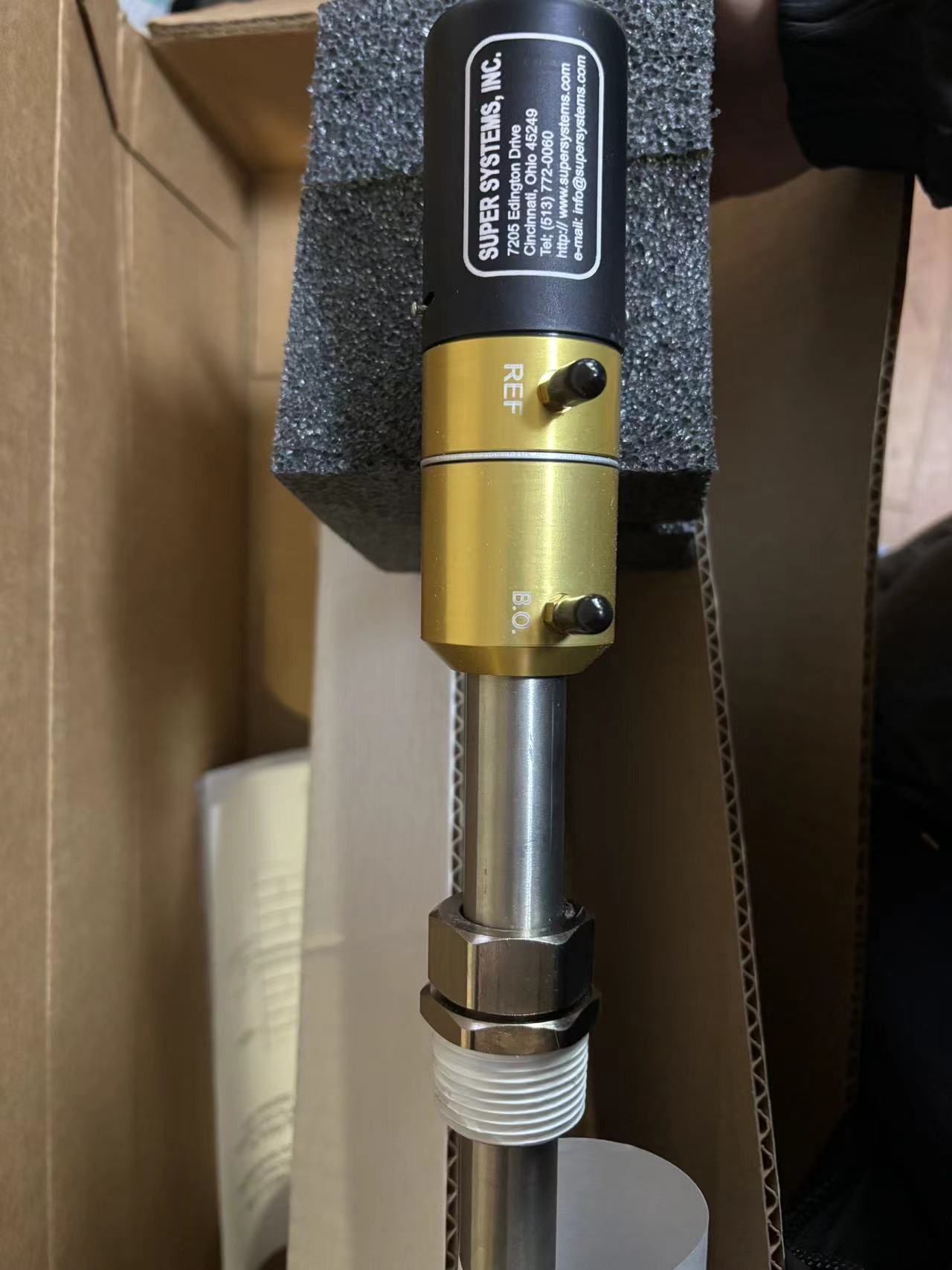
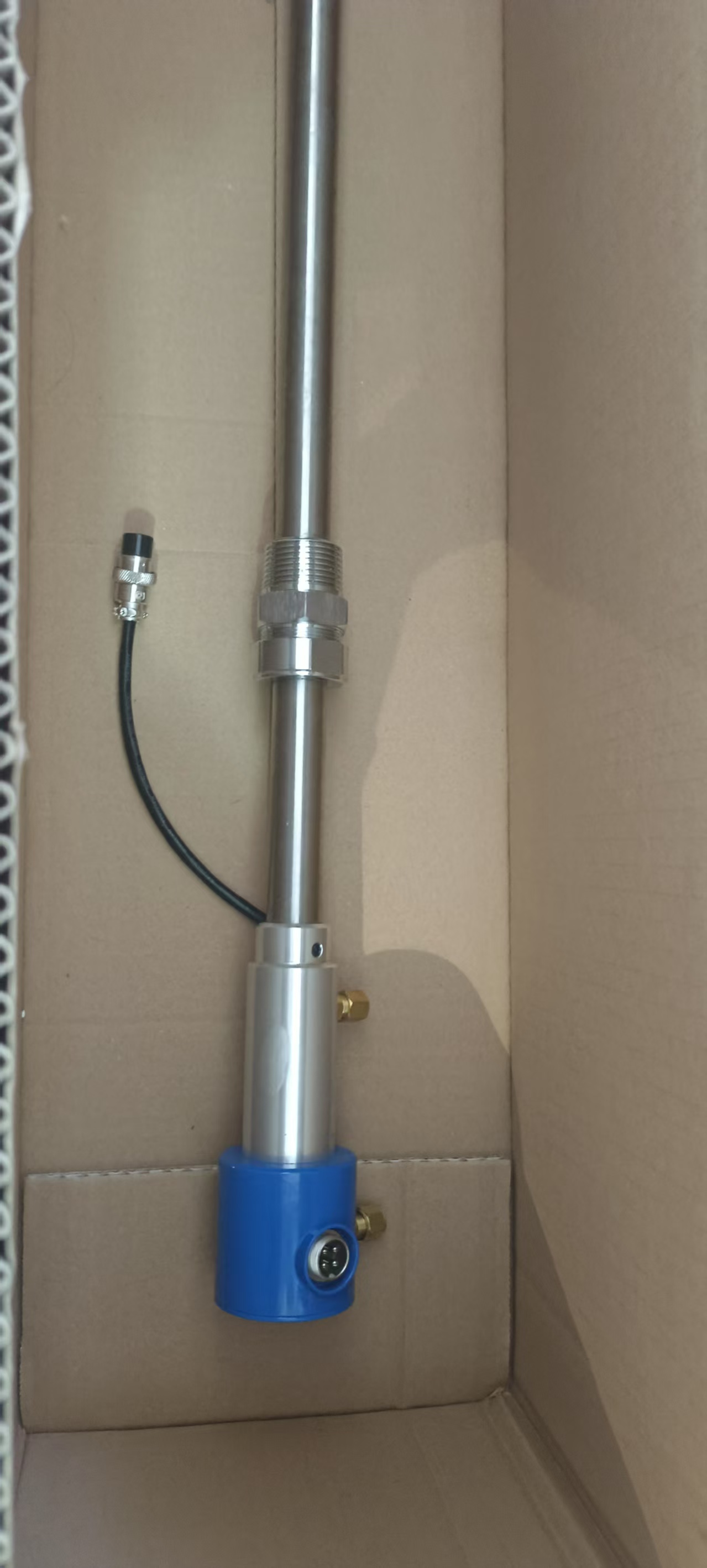





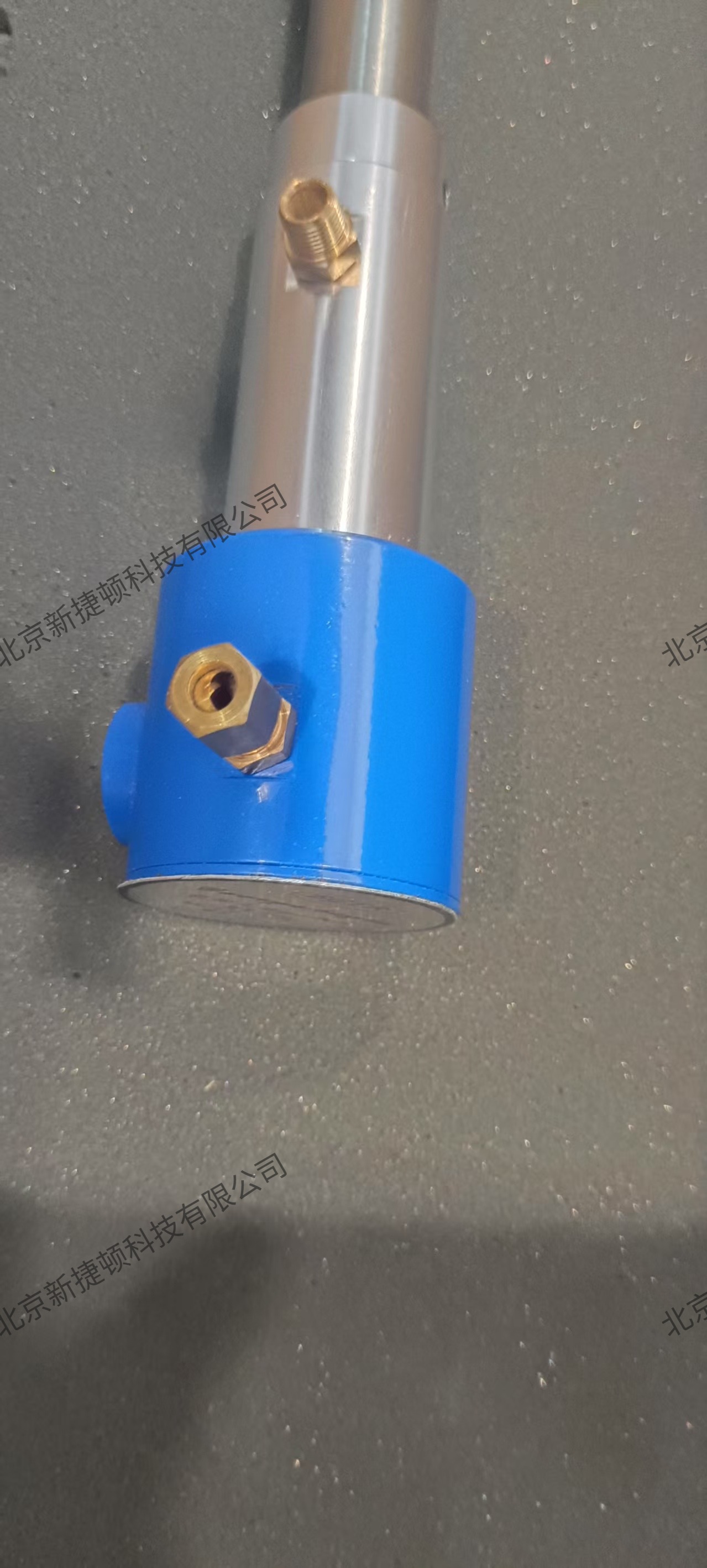
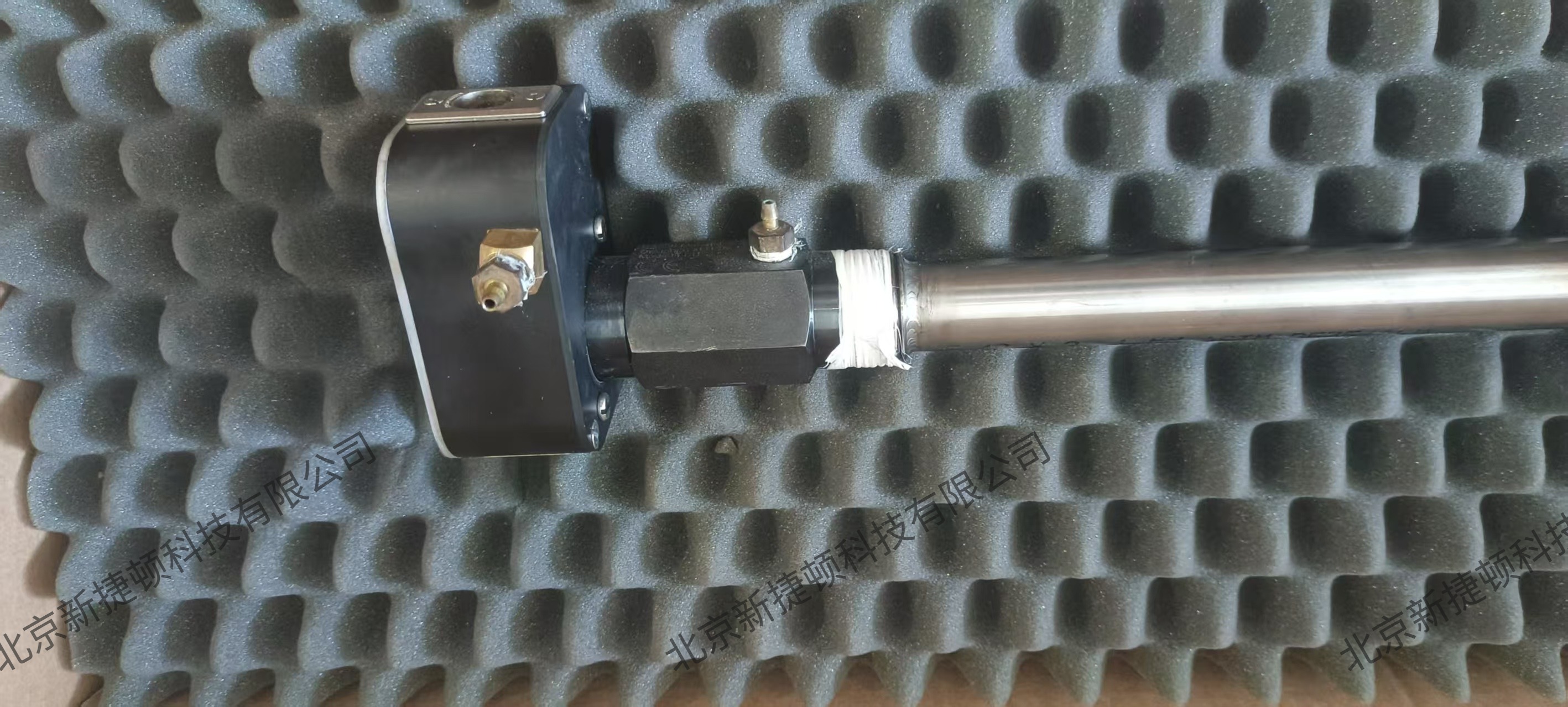
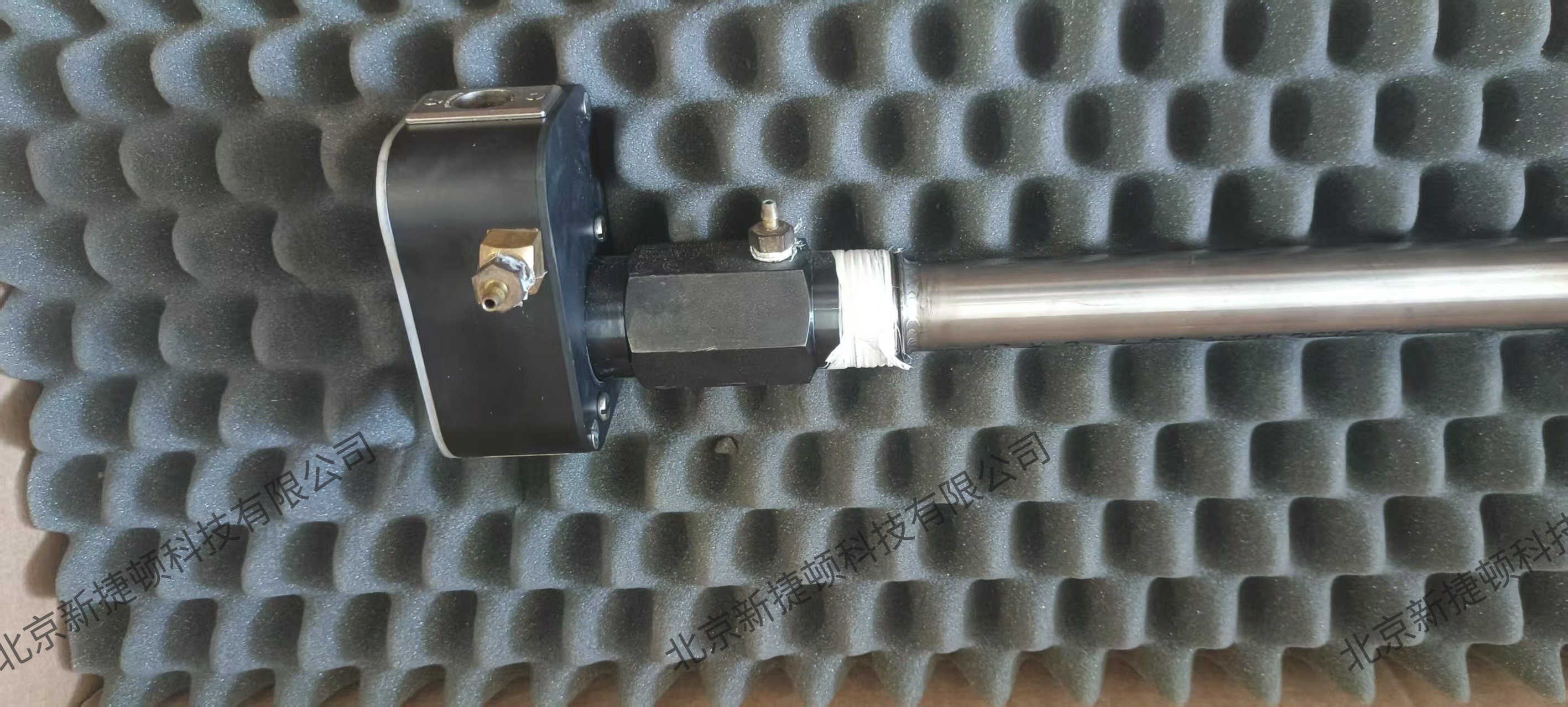
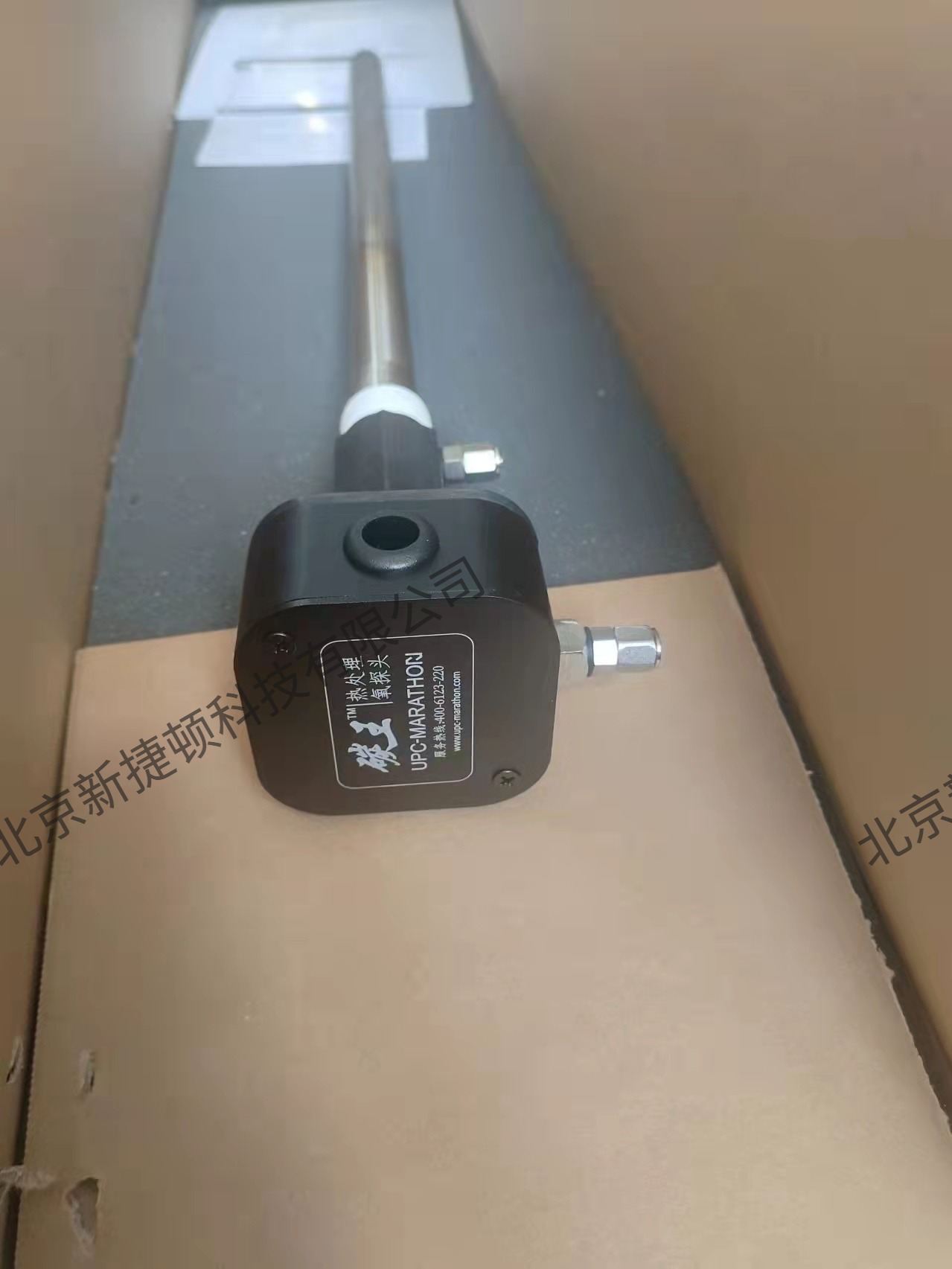
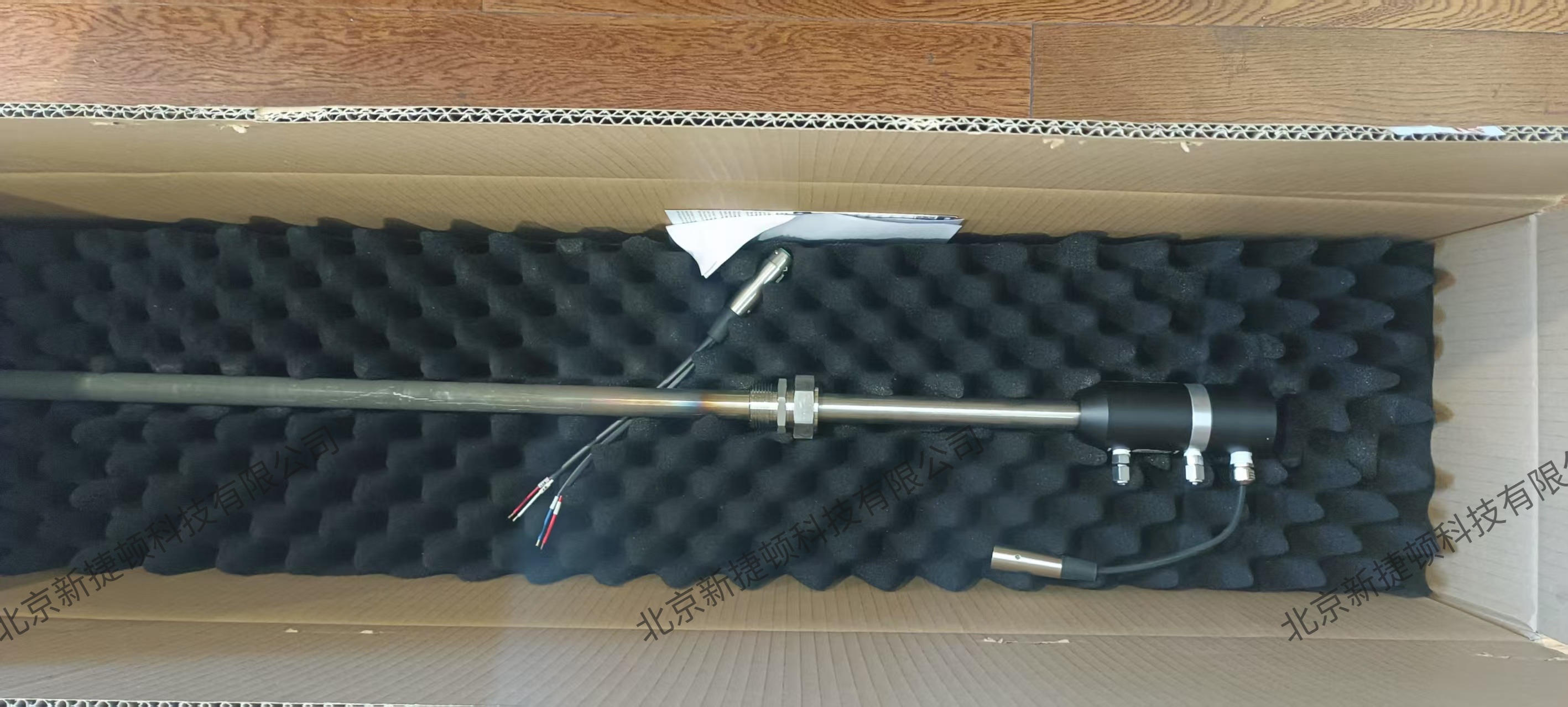
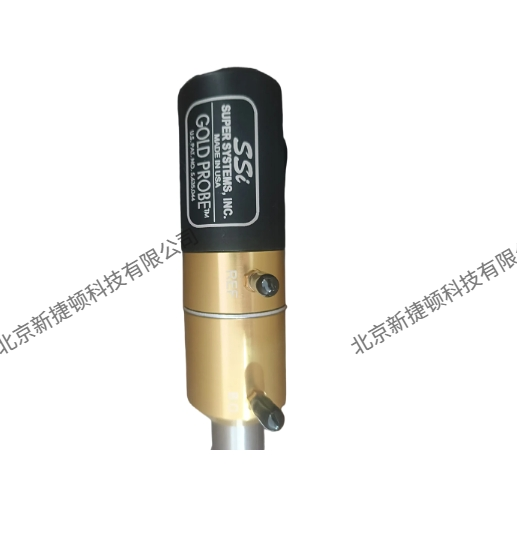
Regarding the Marathon brand Quicksilver series oxygen probe applications in controlling the carbon potential (carbon concentration) or oxidizing atmosphere within the furnace, the following is a summary of key information:
1. Product Overview
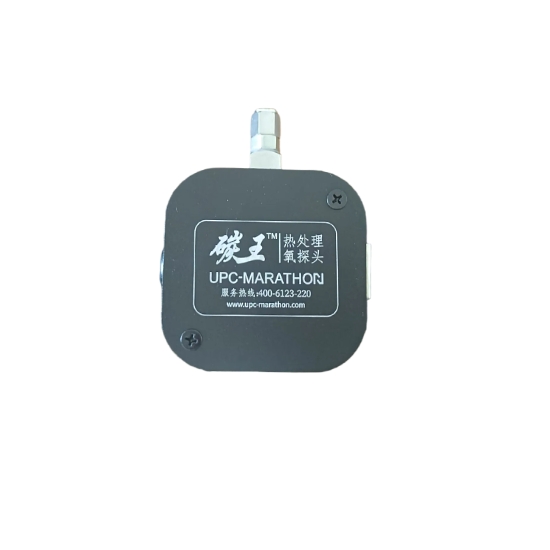
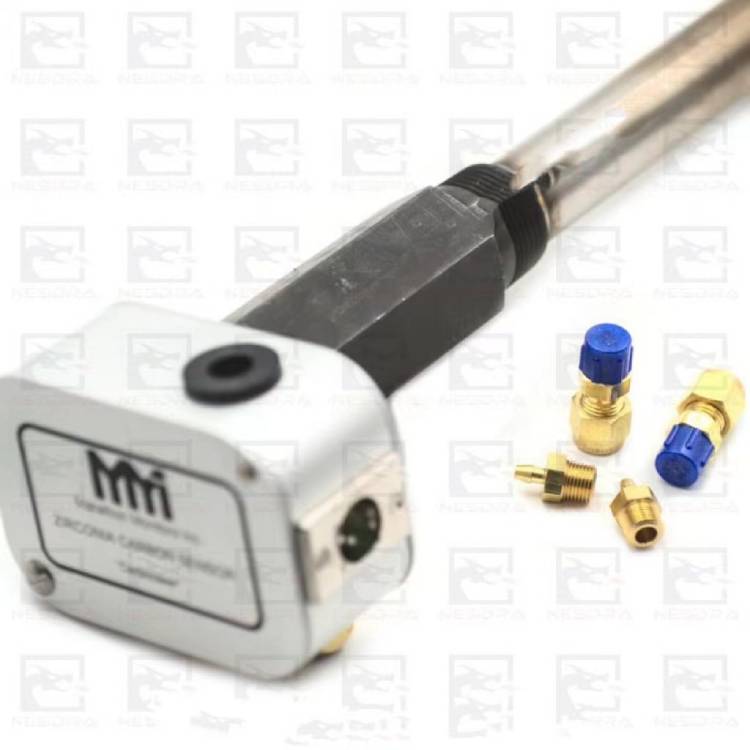
The Quicksilver Oxygen Probe is a classic product by Marathon, used for real-time monitoring of oxygen partial pressure inside the furnace, and indirectly controlling carbon potential (carburizing, protective atmosphere heat treatment) or oxidation/reduction atmosphere through calculations.
Core Principle: Based on a Zirconia (ZrO2) sensor, the oxygen content inside the furnace is calculated by measuring the oxygen potential (mV signal), combined with temperature compensation and atmosphere model (such as assumed CO content) to calculate the carbon potential.
2. Key Technology for Carbon Potential Control
Carbon potential control logic:
Oxygen probe output oxygen electromotive force (mV) → Converted to oxygen partial pressure (ppm) → Combined with furnace temperature, CO% and other parameters, calculate carbon potential through formulas (such as `CP = f(O2, T, CO%)`).
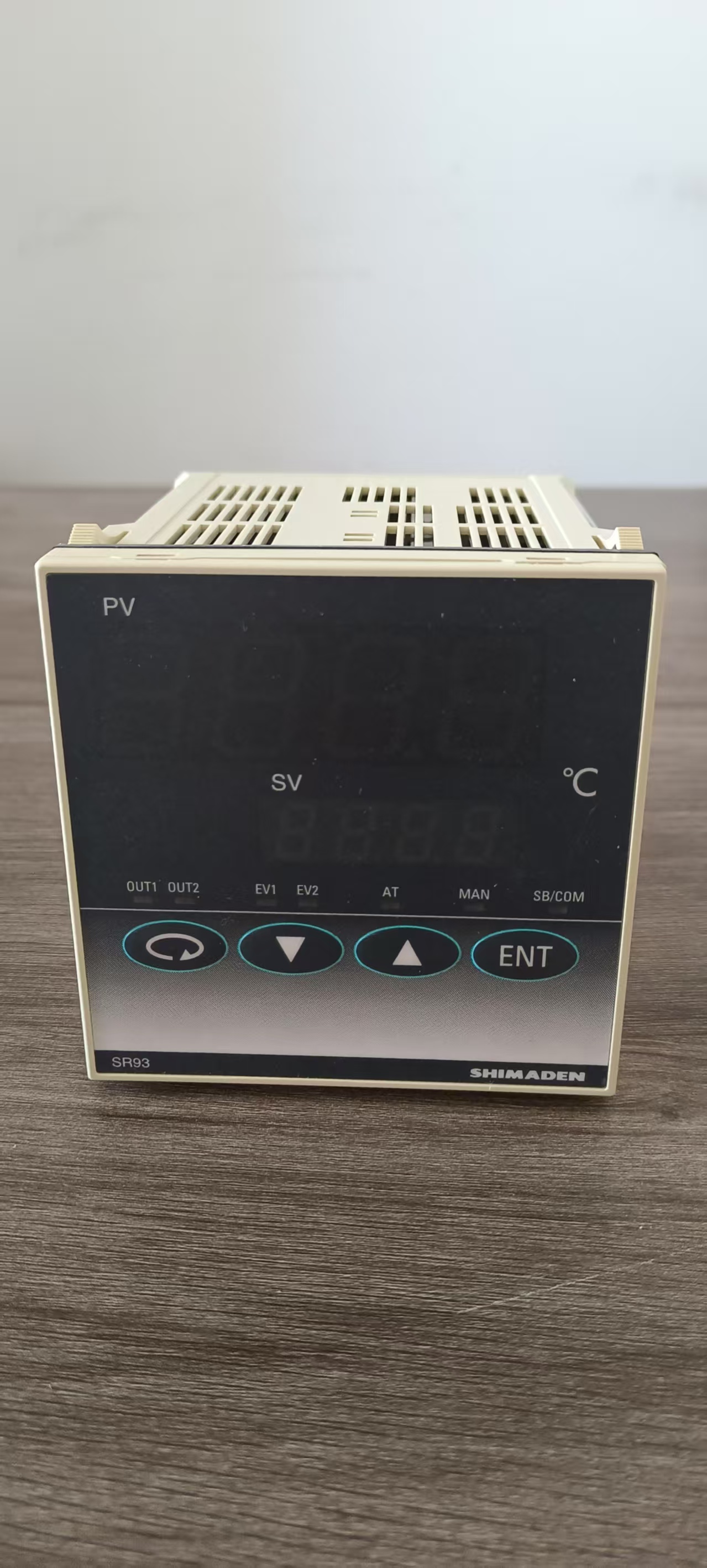
A carbon control instrument (such as Eurotherm, PE, etc.) is required for PID adjustment to control the intake quantity of enriching gas () or diluent gas (such as air).
Interference-resistant design:
For issues such as carbon black and sulfur contamination in carburizing furnaces, Quicksilver probes may utilize self-cleaning electrodes or reference gas compensation technology (such as air reference or built-in reference battery).
Some models support the "charcoal burning" feature (high-temperature oxidation mode) to extend lifespan.
3. Oxygen Control Applications
In neutral or oxidizing atmospheres (such as annealing, brazing), the oxygen probe directly monitors oxygen concentration to prevent over-oxidation.
Set oxygen content thresholds (e.g., 1000 ppm) and adjust by introducing inert gas (N2) or reducing gas (H2).
4. Marathon Brand Features
Reliability: Marathon is renowned for its long lifespan and low drift, making it suitable for stringent industrial environments.
Compatibility:
The probe can be integrated with various controllers (such as Marathon's in-house instruments or third-party systems).
Standard signal output (such as 0-20mA or RS485).
Maintenance Tip:
Regular calibration (via certified gas or reference samples).
Replace reference electrode or filter (depending on model).
5. Selection Recommendations
Confirm process requirements:
Temperature Range (typically 600-1200°C).
Atmosphere Type (Heat-absorbing RX gas, nitrogen, etc.)
Carbon potential range (e.g., 0.1% to 1.5% C).
Recommended Model:
Quicksilver 3 (3rd Generation, Enhanced Anti-Pollution Capability)
MP 3000 Carbon Control Instrument (Marathon System Solution)
6. Fault Diagnosis
Anomaly in Reading:
Check if the reference gas channel is blocked.
Verify the accuracy of the thermocouple (temperature compensation).
Slow Response
Clean Zirconia Surface Carbon (if carbon burning mode is supported).