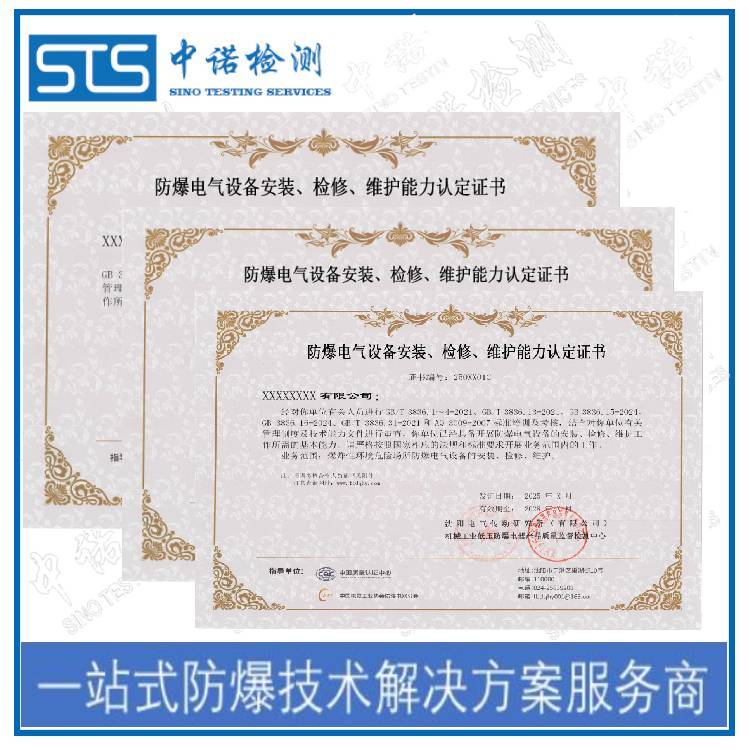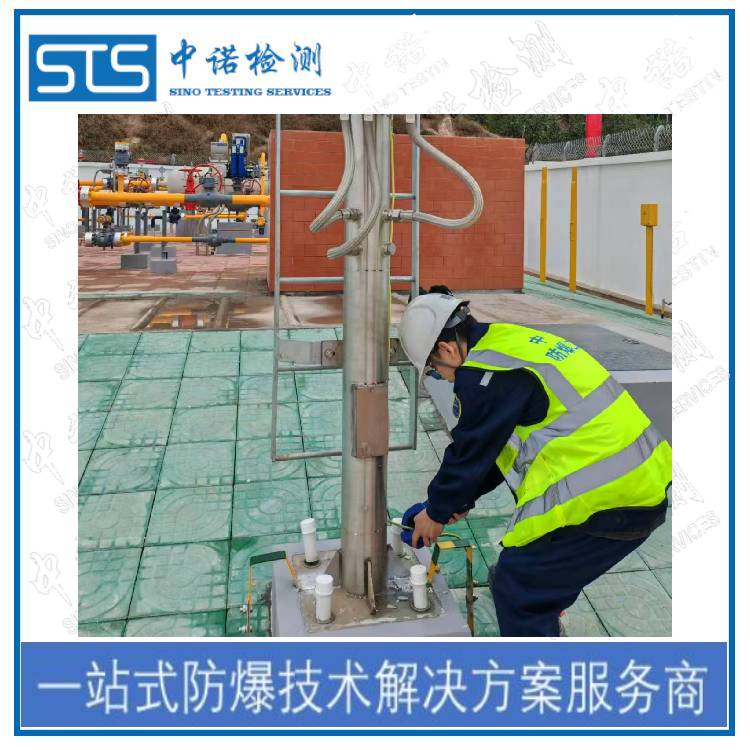

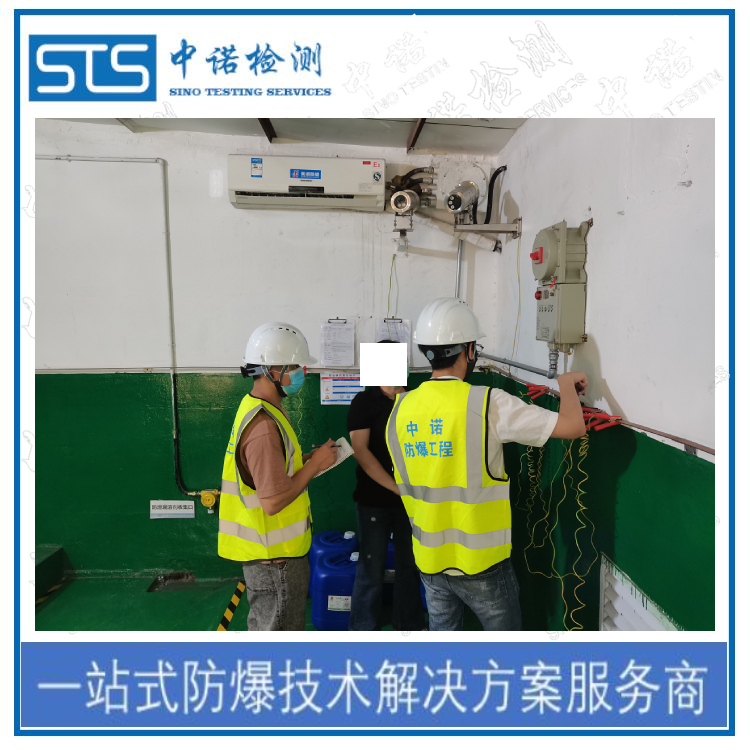
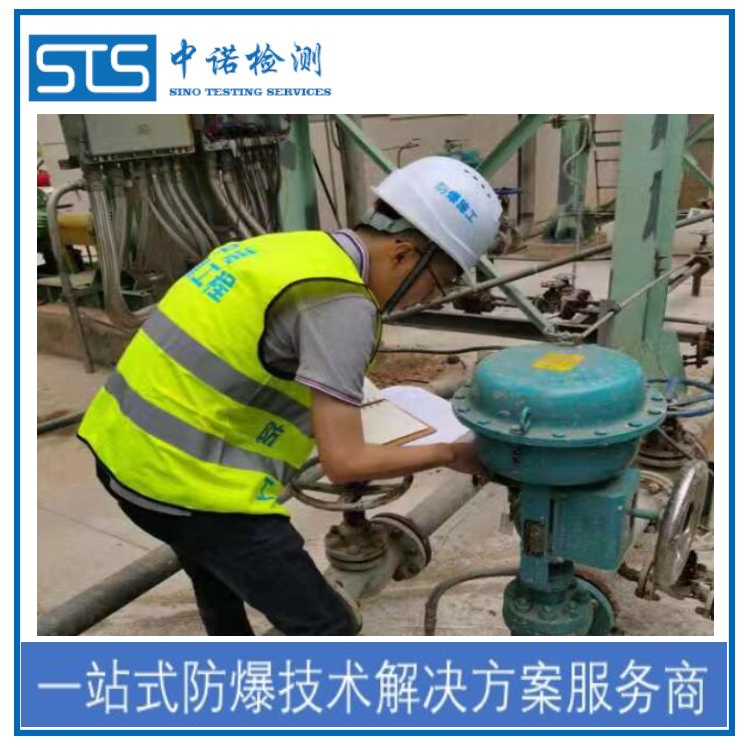



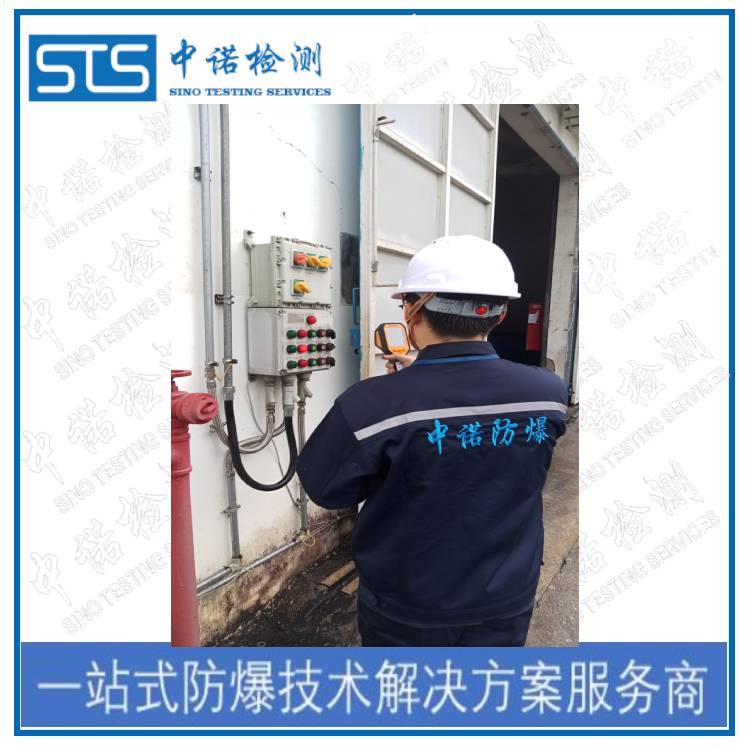
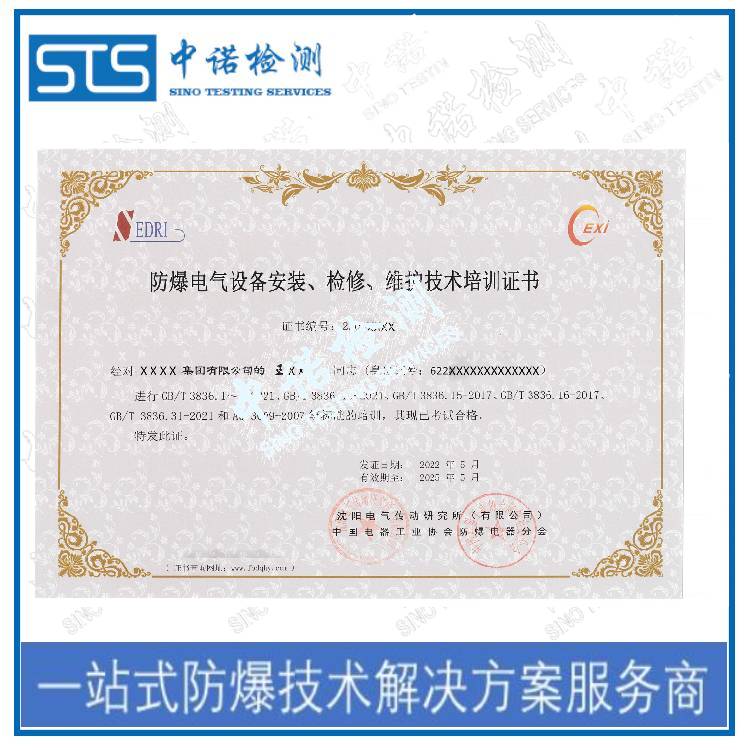

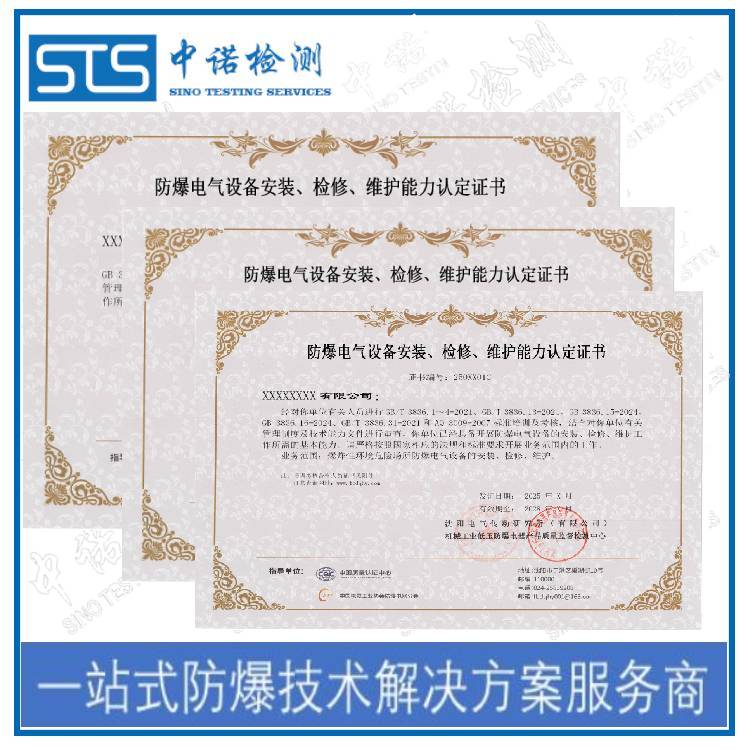





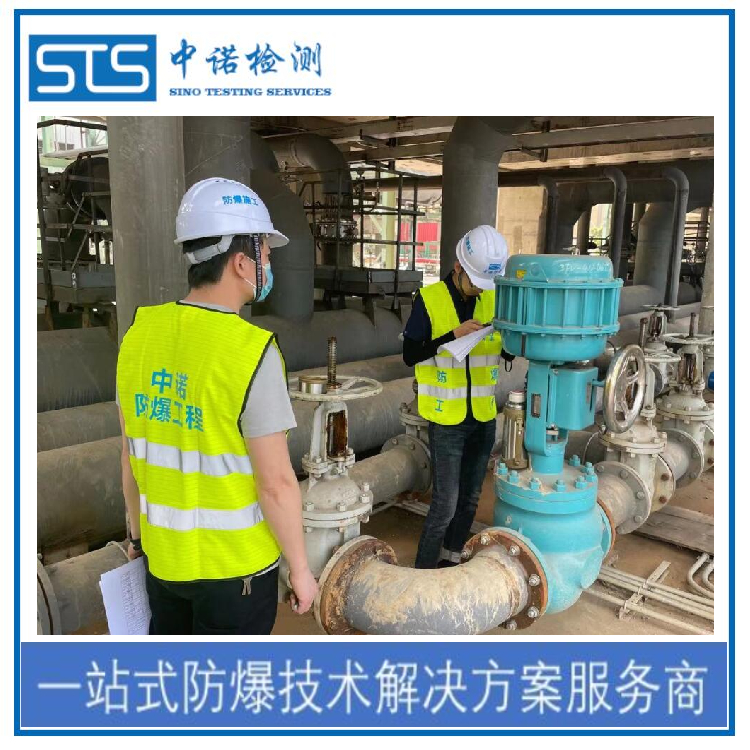
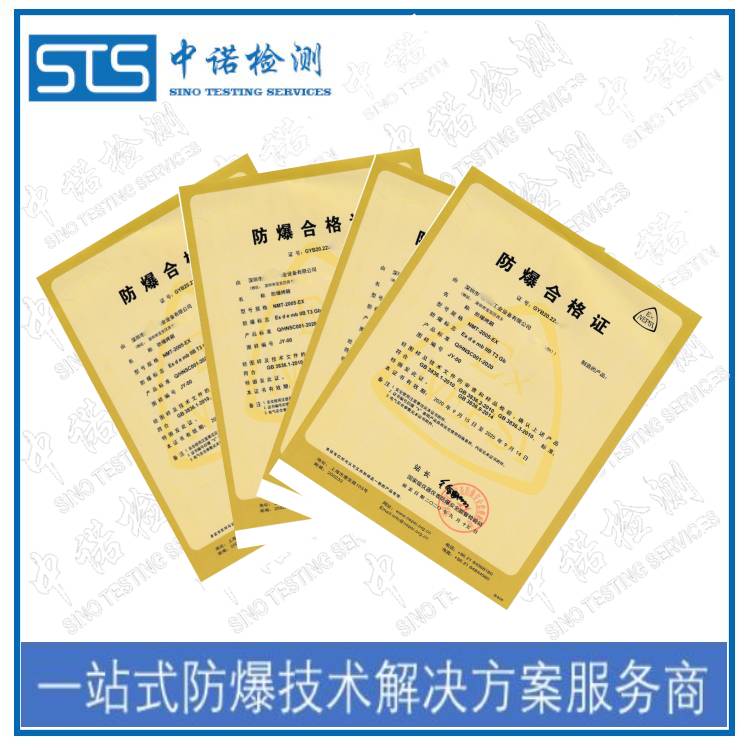
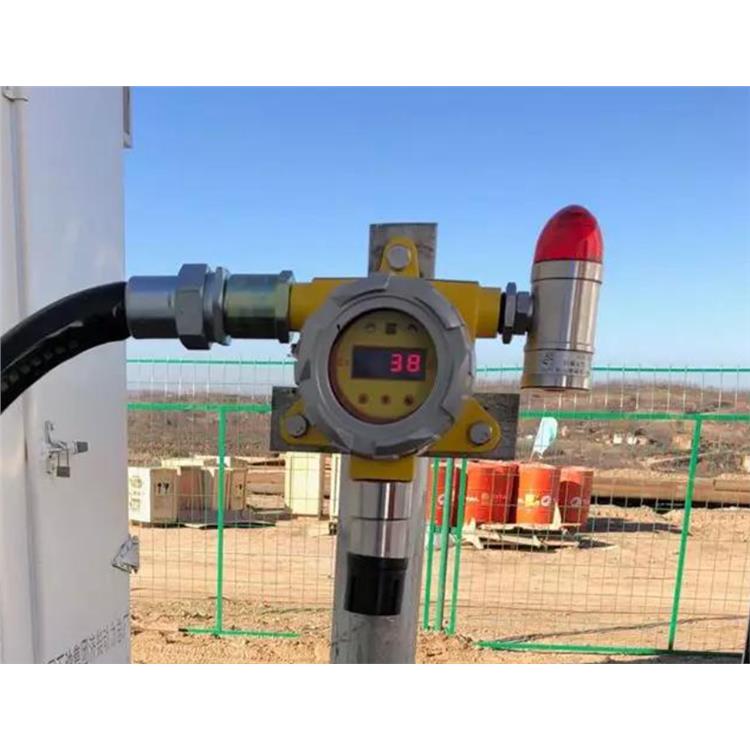
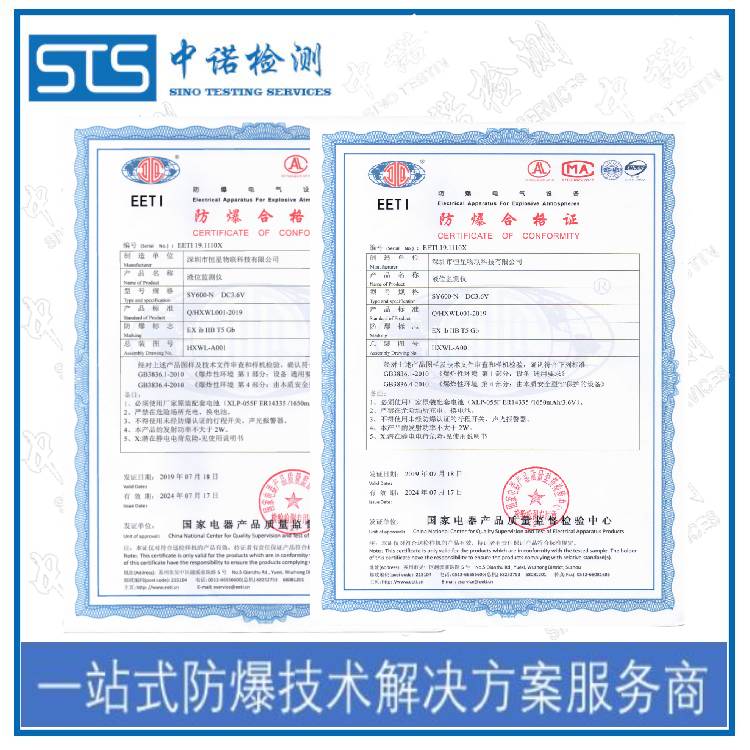
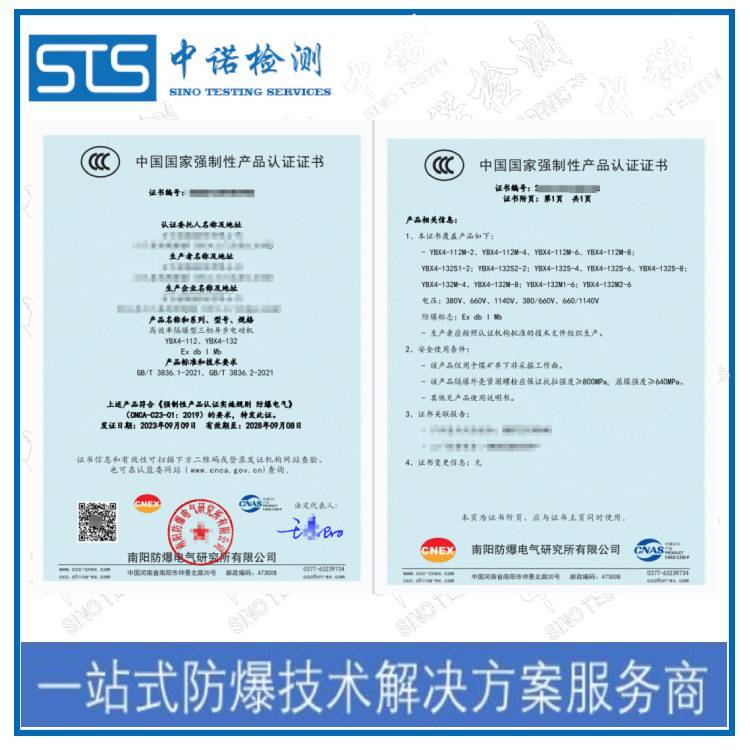

Shenzhen Zhongnuo Inspection Technology Co., Ltd. offers on-site explosion-proof electrical inspection, explosion-proof project acceptance services, and can also provide explosion-proof rectification and construction services for non-compliant items.
Shenzhen ZhongNuo Testing Technology Co., Ltd. summarizes the past experience in explosion-proof electrical equipment inspections, common non-compliance items found during on-site explosion-proof electrical inspections:
Currently, China's hazardous chemical production enterprises are prone to frequent accidents, thus, great emphasis must be placed on safety production inspections. We should gradually explore the safety performance of products and equipment involving personal safety, and step by step, establish their significant role in safety production inspections. Now, safety inspections can provide technical support to hazardous chemical enterprises, particularly the electrical explosion-proof safety inspections, which should be widely promoted, continuously guiding and serving the enterprises in ensuring safe production.
1. Improper design in hazardous areas
Many businesses are constrained by their company history, and at the same time, the production materials are constantly evolving. This results in a rather disorganized demarcation of hazardous areas, with a lack of order. The layout of equipment and facilities fails to meet explosion-proof requirements.
2. Understanding of explosion-proof knowledge is rather weak
In many hazardous chemical enterprises, there is a lack of distinction between electrical explosion-proof safety inspections and fire prevention electrical and building electrical inspections. There is a lack of standardization in temporary power usage, firework operations, equipment replacement, and electrical management systems.
3. Improper installation of explosion-proof electrical equipment
Although many companies now have explosion-proof features in electrical equipment, installation issues are still numerous, such as direct wiring connection of main lines, missing explosion-proof face screws, and using PVC pipes for wiring in incoming and outgoing pipelines. Additionally, the installation of switches and outlets, wiring terminals, power and lighting distribution boxes, grounding systems, and electrical wiring systems is not very rational, with many safety concerns.
4. Explosion-proof electrical wiring routing does not meet requirements
In explosive environments, most businesses currently do not give adequate attention to explosion-proof electrical wiring, fail to correctly understand the technical parameters of hazardous materials in dangerous areas, and often wire randomly.
5. Non-standard grounding of explosion-proof electrical equipment
For explosion-proof electrical equipment grounding, the main types include internal neutral grounding, casing protection grounding, and static electricity grounding. Poor grounding of uninsulated metal casings is common, often resulting in grounding wires being connected to material pipelines.
6. Lack of comprehensive explosion-proof area planning for the location of the power distribution room and control room.
Many electrical control rooms are located within explosion-proof zones without proper precautions in place.
7. Inadequate explosion-proof selection and requirements for explosion-proof electrical equipment
In electrical explosion-proof facilities, there is no distinction between environments with combustible dust and those with explosive gases; they are mixed and used together. Different hazardous areas have their own electrical explosion-proof specifications, explosion-proof markings, and types. Additionally, there are variations in levels and temperature groups. However, many enterprises mix and use explosion-proof electrical equipment without distinguishing these differences.
Dust Explosion Hazardous Area Safety Inspection Specification
GB15577-2018 Dust Explosion Protection Safety Code
GB17440-2008 Grain Processing Industry Dust Explosion Prevention Safety Standard
GB17918-2009 Dust Explosion Prevention Safety Code for Bulk Grain Handling Systems at Ports
AQ4229-2013 Dust Explosion Prevention Safety Code for Grain Vertical Silos
AQ4230-2013 Grain Flat Storage Silo Dust Explosion Prevention Safety Standard
AQ4232-2013 Dust Explosion Prevention Standard for Plastic Production Systems
GB18245-2000 Dust Explosion Prevention Safety Standard for Processing Systems
GB19081-2008 Feed Processing System Dust Explosion Prevention Safety Standard
GB16543-2008 Blast Furnace Injection of Coking Coal Dust Explosion Prevention and Safety Code
GB17269-2003 Dust Explosion Prevention Safety Standard for Aluminum Processing Systems
GB/T 16505-1995 Guide for Dust Explosion Relief
GB/T 17919-2009 Guidelines for Explosion-proof Dust Collectors in Hazardous Dust Explosion Areas
General Guidelines for Preventing Static Electricity Accidents - GB12158-2006
AQ3009-2007 Electrical Explosion-Proof Safety Standard for Hazardous Areas
GB 50058-2014 Code for Design of Power Installations for Explosive and Fire Hazardous Environments
GB50257-2014 Code for Electrical Installation Engineering - Electrical Construction and Acceptance in Explosive and Fire Hazardous Environments
ZhongNuo Inspection's on-site explosion-proof inspection service scope:
Explosive gas environments and hazardous areas with flammable or combustible dust in industries such as oil, chemicals, coal, shipping, ports, marine engineering, gas engineering, pharmaceuticals, machinery, textiles, electricity, light industry, grain processing and storage, and wood processing must ensure explosion-proof safety for dangerous areas to safeguard the prevention of explosions for both our and the national economy's development.
How often is the periodic inspection for explosion-proof electrical equipment conducted?
With the widespread use of explosion-proof electrical appliances, many explosive hazard areas have adopted them. Many end-users believe that as long as explosion-proof electrical appliances are installed in hazardous explosive areas, everything is settled. In reality, many so-called explosion-proof appliances lack valid explosion-proof certificates or have expired or forged ones. There are discrepancies between the markings and the explosion-proof certificates, incorrect selection of explosion-proof types, the misuse of gas and dust explosion-proof electrical equipment, drilling holes in explosion-proof enclosures, long-term corrosion, high temperatures, and intense vibrations. According to the AQ 3009-2007 "Electrical Safety and Explosion Proof Code for Hazardous Areas" standard for electrical appliances in use, it is stipulated that explosion-proof electrical appliances in use should be inspected at least once every 3 years by a testing center with professional explosion-proof qualifications for their performance, installation, and maintenance, and necessary corrective actions must be taken promptly for any non-compliance items. The inspection report and corrective measures must be filed with the safety supervision and management department. Conducting on-site explosion-proof inspections of electrical appliances in use is not only a requirement of the safety production department but also a reflection of a company's emphasis on its own life and property safety.
ZhongNuo Inspection has provided on-site explosion-proof inspections and renovation services for various facilities such as gas stations, oil depots, food factories, feed mills, and chemical plants, boasting a wealth of successful cases and industry experience.
If you happen to need a report for on-site explosion-proof electrical inspections, feel free to message us for a detailed discussion.
On-Site Explosion-Proof Electrical Equipment Regular Inspection Consultancy Service - Shenzhen ZhongNuo Inspection Technology Co., Ltd.
WeChat Official Account

Scan to follow Official Account