






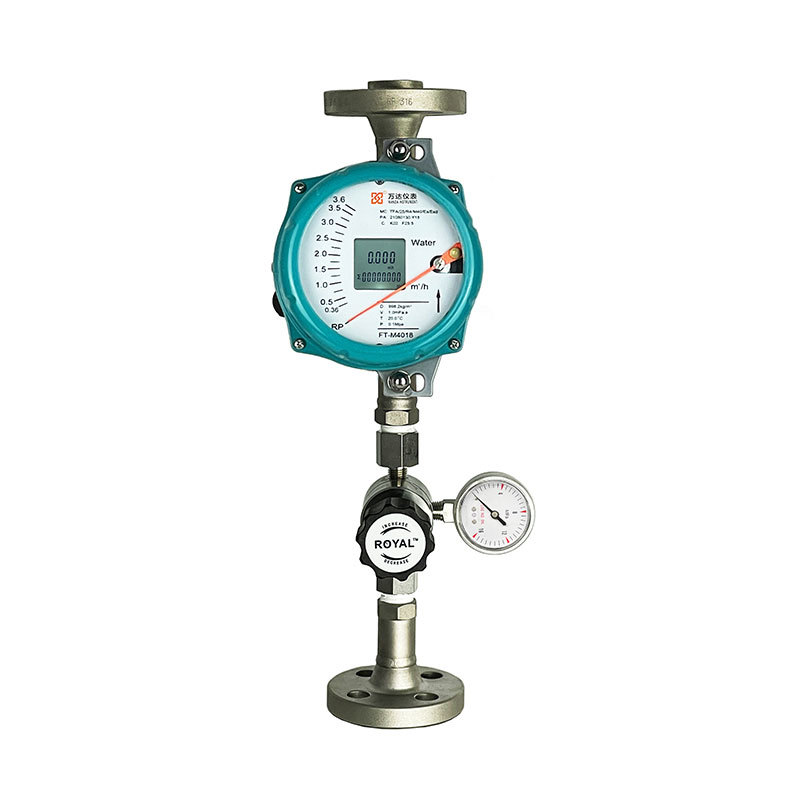
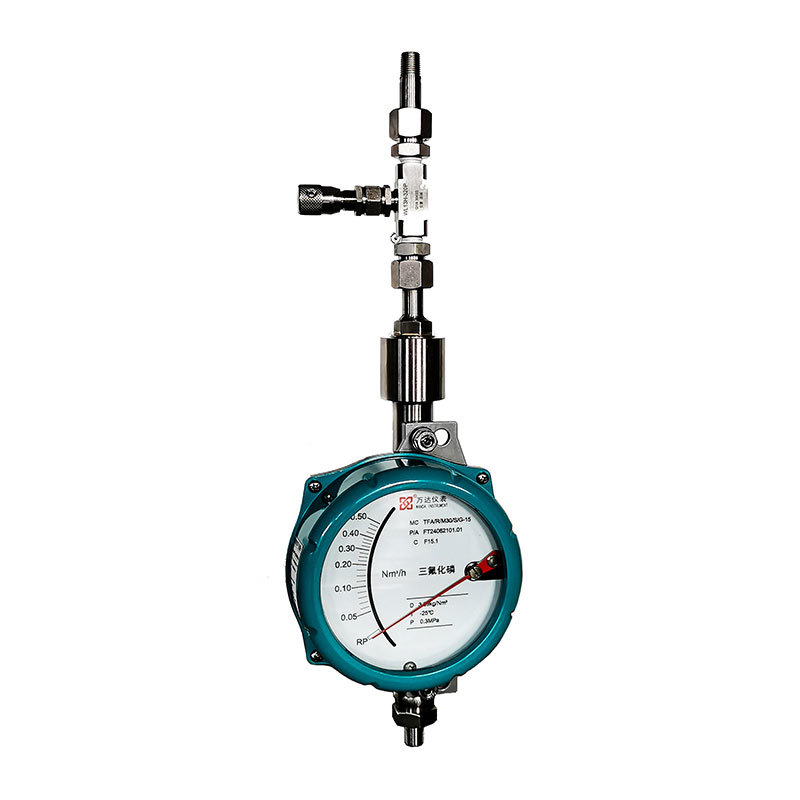
One,Horizontal Inline Metal Tube Float Flow MeterBrief introduction
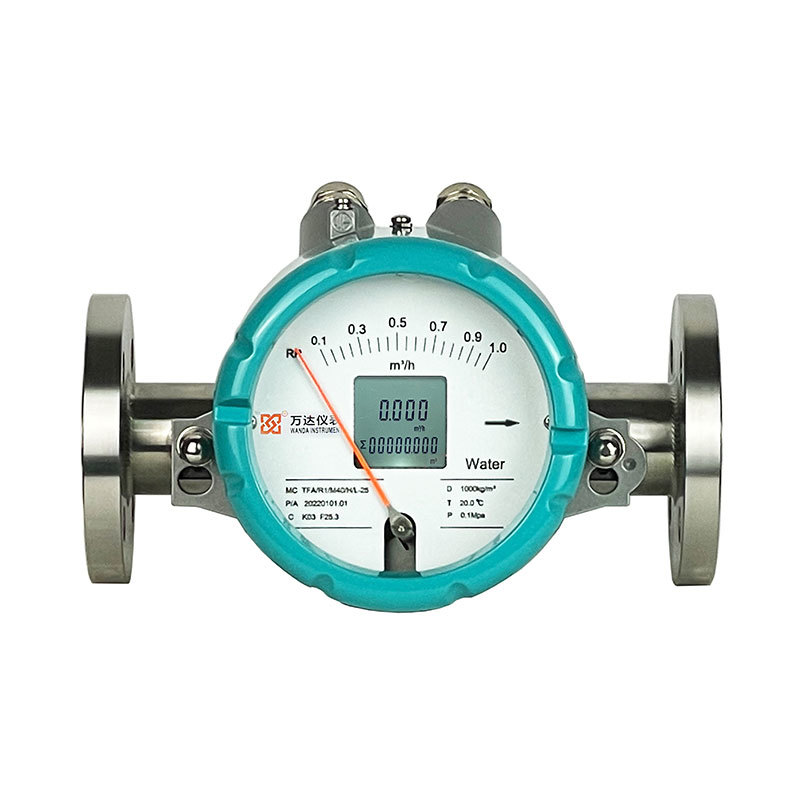
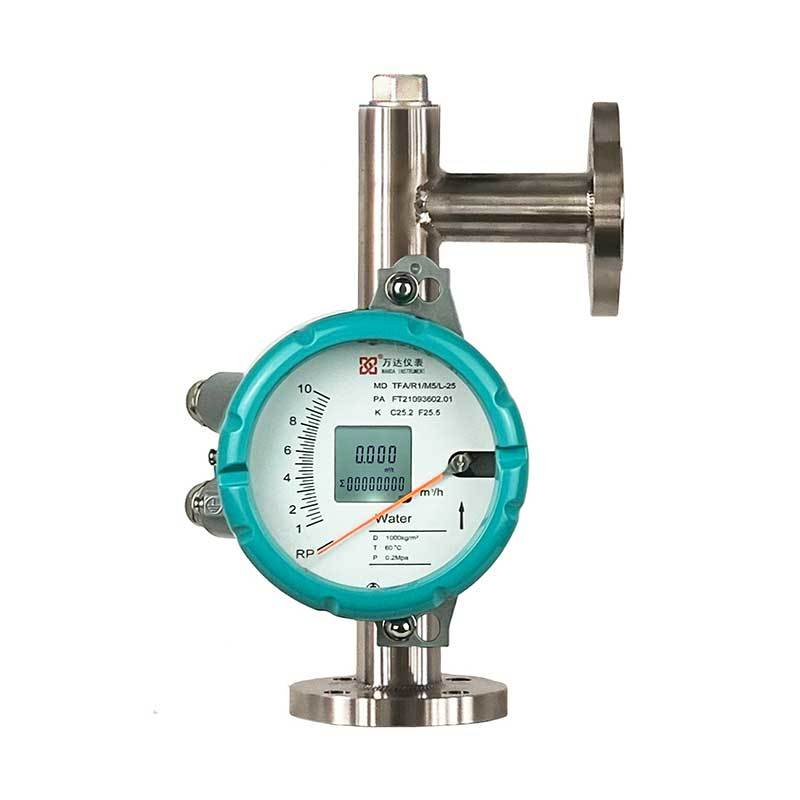
Horizontal in-line type metal tube float flow meterFluid inlet and outlet direction is left-in-right-out. The sensor material is standard 304 stainless steel (optional 316 or 316L). The indicator in the photo is a local pointer type. For horizontal flowmeters with a diameter ≤ DN50, a common T-type structure is used. The indicator can be selected from other types based on site requirements.
Horizontal in-line metal tube float flowmeterOverview
Horizontal Inline Metal Tube Float Flow MeterA commonly used variable area flowmeter in industrial automation process control. It features a compact size, wide measurement range, and ease of use. It is suitable for measuring the flow of liquids, gases, and steam, particularly for low flow and low-volume applications. Over the years, the metal tube float flowmeter has been widely applied in industries such as petrochemicals, steel, electricity, metallurgy, light industry, food, pharmaceuticals, and water treatment, thanks to its excellent performance, reliability, and favorable price-performance ratio.
Flow Meter Type:
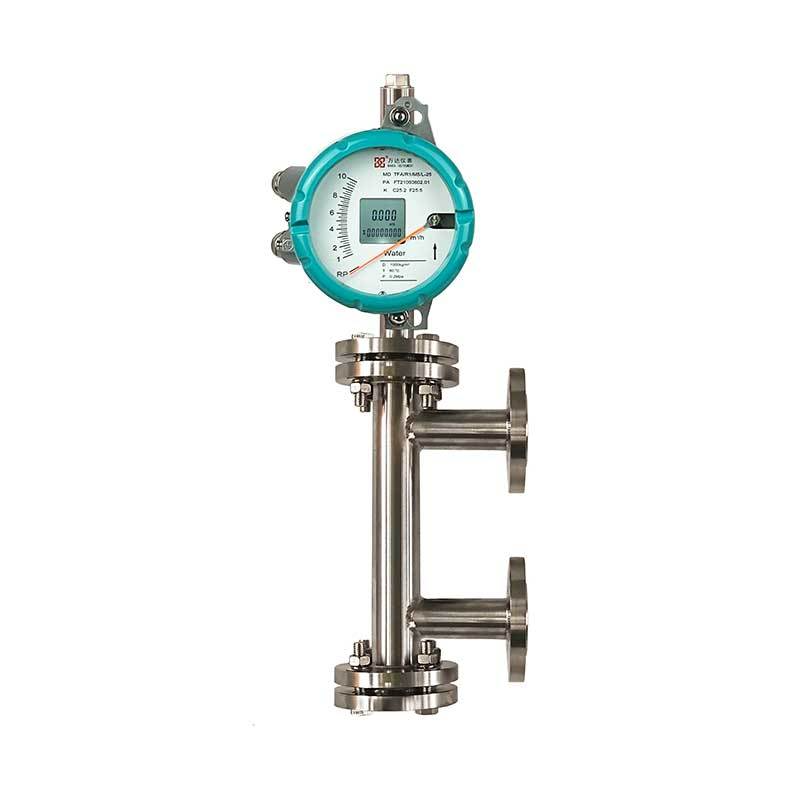
Level-indicating Type Metal Tube Float Flow MeterComprised of a measuring tube (sensor) and an indicator (electronic converter), various complete units can be assembled by selecting different types of measuring tubes and indicators, to meet on-site requirements.
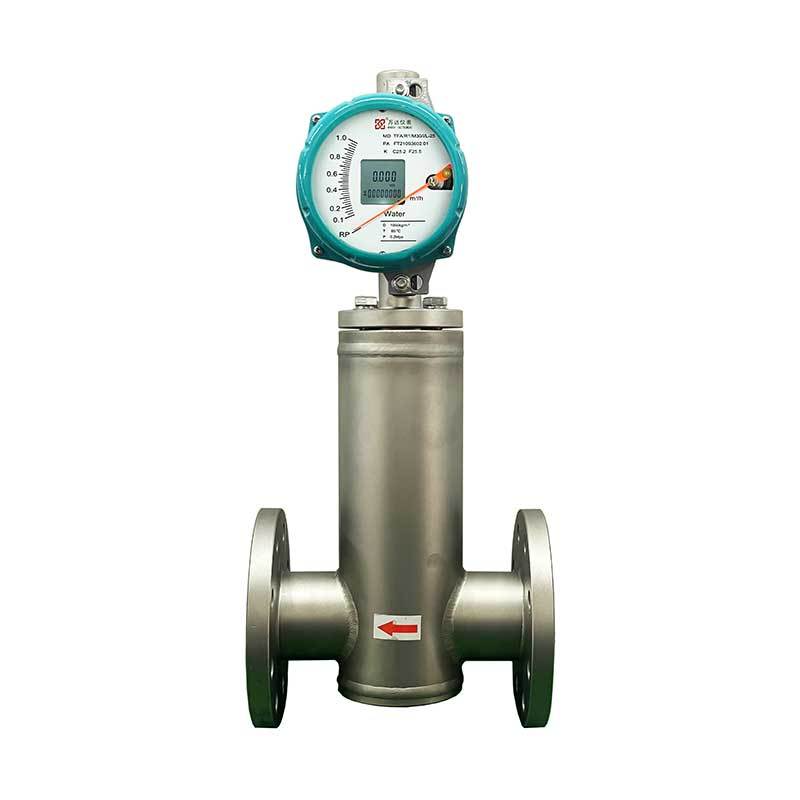
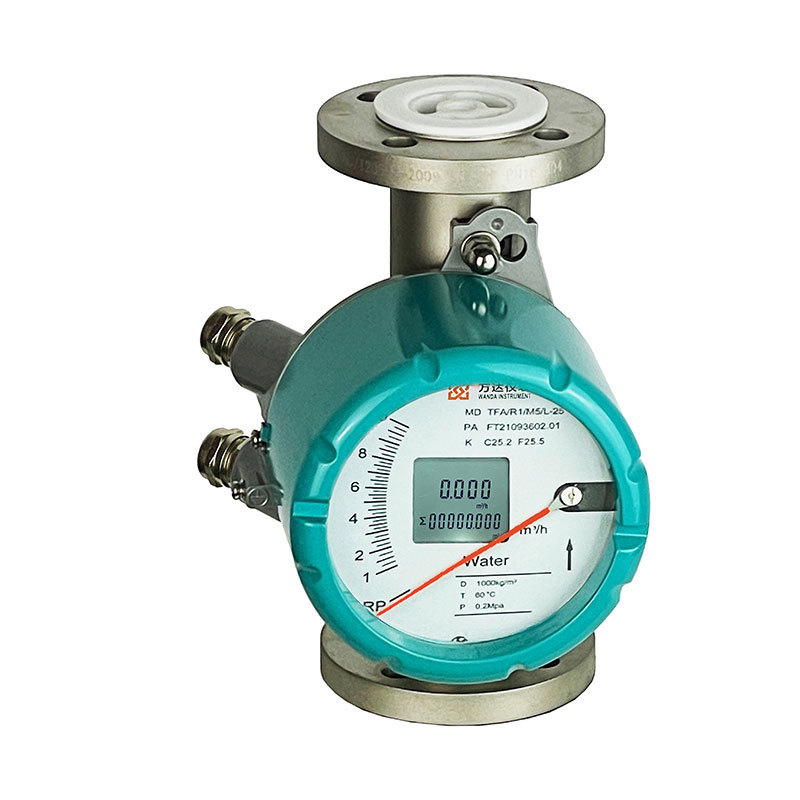
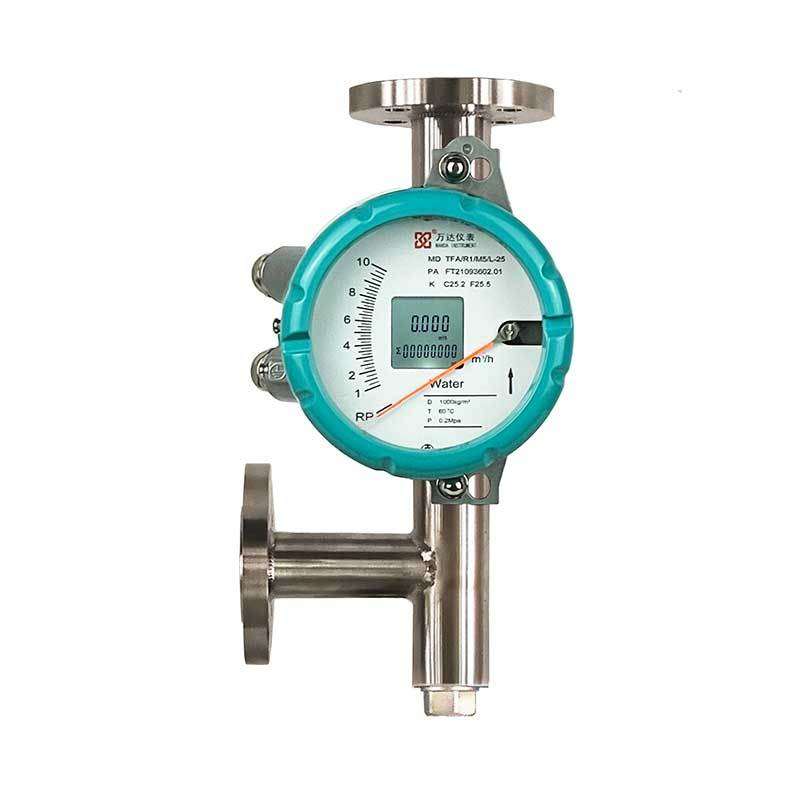
Horizontal In-Line Metal Tube Float Flow MeterThe products are divided into five types based on the direction of fluid entry and exit: vertical, horizontal (further divided into horizontal T-type and horizontal spring-type), bottom entry-side exit, side entry-side exit, and side entry-top exit types. Each type includes standard, high-temperature, and jacketed models. For diameters less than or equal to DN50, T-type structures are selected; for diameters greater than DN50, spring structures are used.
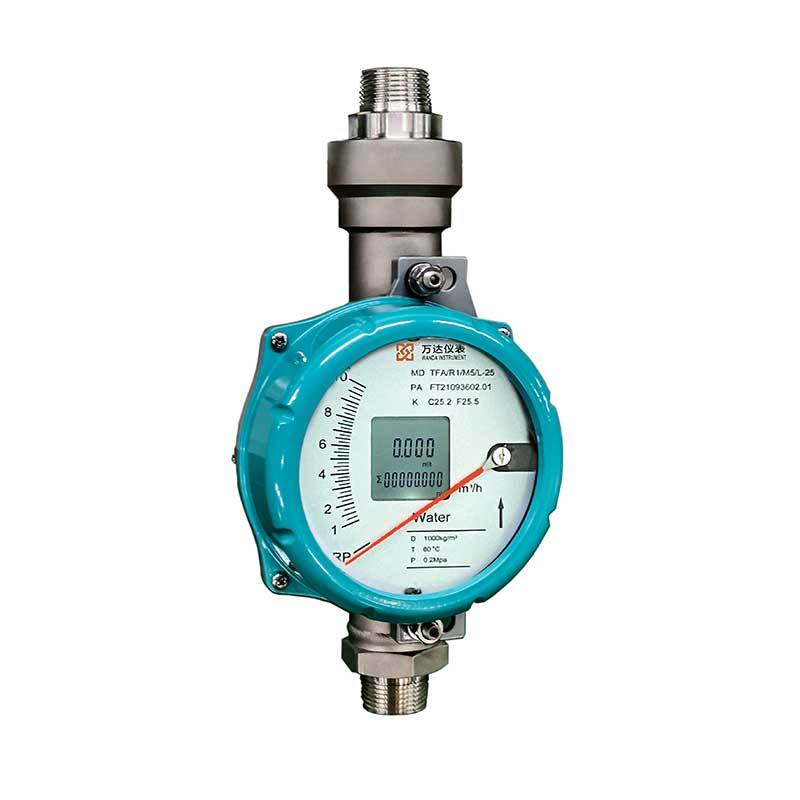
Flowmeter Connection Specifications: The TF series metal tube float flowmeter standard model adopts the GB/T9119-2000 flange standard, and flange standards can be customized according to customer requirements; both threaded and clamp connection methods are also available.