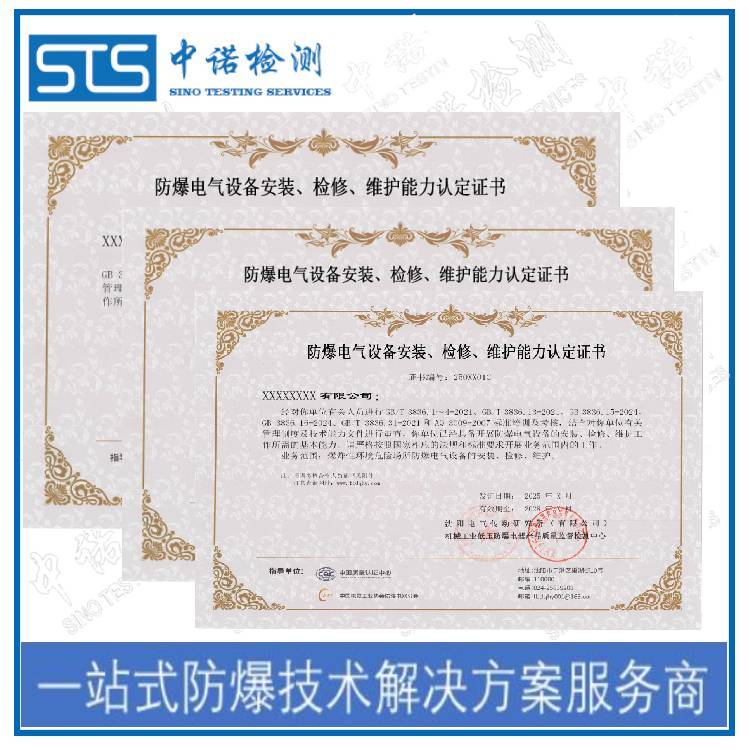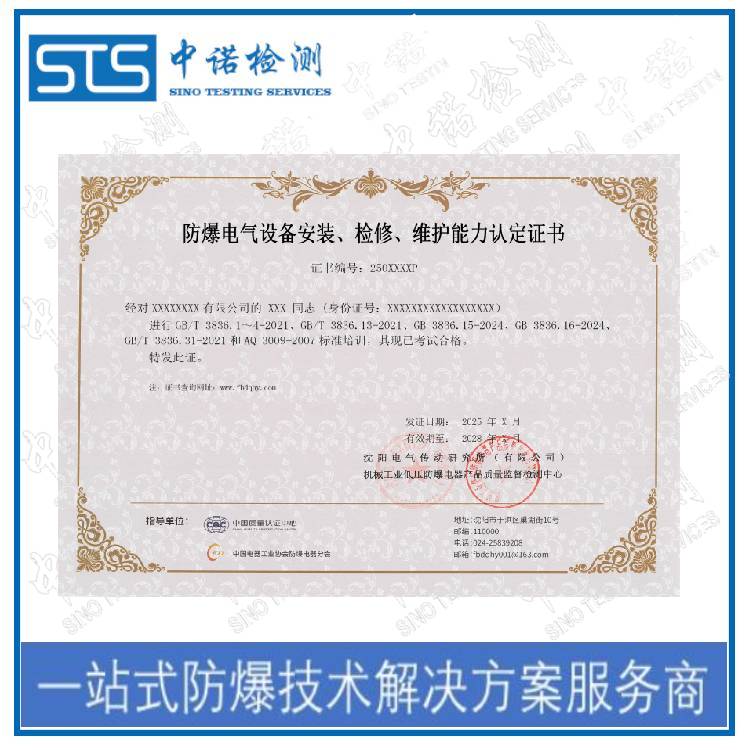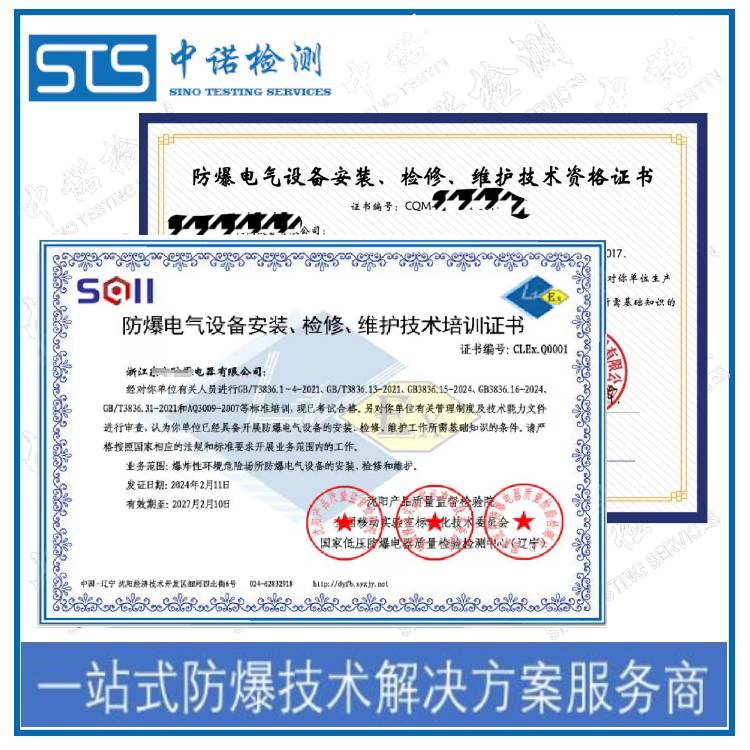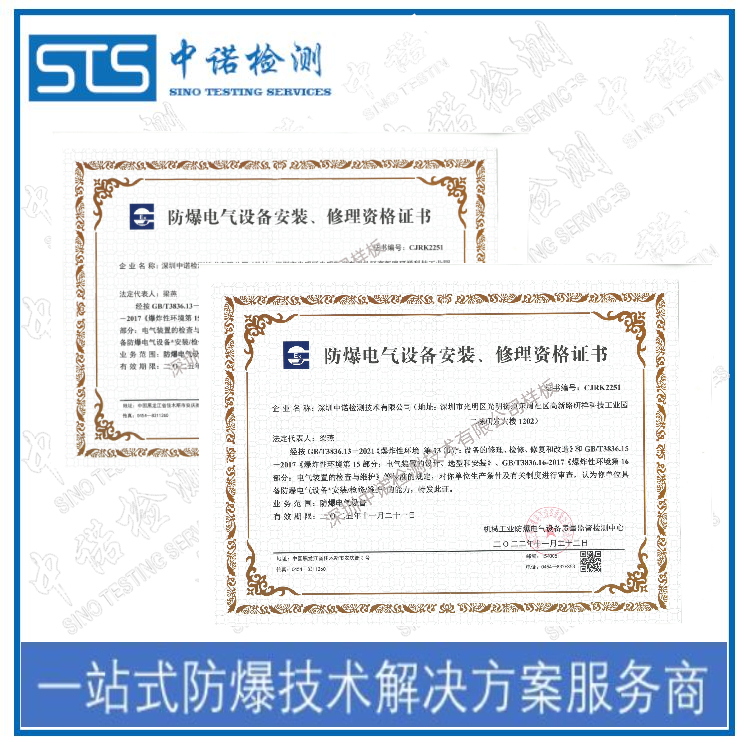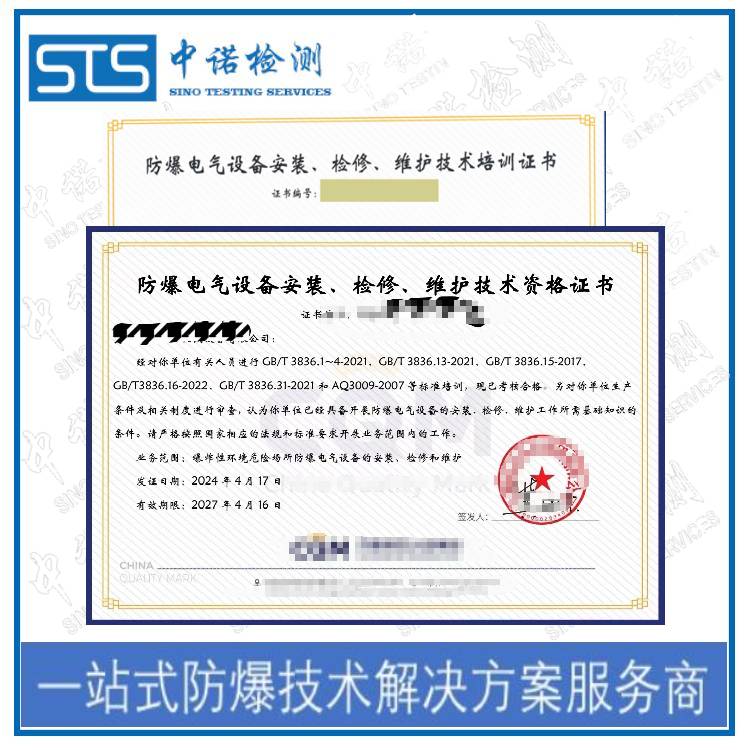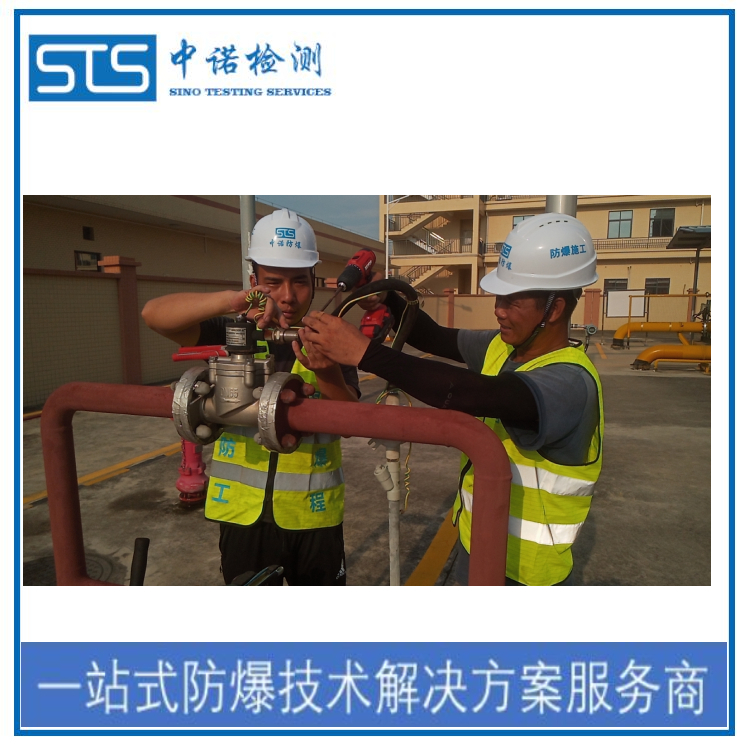

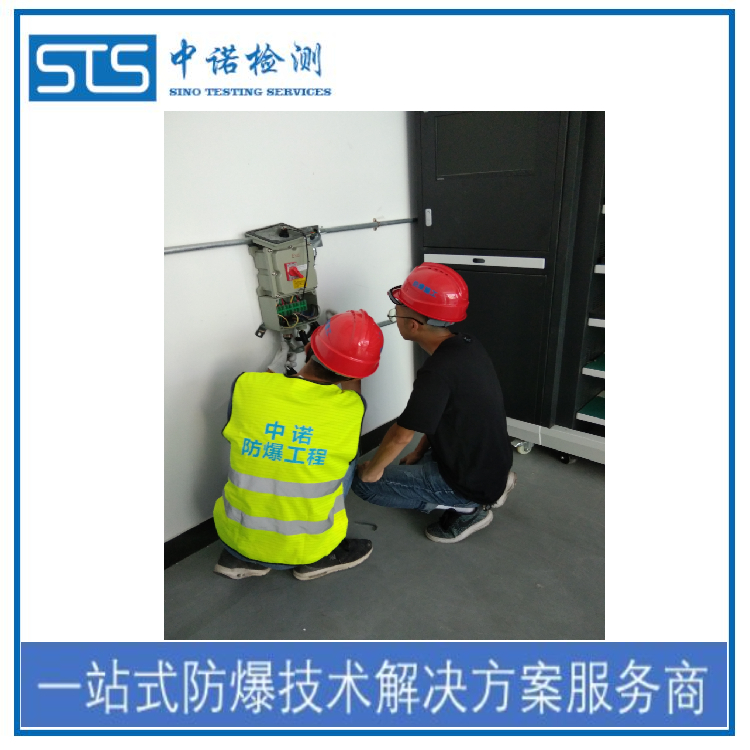
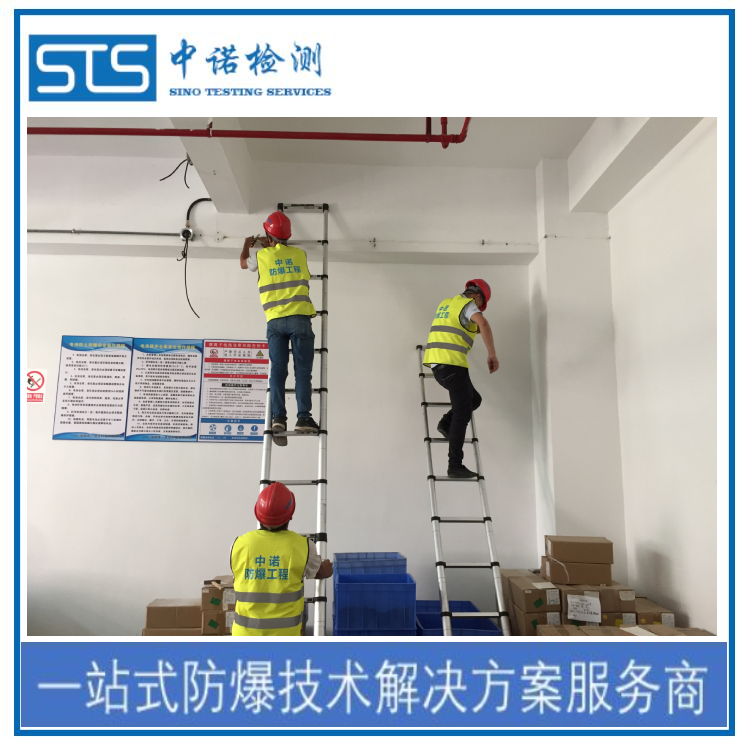


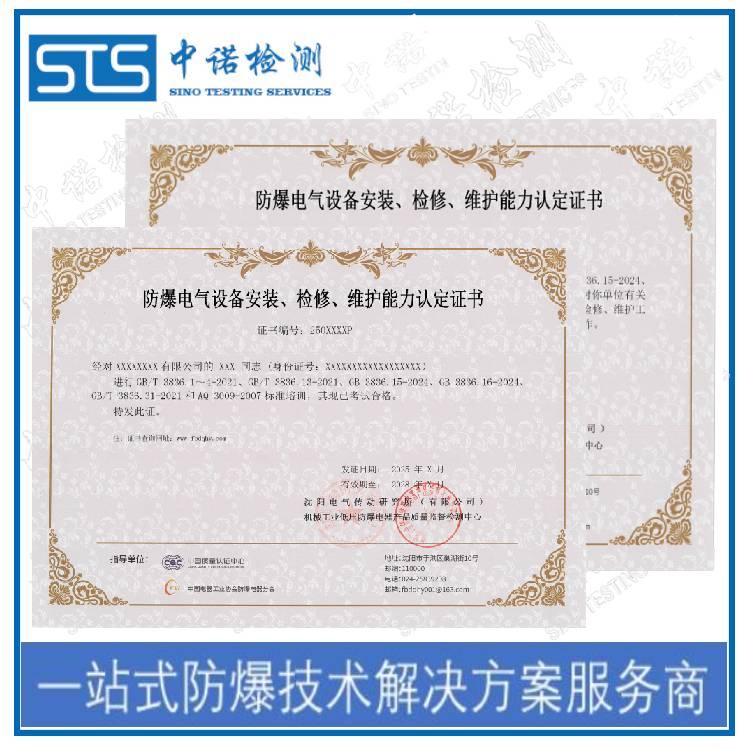
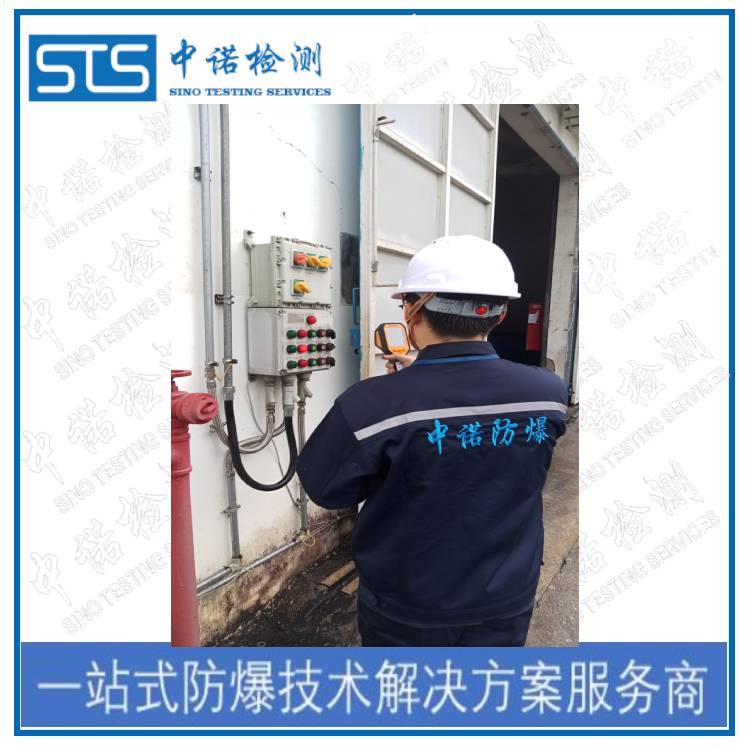
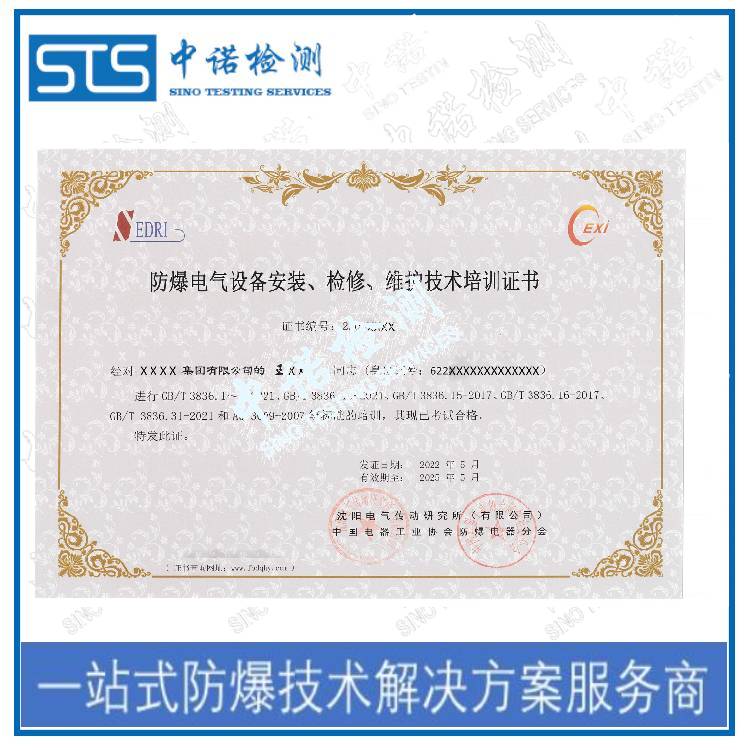
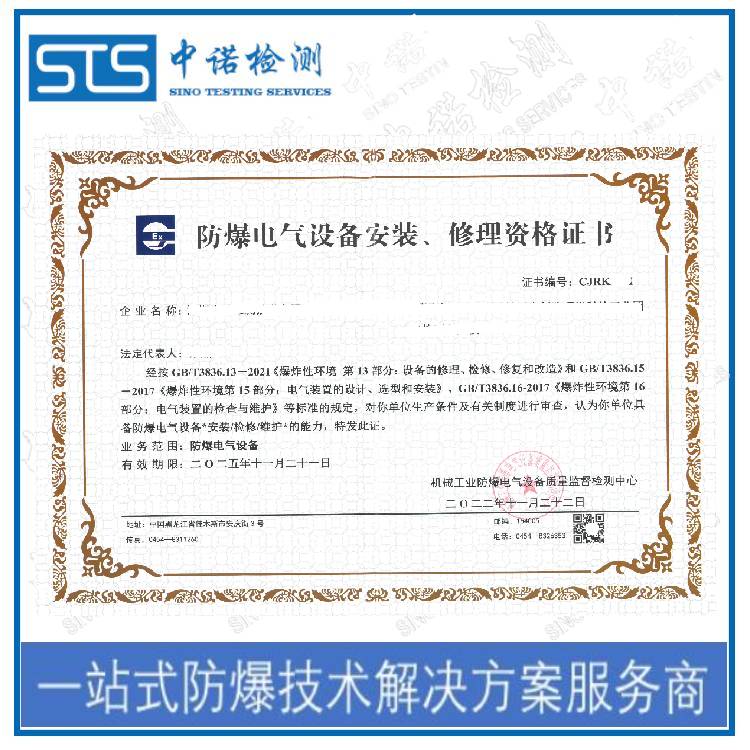
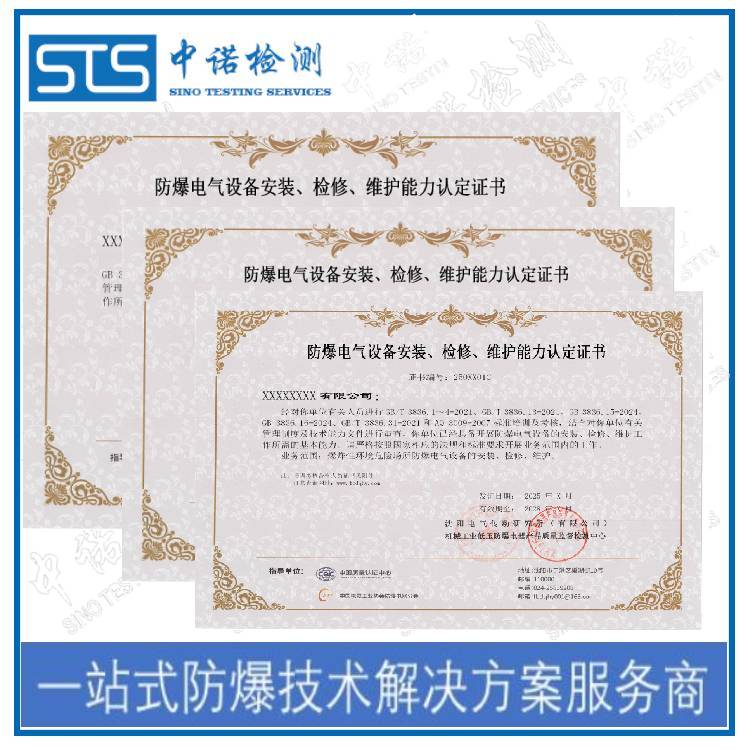





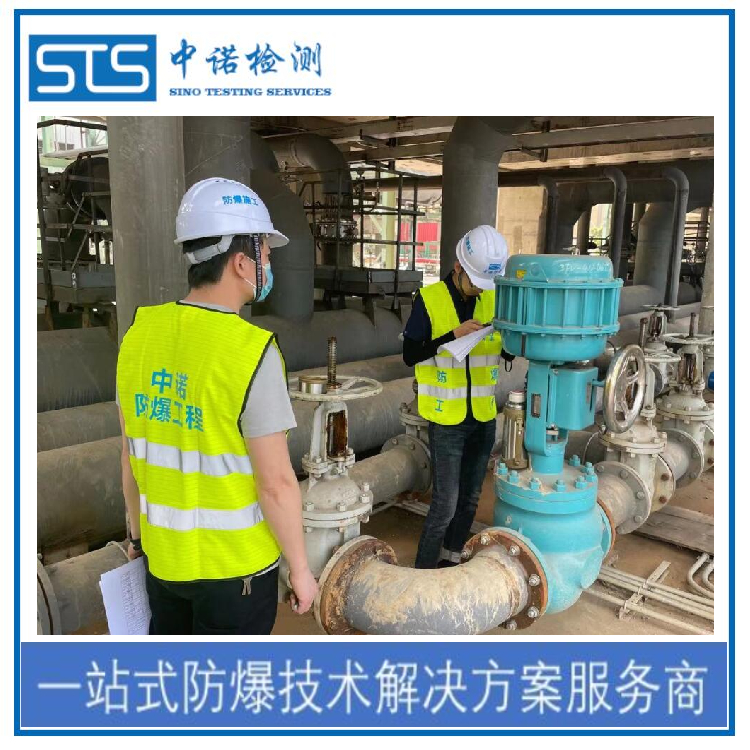
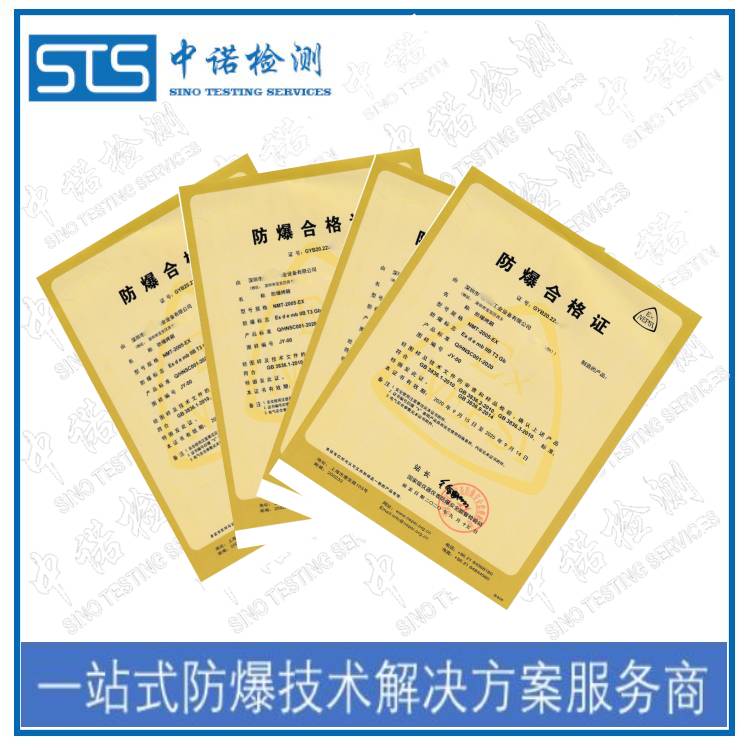
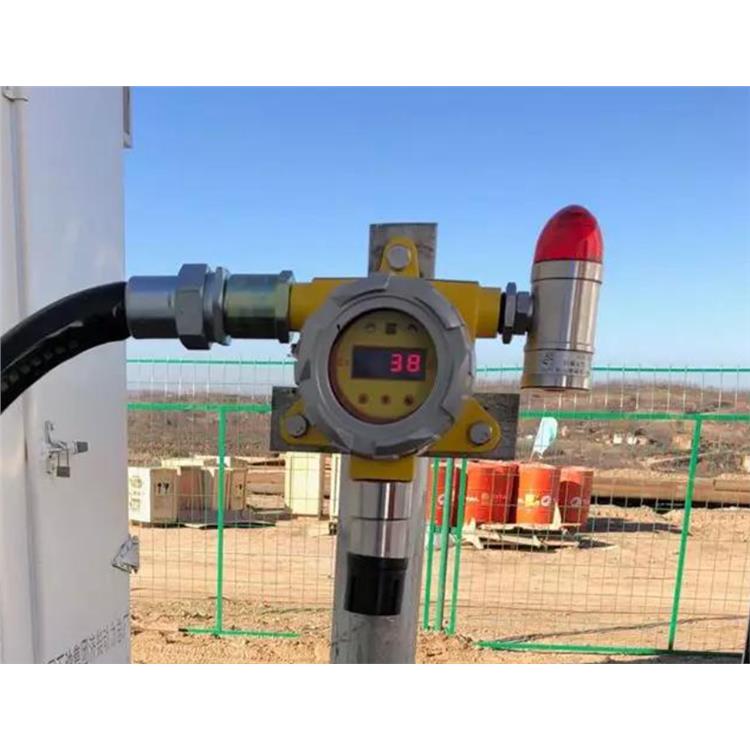

Shenzhen ZhongNuo Testing Technology Co., Ltd. is based in South China, offering explosion-proof construction, safety inspections, renovations, project acceptance, and installation services. We are well-versed in explosion-proof construction standards, with experienced teams and a wealth of construction experience. We have served major corporations such as PetroChina, LG, Huanlan Environment, BOE Technology Group, and Sinovac Biotech, receiving consistent praise and trust from our clients!
Basic Dust Explosion Proof Construction Standards
In facilities where explosive dust is present, such as flour mills, feed factories, grinding workshops, and plastic production plants, the requirement for explosion-proof measures on-site is particularly critical. The installation and use of explosion-proof wiring, electrical equipment, dust removal systems, structural layout, and explosion-proof venting must all comply with relevant dust explosion-proof standards. Based on a wealth of explosion-proof electrical construction and modification cases, Shenzhen Zhongnuo Testing Technology Co., Ltd. has summarized the following points:
4. Explosion-proof electrical equipment
Electrical equipment used in dust explosion hazard areas shall comply with the relevant standards of GB/T3836. The power design should be executed in accordance with the provisions of GB50058. Explosion-proof electrical equipment should be selected based on the grade of the explosion hazard area and the category, level, and group of the explosive hazardous substances.
(1) Options for explosion-proof electrical equipment. Dust explosion-proof electrical equipment with dust-tight construction is used in explosive dust environments, including Zone 20 in the 20区的explosive dust environment and Zone 21 in other explosive dust environments, besides the 21区的environment with combustible non-conductive dust and combustible fibers, which uses dust-protection electrical equipment with dust-proof structure. Different electrical equipment with varying ignition temperatures is selected based on the different ignition temperatures of the dust.
(2) Galvanized Welded Steel Pipe for Low-Pressure Fluid Transportation
(3) Connections between steel pipes, steel pipes and electrical equipment, and steel pipe accessories should be made using threaded connections. Soldered sleeve connections are not permitted, and the following requirements must be met: The threading should be smooth, complete, and free of corrosion. Power compound grease or conductive anti-rust grease should be applied to the threads. Do not wrap the threads with hemp or insulating tape, nor apply other paints. Steel pipes with a diameter of 25mm or less should have at least 5 threads, and pipes with a diameter of 32mm or more should have at least 6 threads.
(4) Flexible explosion-proof conduits should be installed at the following locations: at the motor's entry terminal, where direct connection between the conduit and electrical equipment is difficult, and where the conduit passes through the expansion joints and settlement joints of the building.
(5) It is not advisable to use portable electrical equipment in Zones 20, 21, and 22. If portable electrical equipment must be used, YC or YCW rubber cables should be selected for the wiring.
AQ3009-2007 "Electrical Explosion-Proof Safety Code for Hazardous Areas" categorizes dust explosion areas into 20 zones, 21 zones, and 22 zones.
5. Ventilation and dust removal
(1) It is advisable to set up a dust removal system with opposing sections according to the process.
(2) All dust-generating points should be equipped with dust collectors
(3) There should be no dust settling in the ductwork.
(4) Baghouse dust collectors should be used, with preference given to external filter types.
(5) Dust collectors should be installed outdoors. If installed indoors, the explosion relief pipe should directly lead to the outside, with a length less than 3 meters, and a flame arrester should be set based on the dust properties.
(6) It is advisable to install isolation valves at the inlet and outlet of the dust collector and install a temperature monitoring device.
(7) Pulse-jet bag dust collector should use nitrogen, carbon dioxide, or other inert gases as the cleaning gas source.
Fire Protection
(1) Select the appropriate fire extinguisher based on the physical and chemical properties of the dust.
(2) During extinguishing, prevent dust from being lifted to form a dust cloud.
(3) If the combustible material generates explosive gas when in contact with water, do not use water to extinguish the fire.
7. Job Safety
When dust clouds can be ignited by sparks produced from collisions, measures should be taken to prevent collisions from occurring. Additionally, explosion-proof tools should be used during maintenance.
(2) Do not use rotating grinding wheels and rotating cutting disks for grinding and cutting without equivalent protection measures to open flame operations.
(3) All production workshops and storage rooms where dust may accumulate should be cleaned promptly.
(4) Do not use compressed air to sweep down the well.
(5) In the workplace, production staff should not wear synthetic fiber garments or pants that are close-fitting.
Basic Standards for Explosion-Proof Electrical Construction (Shared by Shenzhen Zhongnuo Testing Technology Co., Ltd.)
Explosion-proof electrical construction differs from standard electrical construction due to the increased explosion-proof requirements of its environment. In accordance with industry standards, an explosive environment is defined as one where a mixture of air with gases, vapors, mist, or dust is formed under atmospheric conditions, and upon ignition, the combustion can spread to the entire unburned mixture. An area where a large or expected number of explosive gas environments or flammable dust environments necessitates special preventive measures for the structure, installation, and use of electrical equipment is called a hazardous area. Explosion-proof electrical construction refers to a task that meets the requirements for explosion-proof electrical equipment, conditions, and personnel, and involves working in explosive environments and hazardous areas, emphasizing strength.
Shenzhen Zhongnuo Testing Technology Co., Ltd. offers explosion-proof construction services for hazardous areas involving explosive risks.
1. Explosion-proof site inspection and consultation
2. Explosion-proof construction and renovation on-site
3. Explosion-proof Construction Acceptance
4. Explosion-proof electrical installation, maintenance, and renovation
5. Explosion relief walls, doors, and windows installation
6. Dust Removal Equipment Installation and Renovation Construction
Based on the fundamental requirements of GB 15577 "Safety Code for Dust Explosion Prevention," in the construction and renovation of explosion-proof measures in dust explosion environments, the following five major explosion-proof steps can be primarily adopted (shared by Shenzhen ZhongNuo Testing Technology Co., Ltd.).
Anti-knock
1. Definition: A confinement technique that allows the enclosed space to withstand the explosive pressure when an explosion occurs within, due to the presence of combustible dust and gaseous oxidizers or air, ensuring the integrity of the enclosure is maintained.
2. Objective: By enhancing container wall thickness and improving materials, external damage is minimized even in the event of a dust explosion.
3. Basic Requirements:
When producing and handling powders that can cause explosions, if there is no explosion suppression device or pressure relief measures, all process equipment should be designed to be explosion-proof and capable of withstanding the overpressure generated by internal explosions without bursting.
(2) The connection parts between different process equipment (such as pipes, flanges, etc.) should have the same strength as the equipment itself. For connections between high-strength and low-strength equipment, explosion-proof devices should be installed.
(3) Equipment with explosion-proof pressure and explosion-proof pressure impact resistance should comply with the requirements of GB/T 24626.
2. Bursting Disc
1. Definition: A containment explosion suppression technique that allows the high temperature, high-pressure combustion products, and unburned materials generated by an explosion within the containment structure to be released through pre-set weak points to a safe direction before the explosion pressure reaches the containment structure's limit strength, thus preventing the structure from being destroyed.
2. Purpose: To reduce explosion losses by installing explosion relief devices.
3. Methods: Two types of explosion relief - flameless and flame-assisted.
4. Basic Requirements:
When the strength of the process equipment is insufficient to withstand the overpressure generated by internal dust explosion under actual working conditions, explosion relief ports should be installed. The relief ports should be directed towards a safe direction, and their dimensions should comply with the requirements of GB/T 15605.
(2) Dust explosion hazard process equipment installed indoors should be vented to a safe outdoor direction through pressure relief ducts. The pressure relief ducts should be as short and straight as possible, with a cross-sectional area not less than that of the relief opening, and their strength should not be less than that of the container protecting the equipment.
(3) For equipment within the room that cannot vent explosive gases outdoors through a pressure relief conduit, flameless explosion venting caps should be installed.
(4) Process equipment with inline piping shall be designed to withstand at least 0.1 MPa of internal overpressure.
3. Explosion Suppression
1. Definition: During the initial stage of an explosion, extinguish the flames and suppress (prevent) the development of dust explosion through physical and chemical action.
2. Purpose: To preemptively detect and extinguish fires, and suppress explosions by setting up explosion suppression devices.
3. Basic Requirements:
Process equipment with a risk of dust explosion should be protected with explosion suppression devices.
(2) If a monitored explosion suppression device is used, it should comply with the requirements of GB/T 18154.
(3) Design and application of explosion suppression systems should comply with the requirements of GB/T 25445.
4. Explosion-proof
1. Definition: Technology used to prevent the spread of an explosion after its occurrence through physical and chemical actions.
2. Purpose: To prevent the spread of flames through pipes or other passages
3. Basic Requirements:
(3) Equipment and facilities with dust explosion hazards that are interconnected by pipelines should be equipped with explosion-proof devices on the pipelines.
(2) Equipment and facilities with a dust explosion hazard, interconnected by pipelines, should ideally be equipped with explosion-proof devices. The shutdown direction should align with the direction of the explosion propagation.
Five: Inertizing
For processes such as crushing, grinding, drying of powders, and pneumatic conveying through pipelines in enclosed containers, inert gases like nitrogen, carbon dioxide, halogenated hydrocarbons, argon, helium, and steam, or inert dusts such as fire extinguishing powder, chemical dry powder, and mineral rock powder are introduced. This is to dilute combustible components and reduce the oxygen content in the environment.
Explosion-proof electrical retrofitting and on-site explosion-proof construction consulting services for hazardous areas—Shenzhen Zhongnuo Testing Technology Co., Ltd.
WeChat Official Account

Scan to follow Official Account