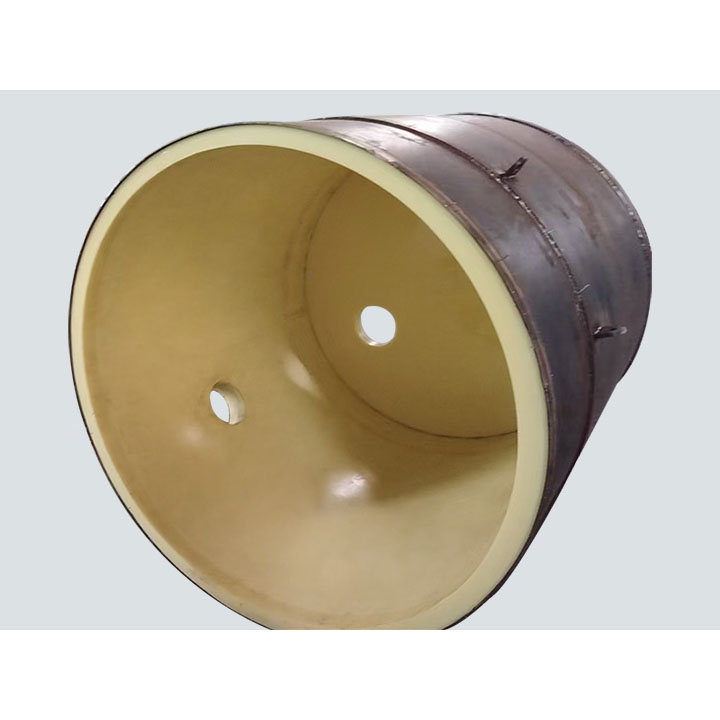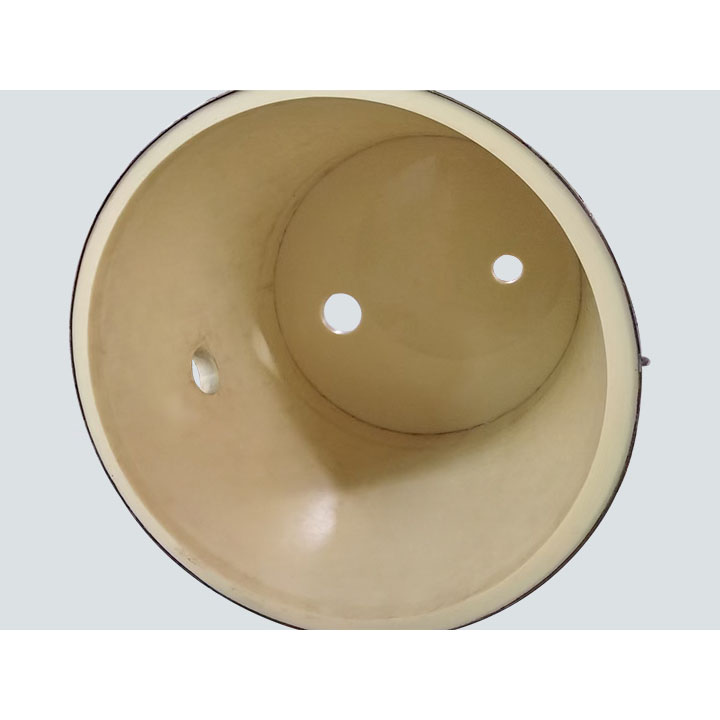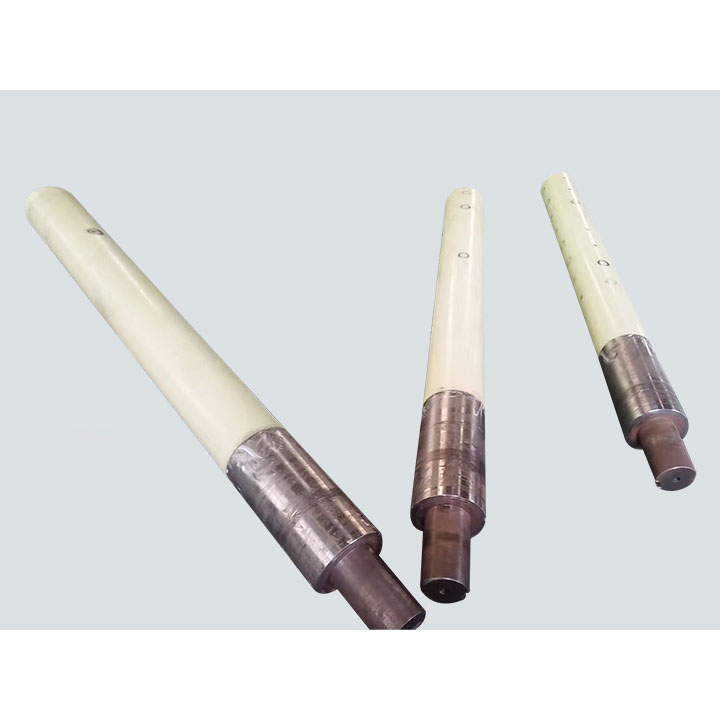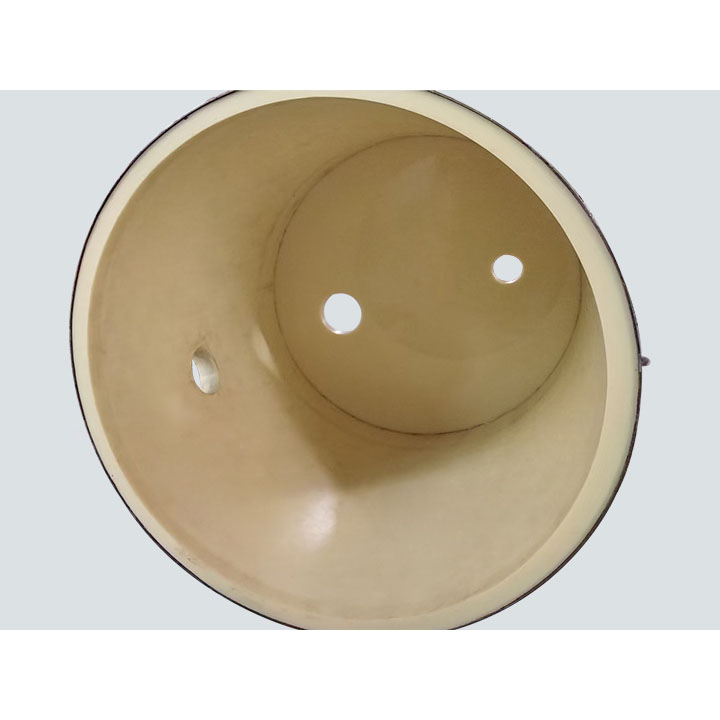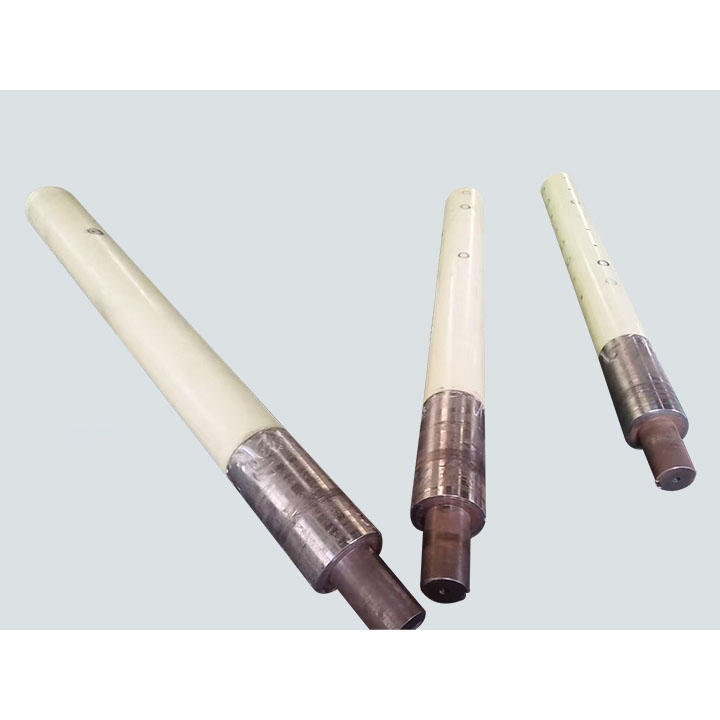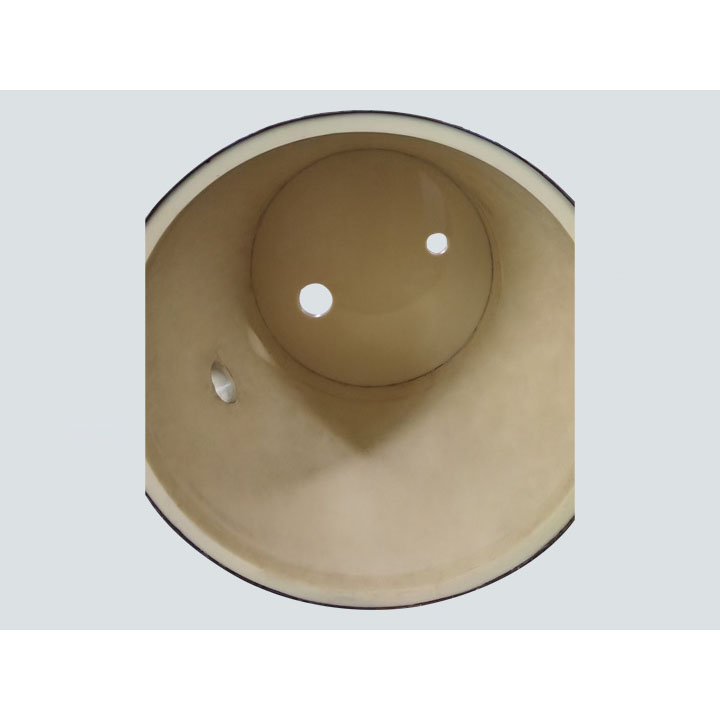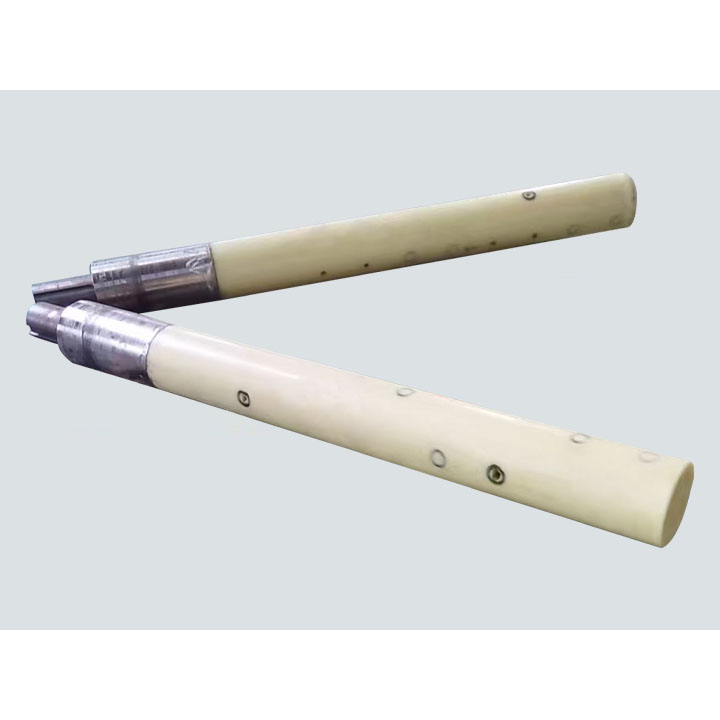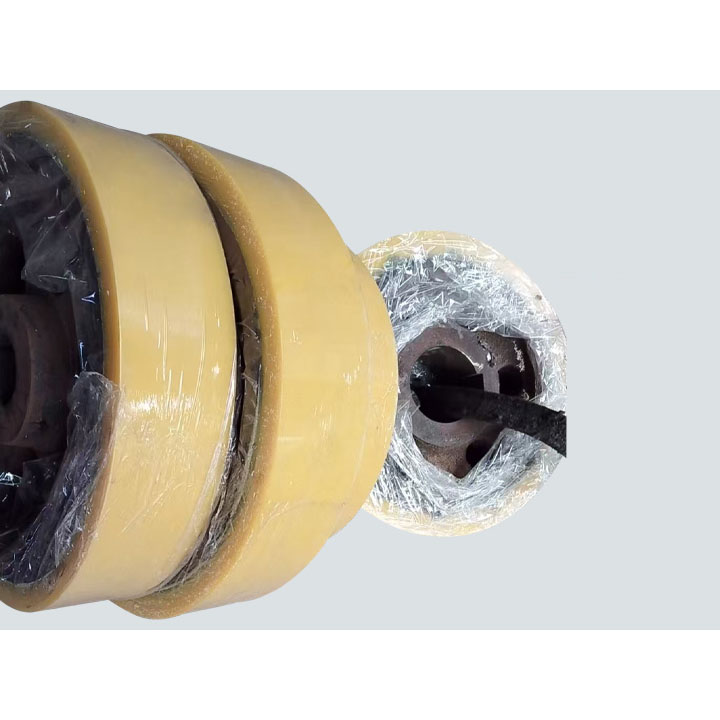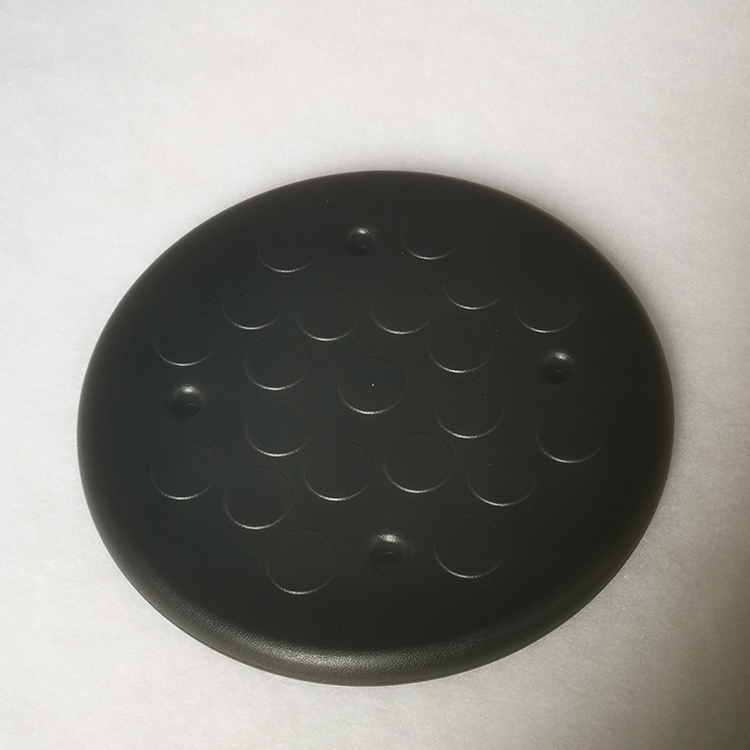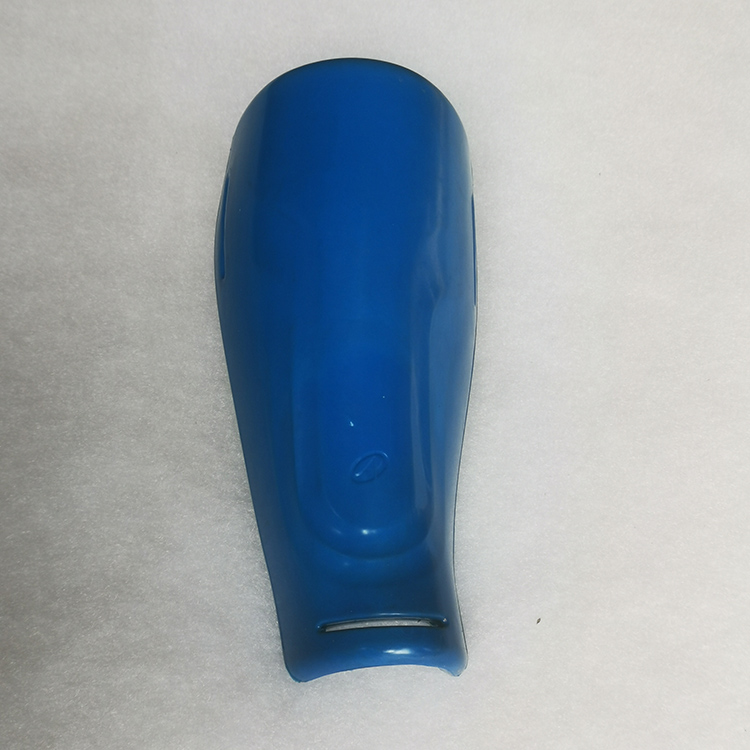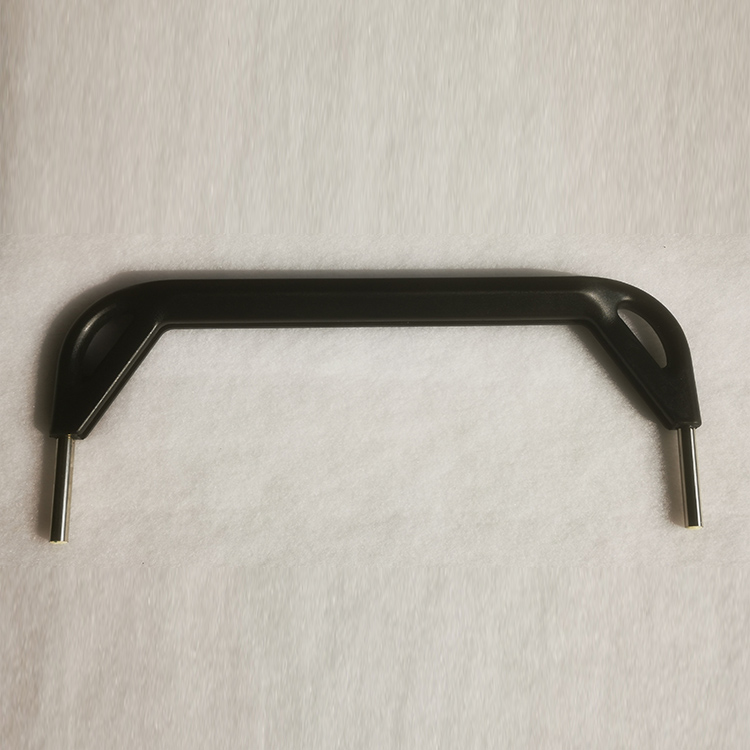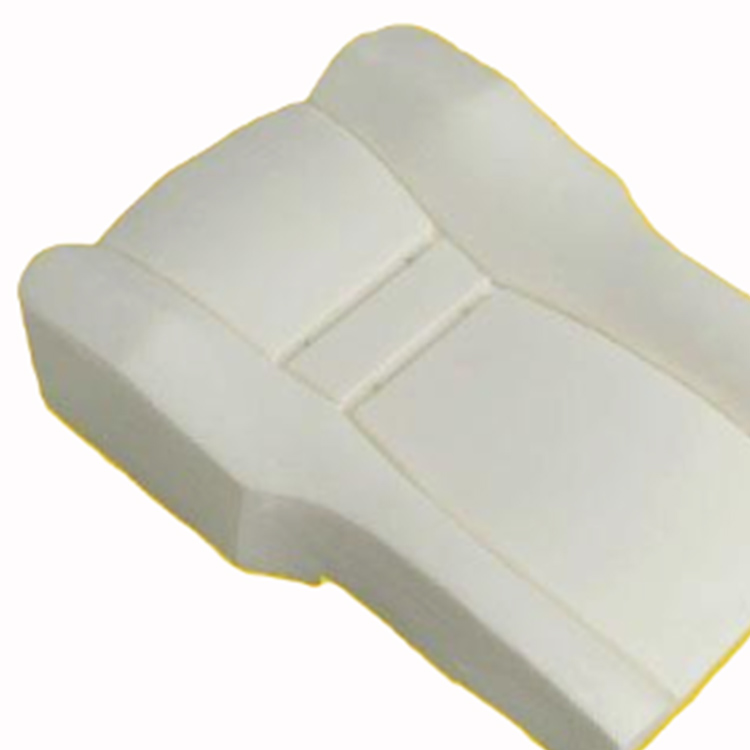

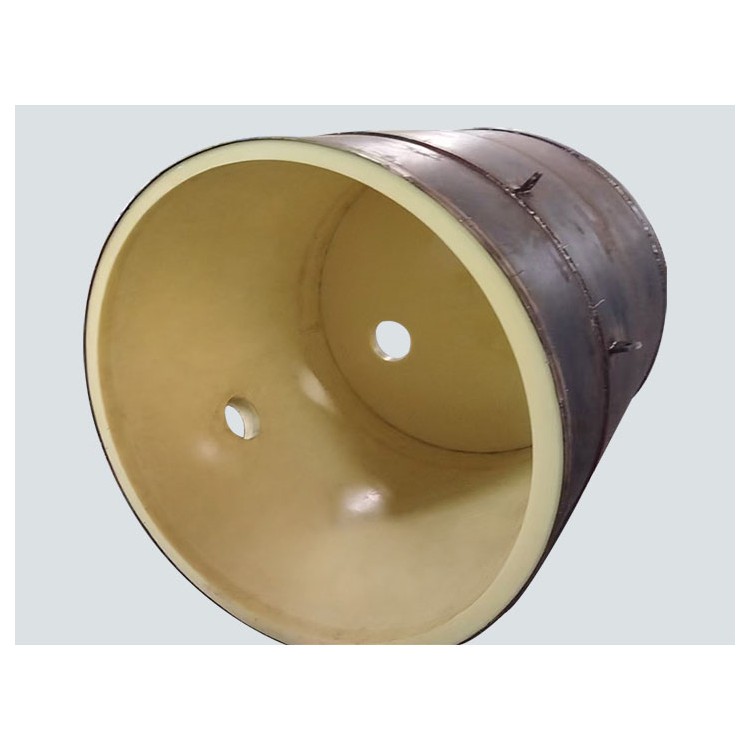

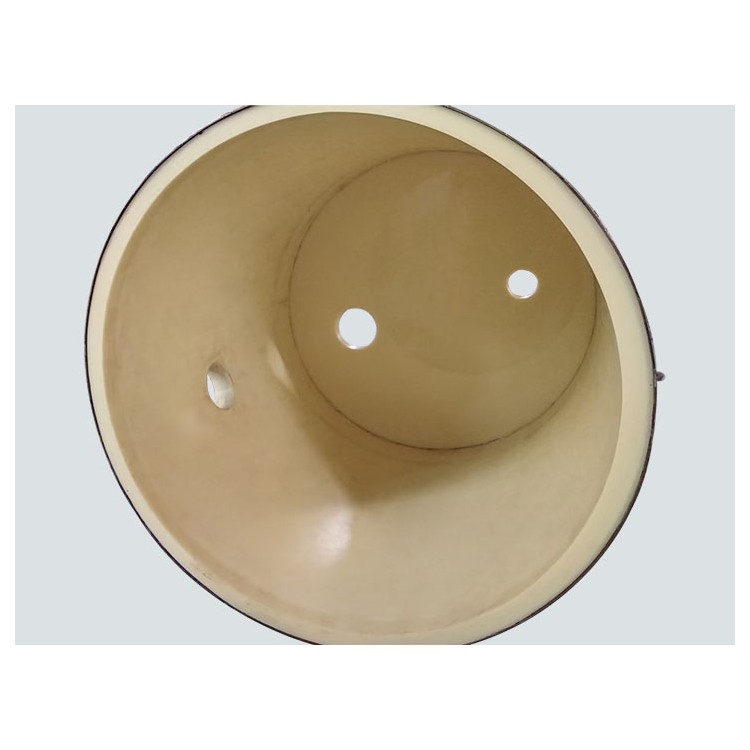
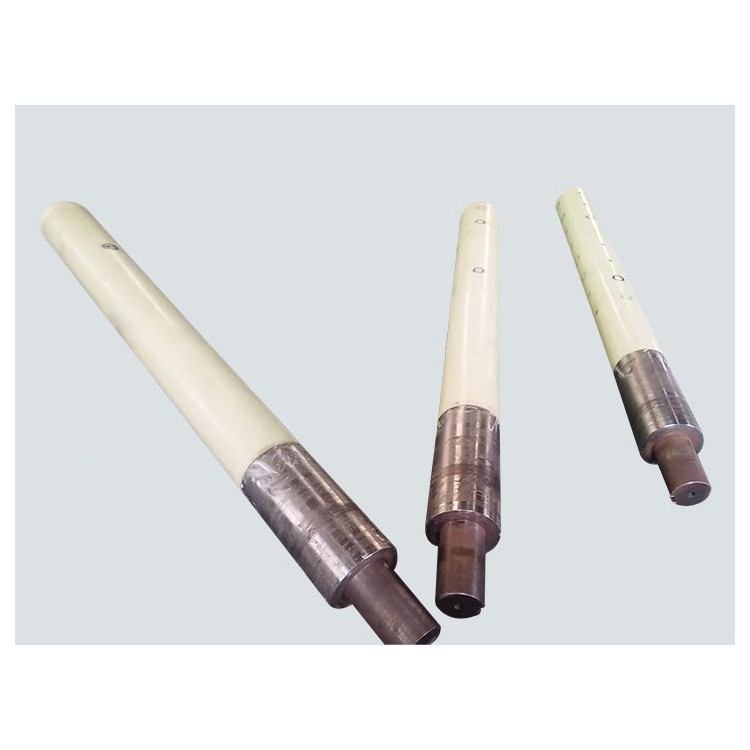


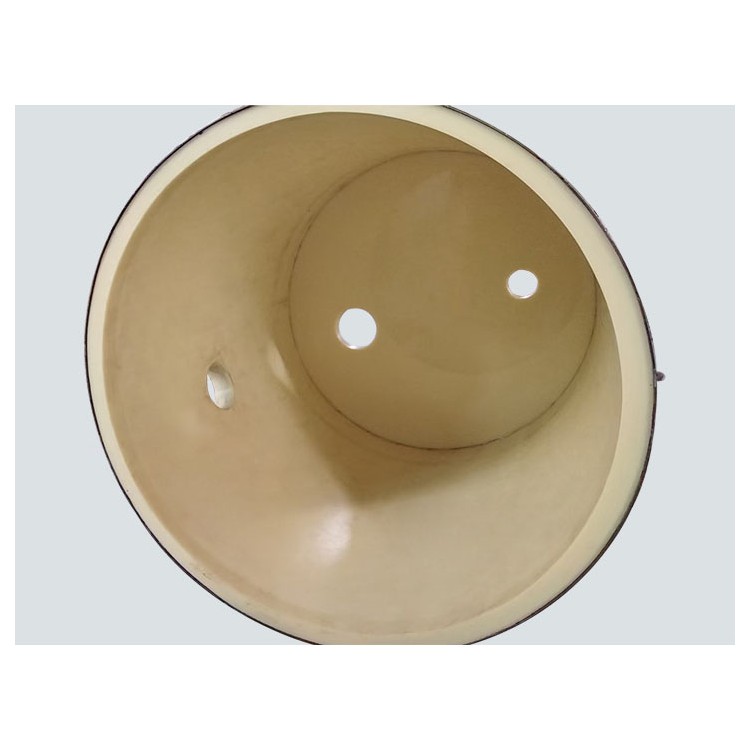
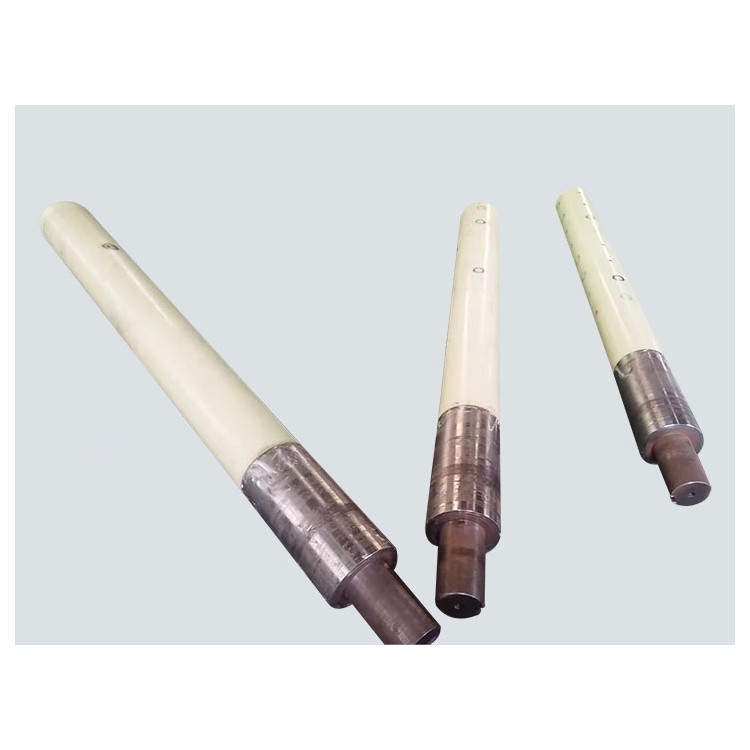
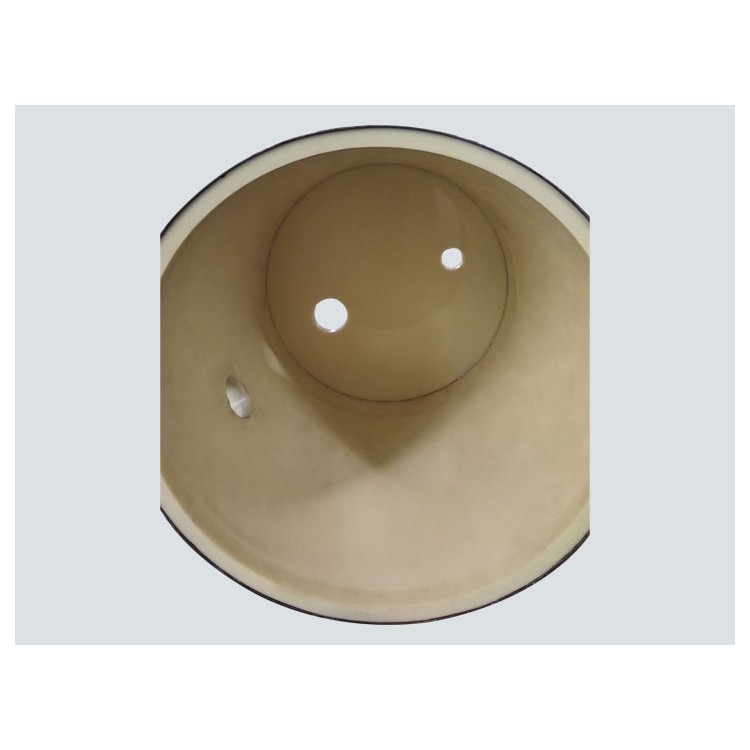
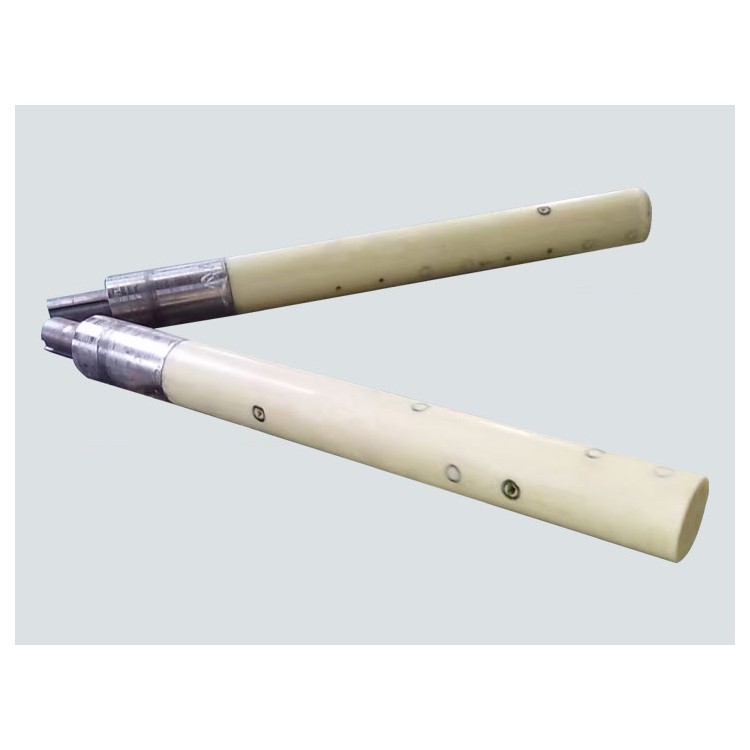





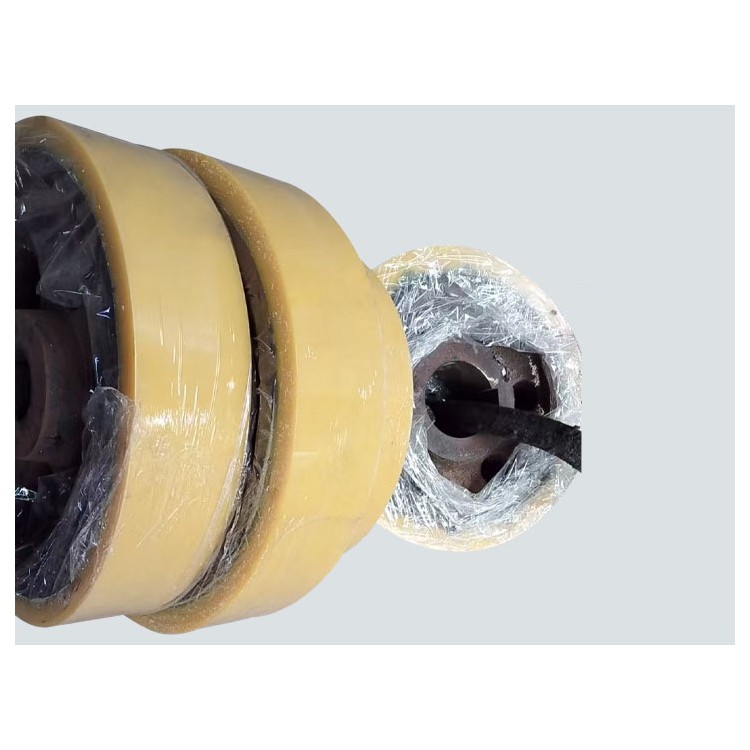
Powder machinery cylinder inner lining
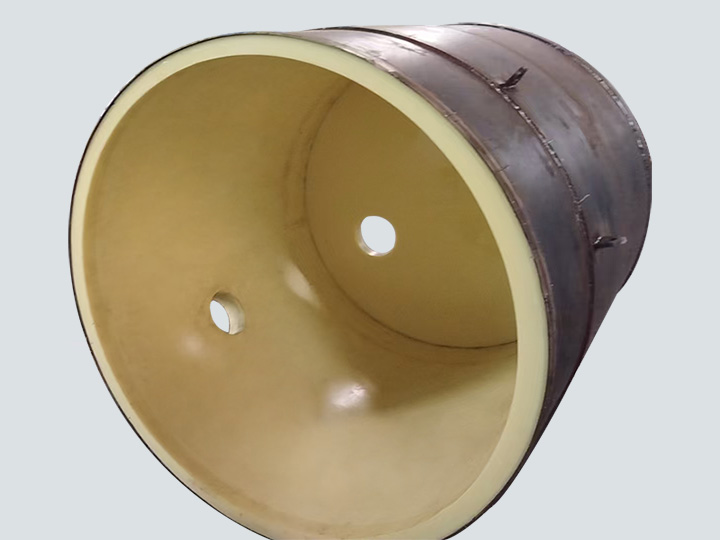
The inner lining of the powder mechanical cylinder is a critical component in powder processing equipment, designed to protect the cylinder, enhance grinding efficiency, and ensure material purity. The choice of material directly impacts the equipment's performance and maintenance costs.
The function of the lining
Protective Tube: The primary function of the lining in a powder mechanical tube is to protect the tube from direct impact and friction of the grinding medium and material, thereby extending the service life of the tube.
Adjusting Material Movement: Different shapes and materials of the lining can adjust the movement state of materials and abrasive media within the cylinder, thereby enhancing the grinding efficiency.
Enhance Grinding Efficiency: By selecting appropriate lining materials and shapes, the abrasive action of the grinding medium can be enhanced, thereby increasing the grinding efficiency.
Common lining materials
Polyurethane
Abrasion Resistance: Polyurethane exhibits 3-5 times the abrasion resistance of natural rubber, particularly in environments below 80°C.
Corrosion Resistance: Highly resistant to non-polar mineral oils, fuel oils, and mechanical oils, suitable for chemical conveying and other operating conditions.
High elasticity and resilience: Wide hardness range (Shore A10-D95), combining the flexibility of rubber with the high strength of plastic, capable of absorbing vibration energy and reducing impact damage to the cylinder.
High purity, non-polluted: Wear particles can be completely eliminated through heat treatment, preventing contamination of materials, especially suitable for industries with strict purity requirements such as food and pharmaceuticals.
Metal
High strength and hardness: Metal linings such as high manganese steel and alloy steel offer excellent impact resistance and wear resistance, suitable for high-wear conditions like coarse grinding bins.
Variety of Shapes: Can be designed as flat backing, ribbed backing, grooved backing, corrugated backing, stepped backing, etc., to adjust the movement state of the grinding medium.
Abrasion-Resistant Ceramic
Excellent Abrasion Resistance: The hardness of the wear-resistant ceramic is significantly higher than that of metals and polyurethane, suitable for ultra-fine grinding and other extreme abrasive conditions.
High-temperature resistance: Abrasion-resistant ceramic maintains stable performance in high-temperature environments, suitable for high-temperature grinding processes.
Stainless Steel
Corrosion Resistance: The stainless steel lining offers excellent corrosion resistance, suitable for conditions with high purity requirements for materials and strong corrosiveness.
Easy to clean: The smooth surface of the stainless steel is non-stick, making it convenient for cleaning and maintenance.
Choice of lining
Grinding Media and Material Characteristics: Select the appropriate lining material based on the hardness, particle size of the grinding media, and the properties of the material (such as hardness, viscosity, corrosiveness).
Grinding Process Requirements: Select different shapes and materials for the inner lining based on the grinding process needs (such as coarse grinding, fine grinding, ultra-fine grinding) to adjust the movement state of the grinding medium and enhance grinding efficiency.
Equipment Operating Conditions: Consider the operating temperature, pressure, and rotational speed of the equipment, and select a lining material that can maintain stable performance in the corresponding environment.
Cost and Maintenance: Select a cost-effective lining solution by considering the cost of the lining material, its service life, and maintenance difficulty, while ensuring performance requirements are met.