






















Heze Boiler FactoryLimited Company

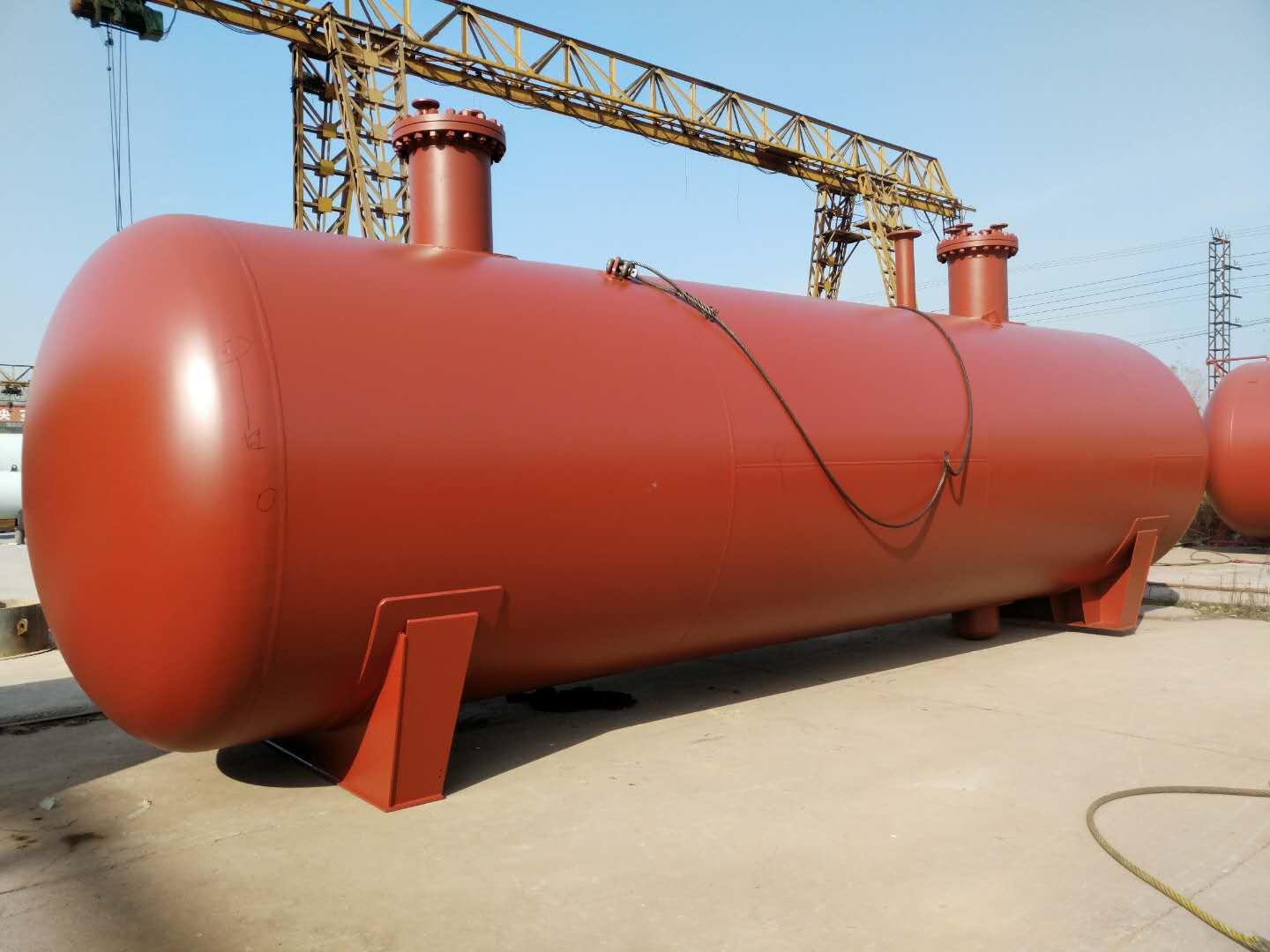
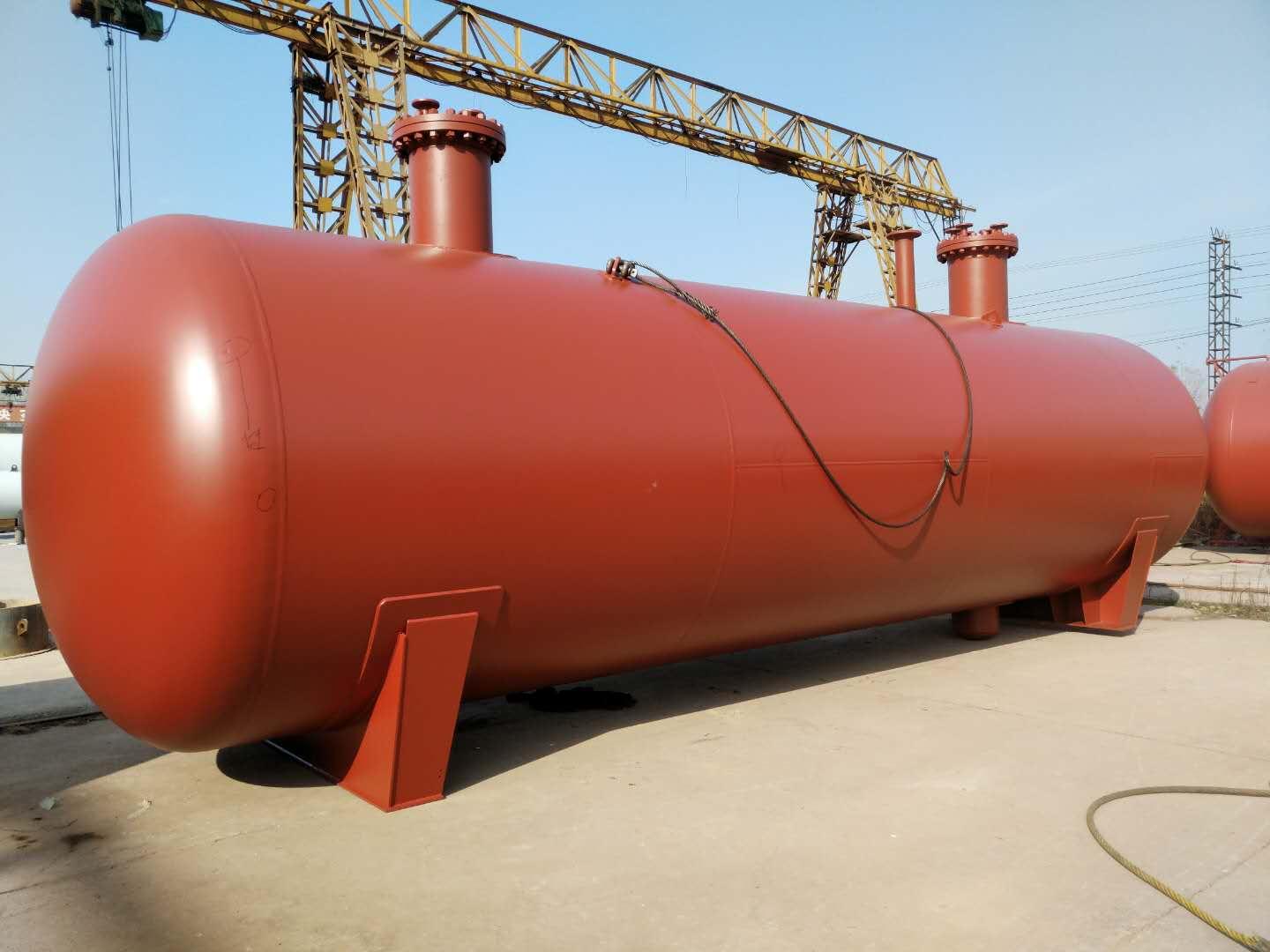
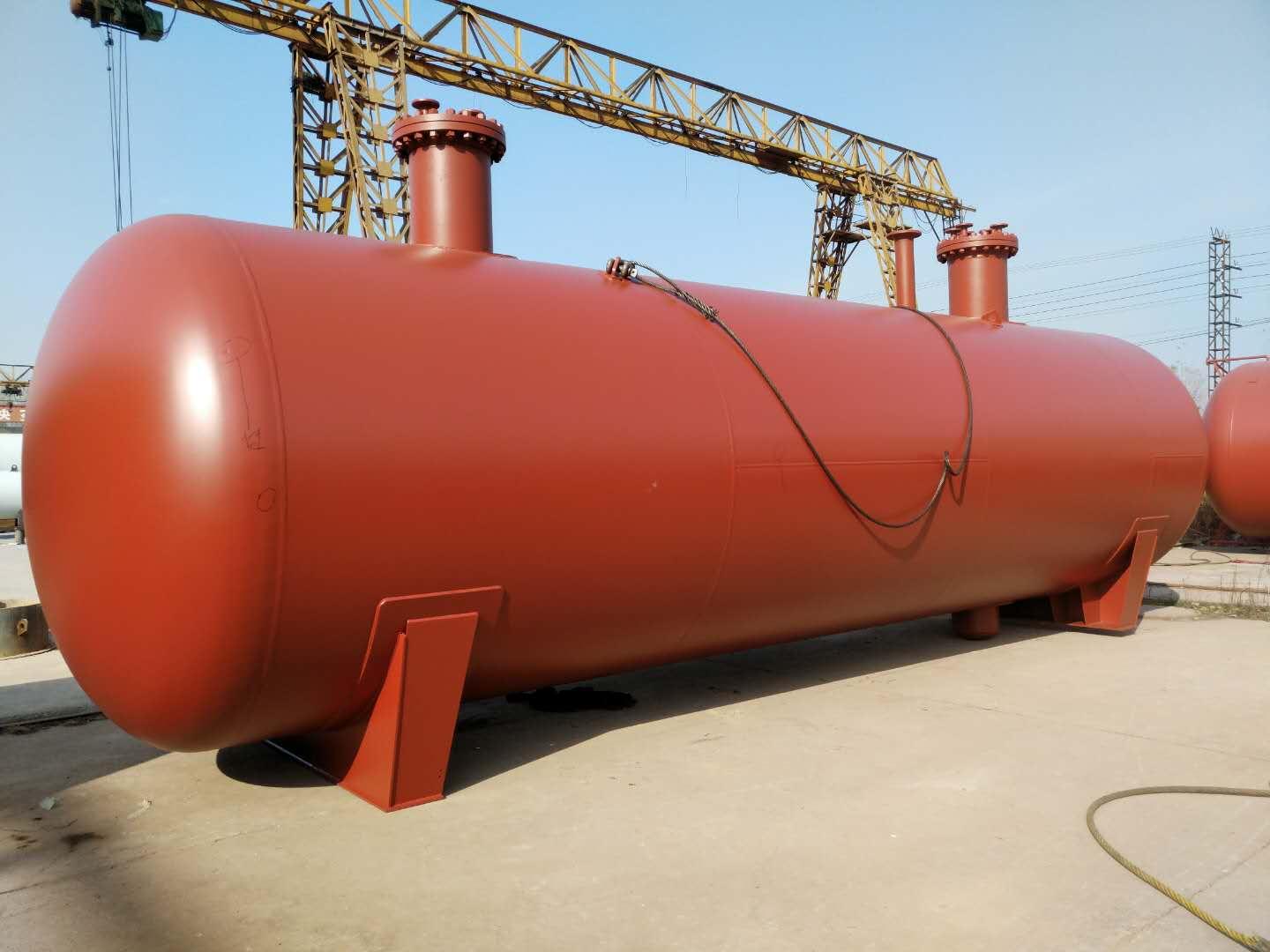
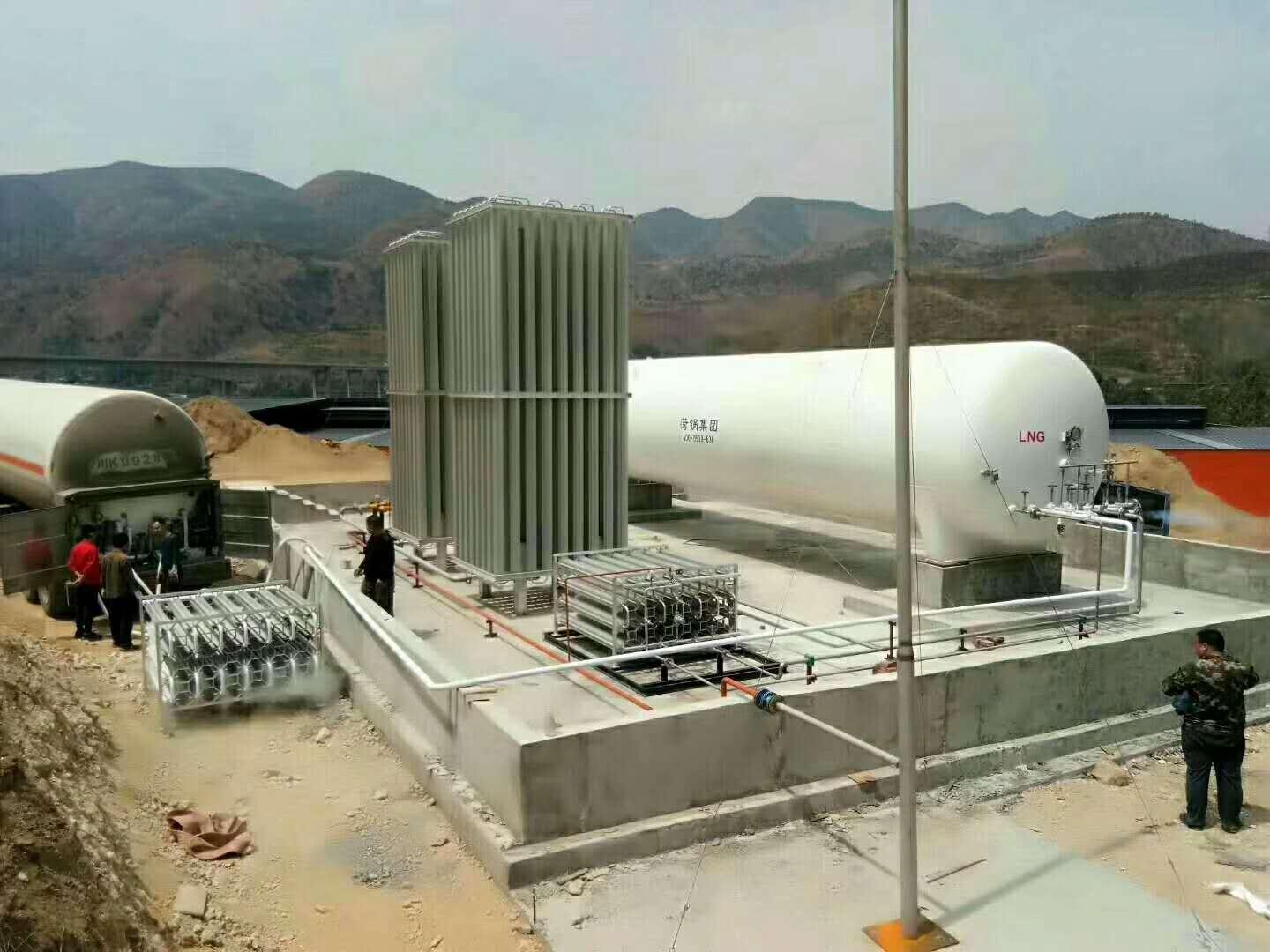
LNG Storage Tank
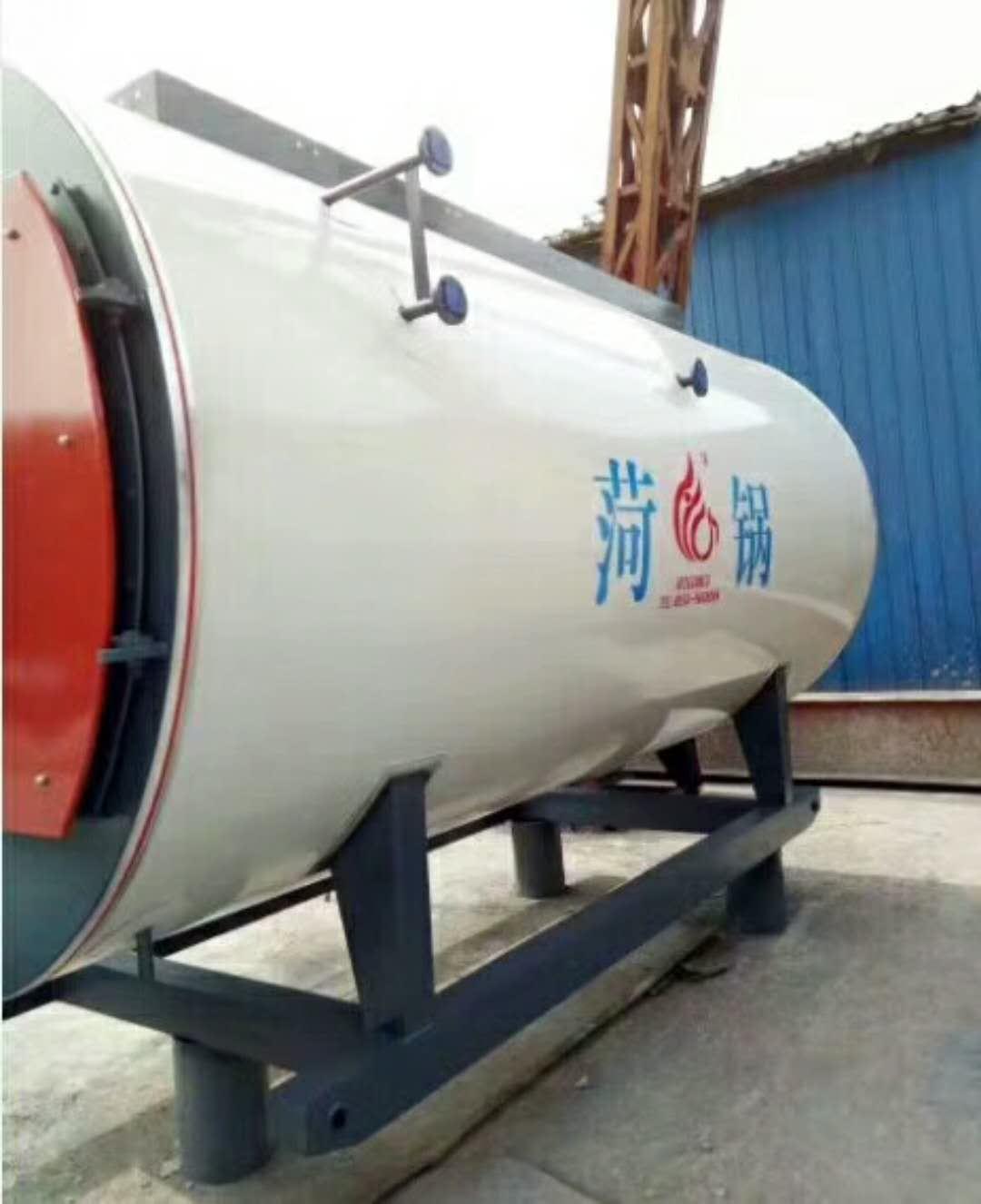
Heze Boiler FactoryOur Company specializes in manufacturing various models ofGas Boiler, Biomass BoilerLNG and LPG storage tanks, equipped withBGrade A boiler manufacturing qualificationA2Grade pressure vessel design and manufacturing qualifications2Grade boiler installation andGB、GCQualification for installation of pressure pipelines, electrical and mechanical equipment installation, etc.Annual production capacity of over a thousand units, with some products in stock. Welcome to call for inquiries.
LNG liquefied natural gas storage tanks are specialized products for storing liquefied natural gas, classified as special equipment and type III pressure vessels. They are made of 06Ni9DR material, undergo non-destructive testing, hydrostatic and pneumatic testing, and on-site inspection by the Technical Supervision Bureau, with a pressure vessel inspection certificate issued. The manufacturing process also includes external rust removal and painting. The storage tanks have strict quality assessments for the material of pressure components, appearance dimensions, weld quality, operational quality, installation quality, internal equipment, and safety accessories.
Routine physical and chemical testing of the drum material, such as mechanical properties and chemical composition.
Rigorous X-ray non-destructive testing and magnetic particle inspection are conducted on the welding joints, seams, tank end caps, and mutual geometric positions of all pressure elements. Testing and verification of the product's sealability, pressure resistance, and all technical indicators that could affect the safe operation of the product.
LNG Storage Tank
Natural gas storage tanks, also known as low-temperature storage tanks, are vertical or horizontal double-layer vacuum insulated tanks. The inner shell is made of austenitic stainless steel, while the outer shell material varies by customer location, following national regulations to use 345R. The annular space between the inner and outer shells is filled with pearlite insulation material and evacuated. The product undergoes on-site inspection by the National Technical Supervision Administration and is issued with a pressure vessel supervision and inspection certificate.

Natural gas storage tanks are the main equipment of LNG gasification stations, directly affecting the normal production of the stations and accounting for a significant portion of the construction cost. They can be categorized into underground tanks, above-ground metal tanks, and metal prestressed concrete tanks. For LNG tanks, there are currently vacuum powder insulation tanks, positive pressure accumulation insulation tanks, and high vacuum layer insulation tanks. Medium and small-scale gasification stations generally opt for vacuum powder insulation low-temperature tanks. The tanks are divided into inner and outer layers, with the gap filled with mica sand and vacuumed to reduce the transmission of external heat, ensuring that the daily gasification rate of LNG inside the tank is less than 0.3%.

Natural Gas Storage Tank
The operating pressure of the natural gas storage tank is 0.6-1.44 MPa, with an operating temperature of -162°C. (Available in vertical or horizontal models) The tank body consists of two layers for internal and external structures. To minimize the transfer of external heat into the tank, a vacuum insulation structure filled with diatomaceous earth is used between the layers, isolating it from the atmosphere. This prevents the effects of atmospheric pressure or temperature changes, as well as the entry of moist air into the insulation layer between the inner and outer tanks, effectively ensuring and enhancing the performance of the insulation material.
High safety standards are required for natural gas storage tanks. As the tanks store cryogenic liquids, any accident could lead to a large-scale evaporation of the refrigerated liquid, with the vaporization rate being about 300 times the original refrigerated state. This can form explosive gas clouds in the atmosphere. Therefore, specifications such as API, BS, etc., all require the use of double-walled tank structures and the application of sealing concepts. In the event of a leak in the primary tank body, the secondary tank body can completely seal off the leaking liquid and evaporating gas, ensuring storage safety.

LNG储罐加工-特价LNG储罐批发价格-正品LNG储罐生产商-专用LNG储罐生产厂家



















