



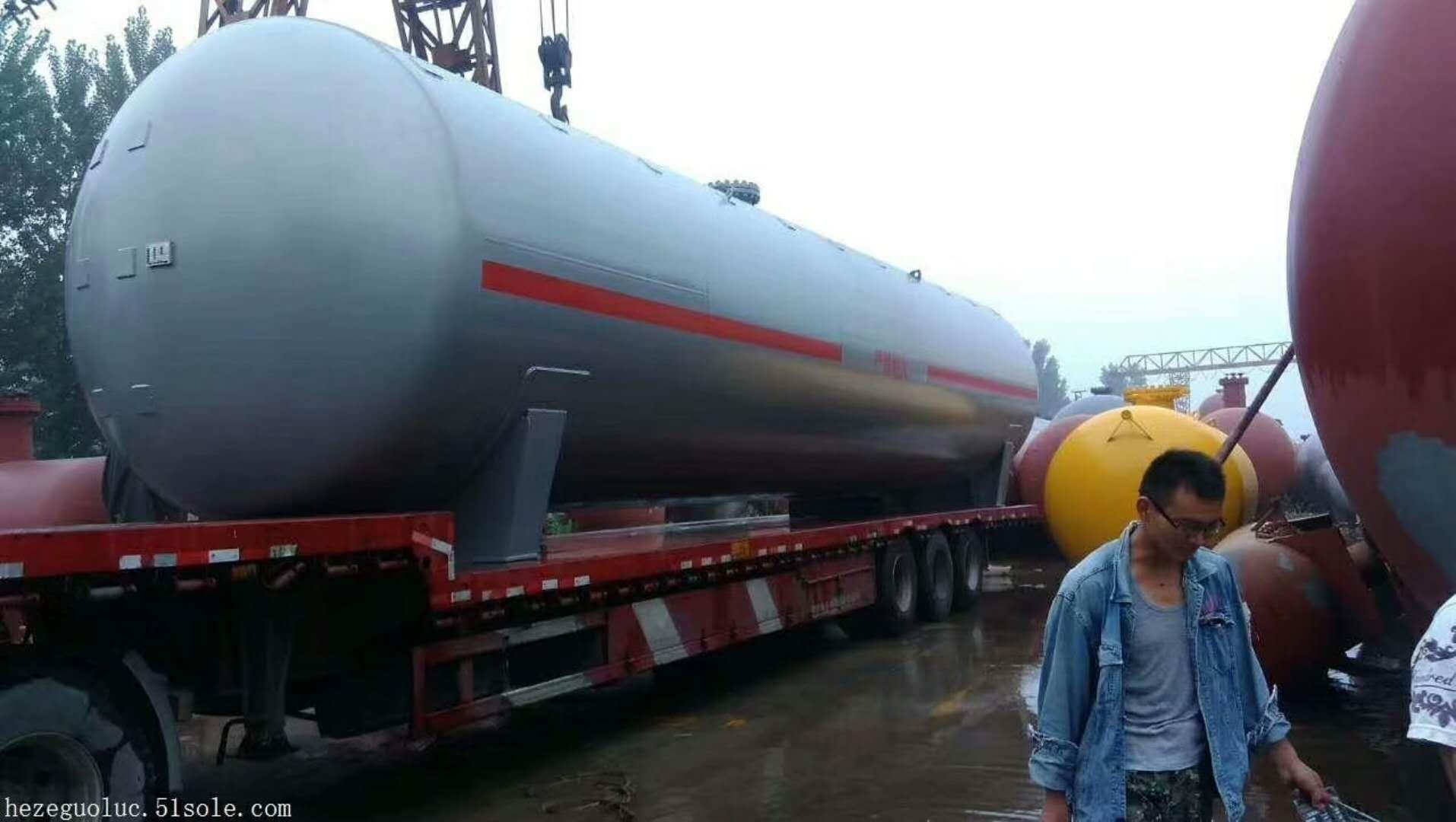

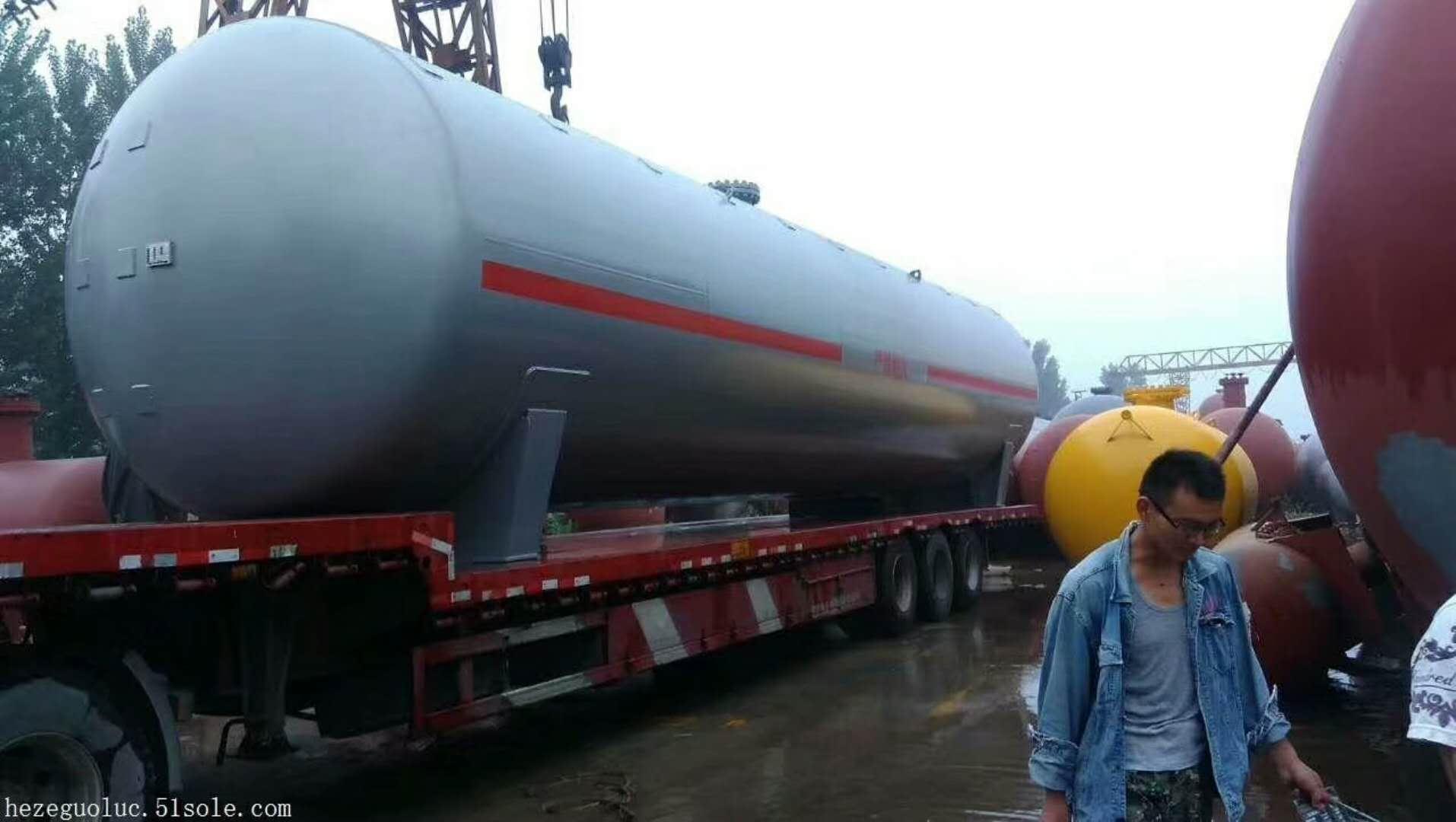
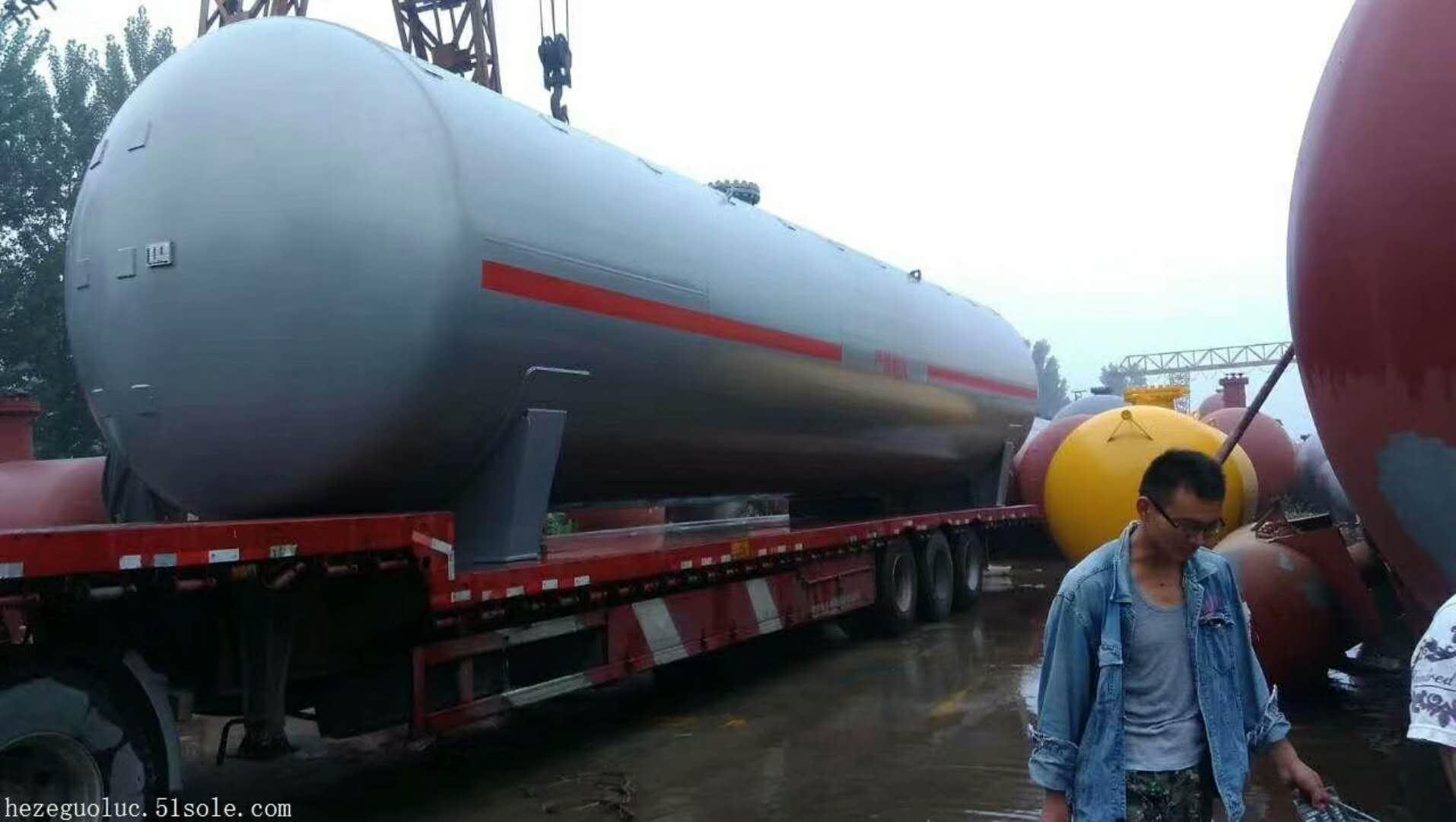



















Natural gas is widely recognized as a clean, environmentally friendly, and safe quality energy source. After liquefaction, its volume is reduced by approximately 600 times, which greatly benefits storage. Storage of liquefied natural gas (LNG) is done in atmospheric pressure and low-temperature tanks. Let's discuss the unique features of these LNG tanks.
What are the special requirements for LNG low-temperature storage tanks?
1.Low-temperature resistance
At atmospheric pressure, the boiling point of liquefied natural gas (LNG) is -160°C. LNG is stored at low temperatures and atmospheric pressure, cooling the gas below its boiling point. This results in operation pressures slightly above atmospheric, which compared to high-pressure, ambient-temperature storage, significantly reduces tank wall thickness and enhances safety performance.
Therefore, LNG requires storage tanks with excellent low-temperature resistance and superior insulation properties.
2.High safety requirements
Due to the storage of low-temperature liquids inside the tank, in the event of an accident, the refrigerated liquid would evaporate in large quantities, with the vaporization amount being approximately 300 times that of its refrigerated state, forming explosive gas clouds in the atmosphere.
Therefore, standards such as API and BS require double-walled tank structures, utilizing the sealing concept. In the event of a leak in the first layer, the second layer can completely seal the leaked liquid and evaporated gases, ensuring storage safety.
3.Special Material
The inner tank wall must be able to withstand low temperatures, typically made of materials like 9Ni steel or aluminum alloys. The outer tank wall is made of pre-stressed reinforced concrete.
4.Thermal insulation measures are stringent
Due to the maximum temperature difference between inside and outside the drum reaching up to 200°C, the drum must have excellent insulation properties to maintain an internal temperature of -160°C. High-performance insulation material should be filled between the inner and outer drums. The insulation material at the drum bottom must also have sufficient pressure-bearing capacity.
5.Excellent seismic performance
General buildings are required to crack but not collapse under specified seismic loads. To ensure the safety of storage tanks under unexpected loads, they must possess excellent seismic performance. For LNG storage tanks, it is required that they neither collapse nor crack under specified seismic loads.
Therefore, the selected construction site generally avoids seismic fault zones, and seismic tests must be conducted on the storage tanks before construction to analyze the structural performance under dynamic conditions, ensuring the tank does not suffer damage under the given seismic intensity.
6.Strict construction requirements
Tanks must undergo 100% magnetic particle testing (MT) and 100% vacuum leak testing (VBT) for welds. Select insulating materials strictly and follow the prescribed procedures during construction. To prevent concrete cracking, post-tensioned prestressed construction is used universally, with stringent control over the verticality of the tank walls.

Detailed Description of LNG Low-Temperature Storage Tank:
The LNG storage tank is a horizontal double-walled structure, consisting of an inner tank, an outer tank, internal and external supports, an insulating layer, a pressure safety system, a vacuum pump, and a pipeline system. All vacuum-insulated structures rely on vacuum. Due to the high degassing rate and suction resistance of the insulating space materials, and the inability to exceed the baking temperature of the sealing material and insulating material without causing slow degassing, suction can be difficult. To achieve the required vacuum level within the designed suction time for the insulating space, in addition to the vacuum pump and suction process, it also relates to the flow area of the annular suction pipes. To ensure a high vacuum level and improve the suction rate, a vacuum pump is installed at both ends of the equipment. One vacuum pump consists of three suction pipes, placed in the lower half of the annular space and extending from the bottom, while the other vacuum pump, also with three suction pipes, is positioned in the upper half of the annular space and extends from the top. The two sets of suction pipes cross and overlap along the length of the tank. By increasing the flow area of the suction pipes and using various auxiliary methods such as heating and nitrogen displacement, the vacuum time for the annular insulating space with a volume of 100 m³ is reduced to one-third of the conventional structure.


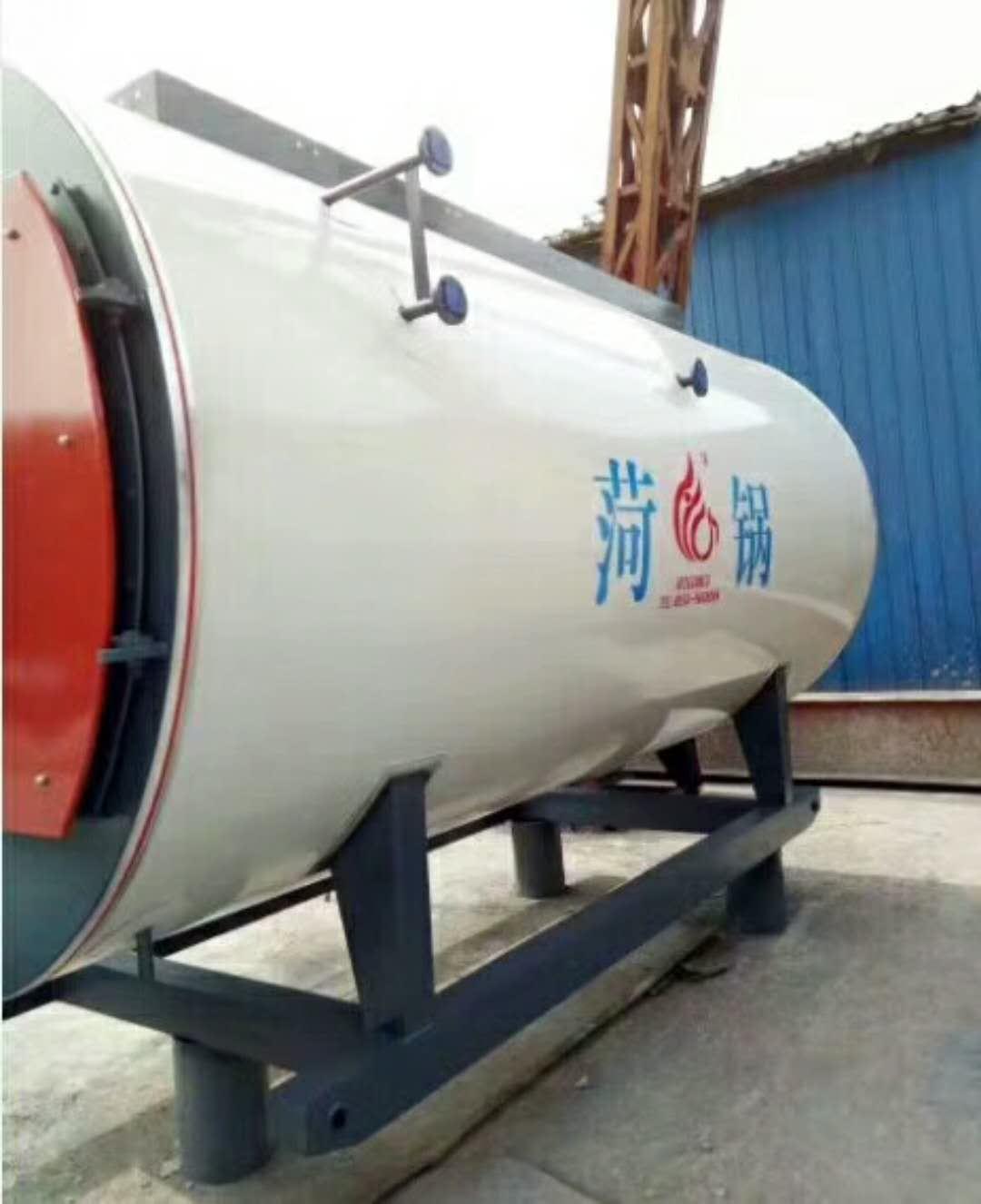
Professional manufacturing of LNG tank specifications - Ready-made LNG tanks available - Renowned LNG tank customization - Where to find wholesale LNG tank prices



















