






















 Heze Boiler Factory Co., Ltd.
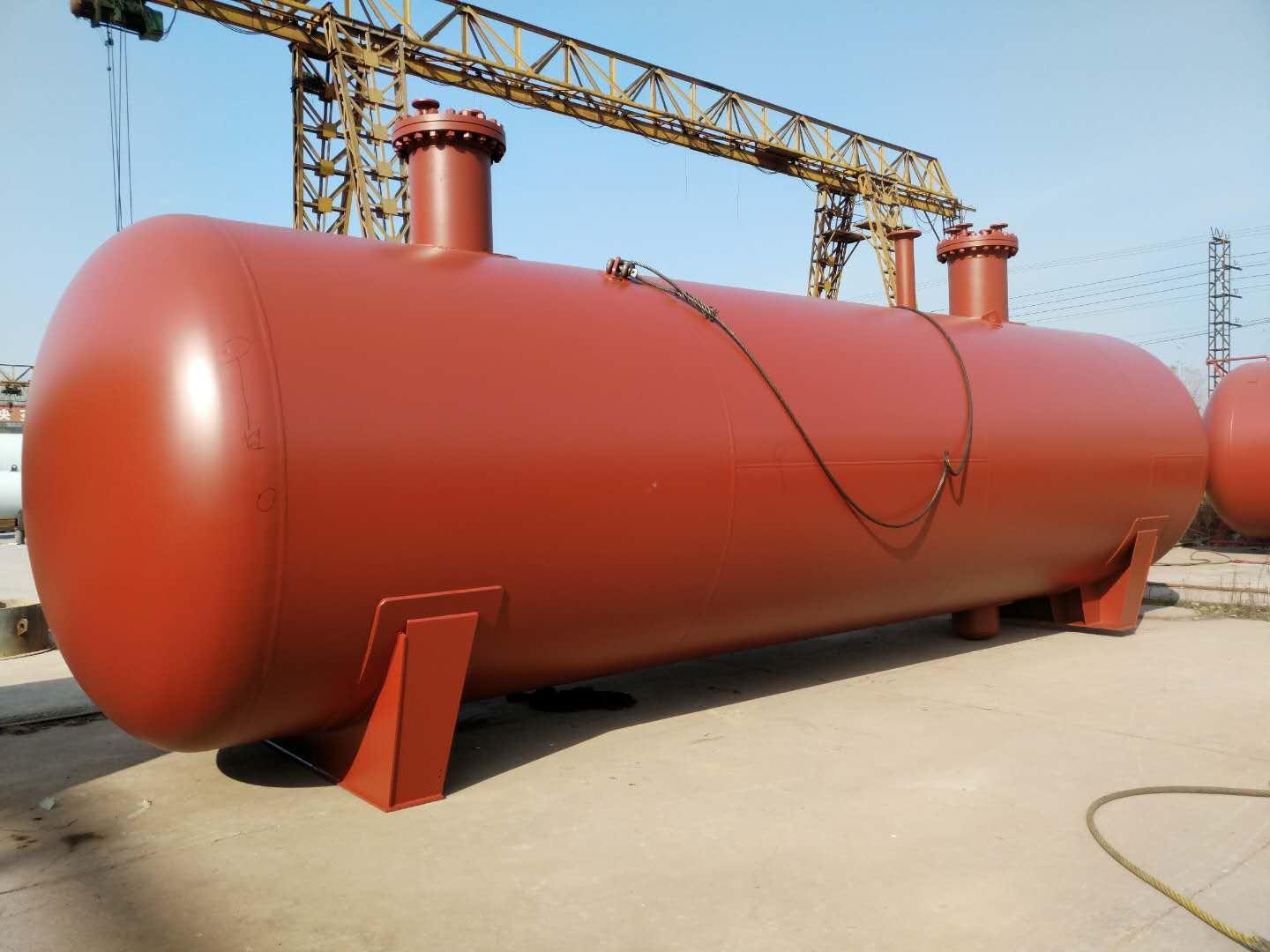
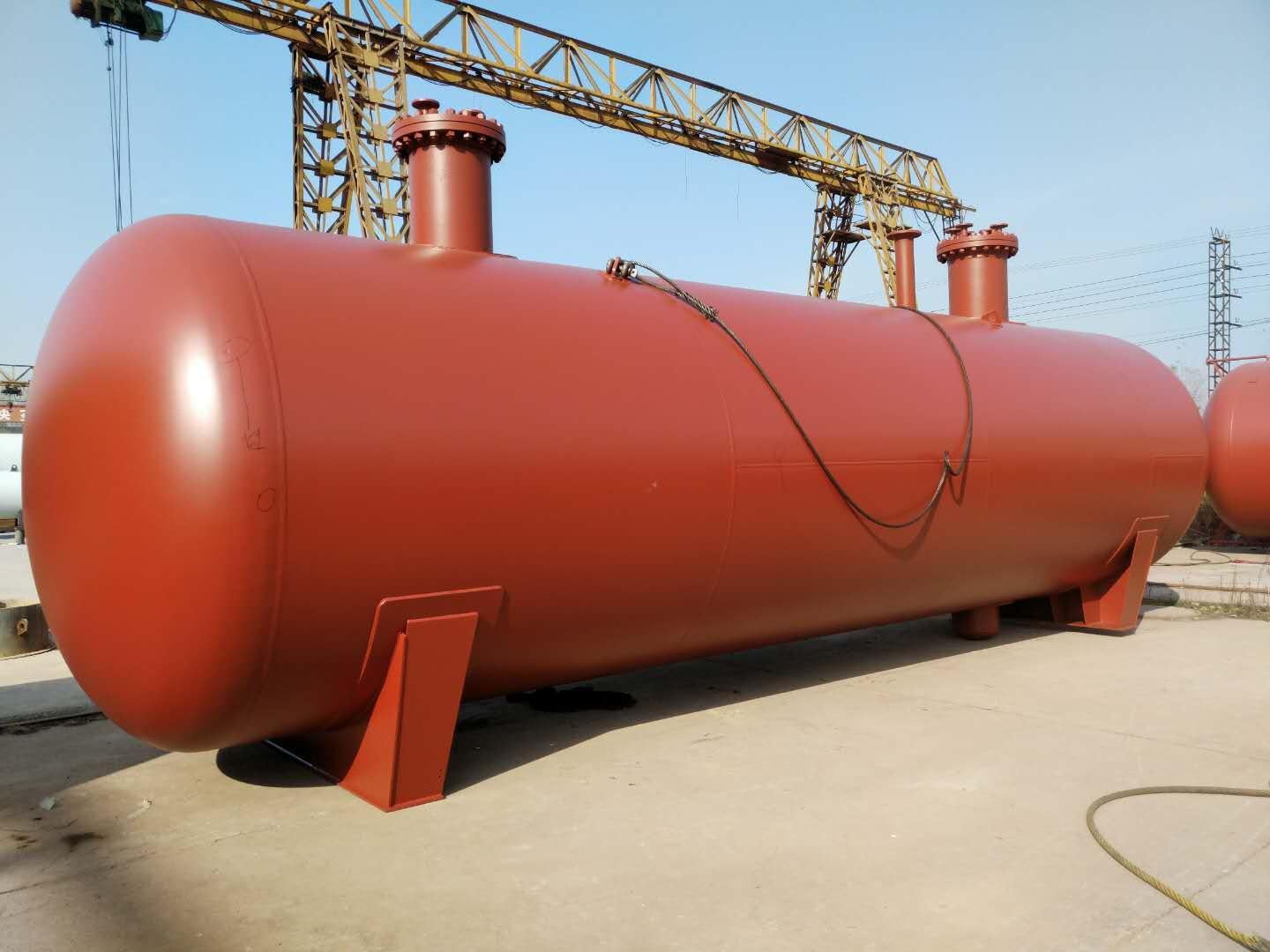
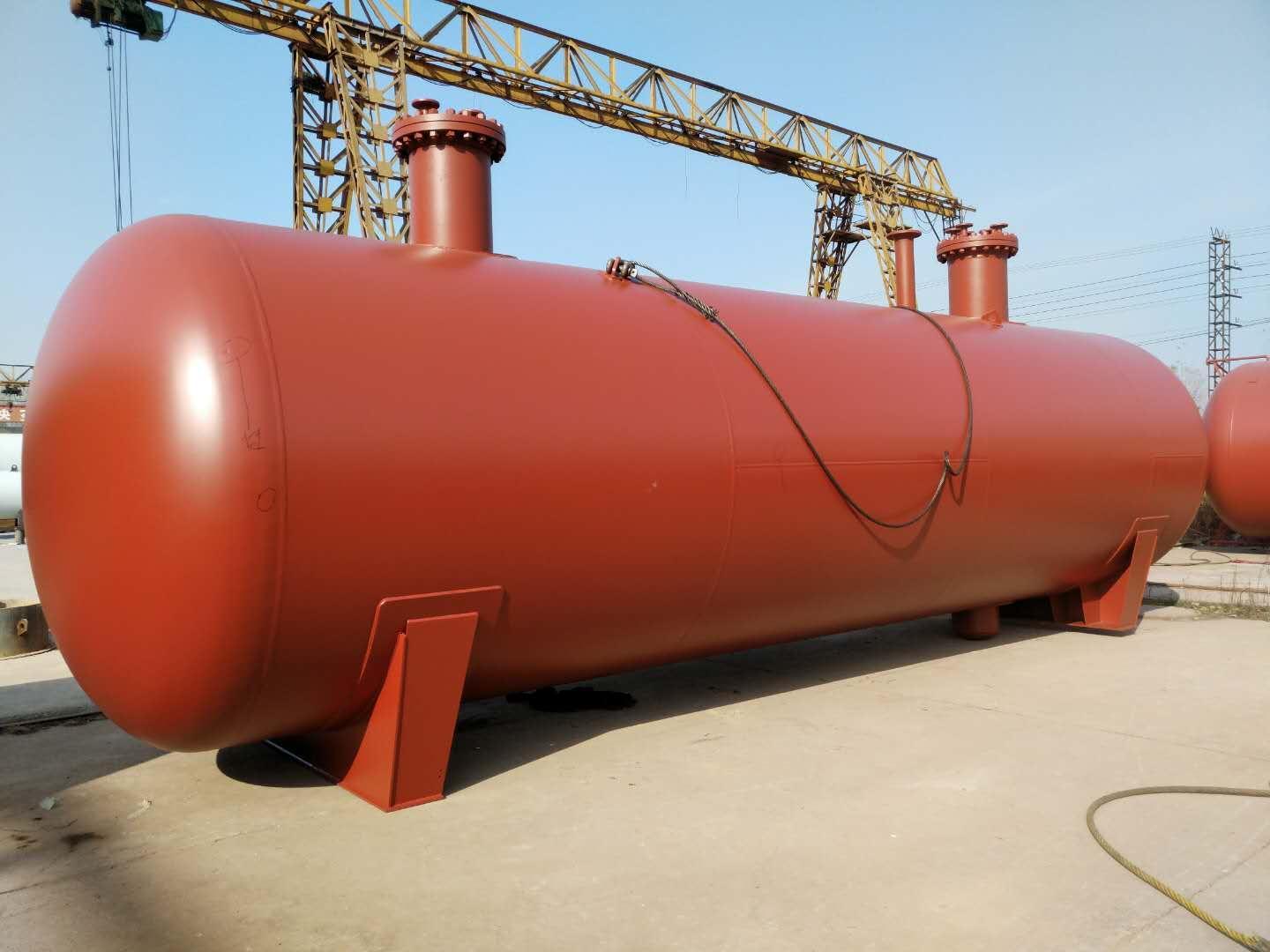
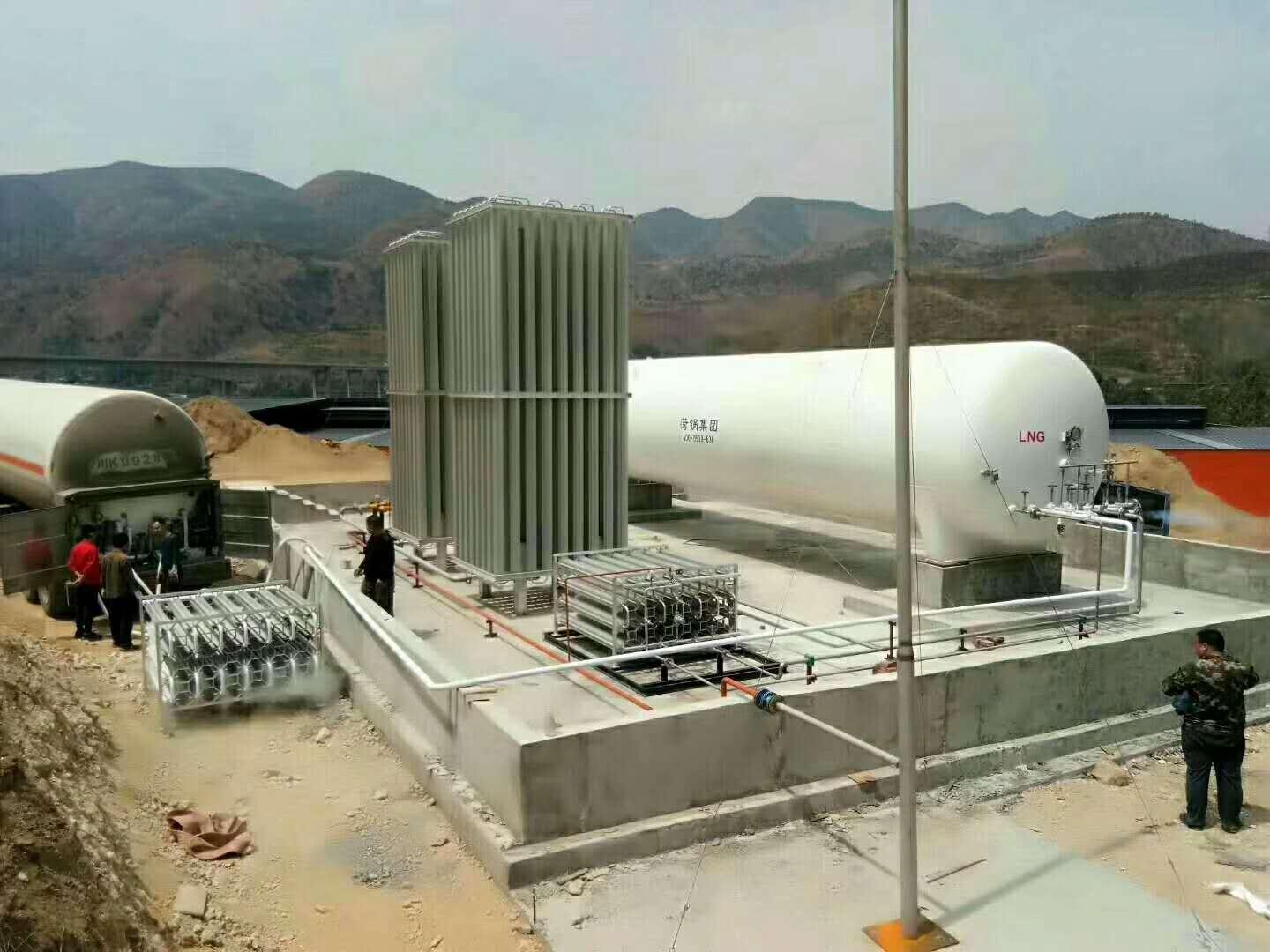
The Liquefied Natural Gas (LNG) storage tank is composed of the tank body, instruments, pipelines, valves, etc. The LNG storage tank employs two types of liquid inlet methods, upper and lower, which can be selected and used according to actual conditions.
The inner tank of the Liquefied Natural Gas (LNG) storage tank is equipped with a safety system consisting of dual safety valves. Under normal operating conditions, one set is in operation and the other is in standby. If the safety valve in operation trips, the manual pressure relief valve is immediately opened to relieve pressure below the storage tank's operating pressure. Simultaneously, the safety device is quickly switched to the standby system using the manual handle, effectively ensuring the tank's safety. This safety system is composed of safety valves, explosion-proof devices, vent valves, and three-way ball valves, not only reducing pipeline welding but also featuring good fire and static electricity prevention structures. Additionally, the safety relief ports on the casing are fully guaranteed to ensure the overall safety and reliability of the equipment. The low-temperature pipelines are centrally extracted for easy operation and control, and the extraction outlets are designed with Duralumin structures to meet low-temperature requirements and minimize stress on pipelines due to thermal expansion and contraction, ensuring the tank's safety. The vacuum relief valve uses three "O" rings for sealing, effectively guaranteeing the reliability of the sandwich seal, and is made of full stainless steel with a compact size. The top of the LNG storage tank is designed with a吊挂 structure for ease of transportation, lifting, and installation. The unique工艺manhole design ensures the cleanliness of the interior when the inner container is sealed. Vacuum isolation valves and combined vacuum gauge valves are used on the LNG storage tank for easy measurement of the vacuum degree of the sandwich and for maintenance, extending the tank's service life and improving its quality. The LNG storage tank is equipped with a level gauge and pressure gauge for on-site display of level and pressure. The sandwich insulation material is high-quality domestic pearlescent sand, with the following performance parameters:
Serial Number Indicator Name Unit Indicator
Loose Bulk Density: 50-60 Kg/m3
2 Grain size mm 0.1-0.2, not less than 80%
Thermal Conductivity (at atmospheric pressure, temperature 310-77k) W/m.k.s < 0.026
Moisture Content (Weight) % < 0.1
5 Non-puffing Rate % ≤ 1
6 Temperature ℃ -200℃~600℃
7 pH Level: 6.5-7.5
Section 3: Inspection, Testing, and Acceptance
1. Inspect the inner cylinder material, and it may be used only after passing the inspection.
2. All welds are inspected according to the GB150.1-150.4-2011 standards and drawings. After passing the inspection, Class A and B welds undergo 100% X-ray testing, Class C and D welds are subjected to 100% penetrant testing, and a test report is issued.
3. After the cylinder assembly is completed, inspect the geometric dimensions, pipe end orientations, and shape deviations in accordance with the GB150.1-150.4-2011 standards and drawings.
4. After passing the inspection, conduct a pressure test and issue a pressure test report. Once the pressure test is approved, evacuate the air and then perform a helium leak test once the vacuum level meets the requirements.
5. After interlayer leak detection passes, fill with pearl sand and then vacuum pump. Seal the vacuum after achieving the requirements of GB/T18442-2011 standard.
IV. Technical Data
1. Upon contract signing, the seller shall provide the buyer with the following technical documents:
⑴ Each set of product quality certificates for the equipment (provided with the equipment)
Including: Material Certification for Main Pressure Components, Bill of Materials, Structural Dimension Inspection Report, Inspection Plan, Product Compliance Certificate, Pressure Vessel Product Data Sheet, Welding Records, Non-Destructive Testing Report, Pressure Test Report, Supervision and Inspection Certificate for Special Equipment Manufacturing (Local Inspection Authority), Product Brand Copy
⑵ As-built drawings, 1 set each (provided with the equipment)
Each set of strength calculation documents (provided with the equipment)
User Manual - 1 copy (provided with the equipment)
1 set of equipment process diagram and 1 basic reference diagram (to be provided within 7 days after contract signing)
⑹ 1 set of product compliance certificates, 1 calibration report for instruments (provided with the equipment)
Heze Boiler FactoryLimited Company

60 cubic meters LNG storage tank
Product Category: LNG Storage Tanks
LNG stands for Liquefied Natural Gas. It is primarily composed of methane. LNG is colorless, odorless, non-toxic, and non-corrosive, occupying about 1/600th the volume of an equivalent amount of gaseous natural gas. Its weight is roughly 45% of the same volume of water, and its calorific value is approximately 52 MMBtu per ton (1 MMBtu = 2.52×10^8 calories).
Model:
60 cubic meters0.8MPa
Detailed Introduction
Product Name: LNG Storage Tank
Manufacturer:Heze Boiler FactoryLimited Company
LNG Storage Tank
Hekou Group
An LNG storage tank is a jacketed vacuum powder-insulated pressure vessel specifically designed for storing and supplying low-temperature liquefied gases (such as liquid nitrogen, liquid oxygen, liquid argon, liquid carbon dioxide, etc.). It has been widely used in industrial production and daily life. This article briefly discusses the basic requirements and safety points of use by analyzing the hazardous characteristics of low-temperature liquids and combining various gas supply modes of low-temperature liquid storage tanks.
1. Analysis of Low-Temperature Liquid Hazardous Characteristics
Low-temperature liquids possess hazardous characteristics such as low boiling points, high expansibility, strong asphyxiating properties, and strong oxidizing capabilities.
1.1 Boiling points of low-temperature liquids at 101.3 KPa pressure: Liquid nitrogen at -196°C, liquid oxygen at -183°C, and liquid argon at -186°C. Contact with the human body can cause severe frostbite to the skin and eyes. In cases of minor leakage or internal leakage in valves, they absorb heat from the surrounding environment, causing rapid condensation and frost formation at the leakage point, which can lead to freezing in severe cases.
1.2 Low-temperature liquids absorb surrounding energy from high heat or large leaks, causing their volume to expand due to rapid vaporization. At 0℃ and a pressure of 101.3 KPa, the volume of gas resulting from the vaporization of 1L of low-temperature liquid is: nitrogen at 674L, oxygen at 800L, and argon at 780L. Inside sealed containers or pipelines, the increase in internal pressure due to the vaporization of low-temperature liquids can easily lead to overpressure explosions.
1.3 In the surrounding environment of low-temperature liquid storage tanks, the vaporized low-temperature liquid can easily form a rich gas area. High concentrations of nitrogen, argon, or carbon dioxide can readily cause asphyxiation injuries. Additionally, high oxygen concentrations can lead to oxygen enrichment injuries.
1.4 Oxygen is a powerful oxidizer with extremely high oxidizing properties. When liquid oxygen is in close proximity to combustible materials, it can easily ignite upon contact with an open flame; contact with combustible materials can lead to explosions due to vibrations or impacts; mixing with combustible materials poses a potential explosive hazard. Liquid oxygen can adhere to clothing and fabrics, and upon contact with an ignition source, it can cause a flash fire, posing a risk to personal safety.
2. Low-Temperature Liquid Storage Tank Gas Supply Mode and Basic Requirements
According to different application scenarios and user requirements, the gas supply modes for low-temperature liquid storage tanks are primarily...
Available services: High-pressure gas cylinder refilling, low-temperature insulated gas cylinder packaging, centralized gas supply through pipelines, and low-temperature liquid spray supply.
LNG60 cubic meter 0.8 MPa parameter value:
60-cubic-meter LNG storage tank
Formed:
The natural gas produced from the gas field is first purified and then liquefied under super-low temperature (-162℃) and atmospheric pressure to form liquefied natural gas.
The critical temperature of LNG between its gaseous and liquid states at atmospheric pressure is -162°C.
The standard commonly used in LNG manufacturing is API 620.
LNG Storage Vessel
Supplying gas for high-pressure cylinders, utilizing low-temperature liquid storage tanks as the gas source, suitable for numerous applications.
Individual users of scattered gas generally require professional production and filling units to implement standardization. According to current national administrative permit requirements, filling units must hold a designated production (storage) approval for hazardous chemicals, a safety production license, and a gas cylinder filling license, collectively known as "one document and two licenses," to carry out high-pressure gas cylinder filling. At the liquid outlet of low-temperature liquid storage tanks, low-temperature liquid pumps and high-pressure gasifiers are installed, and a high-pressure filling system is used to fill high-pressure gas into specialized gas cylinders. In the gas cylinder filling process, a pipeline low-temperature and overpressure automatic shutdown protection system must be set up. If there is still low-temperature liquid at the gasifier outlet or if the pipeline pressure exceeds the high working pressure of the gas cylinder, the low-temperature liquid pump should automatically shut down, and the low-temperature liquid storage tank should stop supplying gas to prevent the direct filling of low-temperature liquid into the gas cylinder or overpressure filling causing an explosion.

专业定做LNG储罐加工厂-知名LNG储罐什么牌子好-特价LNG储罐型号-专用LNG储罐加工厂



















