



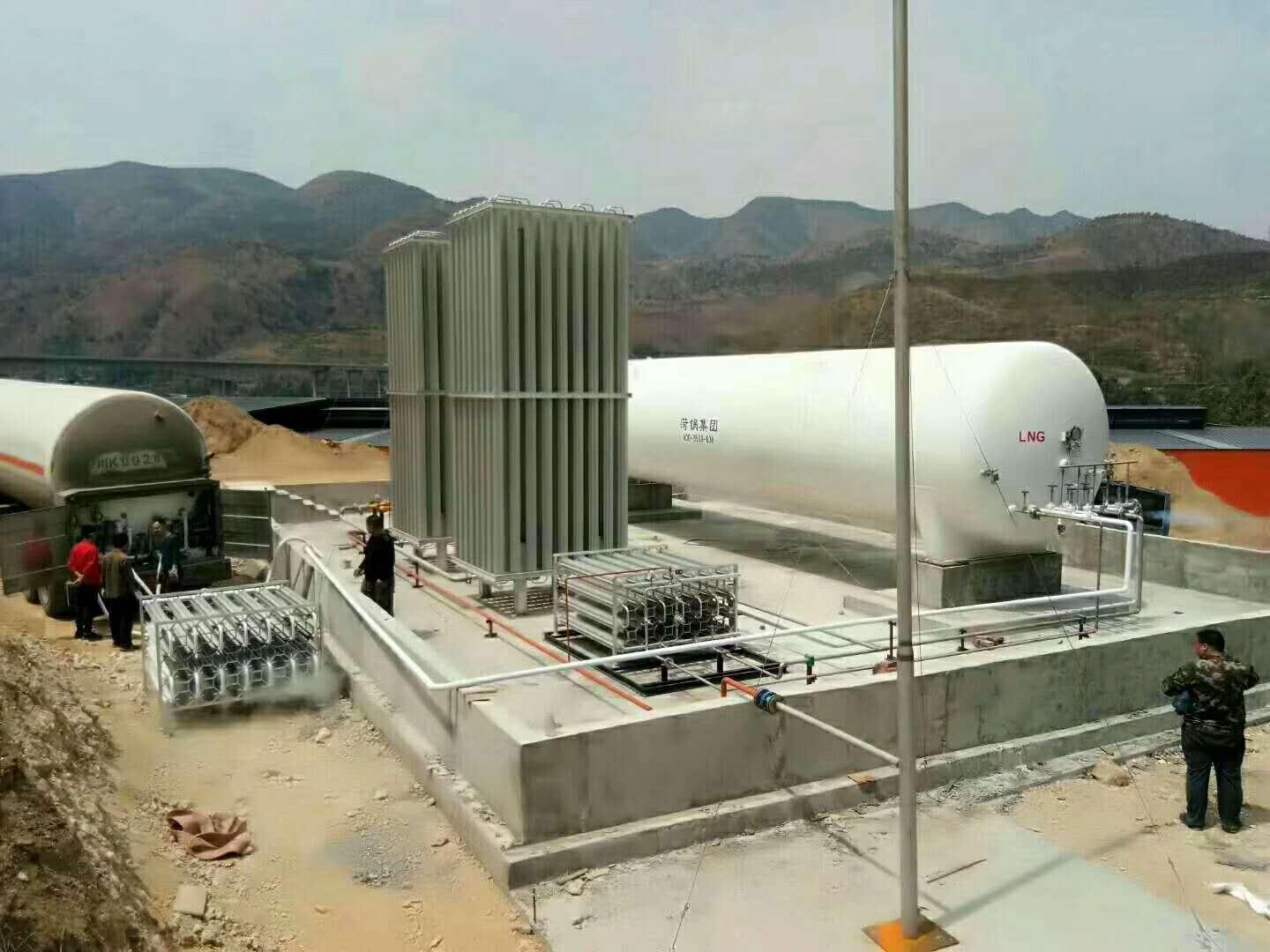

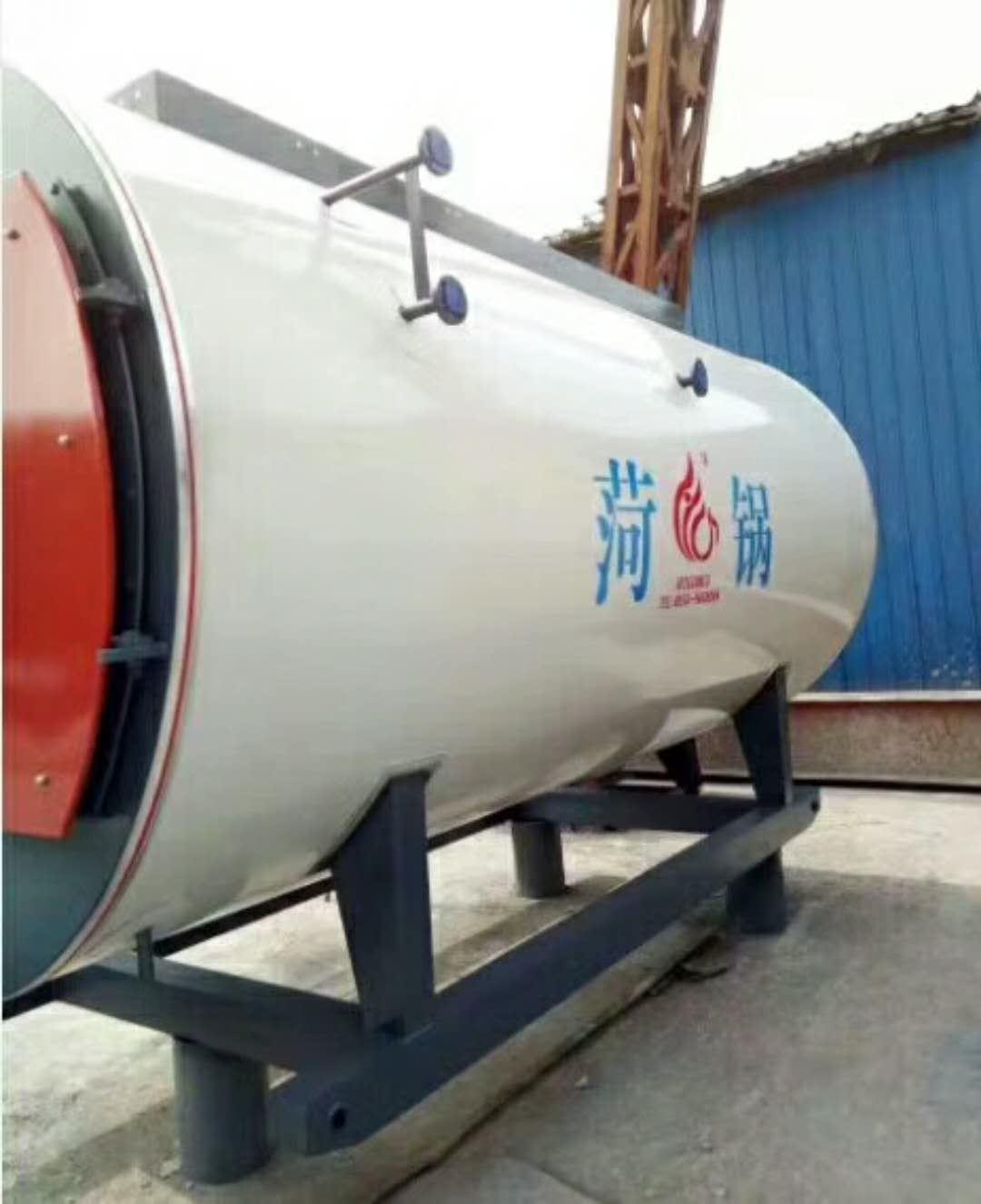
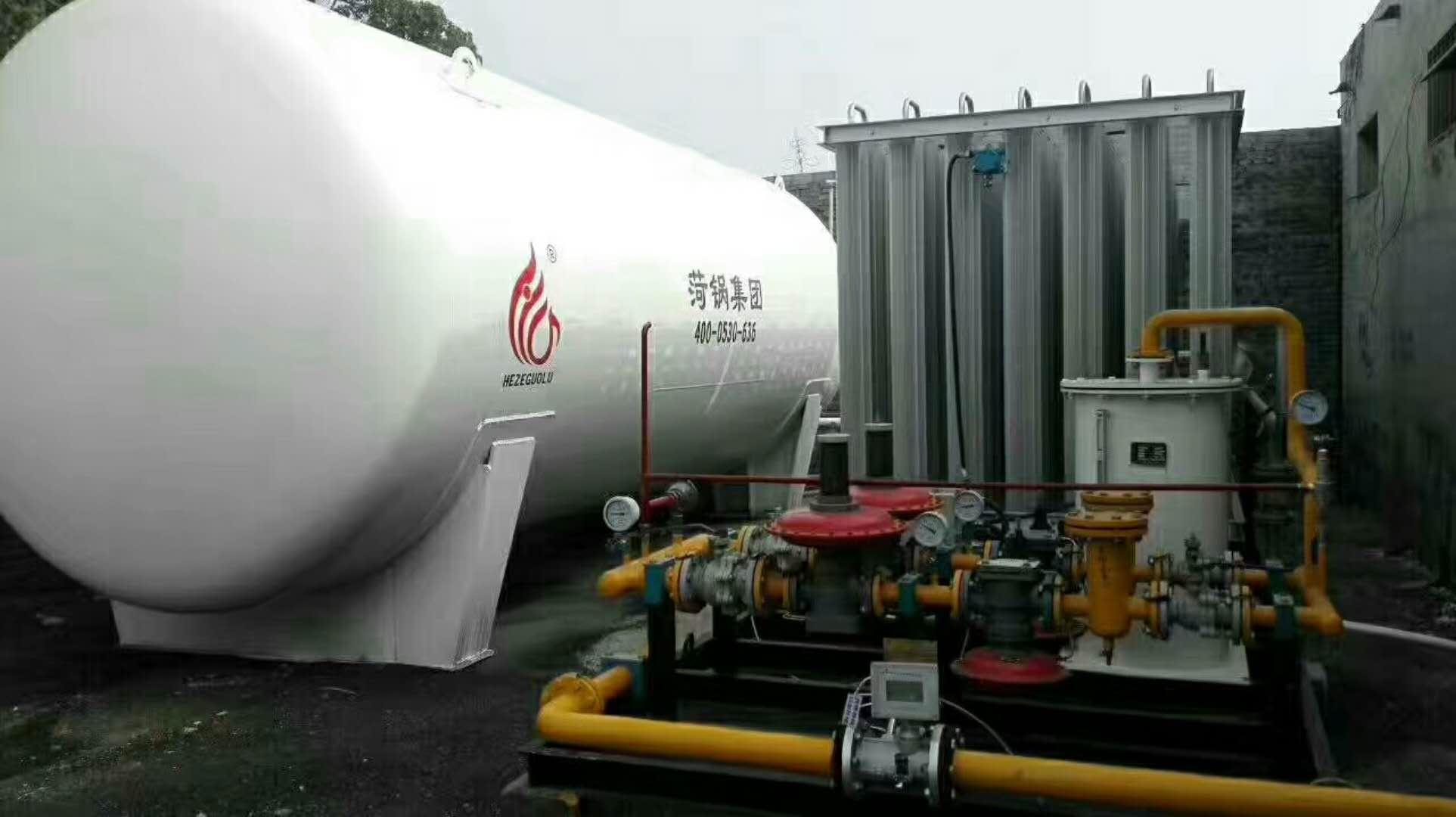



















Liquefied Natural Gas Storage Tank
Low-temperature Liquefied Natural Gas (LNG) Storage Tanks, Manufacturer of LNG Storage Tanks:Heze Boiler Factory Co., Ltd., Manager, Mr. Yu。
LNG above-ground storage tanks are available in five forms: the single-container tank is the most common, which comes in single-walled and double-walled versions. Due to safety and insulation concerns, single-walled tanks are not used for LNG storage. The outer shell of the double-walled single-container tank is made of ordinary carbon steel and cannot withstand the low temperatures of LNG or the gases. It primarily serves to secure and protect the insulation layer. Single-container tanks are generally suitable for use in areas far from densely populated zones and less prone to catastrophic damage, as their structural characteristics require a larger safety distance and land area. The design pressure for single-container tanks is typically around kPa, with an operating pressure of 12.5kPa. For large-diameter single-container tanks, the design pressure is lower, with the BS7777 standard specifying a design pressure less than 14kPa, which is challenging to achieve when the tank diameter is 70-80m. The maximum operating pressure is approximately 12kPa. Due to the lower operating pressure of the equipment, during unloading, the evaporated gas cannot be returned to the LNG ship's cargo hold, necessitating an additional return gas fan. The lower design pressure requires a more powerful recovery and compression system for the evaporated gases, which increases investment and operational costs. While the investment in single-container tanks is relatively low and the construction period is shorter, leakage is a significant issue. According to regulations, the safety distance between single-container tanks is larger, and firebreaks must be set up, thereby increasing land and firebreak investment. No other critical equipment should be present nearby. Therefore, there is a higher requirement for safety inspections and operations.
Liquefied Natural Gas (LNG) Storage Tanks, Low-Temperature LNG Storage Tanks, Manufacturer of LNG Storage Tanks:
Heze Boiler Factory Co., Ltd., Manager Yu。
(1) A trench with a depth of 1.5 em, length of 20,000 cubic meters (2014-7), and width of 2 meters (20 tons) is excavated on the foundation of the storage tank. Figure 3: Electrolytic ion grounding electrode; Figure 4: Electrolytic ion grounding electrode installation diagram. (2) Wipe the grounding electrode clean with a dry cloth, ensuring no oil stains; inject clean water into the ion release holes at the top, middle, and bottom of the grounding electrode. (3) Mix the GAF powdered grounding improvement agent with water, and place it at the bottom of the trench. (4) Place the grounding electrode at a certain angle on the bottom of the trench, covering the top with the improvement agent. (5) Wrap the grounding electrode lead with insulating tape and connect it to the grounding main line using hot melt welding. 5 Static Grounding Setup When LPG is injected into the storage tank, the liquid flow generates charge separation. When the charge accumulates to a certain degree, static discharge occurs. Since static discharge is completed within the nanosecond time frame, the peak current can reach dozens of amperes, making the instantaneous power immense and the static discharge highly destructive. To avoid static hazards: 1) Limit the speed of flammable liquid flow to greatly reduce the generation and accumulation of static electricity; 2) Ensure proper static grounding. Static grounding provides a path for the release of static charges by grounding. The grounding circuit must be connected reliably; otherwise, spark discharges will occur at points of poor contact. The specific method is: welding grounding bolts on the inner wall of the storage tank, connecting them to the outer metal body through 70 mm² insulated copper-core wire to release static electricity. The static grounding connection is shown in Figure 5. Figure 5: Static Grounding Connection Wall 6 Grounding Test Results According to GB 50057-2010, Article 4.3.10, the impact grounding resistance value at each grounding point should not exceed 30 Ω. According to GB 12158-2006, "General Guidelines for Preventing Static Electricity Accidents," Article 6.1.2, to dissipate static charges as quickly as possible in static hazard areas, all objects that are conductors of static electricity must be grounded. The grounding resistance value of each group of dedicated static grounding bodies should generally not exceed 100 Ω. In areas with high soil resistivity, such as the 100 Ω zone, the grounding resistance value should not exceed 1000 Ω. After the lightning protection grounding project is completed, the measured grounding resistance value is 0.8 Ω, and the grounding leads are well connected to the grounding main line, meeting the lightning protection grounding requirements.
LNG Storage Tanks, Low-Temperature LNG Storage Tanks, Manufacturer of LNG Storage Tanks:
Huzhou Boiler Factory Co., Ltd., Manager Yu。
Current transformer secondary circuit open circuit differential protection. The differential protection output is locked or unlocked based on the control word when the secondary circuit of the current transformer is open-circuited and the differential current is low. When the secondary circuit of the current transformer is open-circuited and the differential current is not significant, the differential protection device emits an alarm signal, notifying the dispatch personnel to shut down the transformer for maintenance by reversing the load. This prevents the main transformer from tripping due to the secondary circuit of the current transformer being open-circuited. If the differential current increases to the set value of the open-circuit differential protection (usually the rated current of the transformer, P), the open-circuit differential protection is activated. Thus, the transformer's differential protection operates, causing the main transformer to trip, and the protective device can correctly disconnect the fault current, preventing the accident from escalating. This can be considered a compromise solution, balancing the advantages and disadvantages of the first two methods, achieving good results. For the 1st 110kV substation's 3rd main transformer (capacity 63 MVA, voltage ratio 110kV/10.5kV, connection type YNdll, primary current transformer ratio 600A, secondary current transformer ratio 4000, the differential protection set values are as follows: differential quick-break current set value, ..=4.4A, differential protection start-up set value, ..=0.28A, ratio制动 coefficient set value K=0.5, second harmonic braking coefficient 0.15, open-circuit differential protection set value 0.8. On a certain day at 6:42, an alarm was reported at the 1st substation's back-end, indicating an open circuit in the secondary circuit of the 3rd main transformer's differential protection current transformer, with a sudden change in current of 0.08A and an A-phase differential current of 0.056A. After contacting the dispatch personnel to reverse the load and shut down the power, the equipment was inspected and found to be loose terminal blocks on the SF6 enclosed switchgear. Tightening the terminal blocks resolved the fault.
Heze Boiler Factory Co., Ltd.
Liquefied Natural Gas (LNG) storage tanks consist of the tank body, instruments, pipelines, valves, etc. These tanks are equipped with two types of liquid inlet methods, the upper and lower sections, which can be selected and used as per actual conditions.
The inner tank of the Liquefied Natural Gas (LNG) storage tank is equipped with a safety system device featuring dual safety valves. Under normal operation, one set is in service while the other is on standby. If the safety valve in operation trips, the manual pressure relief valve is immediately opened to depressurize below the tank's working pressure. Simultaneously, the safety device is swiftly switched to the standby system via the manual handle, effectively ensuring the tank's safety. This safety system device consists of safety valves, explosion-proof devices, vent valves, and three-way ball valves, not only reducing pipeline welding but also offering excellent fire and static electricity prevention structures. Additionally, the safety relief openings on the outer shell are fully guaranteed for the entire equipment's safety and reliability. The low-temperature pipeline is centrally extracted for ease of operation and control, and the extraction outlet is designed with a Duralum structure to meet low-temperature requirements and reduce stress on the pipeline due to thermal expansion and contraction, ensuring the tank's safety. The vacuum pump valve is sealed with three "O" rings, effectively ensuring the reliability of the sandwich seal, and is made entirely of stainless steel with a compact size. The top of the LNG storage tank is designed with a hanging structure for easy transportation, lifting, and installation. The unique manhole design ensures the cleanliness of the interior when the inner container is sealed. Vacuum isolation valves and combined vacuum valves with vacuum gauges are used on the LNG storage tank for easy measurement of the sandwich vacuum level and maintenance, extending the tank's lifespan and improving its quality. The LNG storage tank is equipped with a level gauge and pressure gauge for local display of liquid level and pressure. The sandwich insulation material is high-quality domestic pearlescent sand, with the following performance parameters:
Serial Number, Indicator Name, Unit, Indicator
Loose Bulk Density: 50-60 Kg/m³
2 Grain size mm 0.1-0.2, not less than 80%
Thermal Conductivity (at atmospheric pressure, temperature 310-77K) W/m.k.s < 0.026
4 Moisture Content (Weight) % < 0.1
5 Non-puffed Rate % ≤ 1
6 Temperature ℃ -200℃ to 600℃
7 pH Value: 6.5-7.5
Section 3: Inspection, Testing, and Acceptance
1. Inspect the inner cylinder material; use only upon passing inspection.
2. All welds are inspected in accordance with the GB150.1-150.4-2011 standards and drawings. After passing the inspection, A and B class welds undergo 100% X-ray testing, C and D class welds are subjected to 100% penetrant testing, and a test report is issued.
3. After the cylinder assembly is completed, inspect the geometric dimensions, pipe end orientations, and shape deviations according to the GB150.1-150.4-2011 standards and drawings.
4. After passing the inspection, conduct a pneumatic test and issue a pressure test report. Once the pneumatic test is approved, proceed with vacuum extraction. After achieving the required vacuum level, conduct a helium leak test.
5. After interlayer leak test passes, fill with pearlescent sand and then evacuate to achieve the vacuum level required by GB/T18442-2011 standard, and then seal and lock the vacuum level.
Section 4: Technical Documents
1. After the contract is signed, the seller shall provide the following technical documents to the buyer:
⑴ Each set of product quality certificates for the equipment (provided with the equipment)
Including: Certificate of Material for Main Pressure Components, Bill of Materials, Structural Dimension Inspection Report, Inspection Plan, Product Compliance Certificate, Pressure Vessel Product Data Sheet, Welding Records, Non-Destructive Testing Report, Pressure Testing Report, Special Equipment Manufacturing Supervision and Inspection Certificate (Local Inspection Authority), Product Brand Copy
⑵ As-built drawings, 1 set each (provided with the equipment)
Each set of strength calculation documents (provided with the equipment)
⑷ 1 user manual per unit (provided with the equipment)
1 set of equipment process flow diagram and 1 basic reference diagram (to be provided within 7 days of contract signing)
⑹ 1 Certificate of Conformity for accessories, 1 Calibration Report for instruments (provided with the equipment)
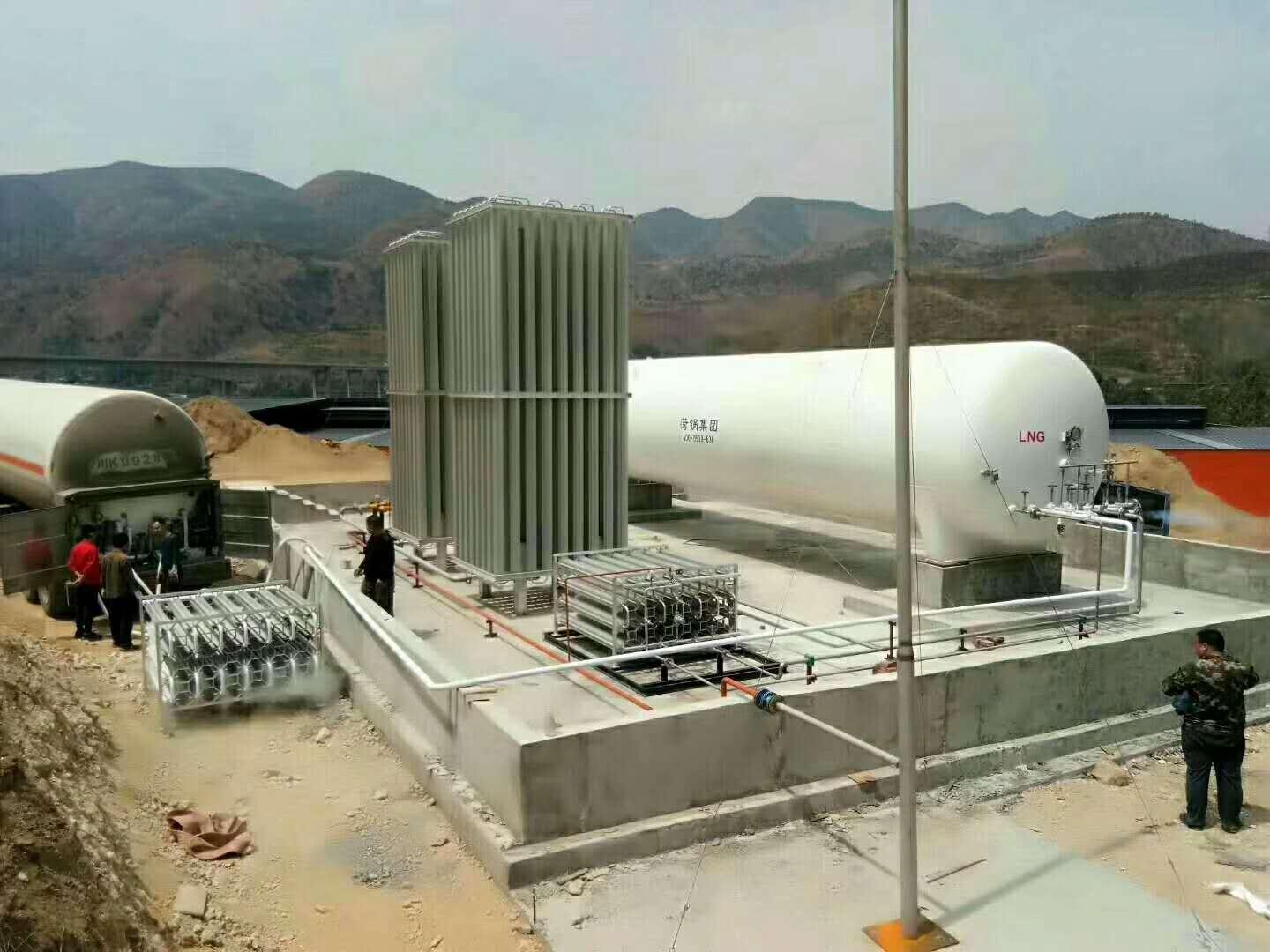


Specialty Manufacturer of LNG Tanks - Renowned LNG Tank Pricing - Where to Customize LNG Tanks - Where to Buy LNG Tank Production



















