



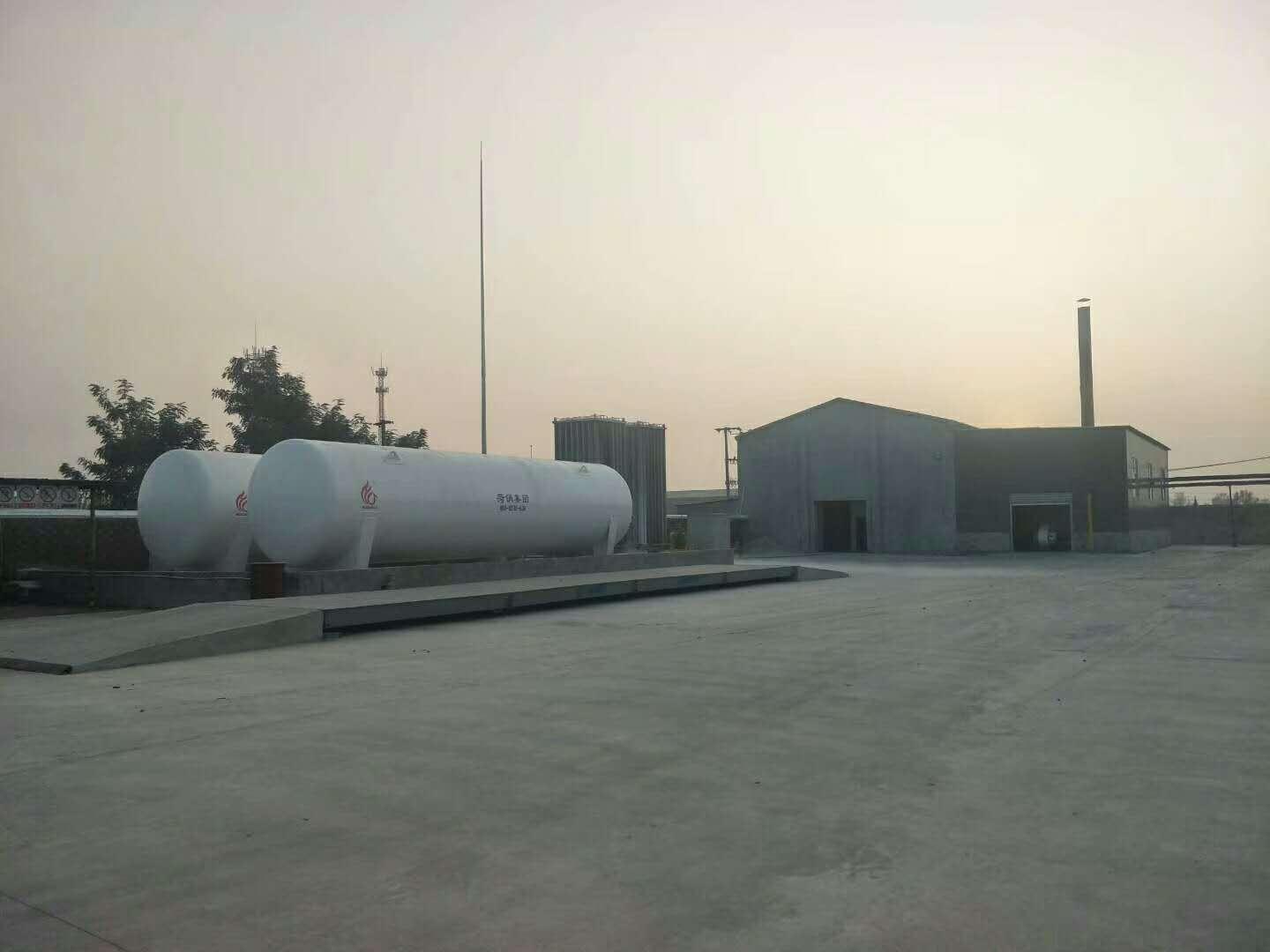

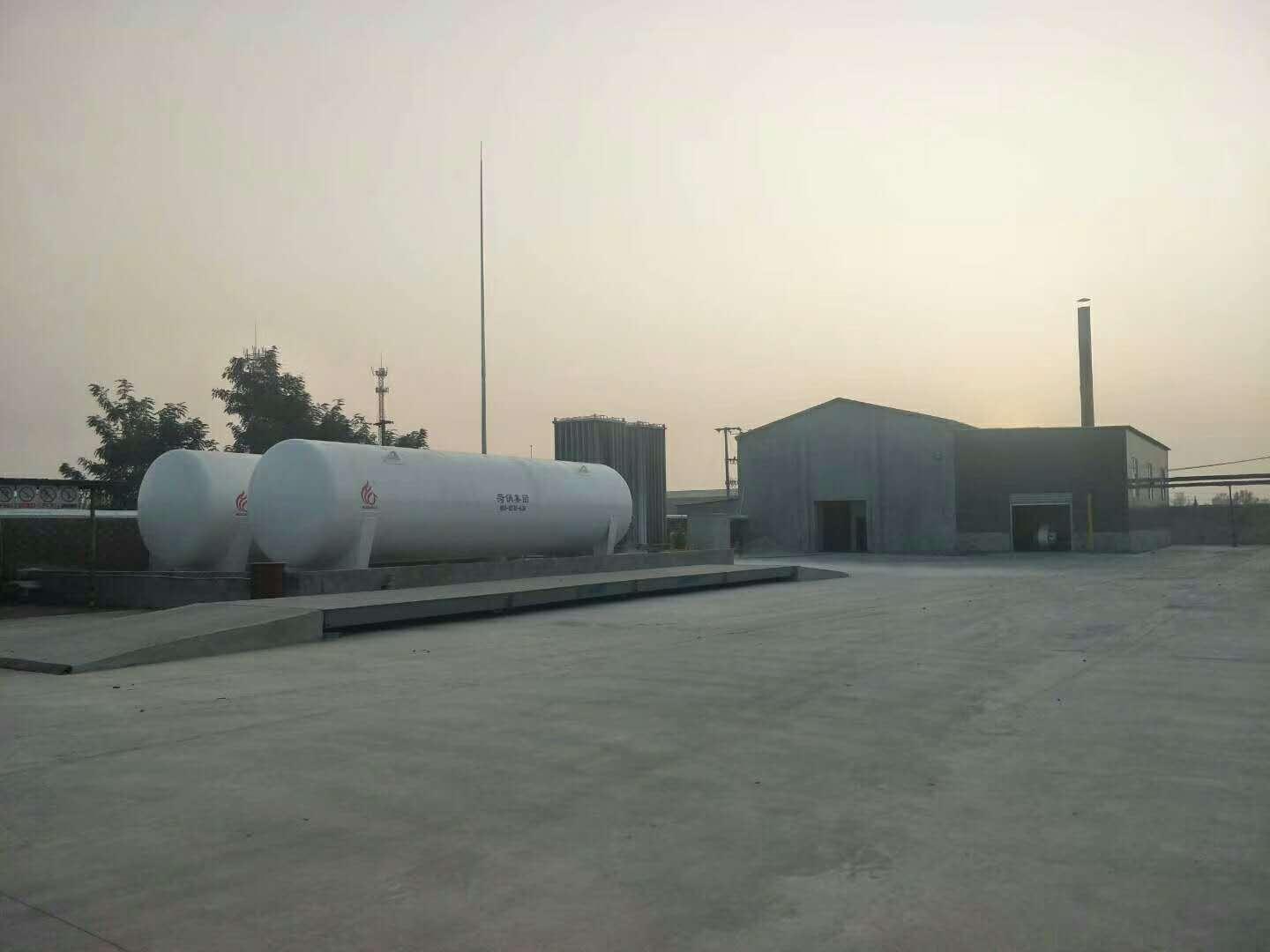
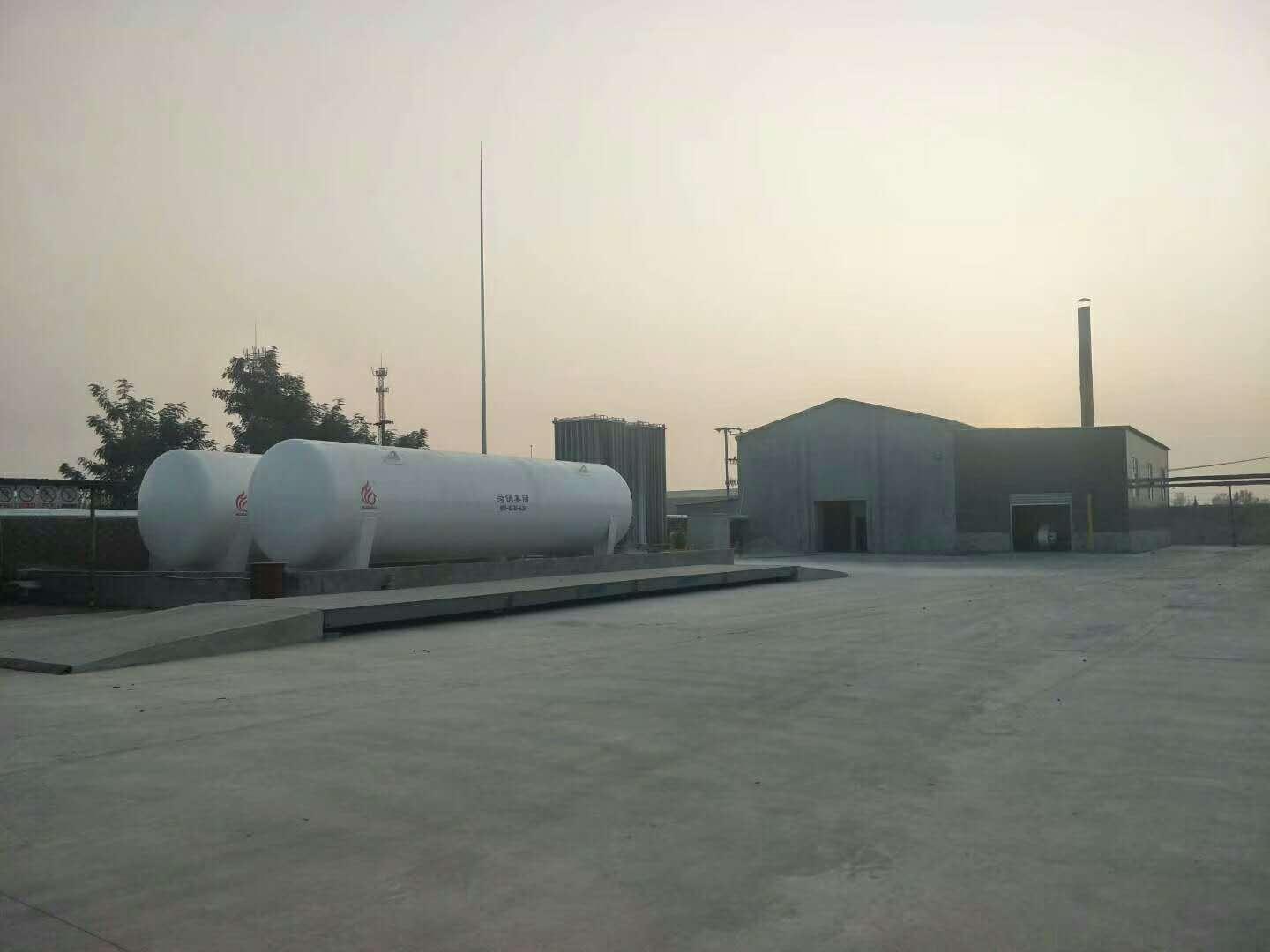



















 Huzhou Boiler Factory Co., Ltd. was established in1984Year, located in the Jinhua Road, Development Zone, Heze City2218Number, occupies10Over 10,000 square meters, main workshop area30000㎡. Current staff800Multiple personnel, including engineering technicians110Rester, Fixed Assets2.5Billions.
The company possessesBGrade A boiler manufacturing qualificationA2Grade pressure vessel design and manufacturing qualifications2Grade boiler installation andGB、GCClassification of pressure pipeline installation qualifications, equipment and machinery installation qualifications, etc. The company values scientific research and innovation, and is recognized as a national high-tech enterprise, a famous trademark enterprise in Shandong Province, a provincial energy-saving and environmental protection demonstration enterprise, and a member of the China Chemical Equipment Association.
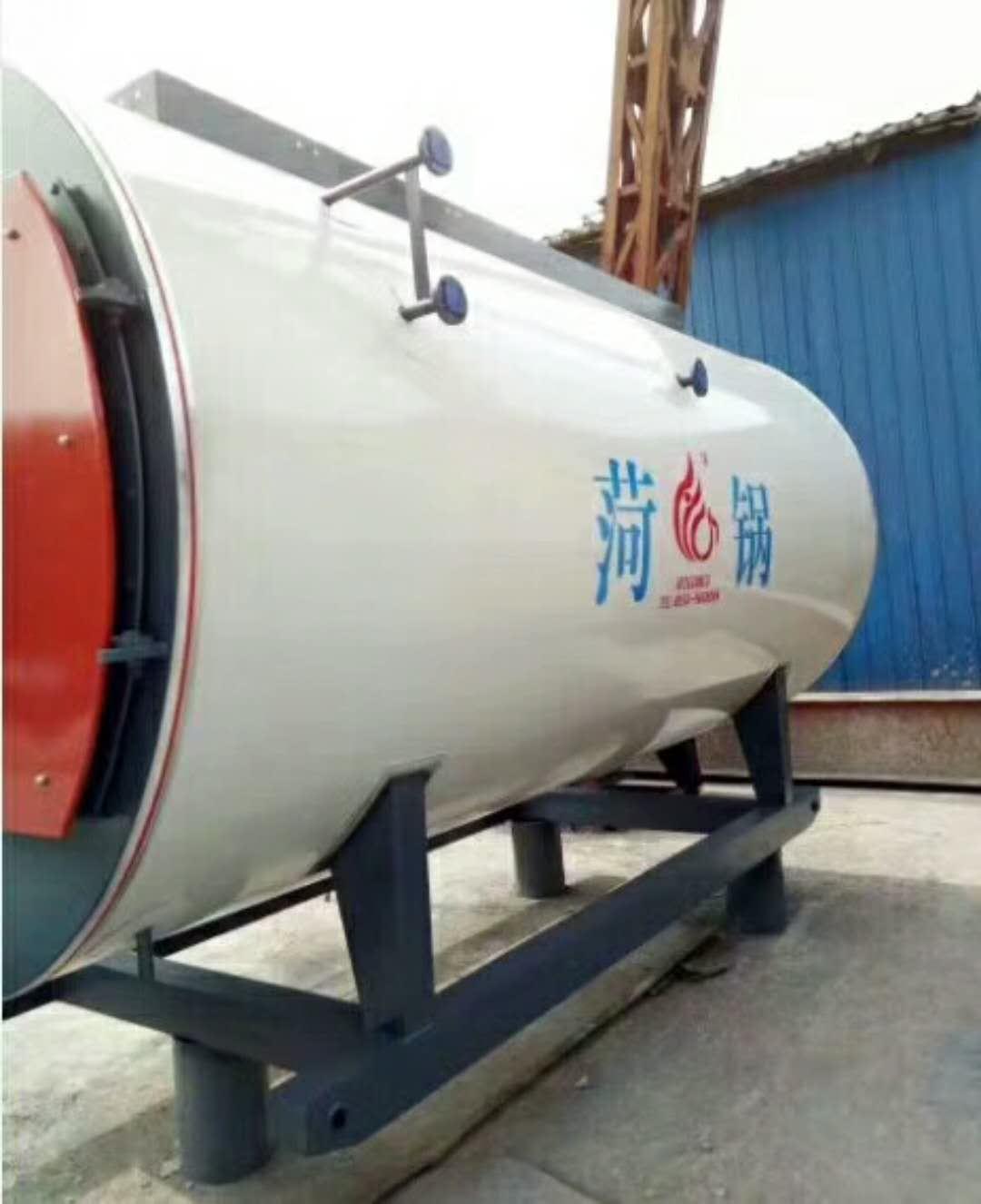
The company is highly focused on the special equipment industry of green energy, specializing in the professional manufacturing of boilers and special pressure vessels. Leading products include: fuel oil(Gas)Boilers, biomass boilers, waste heat boilers, coal-fired boilers, organic heat carrier boilers, and other boiler products. LNGTanks, Oxygen/Nitrogen/Argon Storage TanksCO2Tanks and vacuum-insulated cryogenic pressure vessels; LPG storage tanks, liquid ammonia storage tanks, denitrification and auxiliary equipment, heat exchangers, complete chemical equipment sets, stainless steel pressure vessels, refrigeration auxiliary equipment, and other pressure vessel products.
The company is managed with high standards and efficiency, throughISO9001Quality Management SystemISO14001Environmental Management SystemOHSAS18001Occupational Health and Safety Management System Certification. The company holds independent import and export rights, and its products are widely distributed to over 20 provinces, municipalities, and autonomous regions, as well as exported to Southeast Asia, Central Asia, Africa, Latin America, and other countries and regions, receiving high praise from customers.
Company specializes in“Ascend to be a top-tier supplier of special equipment in China, and redefine Chinese manufacturing.”In pursuit of our development vision, the company adheres to“Realizing employee dreams, creating customer value, and striving for the prosperity of our homeland.”Our corporate mission is dedicated to the advancement of the green special equipment industry, providing outstanding products and services to contribute to society.

液化天然气储罐厂家:
液化天然气储罐生产厂家:Huzhou Boiler Factory Co., Ltd.
Section 1: Safety Operating Procedures for LNG Tanks
1.1.1 Storage Tank Operating Process Specifications
1)Highest AllowableWork Pressure: 0.86MPa
2)DesignTemperature: -196℃
1.1.2 Tank Liquid Filling Procedure
1.1.2.1 Preparation
1) Requirements for Operators: Operators must be certified after completing safety education and technical training, and must wear necessary personal protective equipment and work uniforms during operations.
2) Pressure Test Requirements
3) All equipment should undergo pressure tests in accordance with design specifications prior to operation.
4) The test pressure gas should be dry nitrogen with oxygen content not exceeding 3%, water vapor pressure not exceeding -25°C, and free of oil contamination.
5) Purge Replacement Requirements: Purge replacement is a safety measure to ensure the safe filling of liquids into equipment. It should first be purged with nitrogen containing no more than 3% oxygen, while ensuring there is no oil contamination and the dew point of moisture is no greater than -25°C. Then, replace it with LNG to reach the required purity of the liquid before allowing the filling of liquids.
6) Pre-cooling: After pressure testing passes, the equipment must be pre-cooled using liquid nitrogen to ensure reliable low-temperature operation. The tank must be purged and pre-cooled with nitrogen prior to its first use. The high purge pressure should be equivalent to 50% of the high working pressure, or less than this pressure.
1.1.2.2 Initial Liquid Filling Operation for Storage Tank
1) Open both the upper and lower inlet valves simultaneously for filling. At the same time, open the overflow valve to discharge the gas in the storage tank. Close the overflow valve immediately upon the release of LNG gas.
2) When the tank is filled to over 50% of its volume, the lower liquid inlet valve should be closed.
When the tank is filled to 85% of its capacity, close the inlet valve, stop filling for 5 minutes to allow the liquid level to settle, then reopen the inlet valve and continue filling until liquid overflows from the full overflow valve. Immediately close the full overflow valve, stop filling, and close the inlet valve.
4) When initiating fluid filling, loosen the joints at both ends of the level gauge, fully open the liquid phase indicator valve and the gas phase indicator valve to check if moisture is present in the exhaust gas flow. If moisture is detected, continue to discharge until it stops. Then, tighten the joints at both ends of the level gauge and close the balance valve to ensure the level gauge operates normally.
1.1.2.3 Tank Refueling Operation Procedure
1) After the first formal filling, the vapor pressure inside the tank should be reduced as much as possible during subsequent refilling.
2) Fill both top and bottom simultaneously. When the liquid level gauge shows approximately 50% full, close the lower liquid inlet valve. When the filling reaches 85% of the storage tank's capacity, close the upper liquid inlet valve and stop filling for 5 minutes to allow the liquid level to settle. Then, reopen the upper liquid inlet valve and continue filling until liquid starts to discharge from the overflow valve. Close the overflow valve and simultaneously close the upper liquid inlet valve to stop filling.
3) Observe the pressure gauge and level gauge during the filling process. (If the pressure rises above the filling pressure or near the safety valve pressure, it is necessary to open the gas release valve to discharge an appropriate amount of gas from the tank's vapor phase.)
4) Fill out the operation record form
2. Tank Pressure Boosting Operation Procedure
1) The pressure boosting system is a pressure regulating system for storage tanks. When the tank pressure falls below the set value, we open the pressure boosting valve to increase the pressure in the tank.
2) During operation, open the boost liquid phase valve to allow LNG to enter the boost gasifier directly. After vaporization, it passes through the BOG and into the storage tank. At this point, closely monitor the pressure and close the boost liquid phase valve once the tank pressure reaches the required level.
3) Cautionary Notes:
a) During operation, the LNG tank must maintain a liquid level of ≥15%.
b) Personnel must not leave the site during the operation of the boost system.
c) When the boost system is in operation, the pressure relief system should be in the off state.
3. Tank Discharge Operation Procedure
Preparation work:
1) Check that the tank's pressure gauge, level gauge, thermometer, flammable gas detector, and safety valve are all operating normally.
Check if the pipeline valves, pressure gauges, and safety valves are in normal working condition.
3) Prepare all explosion-proof tools and wear appropriate safety equipment.
Section 2: Vaporizer Safe Operation Procedure
1) When operating, first close the inlet and outlet valves in the system, then gradually open the inlet valve. Once frost forms on the pipe, slowly open the exhaust valve until the desired vaporization amount is reached, then stabilize the valve opening.
2) If frost is found on the exhaust pipe, indicating excessively low exhaust temperature, it means the liquid intake is too great. The intake valve must be immediately adjusted to a smaller opening to prevent overflow, and the frost on the outside of the pipe should be cleared, along with increasing ventilation equipment or taking other corresponding measures.
3) The vaporizer must be oil-free. Wear oil-free insulated gloves during operation. If the vaporizer is contaminated with oil, clean the heat exchange tubes. Use hot water between 60-80°C for cleaning, and if necessary, use nitrogen heated to 80-100°C for blowing. Continue until oil-free and dry.
4) In severe cases, use carbon tetrachloride for cleaning. Be extra vigilant during the process, and wear a gas mask if the odor is intense. After the chemical solution is washed off, rinse with oil-free and impurity-free water until no trace of the chemical is present. Then, use nitrogen heated to 80-100°C to blow away the moisture, and confirm that it is completely dry.
5) Conduct semi-annual leak checks on the evaporator and all pipeline systems, and maintain records.


专业制造LNG储罐报价-现货LNG储罐生产商-正品LNG储罐-正规LNG储罐生产



















