


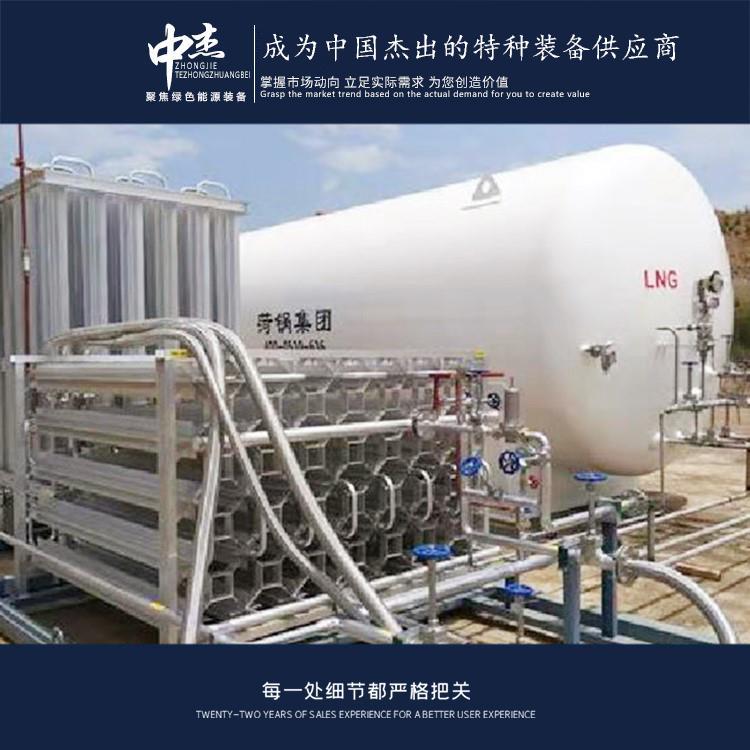

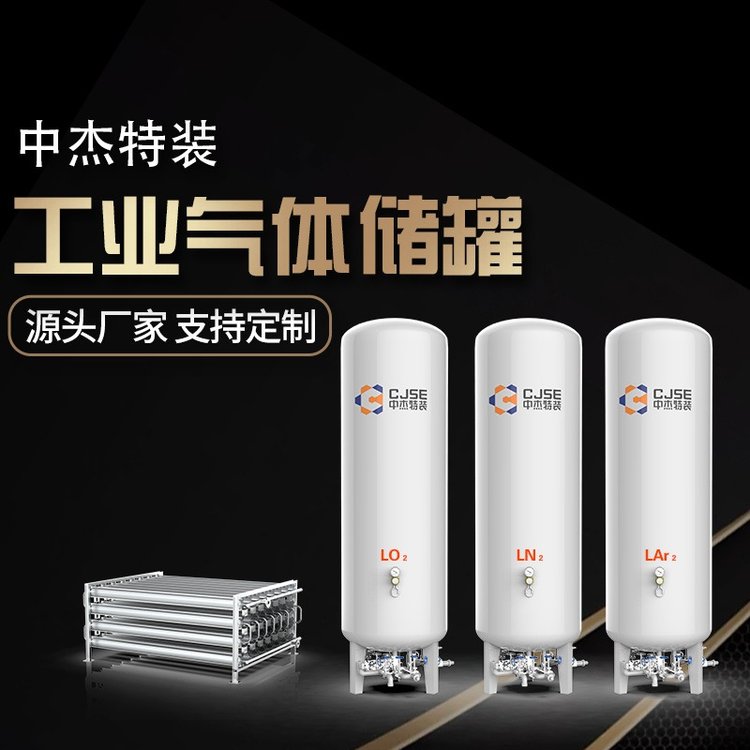


















Shandong Zhongjie Special Equipment Co., Ltd. specializes in: fuel (gas) boilers, organic heat carrier boilers, biomass boilers, waste heat recovery boilers, and other boiler products; vacuum insulation cryogenic pressure vessels such as LNG tanks, oxygen/nitrogen/argon tanks, CO2 tanks; pressure vessel products including denitrification engineering equipment, heat storage and energy storage equipment, and complete chemical equipment; central air conditioning and HVAC equipment such as ground (water) source heat pumps, air source units, water-cooled screw units, and air-cooled modules. Planned products include large-scale energy centers, LNG transport vehicles, LNG tank containers, and other green energy equipment.
Installation and operation of low-temperature carbon dioxide storage tanks must comply with the following requirements:
Installation Location Selection: When selecting the installation location for the tank, consider the tank's weight and dimensions to ensure a solid and stable foundation. Additionally, keep the tank away from flammable and explosive materials and high-temperature sources to ensure safety.
Safety Distance: Maintain a certain safety distance around the tank for daily inspections, maintenance, and emergency response. The safety distance should adhere to relevant safety regulations and standards.
Connecting Pipes: Use appropriate connection methods between the tank and pipes to ensure tight and reliable connections with no leaks. The connecting pipes should meet relevant standards and regulations.
Pressure Relief Devices: The tank should be equipped with pressure relief devices, such as safety valves, to control internal tank pressure. The set pressure of the pressure relief devices should meet relevant requirements and be inspected and maintained regularly.
Sealability Inspection: Regularly check the tank's sealing performance to ensure there are no leaks. Pay special attention to the sealing of valves, pipe connections, and the tank itself.
Temperature Control: Low-temperature carbon dioxide storage tanks require temperature control to maintain the internal low-temperature state. Ensure the surrounding environmental temperature is suitable and take corresponding insulation measures.
Safety Protection: Set up appropriate safety protection facilities around the tank, such as guardrails and warning signs, to remind personnel of safety and prevent unauthorized access to the tank.
Storage Capacity Control: Control the storage capacity of the tank according to actual needs to avoid exceeding the rated capacity. Exceeding the rated capacity may cause excessive tank pressure, increasing safety risks.
Storage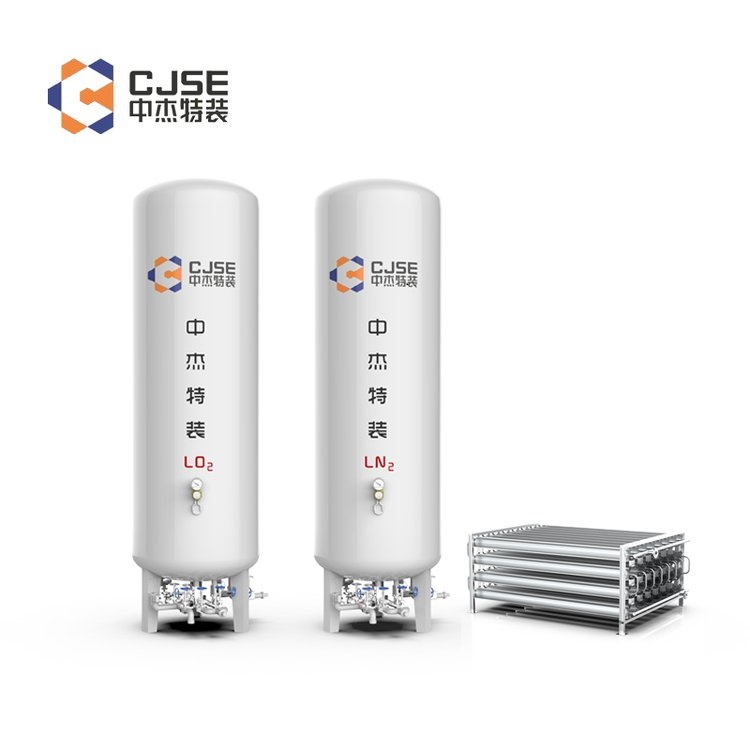
Charging a carbon dioxide tank involves injecting liquid carbon dioxide into the tank. Here are some precautions to consider when charging a carbon dioxide tank:
- Safe Operation: Adhere to relevant safety procedures during carbon dioxide tank charging. Operators should be trained to understand the tank's characteristics and safety concerns to ensure safe operations.
- Tank Capacity Control: Ensure that the filling process does not exceed the tank's rated capacity. Overfilling can lead to excessive pressure, increasing safety risks.
- Filling Rate Control: Maintain a moderate filling rate to avoid too fast or too slow. Excessive speed can cause high internal pressure, while slow speed may lead to extended filling times.
- Temperature Control: Monitor the temperature of the liquid carbon dioxide during filling. High temperatures can cause rapid evaporation, and low temperatures can lead to solidification.
- Pressure Control: Keep the internal pressure of the tank under control during filling. High pressure can cause tank rupture or leakage, while low pressure may result in inadequate filling.
- Level Monitoring: Regularly check the tank's level during filling to ensure accurate measurements and avoid overfilling or underfilling.
- Pressure Relief Devices: The tank should be equipped with pressure relief devices, such as safety valves, to control internal pressure. The set pressure should meet relevant requirements and be regularly inspected and maintained.
- Environmental Protection: Be mindful of environmental protection during filling to prevent leaks and contamination. Use appropriate protective measures like sealed connections and protective devices.
- The above precautions are for carbon dioxide tank charging. Follow safety regulations and standards during filling operations and consult with experts to ensure safety and effectiveness.
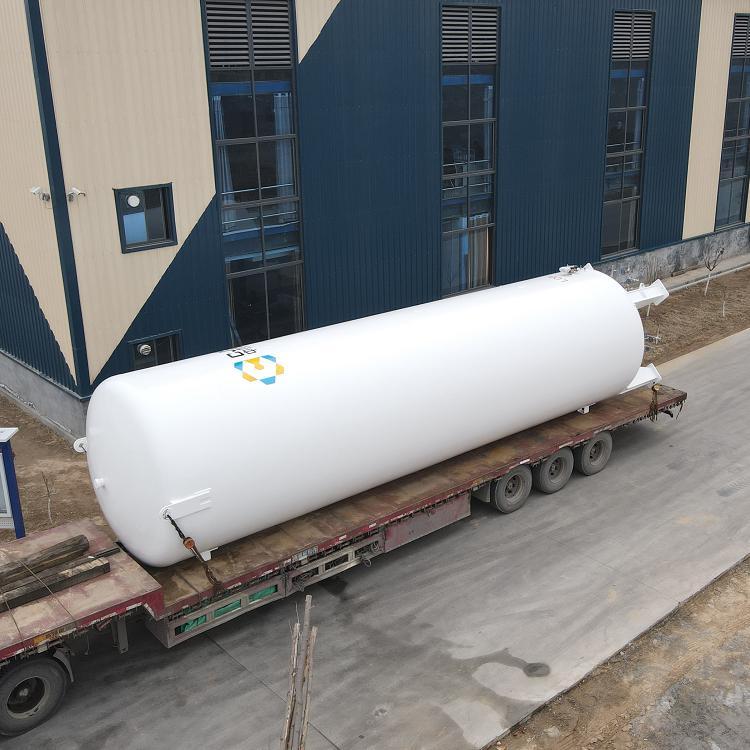
Carbon dioxide tanks fall under the category of pressure vessels. Pressure vessels are sealed containers designed to withstand internal pressure, used for storing and transporting gases, liquids, or mixtures. A carbon dioxide tank is a pressure vessel specifically designed for storing and transporting carbon dioxide, featuring unique design and structure to ensure safe storage and use of the gas. Depending on design and application, carbon dioxide tanks can be either vertical or horizontal, with varying capacities and pressure ratings. When using carbon dioxide tanks, it is essential to comply with relevant regulations and standards to ensure safe operation and usage.
The application standards for liquid carbon dioxide storage tanks primarily include the following aspects:
Zhongjie Special Equipment upholds the grand vision of "realizing employees' dreams, creating value for customers, and striving for the prosperity and strength of our motherland," and is dedicated to the development of the green energy equipment industry. We offer society high-quality products and services at competitive prices!
WeChat Official Account

Scan to follow Official Account



















