


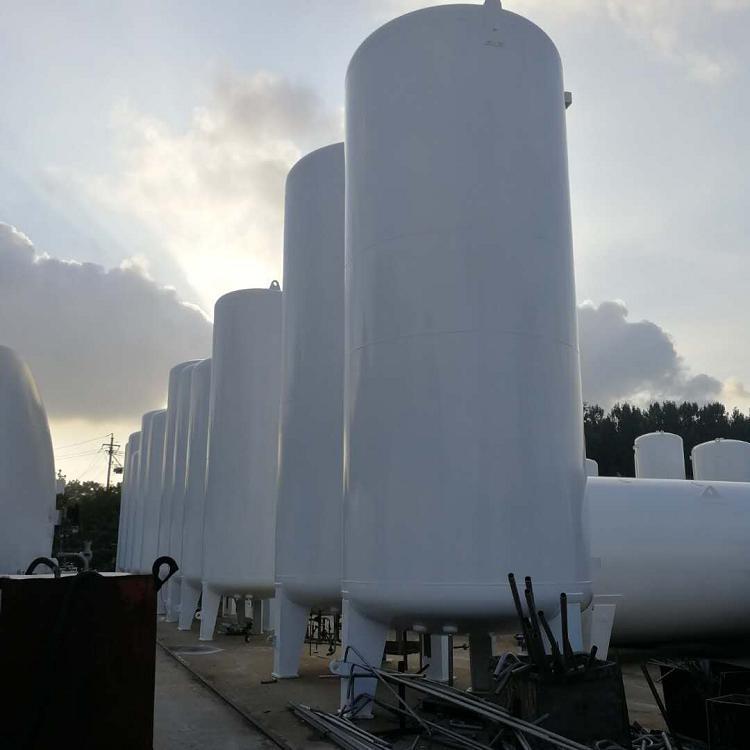

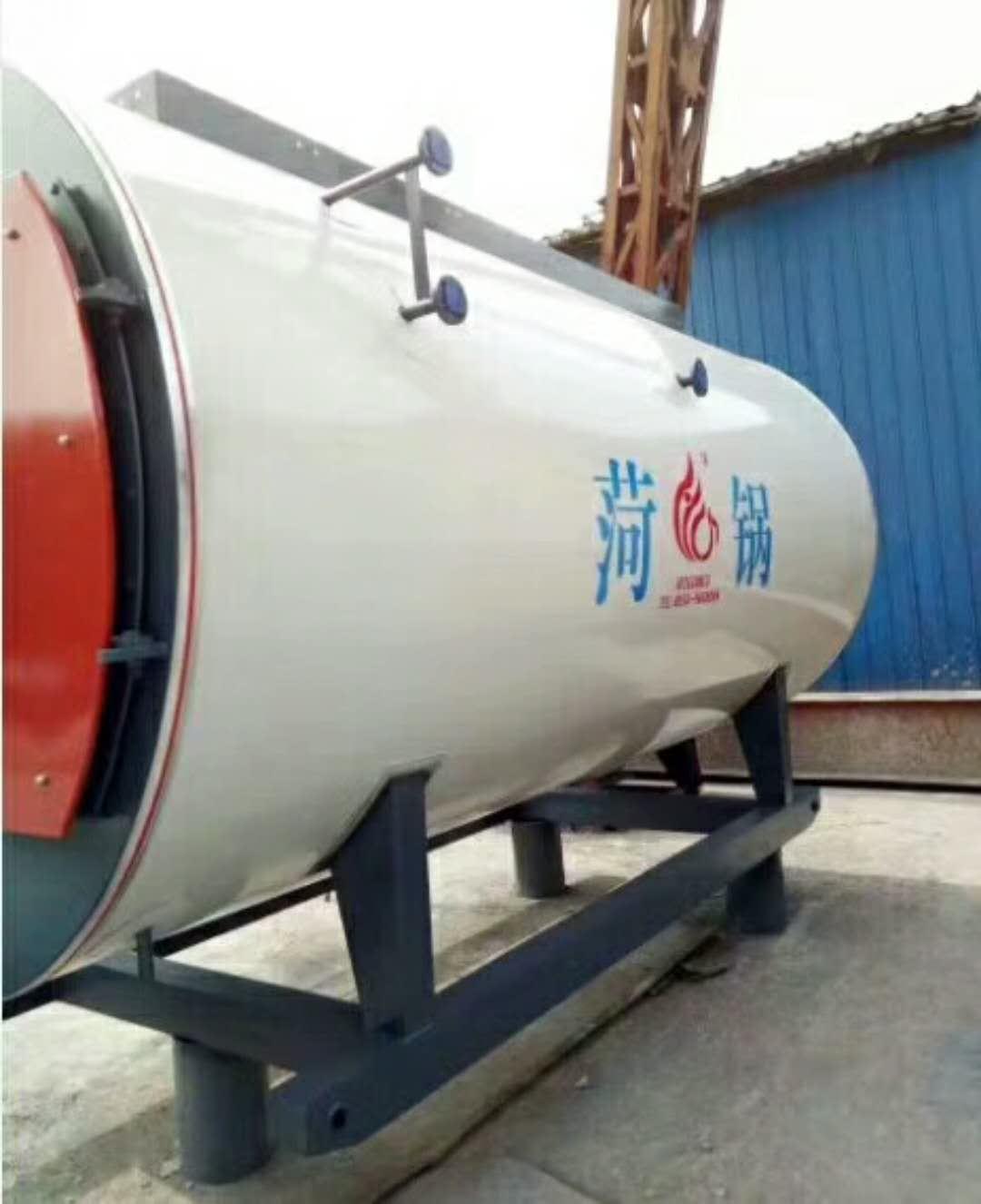


















Shandong Zhongjie Special Equipment (formerly Heze Boiler Factory Co., Ltd.) holds an A-grade boiler manufacturing license, A2-grade pressure vessel manufacturing license, A2-grade pressure vessel design license, B-grade boiler installation license, and GB2/Class, GC2/Class pressure pipeline installation license, as well as a qualification for electromechanical equipment installation contracting. It is a member of the China Boiler and Water Treatment Association, the China Chemical Equipment Association, and a director unit of the Shandong Equipment Manufacturing Association. The company has also passed certifications for the ISO9001 Quality Management System, ISO14001 Environmental Management System, OHSAS18001 Occupational Health and Safety Management System, and the American ASME/U2 certification.
Carbon dioxide and liquid oxygen storage tanks are containers used for storing different gases; they have some differences in their physical properties:
Physical State: Carbon dioxide is a gas at room temperature and pressure, and it needs to be at low temperatures and high pressures to become a liquid. Liquid oxygen is a liquid at room temperature, and it requires low temperatures to solidify.
Boiling and freezing points: The boiling point of carbon dioxide is -78.5 degrees Celsius, and its freezing point is -56.6 degrees Celsius. The boiling point of liquid oxygen is -183 degrees Celsius, and its freezing point is -218.8 degrees Celsius. The boiling and freezing points of liquid oxygen are significantly lower than those of carbon dioxide.
Density: Liquid oxygen has a high density, approximately 1.14 grams per cubic centimeter. Carbon dioxide has a lower density, about 0.00198 grams per cubic centimeter. The density of liquid oxygen is about 570 times that of carbon dioxide.
Pressure: Liquid oxygen has a higher pressure, typically ranging from tens to hundreds of MPa (megapascals). Carbon dioxide has a lower pressure, usually within a few MPa (megapascals).
Safety: Liquid oxygen contains a high concentration of oxygen, which is easily ignited and can cause fires and explosions. Carbon dioxide also poses asphyxiation risks at certain concentrations.
Note that carbon dioxide and liquid oxygen are highly flammable and explosive substances. Strict adherence to relevant safety operation procedures and standards, as well as necessary safety measures, is required during storage and use to ensure the tank's safety and stability.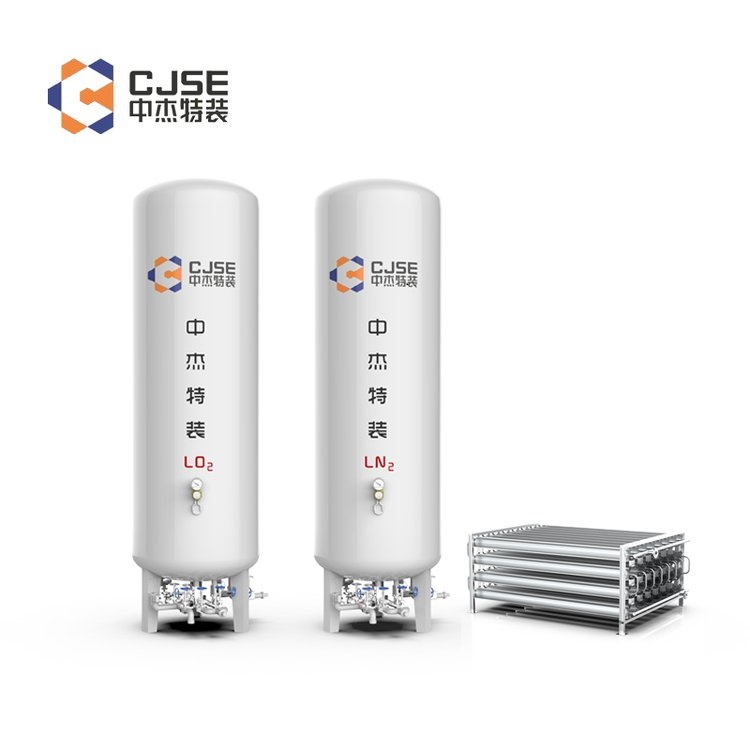
The oxygen-filling process for liquid oxygen tanks must adhere to specific operational procedures and safety measures. Here are the steps for filling a liquid oxygen tank:
Preparation: Ensure that the tanks and oxygen-filling equipment are in good working condition, and check the tank's sealing and the normal operation of the safety valves.
Connect equipment: Link the oxygenation equipment to the storage tank, ensuring the connection is sealed reliably.
Prepare liquid oxygen: Transfer the liquid oxygen from the storage container to the storage tank of the oxygen-filling equipment. During the transfer, be cautious to avoid any leakage of liquid oxygen or contact with it.
Oxygen Filling Operation: Open the valve of the oxygen filling equipment and fill liquid oxygen from the oxygen storage tank into the storage tank. During the filling process, control the filling speed and pressure to avoid excessive pressure and temperature rise in the storage tank.
Monitoring and Control: During the aeration process, it is necessary to monitor the tank's pressure and temperature to ensure they remain within safe limits. In the event of any anomalies, the aeration should be halted immediately and appropriate actions taken.
Oxygen Filling Completed: Close the valve of the oxygen filling equipment and stop the filling operation once the tank reaches the required oxygen level or pressure.
Safety Handling: After oxygenation is complete, safety handling is required, including closing relevant valves and emptying the remaining liquid oxygen from the oxygenation equipment.
Note that liquid oxygen is highly oxidizing and flammable; the oxygen-filling process must strictly adhere to relevant safety operation procedures and standards. Operators should receive training and strictly follow the operational procedures and safety measures to ensure the safety and reliability of the oxygen-filling process.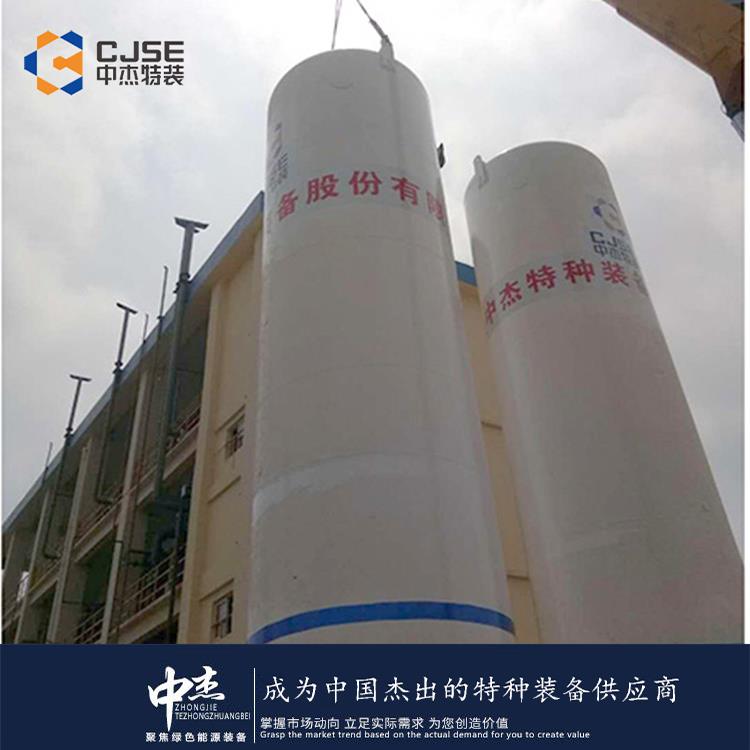
Operation procedures for liquid oxygen storage tanks should be established based on specific tank design and usage requirements. The following are some common contents of general operation procedures for liquid oxygen storage tanks:
- Operator Training: Ensure operators have received relevant training for liquid oxygen storage tanks, understanding the tank's structure, performance, operation procedures, and safety precautions.
- Safety Inspections: Conduct necessary safety checks before operating the liquid oxygen storage tank, including checking the tank's integrity, the sealing of valves and pipes, and the condition of the insulation layer.
- Liquid Oxygen Supply: Ensure the liquid oxygen supply system is functioning properly, including inspecting the status of liquid oxygen supply pipes, valves, and pressure gauges, and ensuring an adequate supply of liquid oxygen.
- Tank Pressure Control: Monitor the pressure of the liquid oxygen storage tank to ensure it remains within a safe range. If necessary, control the tank's pressure by adjusting pressure valves or pressure relief devices.
- Leak Control: Regularly inspect the sealing of the tank and pipes to ensure there are no leaks. In case of a leak, take immediate measures for leak control and notify relevant personnel.
- Fire Prevention Measures: Prohibit open flames and prevent sparks and high-temperature objects from contacting the tank around the liquid oxygen storage tank. Establish fire prevention facilities and fire extinguishing equipment, and check and maintain them regularly.
- Safety Distance: Maintain a certain safety distance around the liquid oxygen storage tank to prevent the spread of fires, explosions, and leaks.
- Maintenance and Repair: Regularly perform maintenance and repairs on the tank, including cleaning the tank, inspecting the insulation layer, valves, and pipes, to ensure the tank operates normally.
- Waste Disposal: Properly dispose of waste generated by the liquid oxygen storage tank, including liquid oxygen residues, waste gases, and waste liquids, following relevant environmental protection regulations and standards.
Note that operation procedures for liquid oxygen storage tanks should be established based on specific tank design and usage requirements and should comply with applicable regulations, standards, and safety guidelines. When operating liquid oxygen storage tanks, cooperate with local regulatory agencies and individuals to ensure the tank's safety and reliability.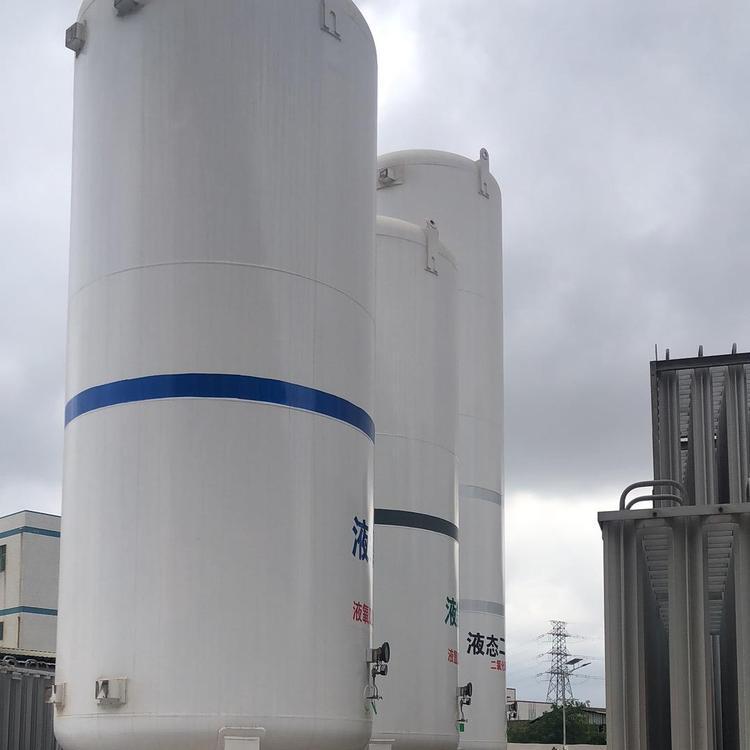
Daily inspection of liquid nitrogen tanks primarily includes the following aspects:
Appearance Inspection: Check for any obvious damage, deformation, or corrosion on the tank's exterior, including the tank walls, valves, pipes, and joints.
Sealability Inspection: Inspect the storage tank's sealing performance, including checking for any leakage at valve and pipeline connections, as well as verifying the proper functioning of the tank's exhaust and safety valves.
Pressure Check: Verify that the tank's pressure gauge is functioning properly and that the pressure is within the normal range to ensure the tank operates correctly.
Level Check: Verify the liquid nitrogen tank's level to ensure it stays within the normal range, preventing issues caused by levels that are too high or too low.
Insulation Layer Inspection: Check if the insulation layer of the storage tank is intact, for any signs of damage or detachment, to ensure effective insulation and reduce the evaporation loss of liquid nitrogen.
Leak Inspection: Check for signs of liquid nitrogen leakage around the storage tank, including frost, ice, or liquid nitrogen stains on the ground.
Safety Equipment Inspection: Check that the storage tank's safety equipment, such as leak detectors, alarm systems, and safety valves, are functioning properly to ensure the tank's safety.
Cleaning Inspection: Regularly clean the interior of the tank to remove accumulated impurities and dirt, maintaining the tank's cleanliness and hygiene.
The above lists the key daily inspections for liquid nitrogen tanks. The specific inspection items should be adjusted and supplemented based on the tank's model, usage, and relevant regulations. During the inspection process, strict adherence to operational procedures and safety requirements is essential to ensure the safe operation of the tank.
Our company attaches great importance to technological innovation and R&D design, boasting one municipal-level enterprise technology center in Heze City. We have established testing facilities for non-destructive testing, physical and chemical testing, welding testing, hydrostatic testing, and more. We are equipped with over 600 types of equipment, including CNC machine tools, X-ray flaw detectors, digital ultrasonic flaw detectors, mechanical property testing machines, chemical analyzers, spectrometers, tensile testing machines, plasma welding machines, and others. The key products we have developed, such as welding technology for temperature and pressure vessels, biomass boiler emission reduction, and waste heat utilization, have successively been included in multiple Shandong Provincial Department of Industry and Information Technology science and technology innovation projects, key projects of Shandong Province, and Heze City innovation and excellence projects. We have accumulated 27 authorized utility model patents, 16 authorized invention patents, participated in drafting 2 standards, 2 industry standards, and registered 15 trademarks. Our technical team, in collaboration with Professor Yajiang Li of Shandong University, has developed deep cryogenic container processing technology using the international plasma arc + filler wire tungsten inert gas arc welding (PAW-GTAW) technique. This technology has been appraised as internationally competitive at the provincial level, reaching international standards in the field of deep cryogenic container manufacturing. Choose Zhongjie Special Equipment, and let's create brilliance together!
WeChat Official Account

Scan to follow Official Account



















