



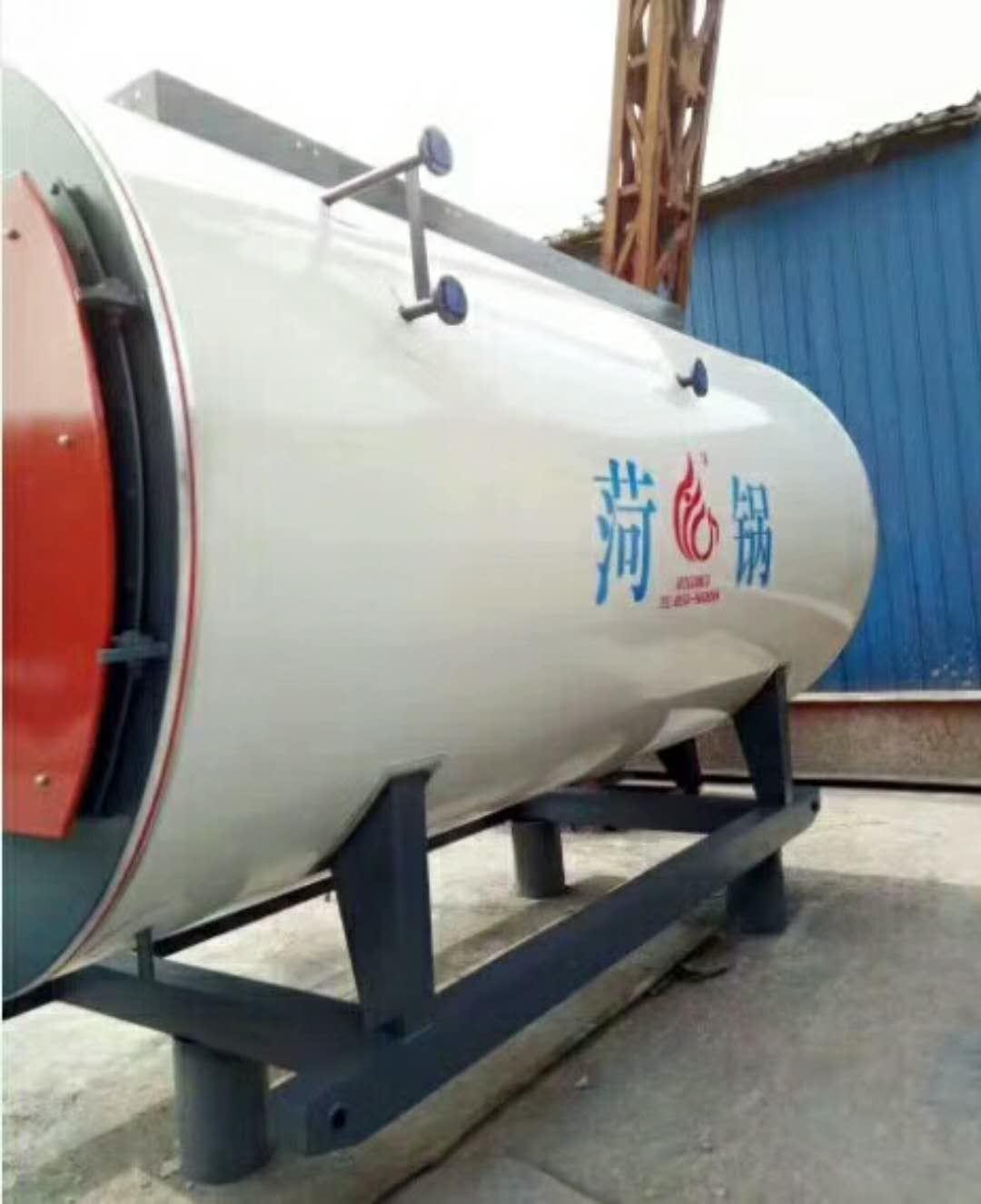


















Shandong Zhongjie Special Equipment's main products include: fuel (gas) boilers, organic heat carrier boilers, biomass boilers, waste heat recovery boilers, and other boiler products; vacuum insulation cryogenic pressure vessels such as LNG storage tanks, oxygen/nitrogen/argon storage tanks, and CO2 storage tanks; pressure vessel products such as denitrification engineering equipment, heat storage and energy storage equipment, and complete chemical equipment; central air conditioning and ventilation equipment such as ground (water) source heat pumps, air source units, water-cooled screw units, and air-cooled modular units. Planned products include large-scale energy centers, LNG transport vehicles, LNG tank containers, and other green energy equipment.
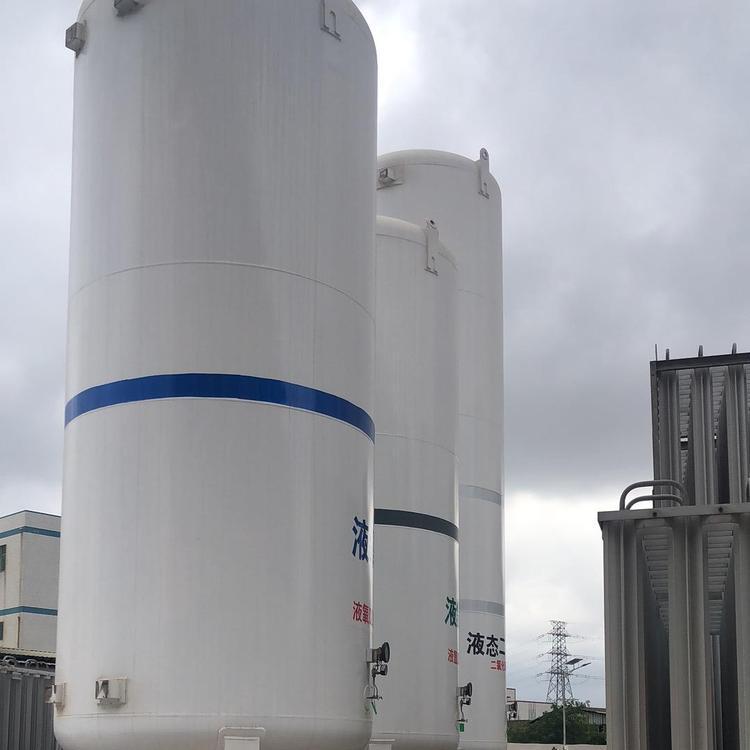
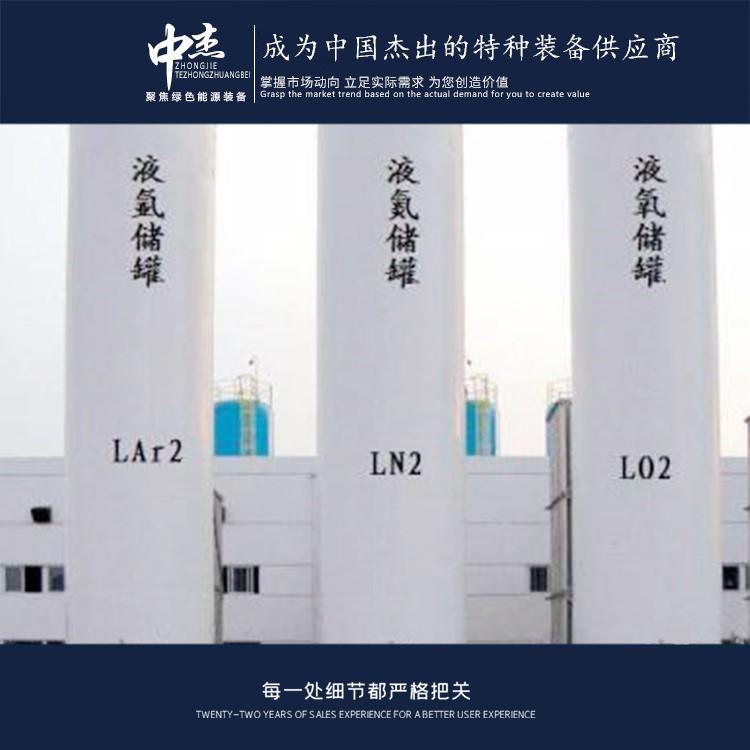
To maintain the stability of liquid argon tanks, the following details should be noted:
Basic Design: The foundation design of the tank should comply with relevant standards and regulations, ensuring stability and load-bearing capacity. The foundation must possess sufficient strength and seismic resistance to withstand external forces and natural disasters such as earthquakes.
Foundation Construction: During the foundation construction process, ensure the foundation is level and even, avoiding any tilting or uneven settlement. Additionally, the concrete pouring for the foundation must comply with construction specifications to guarantee the quality and strength of the concrete.
Installation Process: During the storage tank installation, appropriate lifting equipment and safety measures must be employed to ensure the vertical installation and stability of the tank. Avoiding剧烈 vibrations and collisions during the process is crucial to prevent damage or deformation to the tank.
Support Structure: The support structure of the tank should be designed reasonably to ensure stability and load-bearing capacity. It should be made of sturdy materials and utilize appropriate connection methods to withstand external forces and the pressure from the liquid inside the tank.
Safety Devices: Tanks should be equipped with safety devices such as pressure relief valves and level alarms to ensure timely measures can be taken in abnormal situations, ensuring the safety of the tank.
Regular inspections and maintenance: Conduct regular checks and maintenance on liquid argon tanks, including visual inspections, pressure tests, leak detection, and as required, non-destructive testing and material analysis. Promptly identify and address any issues with the tanks to ensure their stability and safety.
Note that the installation of liquid argon tanks should be performed by experienced personnel and in accordance with relevant safety operation procedures and standards. During the installation process, operations should be strictly conducted as per the manufacturer's installation guidelines and requirements to ensure the tank's stability and safety.
Liquid nitrogen storage tanks are used for storing and transporting liquid nitrogen. To ensure safe operation, here are some common operational protection procedures for liquid nitrogen storage tanks:
Tank Installation: Tanks should be installed on a solid and level foundation, far from fire sources and flammable materials. Good ventilation around the tank is essential to prevent gas accumulation. The tank should maintain a safe distance from other equipment and buildings.
Liquid Nitrogen Filling: When filling with liquid nitrogen, use appropriate liquid nitrogen transfer equipment to avoid direct contact. During the filling process, monitor and control the flow and pressure of liquid nitrogen to prevent over-filling and excessive tank pressure.
Tank Pressure Control: Tanks should be equipped with pressure control devices to ensure internal tank pressure remains within safe limits. Regularly inspect and maintain these devices to ensure proper operation.
Leak Detection and Alarm Systems: Storage tanks should be equipped with leak detection and alarm systems to promptly detect and alert of any tank leaks. Regularly inspect and maintain the leak detection equipment to ensure proper functioning.
Fire and Explosion Prevention Measures: A fire-resistant buffer zone should be established around the storage tank, away from fire sources and flammable materials. The tank itself should implement fire and explosion prevention measures, such as fire-resistant coatings and explosion-proof devices, to prevent fires and explosions.
Regular inspections and maintenance: Conduct regular checks of the tank's exterior, valves, and connections to ensure they are intact and undamaged. Perform regular leak detection and pressure tests to ensure the tank's safety performance meets requirements.
Safety Training and Awareness Enhancement: Conduct safety training for operators to enhance their awareness and ability in the safe operation of liquid nitrogen tanks. Regularly hold safety training and drills to respond to emergencies.
Manage records and documents: Establish comprehensive management records and documentation, including tank usage, inspection logs, and maintenance records. Regularly review and update these records to ensure the safe management and maintenance of tanks.
Note that the above are common protection procedures, but specific procedures may vary depending on the type of tank and application. When using liquid nitrogen tanks, operate according to relevant regulations and standards, and consult with experts to ensure safety and effectiveness.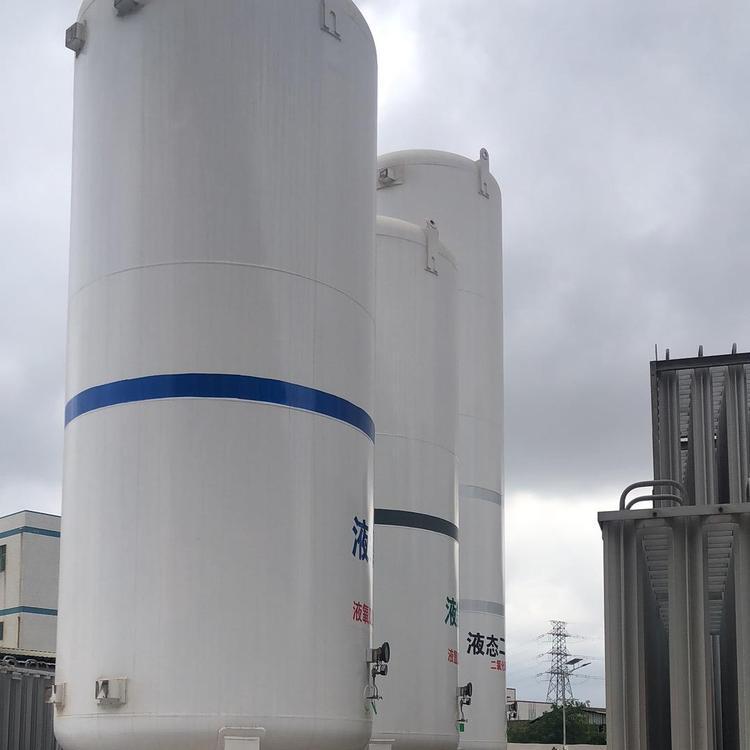
The installation of the safety valve on liquid oxygen storage tanks is a critical component ensuring the tank can release pressure in the event of overpressure, thus protecting the tank and associated equipment. The following are the steps for installing the safety valve on a liquid oxygen storage tank:
Determine the rated pressure of the safety valve: Select an appropriate safety valve based on the design pressure and flow requirements of the liquid oxygen storage tank. Ensure the rated pressure of the safety valve meets the tank's specifications and complies with relevant safety standards and regulations.
Installation Location Selection: Choose a suitable location for the safety valve installation. Typically, the safety valve should be mounted on the top or side of the liquid oxygen storage tank to allow for timely pressure release in the event of overpressure.
Preparation for installation interface: Prepare the corresponding interfaces based on the connection method of the safety valve. This may include welding interfaces, threaded interfaces, or flange interfaces, etc. Ensure the tightness and firmness of the connections.
Install the safety valve: Mount the safety valve onto the prepared interface. Follow the installation instructions for the safety valve to ensure proper connection and tightening.
Adjustment and Testing: After installation, adjust and test according to the safety valve specifications. Ensure the opening and closing pressures of the safety valve meet the design requirements, and conduct a leakage test to ensure sealing integrity.
Connect exhaust pipe: The exhaust pipe of the safety valve should be properly connected to the outlet of the safety valve. The exhaust pipe must have sufficient diameter and flow capacity to ensure effective exhaust of overpressure gas when the safety valve is activated.
Labeling and Documentation: Identify relevant information on safety valves and discharge pipes, such as rated pressure, flow rate, and installation date. Additionally, document the installation details and test results of the safety valves for future reference and maintenance.
When installing the safety valve on the liquid oxygen storage tank, it is imperative to follow the relevant safety regulations and operation guidelines. If you lack the necessary experience and knowledge, it is advisable to seek assistance and guidance from a professional to ensure the correct installation and reliable operation of the safety valve.
Stabilization design for a 15 cubic meter liquid argon storage tank should consider the following aspects:
Tank Pressure: Determine the design pressure of the tank to meet the storage and supply requirements for liquid argon. Establish an appropriate design pressure range based on the properties and usage conditions of liquid argon.
Stabilization System: Select an appropriate stabilization system to maintain stable pressure within the storage tank. The stabilization system typically includes components such as pressure regulators, pressure sensors, and control valves, which are used for monitoring and adjusting the pressure inside the tank.
Pressure Sensors: Install pressure sensors for real-time monitoring of pressure changes within the storage tank. The sensors transmit pressure signals to the voltage stabilization system to promptly adjust the control valve's opening, ensuring stable pressure within the tank.
Control Valve: Select a suitable control valve for regulating the gas flow and pressure within the storage tank. The control valve should have excellent regulating performance and stability to ensure the pressure within the tank remains within the set range.
Safety Valve: Install a safety valve to automatically release gas when the pressure inside the storage tank exceeds the set value, preventing overpressure. The safety valve should be selected and installed based on the design pressure and capacity of the storage tank.
Voltage Stabilization System Control: Equipped with a suitable control system for monitoring and controlling the operation of the voltage stabilization system. The control system can achieve automatic adjustment and alarm functions to ensure stable and safe pressure within the storage tank.
Note that the design of the voltage regulation system should be tailored to the specific engineering requirements and operating conditions of the liquid argon storage tank, adhering to relevant local laws, regulations, and standards. When designing and installing the voltage regulation system, it is recommended to consult with an engineer or a relevant institution for guidance to ensure the reliability and safety of the system.
Shandong Zhongjie Special Equipment, welcome customers to our factory for business discussions.
WeChat Official Account

Scan to follow Official Account



















