



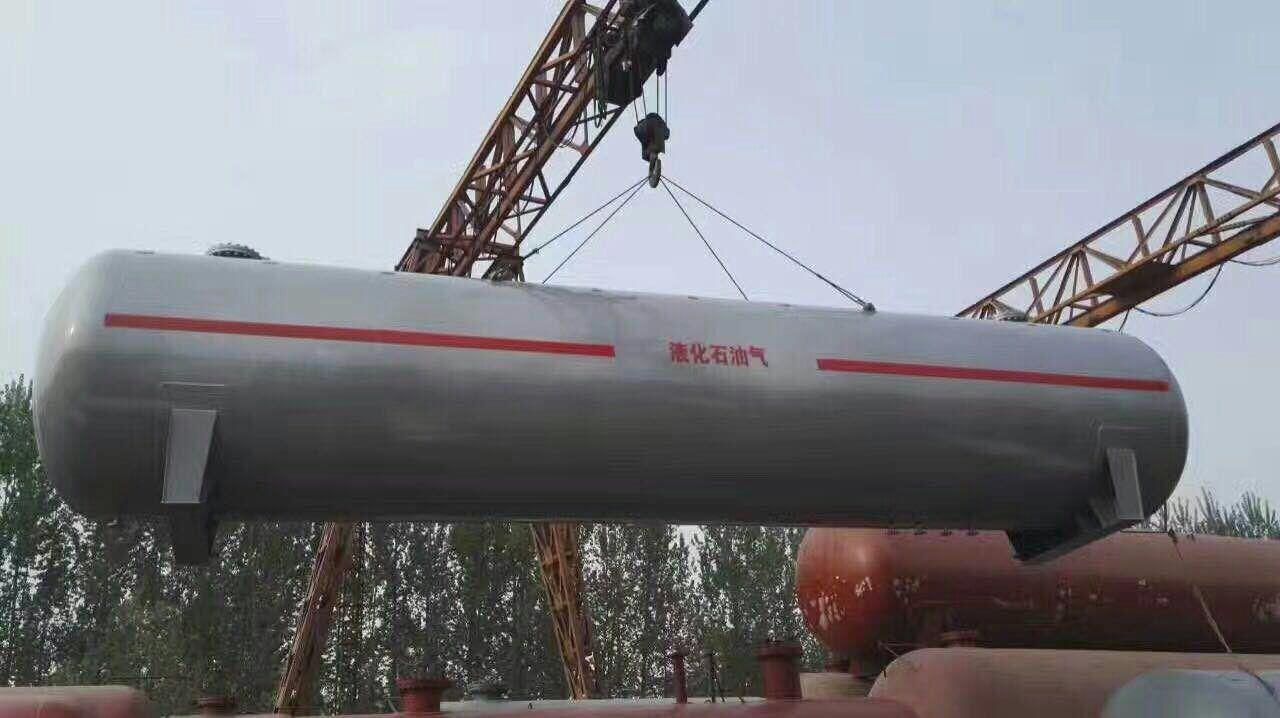


















1.2.3 LNG Storage Tank Gas Supply Process:
All valves on the tanks to be pressurized, excluding the root valve and the emergency shutdown valve, are in the closed position.
2. Open the lower liquid inlet valve of the low-temperature storage tank, as well as the liquid and vapor pressure valves, and check that both valves of the pressure vaporizer are in the open position.
3. Open the low-temperature cutoff valve before the gasifier, the normal temperature flange ball valve after the gasifier, and all valves required to be opened in the pressure regulating system.
4.A. For gas flow rates less than 1000-2000 Nm3/h, a single storage tank can meet the gas supply requirements.
5. Product Output
5.1 When the tank pressure reaches more than 0.15 MPa above the outlet pressure, slowly open the outlet valve to initiate the gas supply operation.
5.2 Record the liquid storage tank number and the start of gas supply.
5.3 Pay close attention to the liquid level, pressure changes, and flow and pressure variations at the exit in the gas supply process.
1.2.4 LNG Storage Tank Self-Pressure Increase Operation Procedure
1. During manual operation, open the valves: the pressure boosting liquid phase valve, the pressure boosting gas phase bypass valve, and the liquefied natural gas (LNG) receiver inlet valve, allowing LNG to flow directly into the self-pressurizing gasifier. After vaporization, it enters the LNG storage tank. At this point, closely monitor the pressure. Close the pressure boosting liquid phase valve when the pressure in the LNG storage tank reaches the required level.
2. Cautionary Notes:
(1) During operation, the LNG low-temperature storage tank must ensure that the liquid level is ≤90% and the minimum liquid level is ≥15%.
(2) When manually operating the self-pressurizing system, no one is allowed to leave the scene.
(3) When the self-pressurizing system is in operation, the pressure-reducing system should be in the off state.
3. Cautionary Notes:
During the operation of the LNG tank, the liquid level must be ≥15%.
(2) When operating manually, the site must not be left unattended.
1.2.5 Risk Analysis and Countermeasures
When loading and unloading LNG tankers, operators should wear masks, antistatic work clothes, and frost-resistant gloves, etc.
2) During LNG tank truck unloading, vehicles must remain stationary to prevent the breakage of loading/unloading hoses, which could lead to a large LNG leak.
3) When LNG is present in the pipeline, both ends' valves cannot be closed simultaneously.
4) Absolutely no touching or stepping on low-temperature pipelines and equipment.
6) Under no circumstances should moisture, oil, mechanical impurities, etc., enter the pipeline to prevent blockages.
7) Absolutely no hammering, fire drying, or water spraying on the frozen areas.
8) To ensure the safety of the working environment, operators must wear personal protective equipment. Static electricity from the human body must be eliminated before entering the station. Open flames are strictly prohibited within the station's operational area, as well as the use of non-explosion-proof tools and electronic devices.
9) Strictly adhere to the operation ticket system, executing steps as per the operation ticket. Require at least two on-site operators: one to perform and one to supervise, ensuring operational safety.
10) Conduct safety education before operation, implement on-site safety precautions, and know how to escape and control emergencies in case of danger.
1.2.6 LNG Tank Maintenance and Routine Care Procedures
Operations technicians at liquefied natural gas stations must be familiar with the structure and principles of the storage tanks and strictly follow the operational procedures for all LNG-related activities.
2. Operators of liquefied natural gas must be familiar with the performance and principles of storage tank accessories (pressure gauges, level gauges, temperature gauges, vacuum test valves).
3. LiquefiedNatural Gas Storage TankThe outer cylinder is a vacuum container under external pressure; welding operations under vacuum are strictly prohibited.
4. Regularly inspect the outer cylinder of the storage tank for signs of icing. Upon discovery of icing, promptly report to the on-duty supervisor and station manager. The on-duty supervisor or station manager should immediately contact the manufacturer to identify the cause and address it promptly. During the process, closely monitor any changes in the icing situation. If there is a tendency for the incident to escalate, immediately proceed with tank draining or halt the filling operation, and close the relevant emergency shut-off valves at the inlets and outlets.
5. Regularly inspect the storage tank's connecting pipes, valves, etc., for frost formation. Report any issues to the on-duty supervisor immediately, who will then arrange for personnel to address the situation.
6. Regularly inspect the tank's pressure gauge, level gauge, and thermometer to observe if the readings are normal.
7. Regularly inspect the sealing performance and operation of the connecting valves to ensure normal functioning.
8. Regularly inspect and calibrate safety valves, pressure gauges, level indicators, and thermometers in accordance with regulations to ensure proper operation and promptly update the equipment inventory records.
9. Regularly perform anti-corrosion treatment on the outer shell of storage tanks and carry out visual cleaning and maintenance of the pressure gauges, level gauges, and thermometers on the tanks.
10. Regularly remove rust and apply corrosion prevention to areas prone to rust, such as the pressure and level control instruments' three-way valves on storage tanks.
11. Conduct annual or on-demand vacuum level inspections of the storage tanks to monitor their operational status.

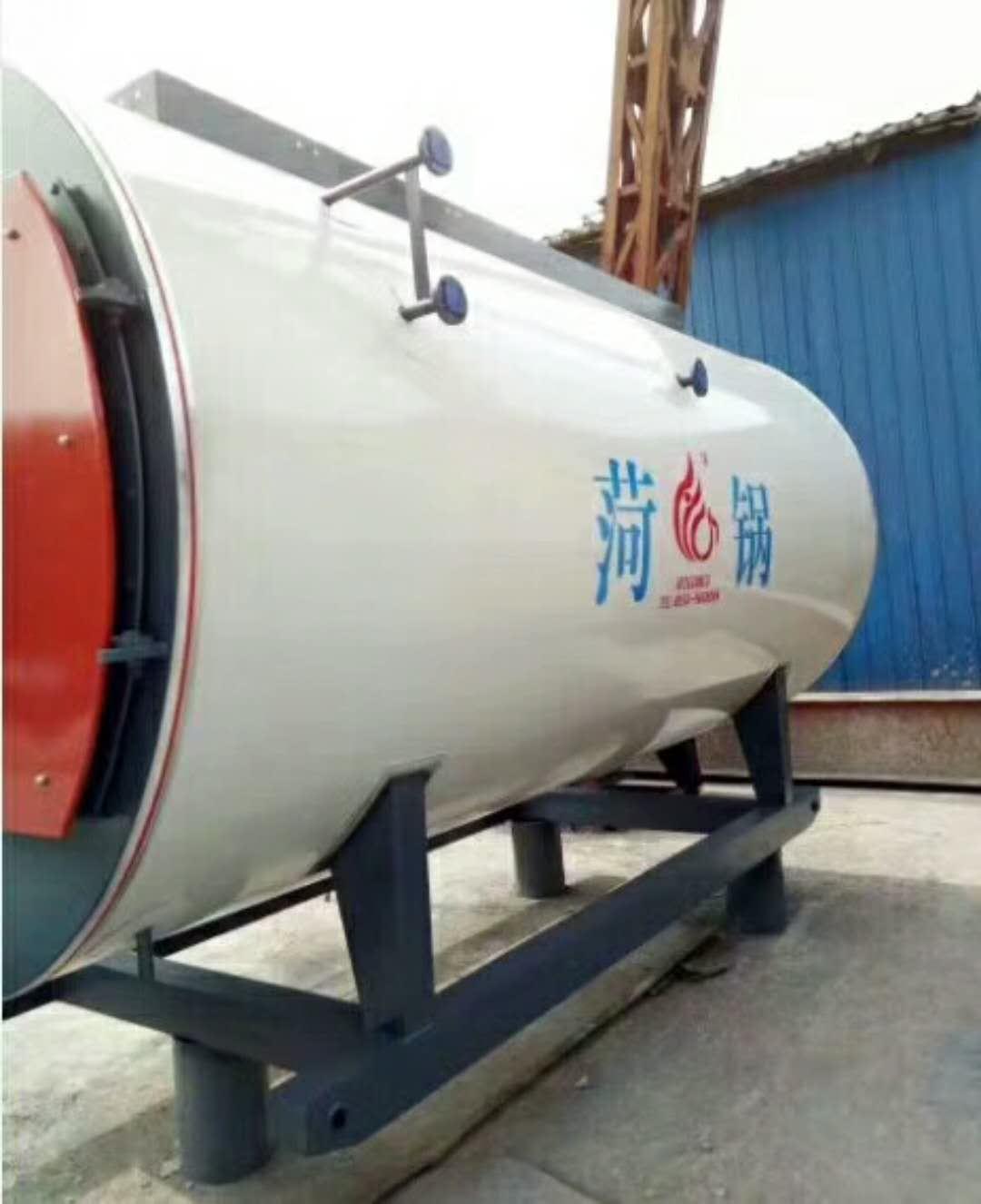

Professional Natural Gas Storage Tank Brand - Manufacturer and Sale of Natural Gas Storage Tanks - Discount Natural Gas Storage Tanks Available - Top 10 Natural Gas Storage Tank Brands Where to Find



















