






















液化天然气储罐价格液化天然气储罐厂家
LNG储罐厂家,液化天然气储罐价格液化天然气储罐厂家:Shandong Hezhou Group,Please provide the Chinese content you would like translated into American English.Manager1??????????。
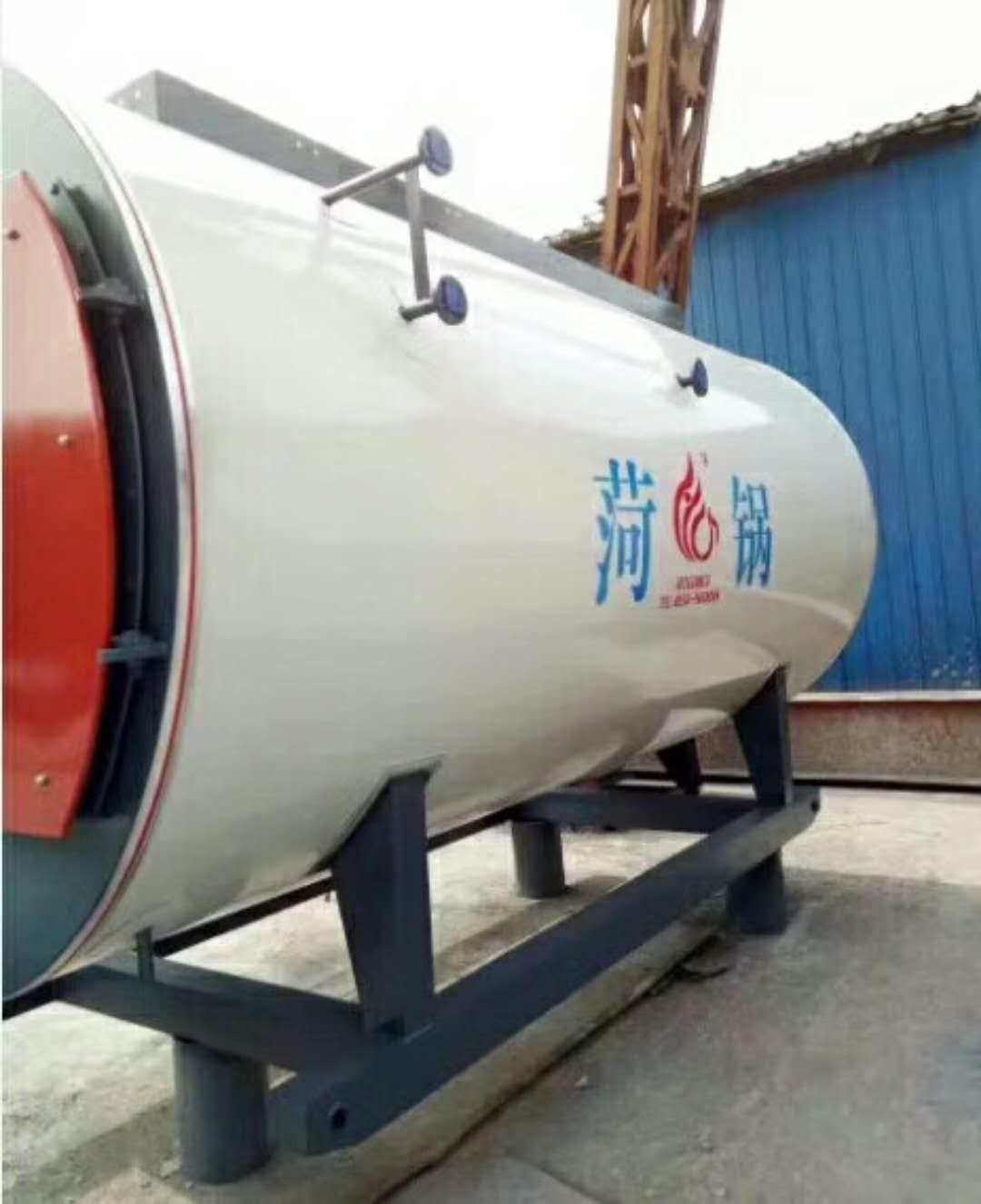
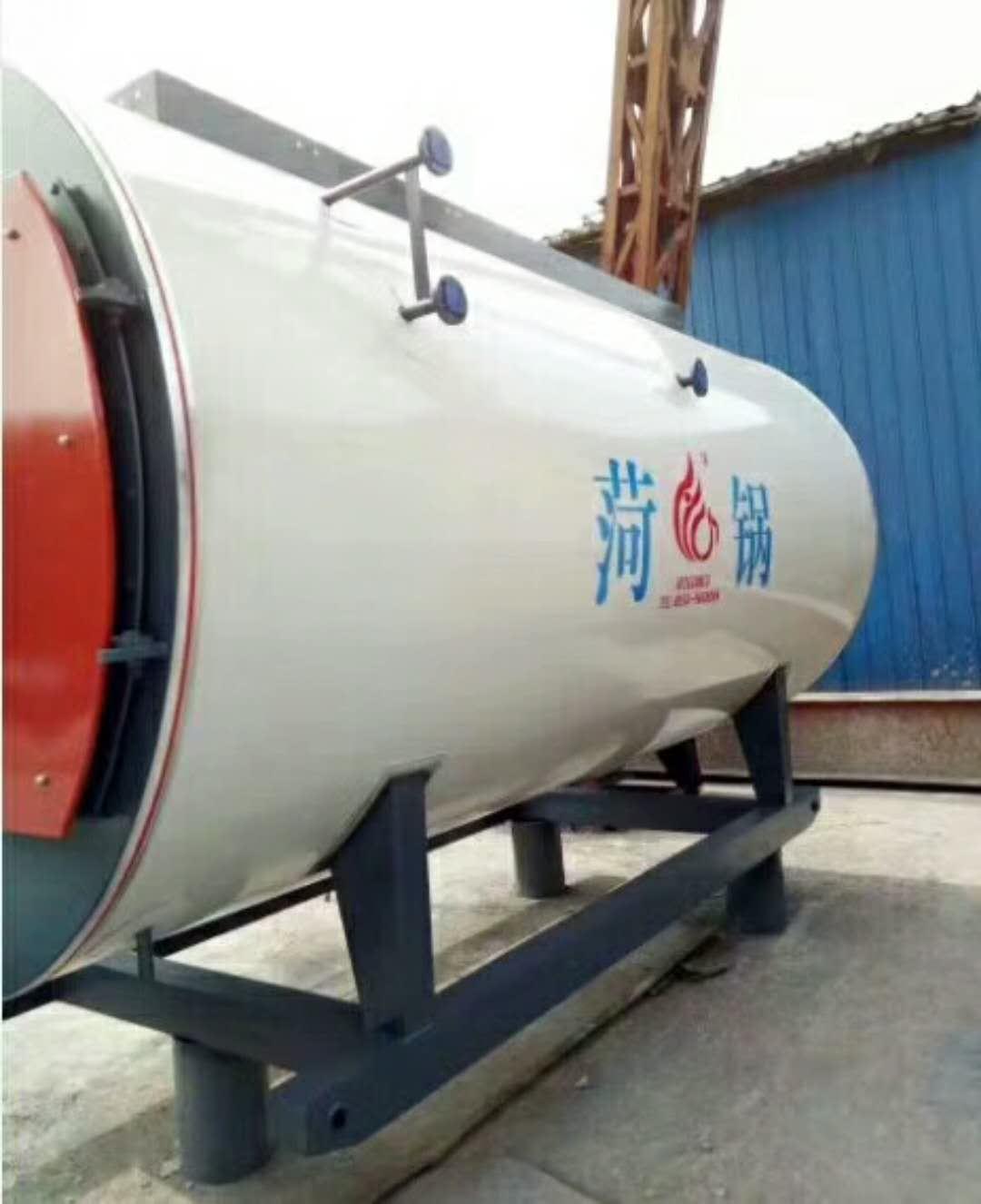
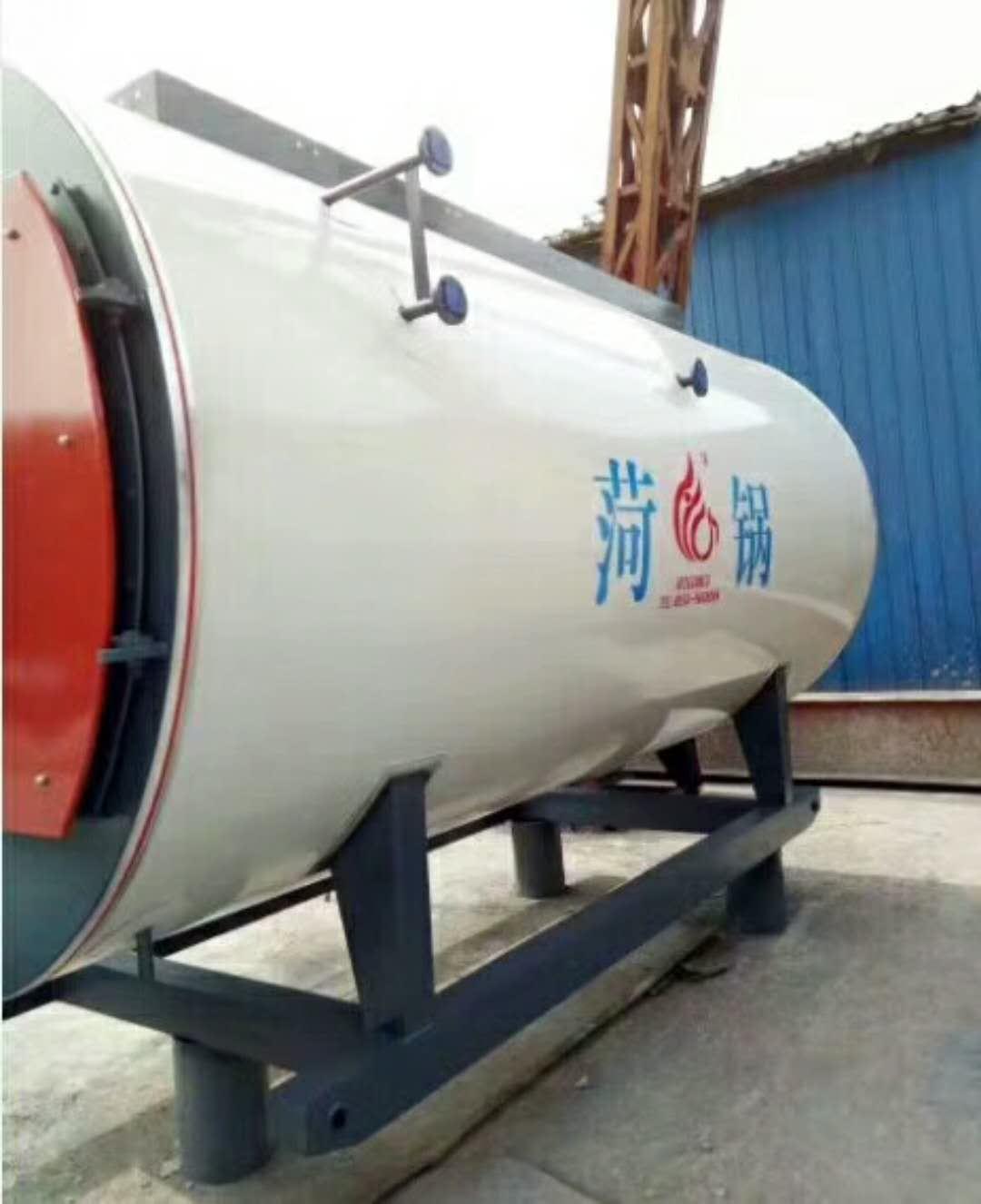
The basic structure of the LNG storage tank is as shown in the figure. The external piping and operating system are located at the bottom of the tank, while the inner cylinder is used to contain LNG. Various pipelines connected to it extend from the interlayer space to the external piping system. The outer cylinder, on one hand, forms a sealed vacuum insulated space with the inner cylinder, and on the other hand, it provides protection and support for the inner cylinder. The support between the inner and outer cylinders is made of glass fiber reinforced plastic with excellent insulation properties, used to support the axial and radial loads of the inner cylinder.
液化天然气储罐价格液化天然气储罐厂家
LNG储罐厂家,液化天然气储罐价格液化天然气储罐厂家:Shandong He Guo Group,Please provide the Chinese content you would like translated into American English.Manager1??????????
When refilling the tank with liquid, open both the upper and lower inlet valves, and activate the exhaust pipeline system. The liquid enters the tank through the filling and discharging port, with the liquid level height read by the level gauge. Stop refilling when liquid begins to flow out of the overflow port. For draining, activate the self-pressurizing system, and the tank will maintain a stable pressure during draining, with the liquid discharged through the filling and discharging port.

LNG (Liquefied Natural Gas) is the abbreviation for Liquefied Natural Gas in English.
Natural gas is a combustible gas extracted naturally from gas fields, primarily composed of methane.
2, LNG is produced by cooling natural gas to -162°C at atmospheric pressure, causing it to condense into a liquid.
Liquefied natural gas (LNG) significantly reduces storage and transportation space and costs, and boasts high calorific value and superior performance.
液化天然气储罐价格液化天然气储罐厂家
LNG储罐厂家,液化天然气储罐价格液化天然气储罐厂家:Shandong Hezhou Group,Please provide the Chinese content that needs to be translated into American English.Manager1??????????。
LNG is a clean and efficient energy source.
1. Importing LNG aids energy-consuming countries in achieving energy supply diversification and ensuring energy security, while exporting LNG helps natural gas-producing countries effectively develop their gas resources, boost foreign exchange earnings, and promote national economic growth. Therefore, LNG trade is emerging as a new hot spot in the global energy market.
Natural gas, as a clean energy source, is gaining popularity, with many countries listing LNG as an optional fuel, and its proportion in the energy supply is rapidly increasing.
Liquefied natural gas is growing at an annual rate of approximately 12%, making it one of the fastest-growing energy sectors globally.
In recent years, the production and trade of global LNG have become increasingly active, making LNG a scarce clean resource and emerging as a new hot spot in the world's oil and gas industry.
To ensure diversified energy supply and improve the structure of energy consumption, major energy-consuming countries are increasingly focusing on the import of LNG, with Japan, South Korea, the United States, and Europe all building large-scale LNG receiving terminals.
6. International major oil companies are increasingly shifting their new profit growth points to LNG business, with LNG poised to become the next hot global energy commodity after oil.
China's natural gas utilization is extremely unbalanced, with a very small proportion of natural gas in China's energy mix.
8. From the perspective of China's natural gas development, natural gas resources are limited, and the output is far less than the demand, with the supply-demand gap widening.
9. Although it has not yet reached scale, the characteristics of LNG determine its rapid development.
10. It is predictable that within the next 10 to 20 years, LNG will become the dominant force in China's natural gas market.
In 2007, China imported 2.91 million tons of LNG, which was more than three times the import volume of 2006.
In January to December 2008, China's total LNG imports reached 3,336,405 tons. In January to December 2009, the total LNG imports for China were 5,531,795 tons. Amidst China's continuous rapid economic growth, there was an extreme shortage of energy power to sustain the economy.


Official LNG Tank Sale - Standard LNG Tank Specifications - High-Quality LNG Tank Fabrication - Renowned LNG Tank Sales Prices



















