




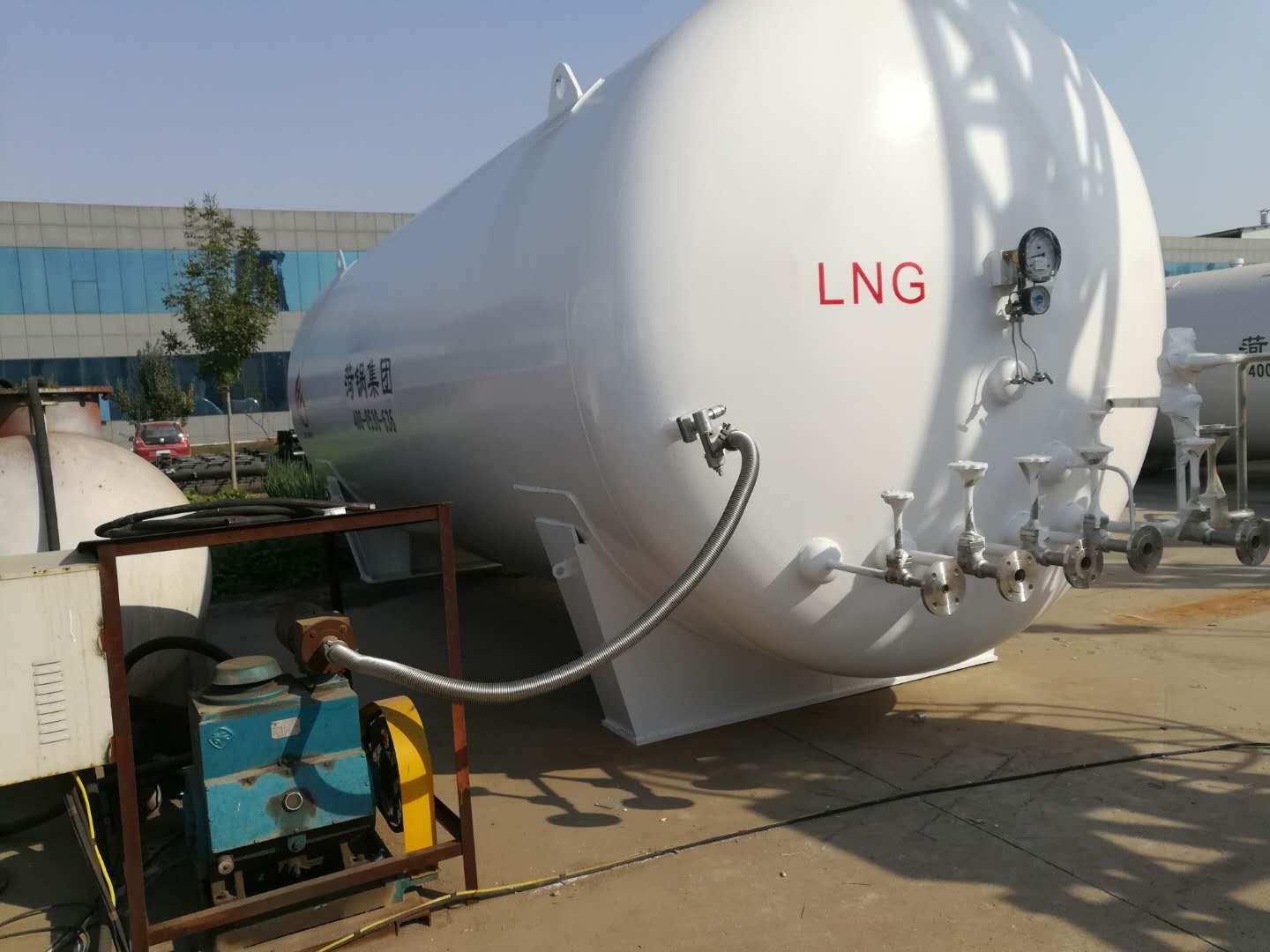
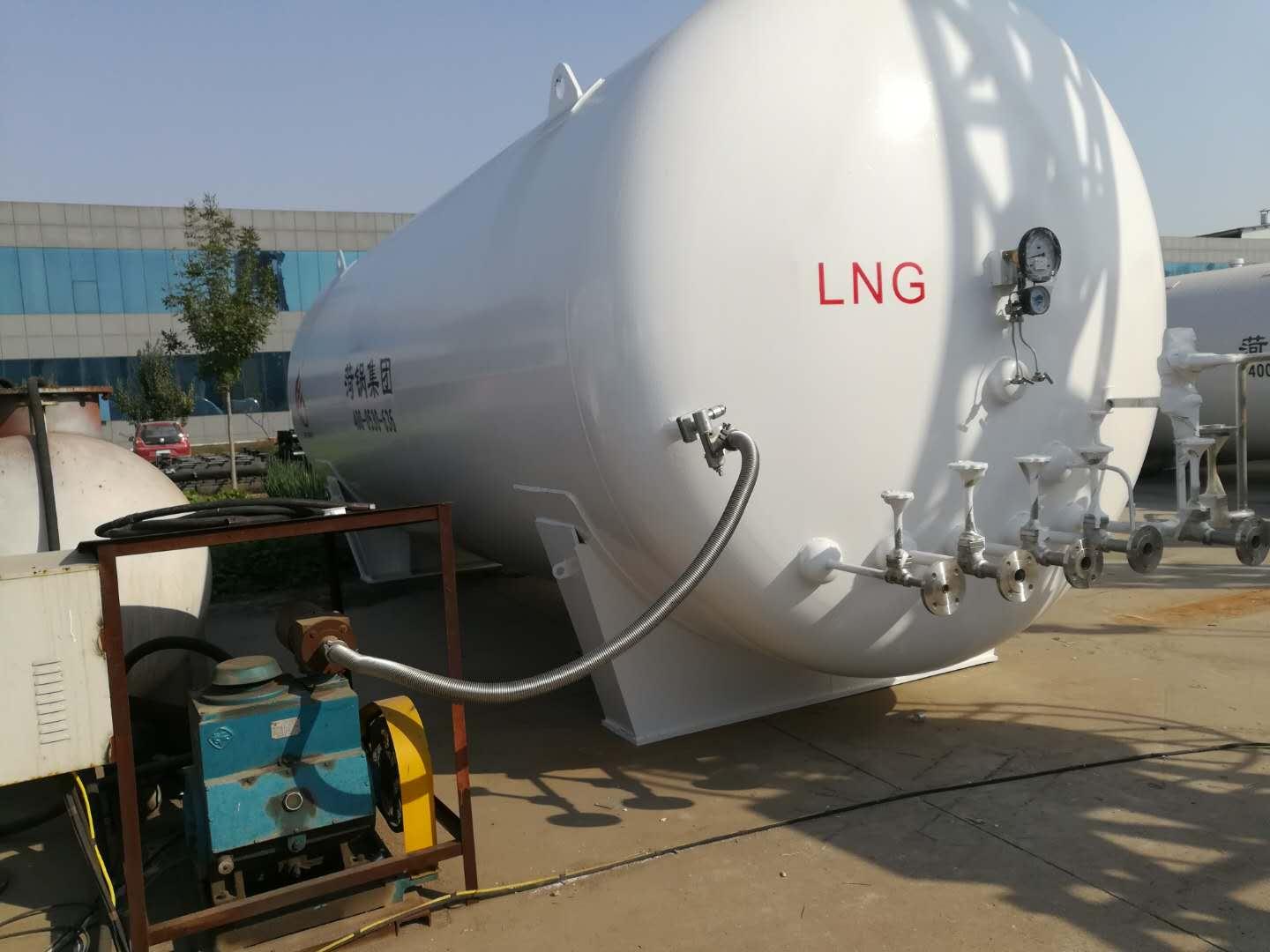


















 Materials used for liquefied gas storage tanks:Q345RThis is a special steel plate for pressure vessels; this equipment has been heat-treated with high-temperature annealing.,Huzhou Boiler Factory Co., Ltd. is one of the highly competitive private enterprises in China's pressure vessel manufacturing industry, particularly renowned for its independent low-temperature storage tanks.|Low-temperature thermal insulation storage tank(LiquidCO2,Liquid Nitrogen,Liquid Oxygen, Liquid Argon)Frame-type Low-Temperature Insulation Storage Tank|Storage tanks, frame-type container tanks,And other chemical pressure vessels(Liquid Ammonia Tanks, Liquid Chlorine, Ethylene Oxide Storage Tanks,Ethylene, Propane Storage Tank,Propylene)Aspects, Over years of accumulation, we have developed a series of products, user solutions, and equipment installation and debugging technologies, offering comprehensive solutions including consultation, design, production, integration, and installation debugging services.
Liquefied gas storage tanks are pressure vessels used for storing liquefied petroleum gas. They are special equipment that can only be produced by enterprises approved by the National Quality Supervision and Inspection Administration. These tanks require a national-issued Class III pressure vessel design and manufacturing qualification. Shandong Heze Boiler Factory Co., Ltd. is a national-approved manufacturer of Class 1, 2, and 3 pressure vessel designs and productions. It is capable of producing pressure vessels, including liquefied gas storage tanks under 200 cubic meters. It is one of the few companies able to produce such equipment.200Cubic Corporation.
Our Liquefied Gas Storage Tanks Advantages:
One, our company conducts an annual quality assessment for all suppliers to ensure supplier quality.
Two, the main pressure materials are all customized steel plates from Jining Steel and Ansteel, with all thickness deviations exceeding the national standards.***Standard Specifications50m3For example, in the case of liquefied gas storage tanks, to ensure the design service life of the tank, the nominal thickness of the standard end cap is14mm, but our company uses customized steel plates for the caps***Thin thickness14.7mmSheet steel. (Other companies have limited production capacity and cannot customize sheet steel, so they either directly purchase14mmSteel plate; may result in premature scrapping during future inspections due to insufficient thickness of the head curvature; or either adopt16mmSteel plate manufacturing can lead to resource wastage, imposing additional costs on the customer.
Section 3: Before the production process, the customized steel plate purchased needs to be...100%Ultrasonic re-inspection to further ensure steel plate quality, guaranteeing the production of superior products.
Four: The products are produced on an assembly line with standardized operations, which has increased efficiency and ensured the smooth operation of the quality system, guaranteeing product quality.
Five. The main body of the product is焊接 with both internal and external automatic welding, ensuring proper welding shape and internal quality.
All pressure parts are焊接 with full penetration structures to ensure welding strength.
All liquefied petroleum gas storage tanks undergo integral stress-relieving heat treatment. The company has built two gas-fired integral heat treatment furnaces, with a single furnace having a treatment capacity of300FIFO Storage TankDN≤4000mm,LTotal ≤25000mmThe product's lifespan and safety quality play a significant role. It's also a major selling point for our company's exports.
Inspection (at each inspection point)
Eight, establish various inspection checkpoints throughout the product manufacturing process, from raw materials to factory to product inspection and shipment, to effectively control product quality.
Section 9: All main weld seams100% XRadiation Detection, Fittings, FlangesC、DWelding-like100%Surface flaw detection ensures welding quality. The company has a non-destructive testing room and is staffed with certified inspectors at various levels.
Ten. Each unit undergoes hydrostatic testing to ensure equipment strength safety; each unit is tested for air tightness to guarantee equipment sealing performance. After hydrostatic testing, internal air is blown to clean the interior.
Eleven, the company has2A full-body shot blasting room, all tanks are treated with pneumatic steel shot blasting for rust removal, ensuring both the appearance and paint quality. (After overall shot blasting and rust removal, the lifespan of the paint can be significantly extended.) Apply two coats of anti-rust primer followed by two coats of topcoat; four coats of paint guarantee that the tank will not peel for five to ten years, and with good maintenance, it can last up to twenty years without repainting.
Twelve: Large production capacity; customers can see the real products at the company. Regular products are available for immediate supply, allowing customers to shorten construction cycles and make money sooner.
Section 13: Witnessing the Project4000Households above, spread all over the world, giving you peace of mind in your purchase.
The loading and unloading areas for liquid ammonia storage tanks should be prohibited from being located near densely populated areas such as schools, hospitals, and residential areas. The quantity of liquid ammonia stored must be in compliance with national standards or relevant national regulations in terms of distance from the following places and areas: 1. densely populated areas such as residential districts, commercial centers, and parks; 2. public facilities like schools, hospitals, cinemas, and sports stadiums; 3. water sources, water plants, and protected water source areas; 4. stations, ports (except those approved for hazardous chemical handling as per national regulations), airports, highways, railroads, waterways, subway ventilation shafts and entrances/exits; 5. basic farmland protection areas, pastoral areas, fishing waters, and production bases for seeds, breeding animals, and aquatic seedlings; 6. rivers, lakes, scenic areas, and nature reserves; 7. military restricted areas and military management zones; 8. other areas protected as stipulated by laws and administrative regulations.
Liquefied ammonia storage tanks, as a type of special pressure vessel, are widely used in the chemical industry, often for transporting strong acids and alkalis. Over the years, it has been found that liquefied ammonia tanks rarely experience strength failure, with most incidents being due to corrosion cracks. The corrosion issue with liquefied ammonia tanks is increasingly drawing attention, as many safety concerns arise from their insufficient corrosion resistance. Generally, cracks in the internal surface weld zones of storage tanks are severe, particularly in hoop welds, with no plastic deformation at the crack mouths, displaying typical brittle crack characteristics. The cracks are usually shallow and elongated with distinct branches, with the main crack perpendicular to the weld direction, especially at the arc starting and ending points in manual arc welding, T-joint areas, and at the intersection of the head ring weld and the cylindrical longitudinal weld. In addition to enhancing the inspection of welds, manufacturers of liquefied ammonia storage tanks must also strengthen the inventory management of welding rods and must not allow workers to use incorrect rods when welding different equipment, as this could compromise product quality.


知名液化气储罐制造厂-供应液化气储罐公司-专业液化气储罐批发价-专业制造液化气储罐批发价



















