



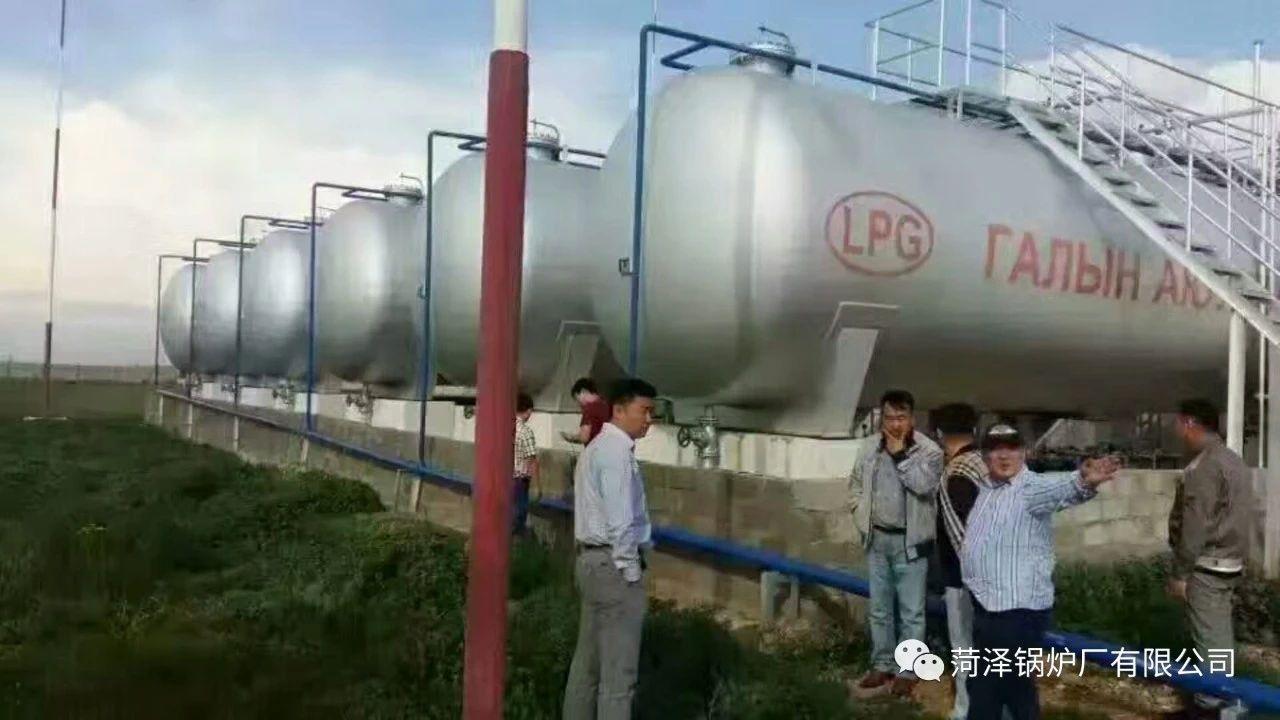

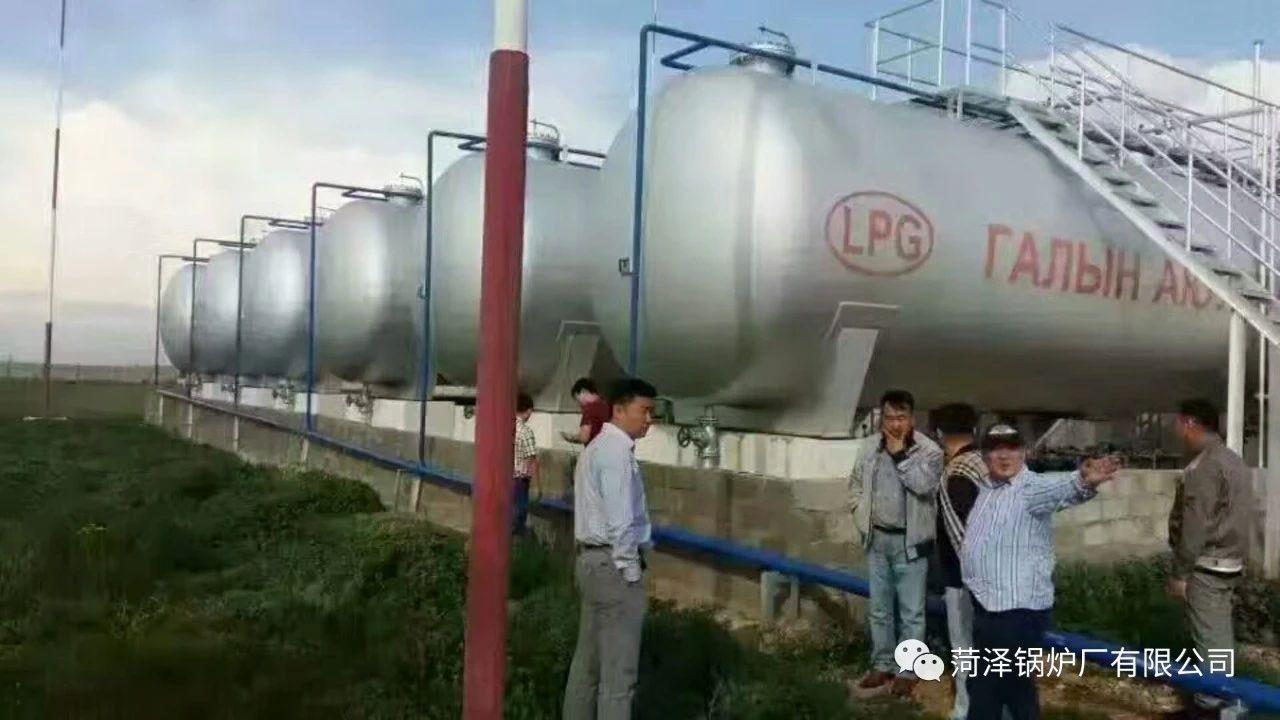
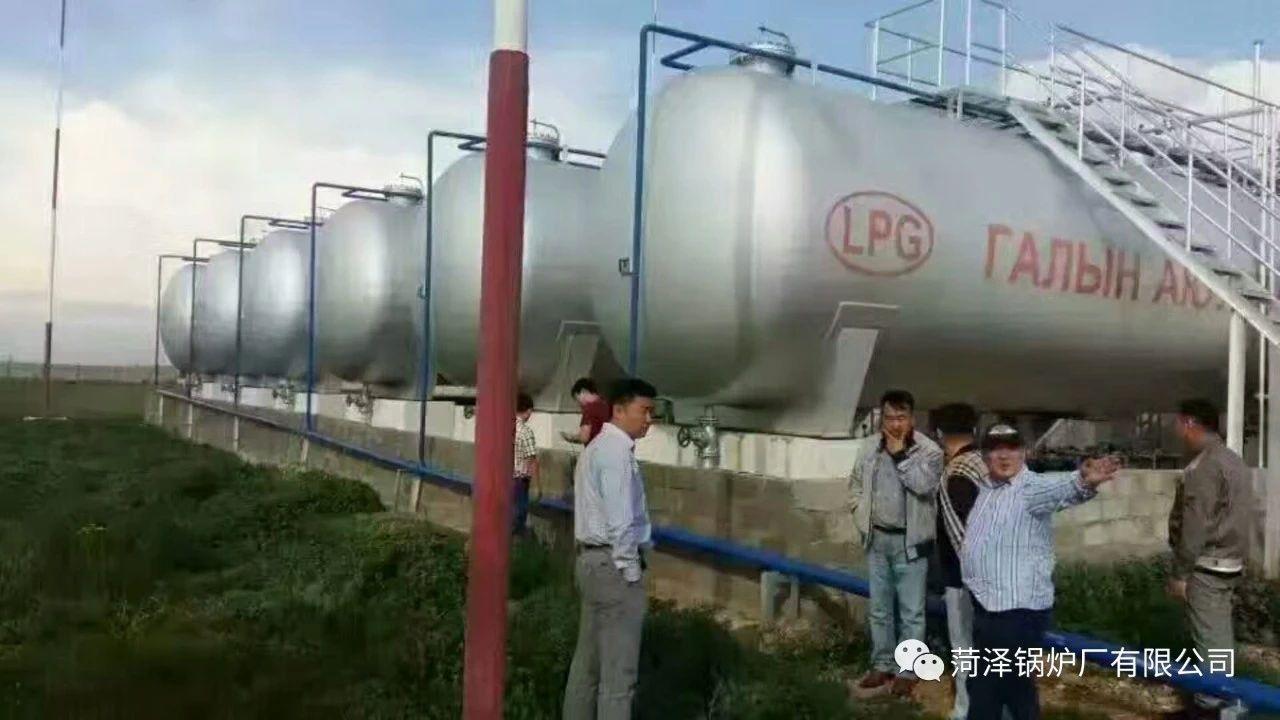


















Heze Boiler Factory Co., Ltd. operates a R&D Center, an installation company, and three production bases. It has established close cooperative relationships with numerous key universities and research institutions in the country. New product development is continuous and well-received by a wide customer base. Our range includes industrial and civil coal-fired boilers, oil-fired boilers, gas-fired boilers, biomass boilers, thermal oil boilers, waste heat recovery boilers, refrigeration auxiliary equipment, and pressure vessels of Class 1, 2, and 3 (such as liquefied gas tanks, liquid ammonia tanks, methyl chloride tanks, propane tanks, underground tanks, towers), as well as low-temperature vessels (like liquid oxygen tanks, liquid nitrogen tanks, liquid argon cylinders), heat exchanger units, and ground-source heat pump units. For many years, the company has actively implemented an innovation strategy centered around technological, market, and management innovation, accelerating the pace of corporate reform and restructuring. We have gradually established a modern corporate system that adapts to the socialist market economy system.
Liquefied Petroleum Gas (LPG) primarily originates from refinery gas and associated gas from oil fields.
I. Derived from petroleum gas obtained from refineries
Refinery gas is a byproduct gas produced during the refining and processing of crude oil, its quantity depending on the production method and processing depth of the refinery, generally about 4%-10% of the original weight. Currently, the recovery of liquefied petroleum gas from the catalytic cracking gas of refineries is the main source of domestic liquefied petroleum gas.
From associated gas obtained from oil fields
Associated gas from oil fields is a byproduct gas produced during the oil extraction process. It is itself a combustible gas that exists within the geological structures of the oil reservoir, containing 10%-40% of propane, butane, pentane, and higher carbon alkanes. During oil extraction, both oil and associated gas are emitted simultaneously. Utilizing gas-oil separation units installed above the oil wells, the oil is separated from the associated gas. The associated gas contains approximately 5% of propane and butane components, which can be extracted using absorption methods, resulting in high-purity liquefied petroleum gas with very low *content. The liquefied petroleum gas supplied by countries such as Europe, the United States, and Japan often falls into this category.
III. Extracted from Natural Gas
Pure natural gas extracted from underground is divided into dry gas and wet gas. Wet gas contains less than 90% methane, with more than 10% of ethane, propane, butane, and other alkanes. After being pressurized and fractionated, the gas is absorbed by diesel spray, then condensed into a liquid state at a pressure of 1.6 MPa in a fractionation tower, forming liquefied petroleum gas.
Drum Unloading Safety Operating Procedure
1. Prior to production or maintenance processes, first inspect the pressure, level, and temperature of the incoming and outgoing tanks, record these details upon confirmation, and then proceed with tank transfers.
2. Determine the liquid discharge volume from the discharge tank and the incoming liquid volume to the receiving tank, and calculate whether the receiving tank's capacity meets the process and safety requirements, then confirm the tank transfer process.
3. The procedure is: open the liquid phase valves for in and out of the tank—adjust the vapor phase valve—start the circulating compressor.
4. During decanting, pay attention to checking the storage tank's pressure and liquid level changes, and constantly revalidate calculations. The incoming liquid tank must not exceed the highest allowable liquid level.
After decanting is complete, shut off the compressor, close the liquid phase valve, and re-adjust the compressor valve.
6. Carefully fill out the operation records.
Cautionary Notes for Natural Gas Storage Tanks: Jacketed vacuum powder-insulated pressure vessels used for storing and supplying low-temperature liquefied gases. They are widely used in industrial production. Analysis of the hazardous characteristics of low-temperature liquids: They have low boiling points, high expansibility, strong asphyxiating properties, and strong oxidizing properties. Boiling points at 101.3 KPa: Liquid nitrogen -196°C, liquid oxygen -183°C, liquid argon -186°C. Contact with the human body can cause severe frostbite on the skin and eyes. In case of small leaks of low-temperature liquids or internal leaks in valves, they absorb heat from the surrounding environment, causing rapid condensation and frost formation at the leak point, which can lead to freezing in severe cases. When low-temperature liquids absorb high heat from the surrounding environment or large leaks, their volume expands rapidly due to quick vaporization. At 0°C and 101.3 KPa pressure, the volume of gases resulting from the vaporization of 1L of low-temperature liquids: nitrogen 674L, oxygen 800L, argon 780L. Inside sealed containers or pipelines, the increase in internal pressure due to the vaporization of low-temperature liquids can easily cause overpressure explosions. In the surrounding environment of low-temperature liquid storage tanks, the vaporization of leaked low-temperature liquids can easily form rich gas areas. High concentrations of nitrogen, argon, or carbon dioxide can cause asphyxiation injuries. Additionally, high oxygen concentrations can lead to hyperoxygenation injuries. Oxygen is a strong oxidizer with strong oxidizing properties. Liquid oxygen, when in close proximity to combustible materials, can easily ignite upon contact with an open flame; it can produce detonations due to impacts or shocks when in contact with combustible materials; and it poses latent explosive hazards when mixed with them. Liquid oxygen can adhere to clothing fabric and ignite easily upon contact with a ignition source, causing personal injury.


正规液化气储罐-专业制造液化气储罐出售-优质液化气储罐厂家-正规液化气储罐哪家质量好



















